

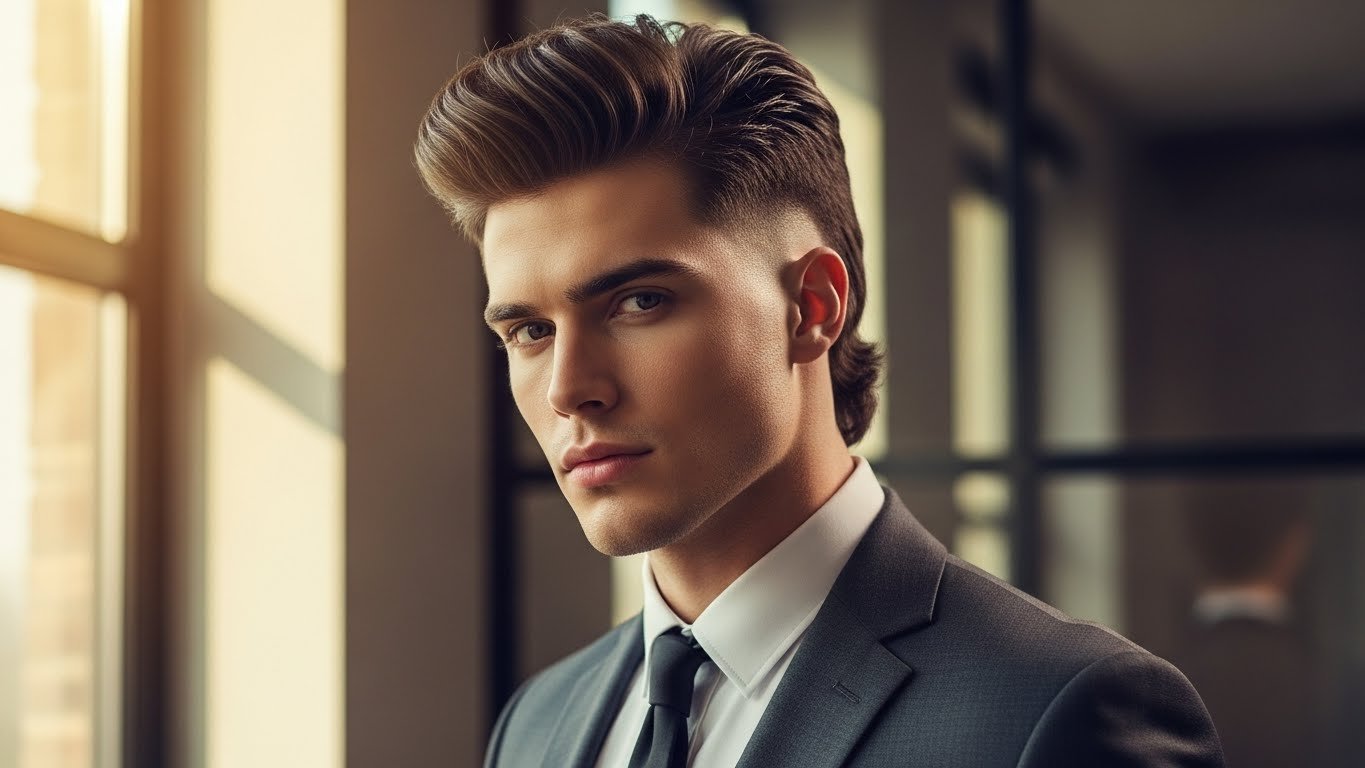
The right hairstyles can make a huge difference. Your haircut is more than just looking good. It is a first impression maker. A great professional look signals confidence, competence, and ambition. For the modern businessmen, this is crucial. This guide details the best men’s haircuts that will help you excel. We focus on classy styles that maintain structure and refinement in any corporate setting.
Foundational Concepts: Hair Length and Professional Look
To start, you need to know your options. Hair length categories define your styling and maintenance commitment. Choosing wisely sets the tone for your entire look.
Understanding Hair Length Categories
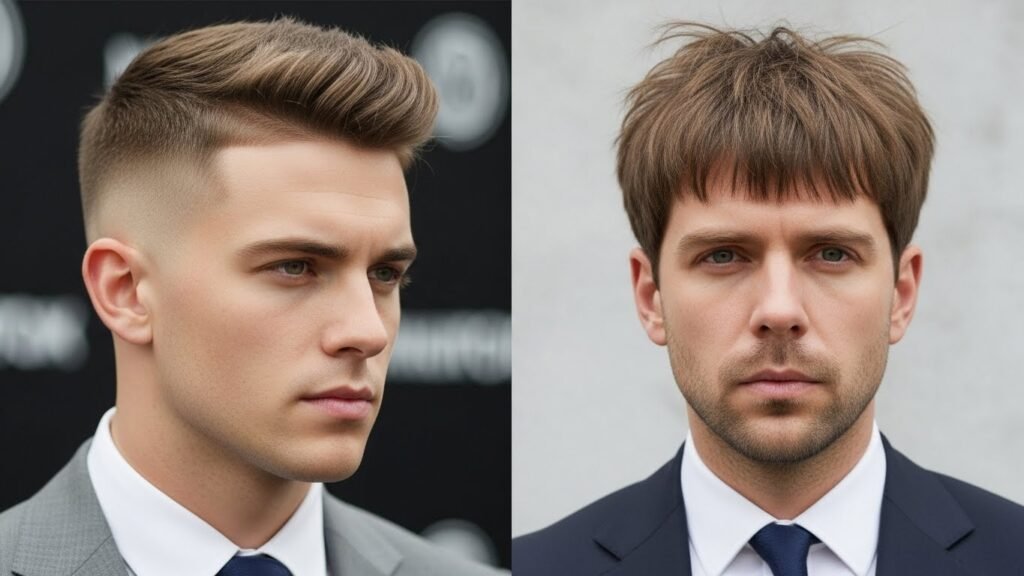
Different lengths offer different levels of versatility. It impacts how much styling cream or gel you need.
- Short Hair: This hair is typically above the ears. It is great for a low-maintenance vibe. This length gives a bold, defined look. Many busy professionals choose this for minimal upkeep.
- Medium Hair: This length falls between the chin and shoulders. It is highly versatile and manageable. Often, it uses subtle layers for added texture.
- Long Hair: This hair reaches past the shoulders. It requires more upkeep and a dedicated conditioning routine. However, it offers a wide range of styling possibilities.
The Power of the Professional Cut
Your appearance matters. A great professional men’s haircut should symbolize your character. It influences how others see you. A sharp cut can easily elevate your attire.
It shows you pay attention to detail. This is key whether you are a lawyer, engineer, marketing manager, or investment banker. A polished hairstyle demonstrates strength and builds trust. You need to make a solid first impression within seconds. People judge competence based on presentation. A well-groomed aesthetic shows discipline.
Short and Structured Cuts: Precision and Authority
When you need a no-nonsense, sharp look, short structured cuts are the way to go. These styles reduce daily styling time. They maximize a clean, authoritative presence. These are the go-to choices for the boardroom.
The Crew Cut, Ivy League, and Military Styles
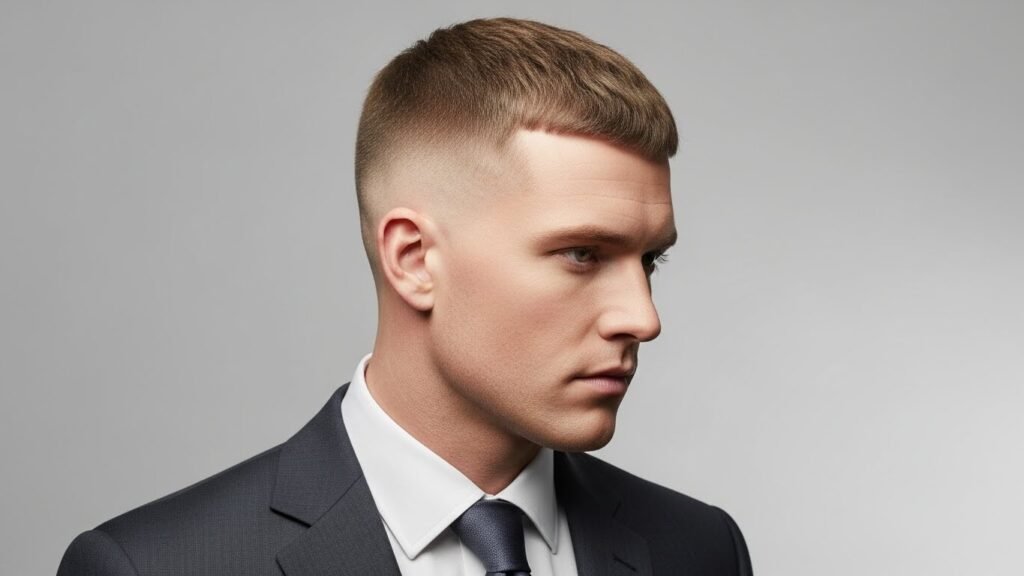
These cuts are military-inspired. They blend high precision with versatility. They are favorites for high-intensity roles. They project conservative charm.
The Classic Crew Cut and Variations
The Crew Cut is a timeless classic. It features mostly uniform length on top. It is simple, yet effective.
- The Classic Crew Cut: This style is quirky and stylish enough for casual or white-collar jobs. It is a simple hairstyle that is easy to manage.
- Textured Crew Cut: This is a neat, approachable side. It blends classic elegance with modern flair. Use matte clay for a structured finish. This adds fullness without excessive volume.
- Tousled Long Crew Cut: This transforms the traditional preppy style into a casual cut. It keeps a laid-back feel without losing professionalism. It maintains good sex appeal.
The Ivy League and Side-Swept Styles
The Ivy League cut is a staple. It has timeless appeal and requires minimal maintenance. It offers more length than a Crew Cut but is equally tidy.
- Key Style: The Side Swept Ivy League offers a sophisticated look. It is structured and easy to manage. It works great with straight or wavy tresses.
- Modern Take: The Short Side Swept Crew Cut with High Taper Fade showcases sharp lines. It’s a clean and decisive style. This look creates contrast that highlights the top section.
The Buzz Cut and High and Tight
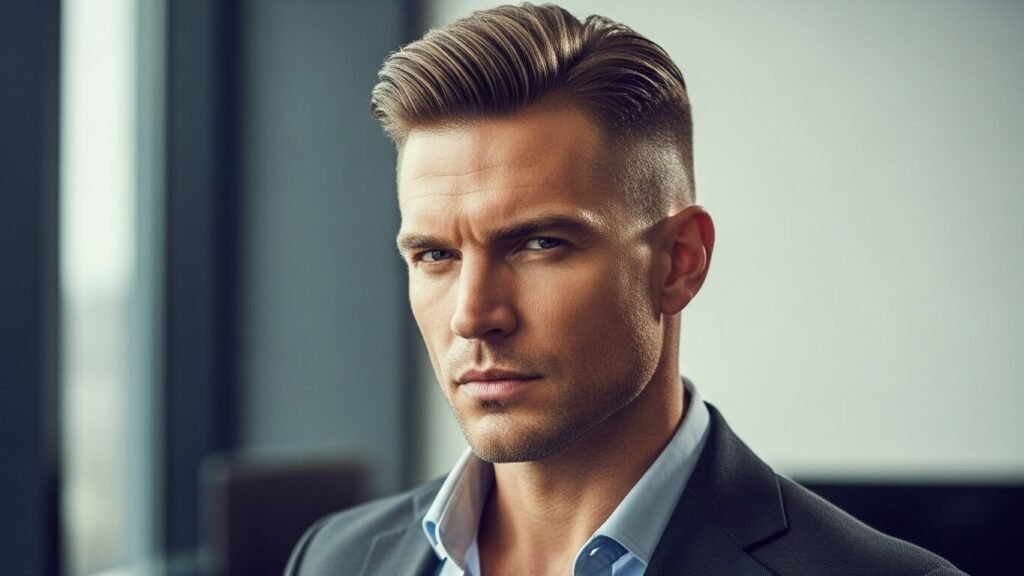
For the ultimate in simplicity, nothing beats the Buzz Cut. It is military-inspired and inherently masculine. It suits men with strong facial features.
- The Buzz Cut: This style requires zero styling. It is built for men with a packed calendar. It looks polished on strong face shapes. This is a no-nonsense approach to grooming.
- The Buzz Cut with a Twist: You can personalize this minimalist look. Add a skin fade or incorporate subtle coloring. This creates added dimension. The professional barber often uses clippers to achieve a crisp finish.
- High and Tight: This cut is the embodiment of no-nonsense masculinity. It features short sides that fade high up the head. It is a very conservative business cut.
Textured and Forward-Flowing Crops
These styles use texture and volume to create a rugged yet polished aesthetic. They are popular among younger corporate guys. They allow for a more playful feel while remaining work-appropriate.
The French Crop and Textured Crop
These cuts are timeless short haircut options. They are great for men with thinning hair as they pull focus forward.
- The French Crop: This style has a blunt fringe and textured top. It is a low-maintenance vibe with an edgy feel. The longer fringe adds visual interest.
- The Textured Crop: This cut is easy to maintain. Keep the top around 2-3 inches. Style with matte clay or paste for a lived-in look. Your professional barber uses point-cutting or texturing shears for the choppy look.
The Short Brush Up
This style combines controlled lift on top with clean-cut sides. It is great for a sharp look with minimal upkeep. It focuses on controlled volume.
- Styles: The Short Brush Up with Low Taper Fade/Tapered Sides works well. You can use a comb for definition. Or use your fingers for a softer, more approachable side. Add texturing shears for movement. A small amount of lightweight pomade holds the look.
Low-Maintenance and Beard Pairings
Many men in high-intensity roles pair short hair with a beard. This pairing looks deliberate and mature.
- Low-Maintenance Short Hair with Beard: This look is perfect for established businessmen. The trimmed beard sharpens the jawline. It helps you look instantly put-together. It is a great way to skip constant barber visits. You can pair it with a stubble beard for a rugged finish.
These short cuts offer precision and practicality. They keep you looking sharp in the workplace. Next, we will move on to the more sculpted, classic styles.
| Style | Best For | Key Feature | Styling Product |
| Buzz Cut | Busy Professionals, Strong Face Shapes | Zero Styling, Minimal Upkeep | None (or light wax for shine) |
| Ivy League | Conservative Workplace, Straight/Wavy Hair | Side-swept parting, Tapered Sides | Styling Cream, Light-Hold Gel |
| French Crop | Men with Thinning Hair, Younger Corporate Guys | Blunt Fringe, Textured Top | Matte Clay, Paste |
| Crew Cut | High-Intensity Roles, Low-Maintenance Vibe | Uniform Short Length, Versatile | Matte Clay, Pomade |
Classic Flow: Pompadours, Quiffs, and Comb Over Styles
We now move from the strict short cuts to styles that demand more length and careful shaping. These are the executive cuts. They are the classic looks that rely on deliberate structure and refined technique. They project confidence and sophistication.
The Comb Over and Defined Part Styles
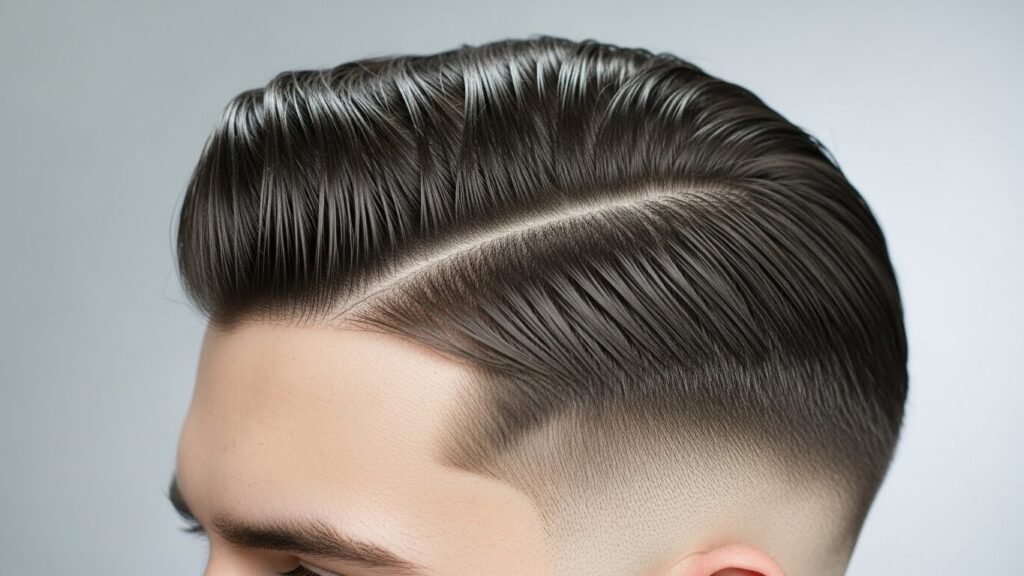
The comb over remains a staple in the workplace. It is a traditional style that has been expertly updated with modern fades. It balances a conservative feel with sharp details.
The Core Comb Over with Fade
The standard professional men’s haircut for many years has been the comb over. It uses a clear side part and sweeps the hair across the head.
- Classy Comb Over with Taper Fade: This is a fantastic business cut. It balances volume and refinement. The taper fade on the sides provides a sharp, clean finish.
- Comb Over Fade: This style is simple and stylish. It uses clean edges and polished shine. It keeps the hair flowing smoothly from a deep part.
- Long Comb Over: This option works for longer hair. It blends a sleek and timeless appeal with impressive fullness. It requires more product for an all-day hold.
Defined Parting Techniques
The way you create the part is critical. It defines the look’s intensity.
- Hard Side Part with Low Taper Fade: This style is dapper and meticulous. It features a line shaved into the part using clippers. This meticulous clipper work creates a visually voluminous top.
- Combover with Side Part: This is the quintessential classic hairstyle. It has made a strong revival. It offers a polished yet effortless vibe, perfect for formal and casual Fridays.
The Quiff and Pompadour
The quiff and pompadour are about elevation. They use height and lift to elongate the face. This makes the wearer look mature and confident.
The Quiff
The quiff remains a perennial favorite. It combines upward lift with a softer, textured top.
- Classic Quiff: This look requires you to blow dryer the hair up from the crown. It provides lift and height without appearing stiff.
- Textured Modern Quiff: This is a gentlemanly style that exudes charm. It uses wax or lightweight pomade on damp hair. You tousle it with your fingers for a natural flow.
- Faded Quiff: The Textured Quiff with Low Taper Fade is a snazzy, put-together look. The fade provides clean edges beneath the lifted hair.
The Pompadour
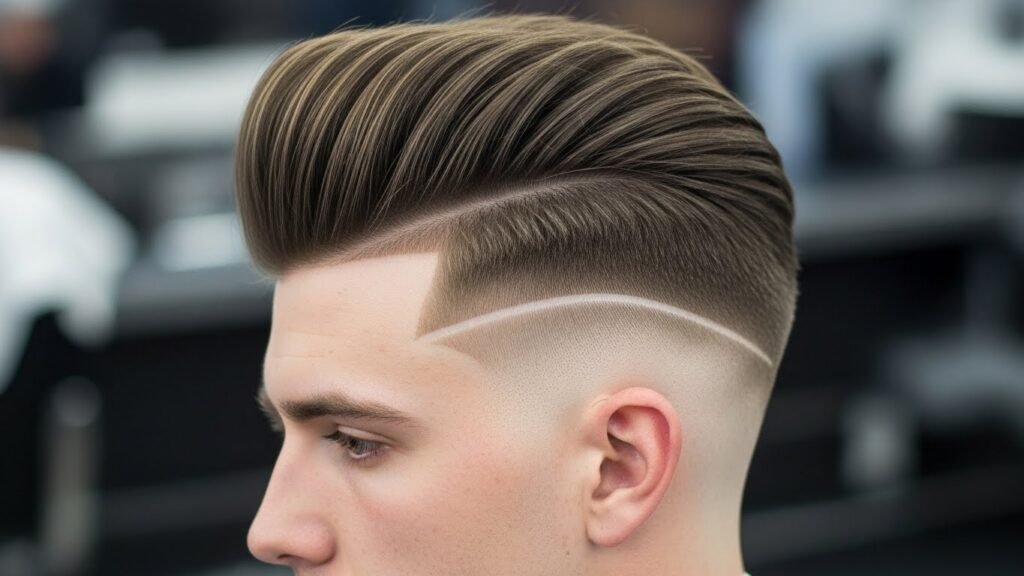
The pompadour is highly structured. It requires dedication to daily styling. The results, however, are undeniably attractive.
- Short Pompadour: This is a contemporary take. It offers volume on top while keeping the sides clean. It is excellent for client facing roles.
- Textured Pompadour Fade: This style features crisp lines and impeccable transitions. The hair flows upward and curves slightly back.
- Modern Pompadour Fade: This cut is highly polished. It often uses a high-shine, high-hold product for a traditional wet look.
Slick and Sleek Looks
The slick back is a clear signal of control and discipline. It is an elegant look often favored for high-profile events.
The Classic Slick Back
This cut creates a strong, poised image. It requires using a fine-toothed comb and a strong-hold matte pomade or gel.
- Styling: Hair is pulled back tightly from the front to the nape of the neck. This showcases the facial features.
The Slick Back Undercut
This style blends rebellion with polish. It provides strong contrast.
- The Slick Back Undercut: It is flexible and handsome. The undercut on the sides removes bulk, adding structure. The long top can be worn in a loose texture or pulled back tightly.
Fade Variations
Fades modernize the slick back, giving it a contemporary edge.
- A Slick Fade: This look is sharp and professional. The seamless fade blends smoothly into the longer hair on top.
- Comb Back with Mid Skin Fade: This cut exudes authority despite its low-maintenance requirement. The fade is subtle but sharp.
- Brush Back with Mid Skin Fade and A Beard: This is a bolder alternative. The hair flows up and back, quickly fading to the skin. This works well with a trimmed beard.
These classic cuts are perfect for climbing the career ladder. They prove that attention to grooming is a priority. Now, let’s explore how to manage natural textured hair.
| Style | Key Intent | Top Length | Side Treatment |
| Comb Over | Refinement, Traditional | Medium (2-4 inches) | Taper or Fade |
| Pompadour | Volume, Dramatic Lift | Long (4-6 inches) | Fade or Undercut |
| Slick Back | Authority, Sleekness | Medium to Long | Undercut or High Fade |
| Quiff | Sophistication, Soft Lift | Medium (3-5 inches) | Taper or Fade |
Embracing Natural Texture: Curls, Waves, and Volume
Many modern businessmen have curly hair or wavy tresses. These styles show that you can embrace your personality while maintaining a sharp work-appropriate appearance. The key is using clean fades on the sides to provide essential structure.
Curly Hair Cuts
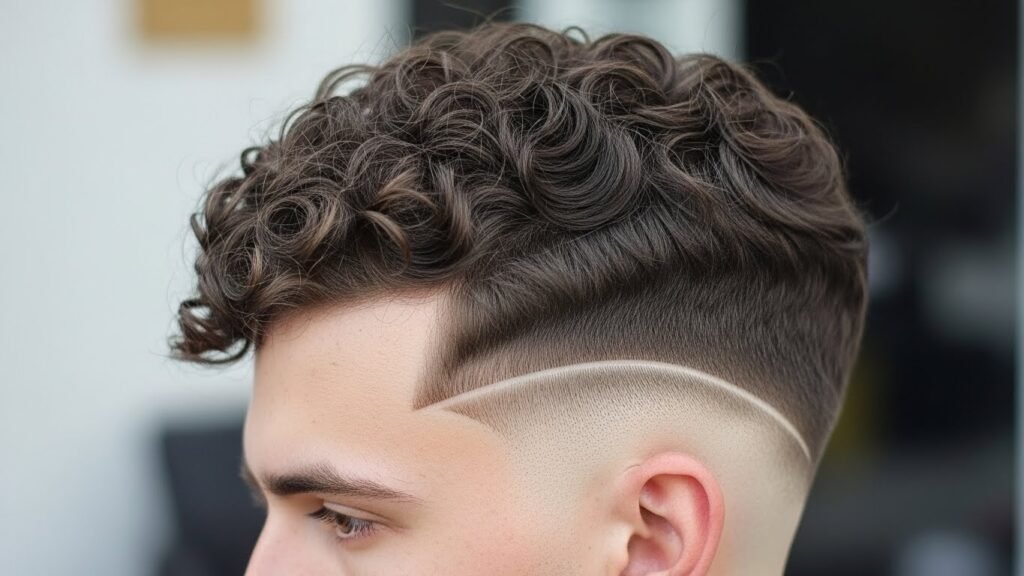
For men with tight curl patterns, the goal is definition and control. Regular trims are essential here.
Short and Managed Curls
Keeping curls short and neat is the easiest route. This provides a simple hairstyle that is easy to manage.
- Styles: These cuts often use scissor-cut sides instead of clippers. This results in a softer transition.
Faded Curly Styles
Fades bring precision and a contemporary edge to voluminous curls.
- Curly Taper Fade: This is a perfect fusion of natural texture and clean lines. The fade starts low and blends seamlessly into the curls on top. Use curl cream or a leave-in conditioner to prevent frizz.
- Long Curly Hair Fade: This style keeps significant volume on top. The fade creates a neat, polished look that contrasts the long layers. This is a stylish choice for men with thick curls.
Afro and Coiled Hair
These styles embrace the natural coil of the hair.
- Short Afro Curly Fade: This cut is chic and well-groomed. The fade at the sides and back exemplifies refinement. It is a strong business cut that respects natural hair.
Loose Curls
Loose curls offer more movement and a relaxed feel.
- Loose Parted Curls: This style blends natural texture with sophistication. It offers a classy look that balances structure and flow.
- Loose Messy Curls: This style is sometimes associated with entrepreneurs. It highlights a wild side but requires a good conditioning routine to prevent unkempt waves.
Wavy and Flowing Styles
Natural waves offer incredible versatility. These cuts emphasize natural flow and fullness.
The Bro Flow / Natural Flow

This is the ultimate laid-back, yet polished style. It suits men who want minimal daily styling.
- The Bro Flow / Natural Flow: This look allows the hair to air dry naturally. Use a light-hold gel or styling cream to define the waves. This gives an effortless vibe.
Directional Waves
You can use styling techniques to give waves shape and purpose.
- Brushed Forward Waves with Tapered Sides: This creates a more playful look. The waves fall forward, often creating soft bangs. The tapered sides keep the look clean.
- Brushed Back Waves: This technique uses a blow dryer and brush to sweep the hair back. It creates a sophisticated appearance, especially when paired with a clean-shaven face.
Professional Fringe Styles
A strategic long fringe can add personality while keeping the cut work-appropriate.
- Long Fringe with Taper Fade: This offers fresh graduates a youthful look. The fringe is typically swept to the side.
- Curly Fringe: This style shows off a natural curl pattern in a bold way. It adds dimension and character.
- Thick Curly Fringe with Mid Taper Fade: This style uses a mid taper fade for contrast. It brings structure to thick, textured hair in the front.
Medium-Length and Statement Styles
These cuts offer the most versatility. They are perfect for the business-oriented guy who wants a unique aesthetic.
Layered, Shaggy, and Mod Styles
These looks prioritize texture, layers, and a youthful appearance. They use texturing shears heavily.
- The Mod Cut: This style is understated and refined. It carries a youthful energy reminiscent of the 1960s-inspired look.
- Shaggy and Layered Looks: These cuts emphasize layers brushed forward from the crown.
- Posh Shaggy Haircut: Great for confident go-getters. It features heavy layers and messy styling.
- Medium Shaggy Hair and Thick, Messy Hair: These offer an authentic, boyish style. They are approachable side looks that still feel business-savvy appeal.
| Style Focus | Key Outcome | Hair Type | Styling Commitment |
| Curly Taper Fade | Defined Curls, Sharp Sides | Tight Curls/Coils | Medium (Product application) |
| Bro Flow | Effortless, Natural Volume | Wavy/Straight | Low (Air Dry, Light Cream) |
| Posh Shaggy | Artistic Vibe, Layered Fullness | Thick, Medium Length | Medium (Texturizing/Scrunch) |
| Curly Fringe | Youthful Look, Bold Texture | All Curl Patterns | Low (Curl Cream, Diffuser) |
Bold Statements, Long Hair, and Professional Grooming
Finally, we deliver essential grooming and styling advice. This section ensures the businessperson has all the knowledge needed to maintain a polished, attractive look.
Edgy and Contemporary Cuts
These haircuts push the boundaries of work-appropriate fashion. They require confidence.
- Messy Medium Hair with Undercut: This is a daring cut. The longer, loose texture on top contrasts sharply with a clean undercut. It is a strong statement for those raising capital or in creative fields.
- The Faux Hawk Fade: This style combines edgy youthfulness with modern refinement. The central strip of hair adds vertical dimension. A chic and upscale personality can pull this off easily.
- The Modern Mullet: This cut is all about balance. It features sharp fades on the sides. The back is longer and layered, giving a rebellious spirit. It avoids the unkempt version of the past.
Long Hair Management for the Office
Long hair can be work-appropriate if managed correctly. The key is keeping the hair off the face and neck.
- The Man Bun: This is the simplest option. It blends sophistication with a hipster edge. The man bun or topknot keeps the tresses neat and tidy for the formal office.
- Center Part with Long Flow: This style offers a bold, retro look. It works best for men with straight or slightly wavy hair. It frames the face and highlights the facial features.
- Ear Tucked Part: This is an easy to manage look. The hair is simply tucked behind the ears. This provides a clean profile.
Styling and Grooming for a Competitive Edge
A great haircut is only half the battle. Consistent grooming is vital for the mature professional. It helps maintain the youthfulness of any style.
The Impact of the Fade and Taper
Fades and tapers are fundamental to modern men’s haircuts. They provide necessary structure.
- The Natural Fade: This is a gradual taper. It blends effortlessly into the longer hair. This creates an authentic, relaxed style.
- Low-Maintenance Short Hair with Beard: This classic combination is instantly put-together. The clean taper fade on the sides sharpens the look. This contrasts nicely with a trimmed beard.
Looking Younger with Your Hairstyle
Your haircut can contribute to a rejuvenated look. Focus on styles that lift the face.
- Key Focus: Hairstyles that emphasize clean lines, volume, and texture.
- Actionable Tips:
- Shorter sides with volume on top (Quiff/Pompadour) help lift the face.
- Textured cuts soften harsh features.
- Clean fades provide a fresh, sharp look.
- Avoid overly long styles if you have thinning areas.
Product Selection and Routine
The right product choice makes all the difference in achieving precision.
- High-Hold, High-Shine: Use these for classic, slick back, and high-pompadour looks. They provide maximum structure.
- Matte Pomade/Clay/Wax: Ideal for textured quiff, French Crop, and tousled styles. It gives a matte finish and dimension.
- Curl-Enhancing Products: Use curl cream or anti-frizz serum to tame flyaways and define curl pattern. This is essential for curly hair taper.
Popular Business Professional Men’s Haircuts Summary
We have covered the spectrum of professional men’s haircuts. The choice depends on your personality and your company’s workplace culture.
- Versatile, Elegant, and Flattering: The most reliable styles are the Comb Over, Textured Quiff, and the Ivy League. They offer sophistication and minimal maintenance.
- Business-Oriented professionals, from digital marketer to software engineer, can find a look here. The key is a clean appearance, regular trims, and choosing products that match the desired finish—high-shine for formal, matte finish for casual.
Choosing a classy and modern style is a crucial step toward personal and career success. Get to know your professional barber and invest in your grooming routine. This simple step can greatly enhance your confidence.
Specialized Solutions for Common Hair Challenges
To achieve a truly polished and professional look, you must conquer specific hair issues that standard cuts alone cannot fix. These details separate the simply groomed from the meticulously managed.
Addressing Hair Loss and Thinning Hair
While texture and volume can disguise thinning, targeted strategies offer the best defense against visible hair loss.
Managing the M-Shaped Hairline
A receding hairline often begins at the temples, forming an ‘M’ shape. Instead of fighting it, use short, textured styles that bring focus forward.
- Forward Sweep: Use a matte finish product to push the hair at the front forward and slightly to the side. This creates an intentional, textured look that covers the corners.
- The Power of Short: Keeping the sides very short (a tight taper fade) and the top just long enough for texture minimizes the contrast between the thick and thin areas, maintaining a clean appearance.
Utilizing Thickeners and Hair Fibers
For increased fullness, busy professionals can use cosmetic aids. These products are discreet and effective for adding dimension.
- Application: Apply hair fibers to the scalp where the hair is sparse. They cling to existing hair strands, making them look thicker hair.
- Professional Use: Ensure a light application. The key to a professional look is that the product is completely undetectable, adding confidence subtly.
Overcoming Specific Hair Quirks
Every hair type presents unique challenges, from uncontrollable movement to fine texture.
Taming the Troublesome Cowlick
Cowlicks are patches of hair that grow in a spiral pattern, resisting all styling attempts, especially in short cuts.
- Strategic Length: If the cowlick is at the crown or the front, grow the hair over it slightly. The added weight will help pull it down, making it more manageable.
- Barber Collaboration: Ask your professional barber to use point-cutting or deep notching shears at the cowlick’s root. This reduces the hair’s bulk and encourages it to lie flatter.
Styling Fine and Coarse Hair
Different textures require distinct approaches to product and cutting.
- Fine Hair: Avoid heavy pomade or gel, which weighs the hair down. Use volumizing mousse or powder when blow-drying to maximize lift and volume. This is crucial for men who want a youthful look.
- Coarse, Straight Hair: This hair can look stiff and stick out when cut too short. Request a scissor-cut or a soft natural fade to maintain a bit of softness at the sides, avoiding a harsh, military-like finish.
Comprehensive Guide to Facial Structure and Styling
To achieve your best self, your haircut must complement your facial features. Matching your style to your face shape is key to sophistication.
| Face Shape | Characteristics | Flattering Styles (Goals) | Styles to Approach with Caution |
| Oval | Well-proportioned, balances easily. | Versatile; most styles work. Textured Quiff or Comb Over (adds structure). | Heavy bangs or long fringe that covers the forehead. |
| Round | Width and length are nearly equal; needs height. | Pompadour or Brush Up (adds height). High and Tight or Slick Back Undercut (adds verticality). | Full Curly Fringe or medium-length styles that add width. |
| Square | Strong jawline, sharp angles; needs softening. | Classic Crew Cut, Textured Crop (softens angles). Loose Messy Curls (adds a relaxed feel). | Styles that are too angular or sharp fades that exaggerate the jaw. |
| Oblong | Longer than it is wide; needs width/reduced height. | Side Swept Ivy League (reduces vertical lift). Medium Shaggy Hair or Center Part (adds width). | Extreme height (tall Pompadour or Quiff) or any cut without volume on the sides. |
| Diamond | Wide cheekbones, narrow forehead/jaw; needs fullness at the temples. | Long Fringe with Taper Fade (adds width to the forehead). Bro Flow (fullness at the sides). | Very short sides (high fade) which emphasize the width of the cheekbones. |
Managing Color and Gray in the Professional World
Hair color, especially graying, impacts perception and maturity. Managing it professionally maintains a crisp, well-groomed aesthetic.
The Silver Fox Look
Gray hair, when cared for, adds distinguished charm. It suits established businessmen.
- Preventing Yellowing: Gray hair can absorb yellow tones from the environment or product buildup. Use silver or purple-tinted shampoos once a week to maintain a cool, bright tone.
- Sharp Lines: Keep the cut extremely neat. Pair gray hair with a tight taper fade and a clean side-swept look. The precision of the cut prevents the hair from looking dated or unkempt.
Discreet Coloring and Blending
For men who want to reduce the prominence of gray hair without a noticeable dye job, blending is the answer.
- Gray Blending: This technique subtly colors some of the gray hairs to match the natural color, creating a salt-and-pepper effect. It avoids the “shoe polish” look of full coloring. It provides a subtle, rejuvenated look.
- Professional Advice: Consult a stylist (not a barber) for blending, as this is a chemical service requiring expertise. The goal is always natural flow.
Expert Barbershop Communication and Maintenance
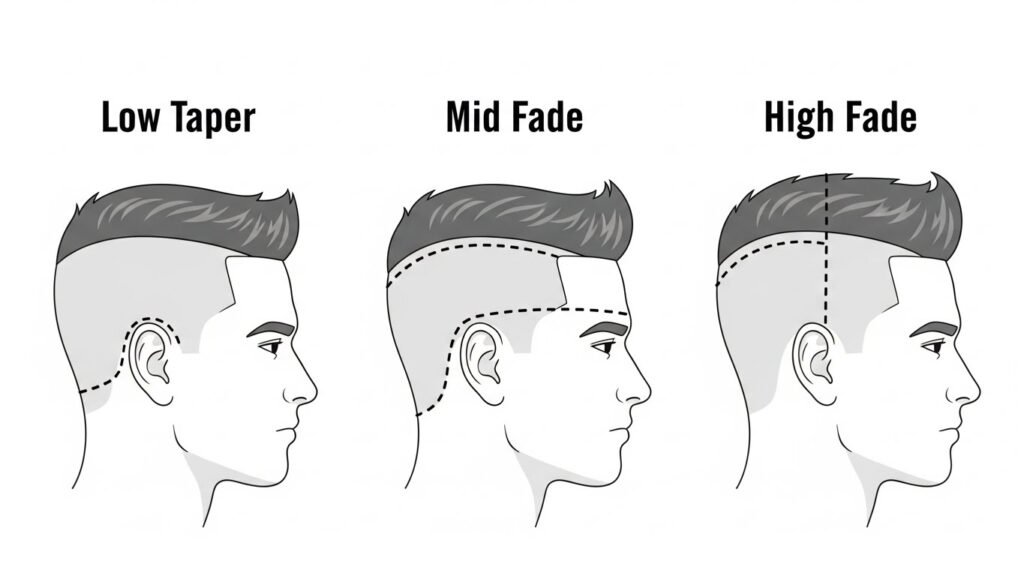
The key to consistently great hair is clear communication with your professional barber. This also maintains the integrity of your investment banker or lawyer image.
Speaking the Barber’s Language
Know the terminology to ensure you get the cut you want, especially regarding the sides.
- Taper vs. Fade: A taper is a gradual reduction in hair length, typically near the ears and nape of the neck, without going down to the skin. A fade is a more aggressive transition, often going down to the skin (like a skin fade). Be specific about where you want the fade to start (low, mid, or high).
- Clipper Guards: If you want consistency, learn your guard numbers (e.g., “a number four on the sides, blended up”).
Maintaining the Look and Transitioning Styles
Consistency is critical for busy professionals who need to look sharp all the time.
- Regular Trims: Short, structured cuts like the Crew Cut and Ivy League need a trim every 2–3 weeks. Longer, textured cuts can go 4–6 weeks. Mark your calendar to reduce styling frustration.
- Growing Out an Undercut: The hardest part is growing the short sides to match the long top. Ask your barber to start blending the top section down into the sides using point-cutting and layered techniques. This keeps the growing hair from sticking out awkwardly.
Conclusion: Your Ultimate Grooming Strategy for Success
We have explored the vast landscape of professional men’s haircuts, from the tight precision of the Crew Cut to the flowing sophistication of the Bro Flow. The overarching goal is clear: your hairstyle is a critical piece of your professional attire. It projects confidence, competence, and attention to detail—qualities essential for any businessperson or corporate leader.
Key Takeaways for the Modern Businessmen
Choosing the right cut goes beyond simple aesthetics; it’s a strategic decision that supports your career trajectory.
- Structure is King: Whether you opt for a Pompadour or a Textured Crop, clean lines on the sides (via taper fade or tight low-fade) are non-negotiable for a work-appropriate look.
- Embrace Your Texture: Don’t fight your natural curl pattern or wavy tresses. Styles like the Curly Taper Fade and Natural Flow celebrate individuality while maintaining refinement. Use specialized products like curl cream or matte clay to enhance dimension and fullness.
- Grooming is Ongoing: Success requires more than just a fresh cut. Invest in quality products—whether it’s high-hold pomade for a slick back or volumizing mousse for a modern quiff. Regular trims (every 3–4 weeks) and clear communication with your professional barber are essential for consistency.
By applying these principles—matching your style to your facial features, managing common hair quirks, and maintaining a meticulous routine—you ensure that your first impression is always strong and memorable. Your hair is an asset; manage it strategically to maximize your success in the workplace.
Frequently Asked Questions (FAQs) About Professional Men’s Haircuts
How often should I wash my hair to maintain a professional style?
You should aim to wash your hair two to three times per week. Washing daily can strip your hair and scalp of natural oils, leading to dryness and lack of volume, which makes styling harder. On non-wash days, use a rinse to refresh or a dry shampoo for quick cleanups.
What is the difference between an Undercut and a Taper Fade?
A taper fade is a gradual reduction in hair length, typically near the ears and nape of the neck, that keeps some length throughout. An undercut is a drastic, uniform length cut around the sides and back, often done with clippers on one short setting, leaving a sharp, disconnected contrast with the longer hair on top.
Should I get a blocked or tapered neckline for a business cut?
A tapered neckline is generally preferred for a business cut. It follows the natural hairline and blends the hair length into the skin smoothly. A blocked (or squared) neckline looks sharper initially but can grow out looking untidy faster, requiring more frequent touch-ups.
How can I make my fine hair look thicker and more voluminous for the office?
Ask your barber for a short, layered cut like the textured crop or a short quiff. Use pre-styling products like sea salt spray or volumizing powder on damp hair before blow-drying. Always blow-dry the hair against the natural direction of growth to force volume at the root.
Are coloring or highlights acceptable in a conservative workplace?
Yes, but they should be subtle. Avoid platinum, neon, or stark black. If you want to cover gray, opt for “gray blending” which is a demi-permanent color that subtly reduces gray rather than eliminating it entirely, offering a natural, more youthful look.
How do I stop my hair from getting greasy halfway through the workday?
Greasy hair is often caused by over-washing, which signals the scalp to produce more oil. Try reducing washing frequency and using dry shampoo directly on the roots in the morning. Avoid touching your hair, as this transfers oil from your fingers.
What is the best way to maintain my hairstyle while sleeping?
For short and medium styles, a simple silk or satin pillowcase can reduce friction, minimizing “bed head” and preventing hair breakage. For longer hair or slicked-back styles, loosely wrap your hair in a silk scarf to maintain the shape overnight.
I have a round face. What cuts should I avoid?
Avoid cuts that add volume or width directly to the sides, such as wide, mushroom-shaped styles or blunt-cut fringes that cover the forehead. These will make your face appear rounder. Focus on styles that add vertical height, like a tall Pompadour or a high skin fade to elongate the face.
What is the ideal neckline length for a professional Man Bun?
The ideal neckline for a professional man bun is generally a tight taper or a clean, straight edge (blocked) with no stray hairs. This ensures the back of the neck looks crisp and tidy, contrasting well with the volume of the bun.
What is the best product for a ‘natural look’ that still holds the shape?
Look for a matte-finish clay or a pliable paste. These products offer a firm hold without the high shine of traditional pomades, creating a defined but effortless, low-key aesthetic that suits many corporate environments.
How do I grow out my haircut gracefully when transitioning to a longer style?
The most challenging part is the “awkward phase.” Get trims every 4–6 weeks, focusing primarily on cleaning up the back and sides while leaving the length on top. Your barber can use point-cutting to remove weight and blend the corners, ensuring the hair doesn’t stick out.
Can I wear my hair product-free in a formal setting?
While some naturally wavy or curly styles (like the Bro Flow) can look good product-free, a formal setting often demands more control. Even a light leave-in conditioner or anti-frizz serum helps tame flyaways and adds structure, demonstrating intentional grooming.
What is the ‘shears over comb’ technique, and why is it used?
Shears over comb is a fundamental barber technique where the hair is lifted by a comb and cut precisely with scissors. It’s used to achieve softer, more natural transitions than clippers, especially when blending long hair or creating a soft taper for a conservative business cut.
How can I make my silver/gray hair look sharp and avoid dullness?
Use a specialized silver or purple toning shampoo once a week. Gray hair tends to become dull or yellow due to mineral deposits and sun exposure. The toning shampoo neutralizes these brassy tones, keeping your silver hair bright and sharp, enhancing the “silver fox” look.
How do seasonal changes affect professional styling?
In humid summer months, use anti-frizz serum and slightly stronger holding products to prevent styles from collapsing. In dry winter months, focus on scalp health, using moisturizing shampoos and conditioners, as static electricity can make fine or dry hair unmanageable.
