


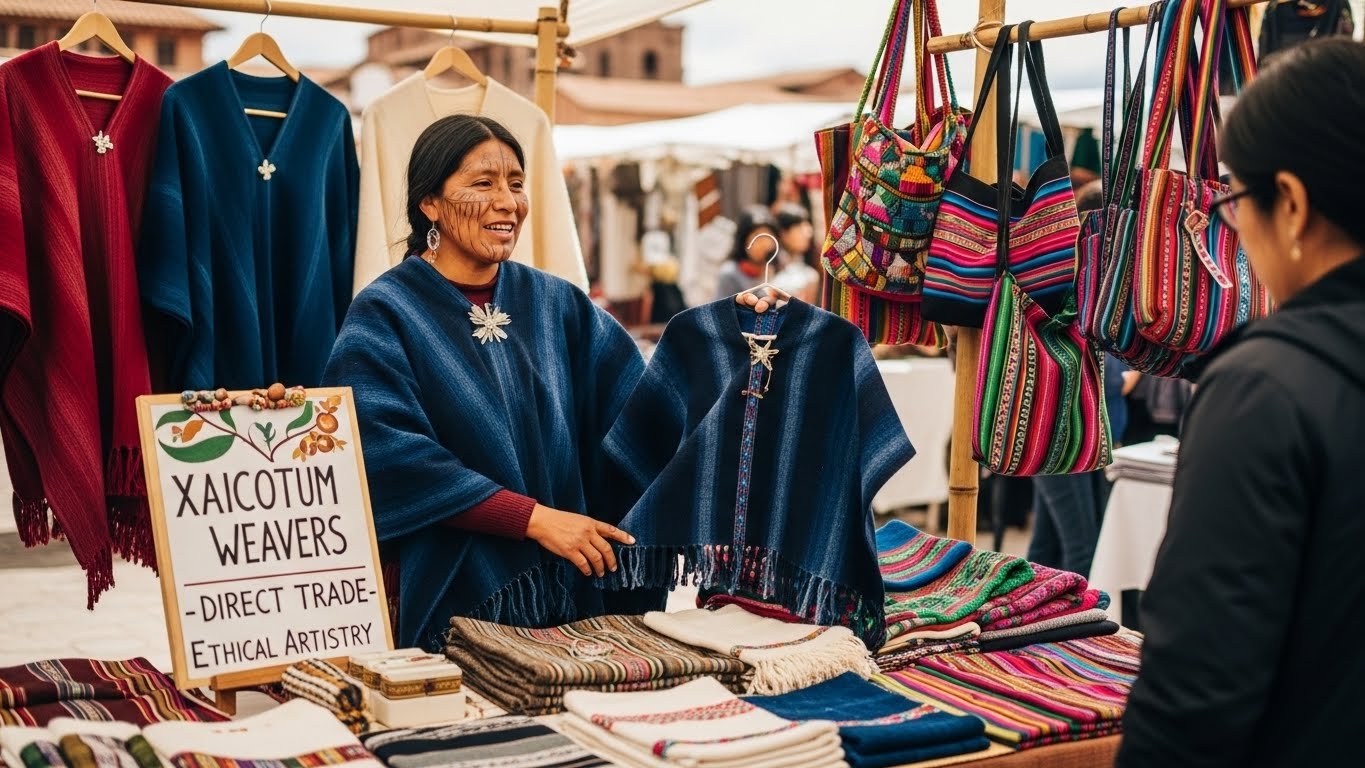
Xaicotum is more than just a word; it’s a powerful key unlocking centuries of cultural depth. This remarkable tradition, whether viewed as a vibrant celebration or an intricate textile, holds deep significance for countless people. It is a living tapestry woven from history, tradition, and strong community spirit. The moment you begin exploring Xaicotum, you realize its importance. This cultural event and artifact acts as both a reflection of the past and an evolving symbol of identity. From its ancient roots to its place in modern fashion, Xaicotum brings people together through shared experiences and values. Understanding this tradition is essential for appreciating the artistry and resilience of indigenous peoples.
Deep Dive into the Origins and Historical Evolution of Xaicotum
The history of Xaicotum is long and fascinating, tracing back to ancient civilizations. Its story is deeply intertwined with the development of indigenous cultures in Central and South America. This unique tradition has been an integral part of their identity for centuries. The artistry involved in Xaicotum speaks volumes about the communities that nurtured it.
The Ancient Roots and Emergence

The origins of Xaicotum are firmly rooted in ancient weaving traditions. These practices began long before European colonization changed the continent. The techniques for creating Xaicotum were passed down through generations, preserving artistry and heritage.
The earliest known examples of woven textiles date back over a thousand years. Archaeologists have discovered remnants in ancient burial sites. This suggests the fabrics held value far beyond just being functional items. Historically, Xaicotum was much more than a simple textile or celebration. It was a crucial rite of passage for many individuals.
It offered an opportunity for individuals to connect with nature and their ancestral spirits. Early practitioners engaged in essential rituals that honored the changing seasons and the cycles of life. The practice was fundamental to their spiritual and social understanding.
Historical Development and Influences
As oral traditions continued, stories about Xaicotum grew richer and more complex. These tales carried vital lessons about resilience, unity, and respect for the Earth. The wisdom embedded in these stories helped communities thrive over long periods.
Artifacts unearthed from archaeological sites reveal symbols associated with Xaicotum’s beginnings. These remnants include tools used in rituals and ceremonial garments. They also find offerings made to honor deities, showing how deeply the practice shaped cultural identity.
The textile has not remained static; it has evolved over time. Indigenous artisans skillfully adapted their designs based on available materials. They also responded to changing cultural influences while keeping the core characteristics intact. Each piece of Xaicotum tells a story. It is a direct reflection of the community’s beliefs, environment, and social structure.
Colonial encounters brought new challenges to these traditions. However, these interactions also created opportunities for cultural exchange. The introduction of synthetic dyes, for example, expanded color palettes and pattern possibilities significantly during this period. Despite these changes, traditional methods continued to thrive amidst modernization efforts. The contemporary appreciation for Xaicotum today celebrates the creativity and resilience of indigenous peoples.
Traditional Practices, Rituals, and Communal Life
The cultural life surrounding Xaicotum is rich and deeply communal. It is in the rituals and shared practices that the true spirit of the tradition shines. For traditional societies, Xaicotum is not just an item; it is an embodiment of history and identity.
The Core Ceremonies and Traditional Practices
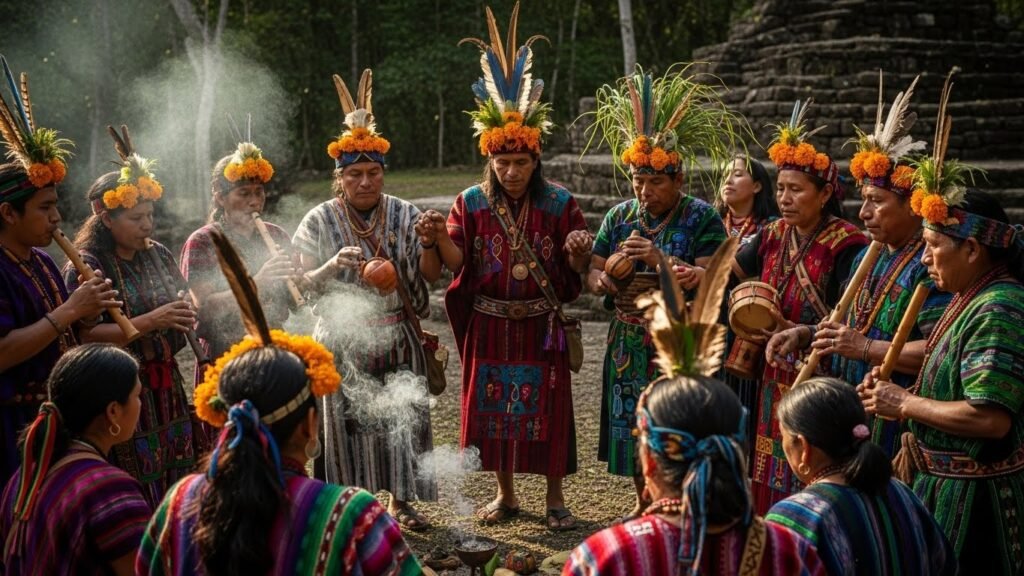
Traditional practices are firmly rooted in spirituality and community. Families gather each year to participate in ceremonies. These events honor ancestors and celebrate the continuity of life itself.
One of the most cherished rituals involves creating beautiful decorations.
- Creating Adornments: These are intricate decorations made using natural elements. Artisans use flowers and woven grasses. These adornments symbolize growth, fertility, and the essential connection to the earth.
Music also plays an extremely vital role in these gatherings. Local musicians often perform traditional songs. These melodies tell powerful stories of past generations. This process effectively binds the present celebration with history.
Food is another cornerstone of Xaicotum gatherings. Families prepare specific dishes infused with cultural significance. The recipes are passed down through time, reflecting the essence of Xaicotum’s heritage. The shared meal is an act of communal unity.
- Significance of Food: Dishes signify gratitude towards the Earth’s bounty. They highlight communal sharing as a vital aspect of harmony.
Participants also dress in colorful attire during these festivities. The clothing represents their specific lineage. This visible expression of heritage fosters pride. It also reinforces communal bonds among everyone attending the event.
Cultural Significance, Symbolism, and Meaning
Xaicotum holds a profound cultural significance. It embodies the values and beliefs of the communities. Every textile is woven with stories passed down through generations.
- Milestones and Rituals: The textiles are used in important rituals and ceremonies. Vibrant patterns signify milestones like births, marriages, or essential rites of passage.
The patterns are not random; they are rich in symbolism. These intricate motifs draw heavy inspiration from nature. They often incorporate elements like flora and fauna.
- Deciphering the Patterns and Motifs:
- Geometric Patterns: These motifs often symbolize harmony and balance within the universe.
- Curvilinear Designs: These can represent the fluidity of life. They emphasize transformation and adaptability.
- Visual Language: The patterns serve as a visual language for the community. They communicate social status, family lineage, or spiritual beliefs.
Colors also play a critical role in Xaicotum artistry. The palette is chosen intentionally to evoke specific feelings.
- The Role of Color:
- Bright Hues: These often signify joy and vitality or renewal.
- Earth Tones: These connect wearers to ancestral heritage and community roots.
- Darker Shades: These colors can represent reflection and remembrance.
Furthermore, crafting Xaicotum is often a communal activity. Families come together to share skills and strengthen social ties. This collective effort reinforces social bonds within the community. Xaicotum even plays a crucial economic role. The textiles are exchanged in trade relationships. This shows how art can foster economic connections while upholding cultural practices. The preservation of Xaicotum is vital. It helps maintain cultural diversity amidst the pressures of globalization.
The Art and Craft of Xaicotum Production
The sheer artistry behind the production of Xaicotum is truly remarkable. It is a traditional textile known worldwide for its intricate designs and vibrant colors. The creation process itself is a time-honored tradition. Artisans use techniques that have been passed down through countless generations.
Materials, Preparation, and Sustainability
The journey of Xaicotum begins with a careful selection of raw materials. Artisans primarily use natural fibers. These often include high-quality cotton or wool. The fibers are sourced from local farmers who cultivate them sustainably. This practice supports local economies and ensures excellent raw material quality.
Once the fibers are collected, they undergo a thorough cleansing process. This is done to remove all impurities. Afterward, artisans use traditional spinning wheels or hand-operated spindles to spin the fibers into yarn. This traditional method preserves the integrity of the material. It also adds a personal, handmade touch to every piece produced.
Dyeing is the next crucial step in crafting Xaicotum textiles. This stage is where the color and vibrancy are introduced. Artisans often use natural dyes for this process. These dyes are derived from various plants, minerals, and insects. This eco-friendly approach results in rich color palettes. The colors reflect both the surrounding environment and the region’s cultural traditions.
Weaving Techniques and Key Regions
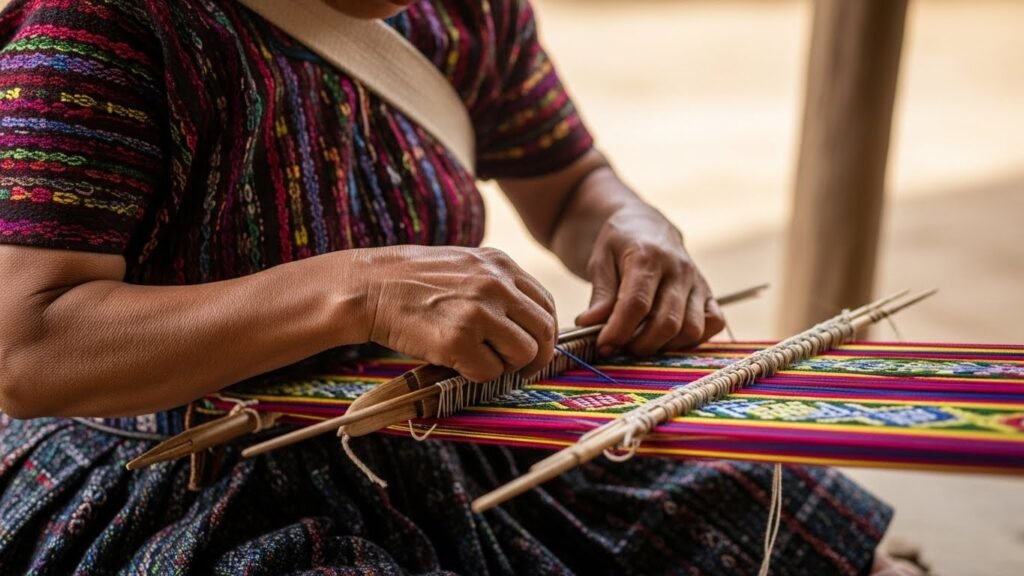
The weaving technique used to create Xaicotum can vary across different communities. However, the process generally involves using either backstrap looms or floor looms. Weavers display incredible skill, manipulating the threads to form elaborate patterns. These patterns, as discussed, tell stories unique to their heritage.
The craftsmanship involved contributes to Xaicotum’s distinct texture and durability. The final step involves finishing touches. These include trimming the edges or adding small embellishments. This completes the piece, highlighting its cultural significance.
Xaicotum production is deeply rooted in several specific regions. Each location contributes its unique touch to this textile tradition.
- Key Production Regions and Styles:
- Oaxaca, Mexico: Artisans here are known for blending ancient techniques with vibrant colors derived from natural dyes.
- Guatemala: Indigenous communities have maintained their weaving traditions for generations, resulting in intricate, story-telling designs.
- Peru: Skilled weavers in this region utilize alpaca fibers alongside cotton. Their patterns often incorporate elements inspired by nature and Andean mythology.
- Colombia: Artisans in parts of Colombia successfully combine modern influences with traditional methodologies.
Comparison with Other Traditional Textiles
Xaicotum stands out significantly among other traditional textiles. This distinction comes from its unique weaving techniques and profound cultural heritage. Unlike machine-produced fabrics, Xaicotum is handwoven. This highlights the intricate skills of the artisans.
The designs feature a rich combination of local tradition and contemporary aesthetics. This adaptability makes it appealing in various contexts.
| Feature | Xaicotum | Other Textiles (e.g., Ikat) |
| Pattern Creation | Relies on the weaver’s skill during the weaving process. | Relies on dyeing threads before weaving. |
| Sustainability | High priority; uses natural dyes and locally sourced fibers. | Varies; may not prioritize eco-friendly sourcing. |
| Significance | Integrates stories and symbols directly into the fabric. | Focus often more on regional patterns or materials. |
The cultural significance behind Xaicotum, where stories and symbols are woven directly into the fabric, is a feature less prominent in many other textile arts.
Xaicotum in the Modern World and Preserving Authenticity
The essence of Xaicotum continues to thrive, even as modern life reshapes cultural landscapes. The tradition has shown remarkable resilience. It has successfully adapted to new environments without losing its soul. This adaptability allows it to remain relevant today.
Integration into Contemporary Fashion and Design
Xaicotum has found its rightful place in modern fashion and design. It expertly bridges the gap between ancient tradition and contemporary aesthetics. Designers are incredibly drawn to its vibrant patterns and textures. They use these qualities as focal points in new clothing collections.
- Fashion: Fashion houses embrace Xaicotum for its beauty and its cultural meaning. By using this textile, brands honor artisanal skills and promote sustainable practices. This fusion creates authentic pieces that appeal to conscious consumers.
- Accessories: Accessories made from Xaicotum are increasingly popular. Items like bags, scarves, and belts add a touch of elegance to everyday outfits. They allow wearers to express an appreciation for craftsmanship.
- Home Decor: Interior designers are also utilizing the textile’s charm. Incorporating Xaicotum into items like cushions or wall hangings infuses spaces with color and character.
Modern Adaptations and Evolution
In recent years, Xaicotum has undergone a dynamic evolution. Younger generations are actively infusing contemporary elements into traditional practices. This blend keeps the culture alive and sparks wider interest.
- Social Media’s Role: Digital platforms play a pivotal role in these adaptations. Social media allows for sharing vibrant images and stories. This reaches wider audiences than ever before. Virtual celebrations have even emerged. They enable participation from those unable to attend in person.
- Embracing Sustainability: Some communities are focusing on sustainability within their rituals. Traditional crafts now incorporate eco-friendly materials. This reflects modern environmental values while still honoring ancestral techniques.
- Evolving Arts: Music and dance forms associated with Xaicotum have also evolved. New genres and styles resonate with younger participants. This creates an engaging fusion that attracts diverse crowds.
How to Identify Authentic Xaicotum
Identifying genuine Xaicotum requires a discerning eye. Buyers should be knowledgeable about traditional craftsmanship. One of the first indicators is the type of material used.
- Material: Genuine Xaicotum is typically handcrafted from natural fibers. These fibers include cotton or wool. Synthetic imitations often have a slick finish.
- Patterns: Authentic Xaicotum features intricate designs. These designs are not only visually captivating but are also deeply steeped in cultural significance. If patterns look overly uniform or machine-made, it is likely not genuine.
- Stitch Quality: Skilled artisans ensure each stitch is precise. Look for minor irregularities that indicate handmade work. Fine detailing reflects hours spent on the piece.
- Provenance: Knowing the specific regions renowned for authentic production, such as Guatemala or Oaxaca, helps with verification.
Consulting experts or reputable sellers who specialize in traditional textiles is always recommended. This ensures informed decisions are made.
Preserving Authenticity and Ensuring the Future
Preserving the cultural significance of Xaicotum in the modern, fast-paced world requires intentional effort. Communities globally recognize the crucial need to keep these traditions vibrant. They must thrive amidst rapid modernization.
The Future of Xaicotum in Sustainable Craft
The future of Xaicotum is strongly intertwined with the global movement towards sustainable craft and culture. As consumers become more conscious of ethical sourcing, traditional textiles are seeing a significant resurgence.
- Eco-Friendly Impact: Artisans who create Xaicotum often use natural dyes and locally sourced materials. This dedication minimizes the environmental impact. It also supports local economies effectively.
- Ethical Fashion: With the rise of ethical fashion, many designers are incorporating Xaicotum into contemporary collections. This bridges the gap between tradition and modern values.
- Growth Potential: Xaicotum stands as a powerful testament to how ancient traditions can evolve. By embracing both innovation and heritage, this textile has the potential to flourish in a global market that respects authenticity.
Preservation Efforts and Education
Active participation is absolutely crucial for the preservation of Xaicotum. Engaging younger generations ensures that the rich stories and rituals continue to thrive.
- Community Programs: Workshops, festivals, and community gatherings serve as essential platforms for sharing knowledge. Community programs focused on teaching Xaicotum production can foster appreciation for its cultural significance. They also equip new artisans with valuable skills.
- Digital Platforms: Social media and other digital platforms play a vital role in promoting awareness about Xaicotum’s history and values. Online discussions ignite interest and foster connections among people who share similar backgrounds.
- Intergenerational Collaboration: Collaboration between community elders and youth creates a vital bridge across generations. This exchange honors tradition while allowing for creative adaptation.
- Education: Emphasizing formal education helps deepen the understanding of Xaicotum’s roots. This ensures that future custodians fully appreciate their heritage.
Through these concerted efforts, Xaicotum stands resilient against time’s relentless march forward.
Technical and Craft Specificity
This section delves into the precise techniques that distinguish Xaicotum as a sophisticated textile art form, moving beyond the general mention of looms and materials.
Specific Weaving Structures and Techniques
Xaicotum’s iconic patterns are not accidental; they are the result of highly specific, labor-intensive weaving structures that vary by community and purpose. While the backstrap and floor looms provide the framework, the patterns themselves are achieved through advanced manipulation of the warp and weft threads.
- Supplementary Weft Weaving: This is one of the most common and defining techniques. The structural background weave is established by the primary weft threads, while an additional, non-structural weft thread is inserted only in the areas where the pattern is desired. This allows the intricate, colorful motifs to “float” on top of the base fabric, giving Xaicotum its characteristic raised, embroidered appearance.
- Brocade: Similar to supplementary weft, but often involves threads inserted using a needle or stick after the basic fabric is woven. While technically embroidery, the patterning is executed directly on the loom as the cloth is formed.
- Double Weave: Used in some regional variations, particularly for ceremonial cloths. This technique simultaneously interlaces two distinct fabrics, creating a double-sided textile where the color pattern is inverted on the reverse side. This complex structure is highly valued for its stability and quality.
- Tapestry Weave and Twill: In Andean Xaicotum traditions (often using alpaca or heavier wool), tapestry techniques are sometimes used, where the weft threads are packed so densely they completely hide the warp, creating strong, pictorial designs. Twill weaves are less common but used where a diagonal texture and greater durability are required for utility items.
Detailed Dye Sources and Processing
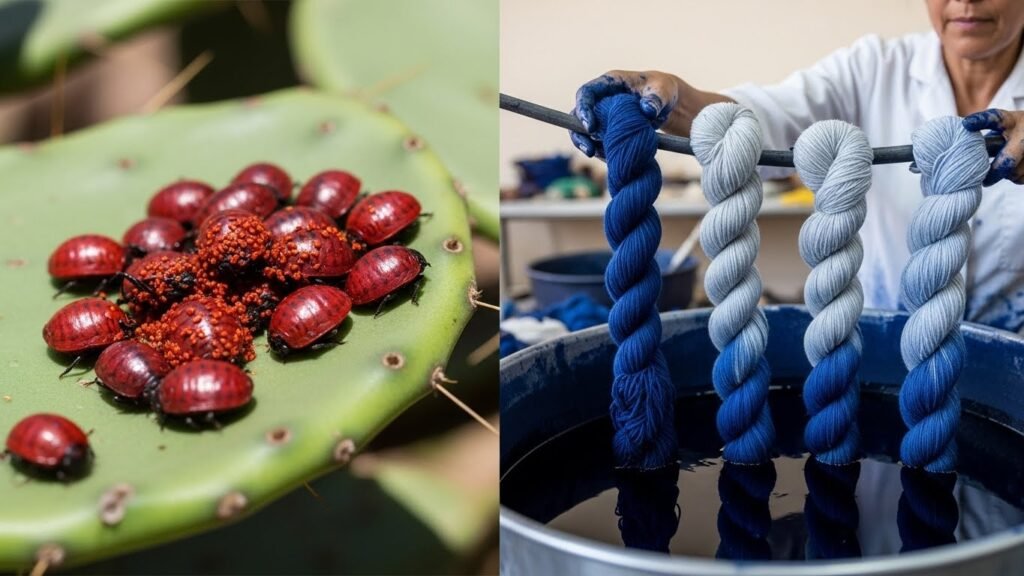
The permanence and brilliance of Xaicotum colors are a testament to the artisan’s deep knowledge of natural dyes and chemical processes, a secret passed down through generations.
- Key Dyestuffs by Color: The color palette is created using specific biological and mineral sources:
- Reds and Pinks (Cochineal): Arguably the most valuable historical dye. Cochineal is derived from small insects (Dactylopius coccus) that live on prickly pear cacti. The dried insects yield a vibrant carminic acid, producing intense crimson, scarlet, and magenta hues.
- Blues (Indigo): Sourced from the leaves of the indigo plant (Indigofera spp.). This dye requires a complex fermentation and oxidation process, where the yarn is dipped while the dye bath is colorless, and the blue color only develops upon exposure to air.
- Yellows and Golds (Pericón, Turmeric, Cempasúchil): Yellows are derived from various local flora, including the petals of the Pericón (Mexican marigold) or turmeric roots. These sunny tones are vital for representing light and the sun in traditional motifs.
- Purples (Purpura Sea Snail): Historically rare and precious, a rich purple was sometimes obtained from the secretions of the Purpura pansa sea snail, requiring coastal knowledge and specific harvesting techniques.
- The Mordanting Process: Crucial to textile durability, mordanting is the process of chemically “fixing” the dye to the fiber. Artisans use natural mordants, such as alum (derived from certain minerals) or iron (found in specific muds), and often rely on the tannic acid found in bark or leaves. Without the correct mordant, the brilliant natural dyes would wash out or fade rapidly, a critical technical detail that distinguishes authentic, heirloom Xaicotum from modern imitations.
Specific Symbolism and Cultural Context
While the article mentioned general themes of harmony and vitality, the real depth of Xaicotum lies in the specific, named motifs that function as a true visual language across distinct indigenous groups.
Named Motifs and Regional Linkages
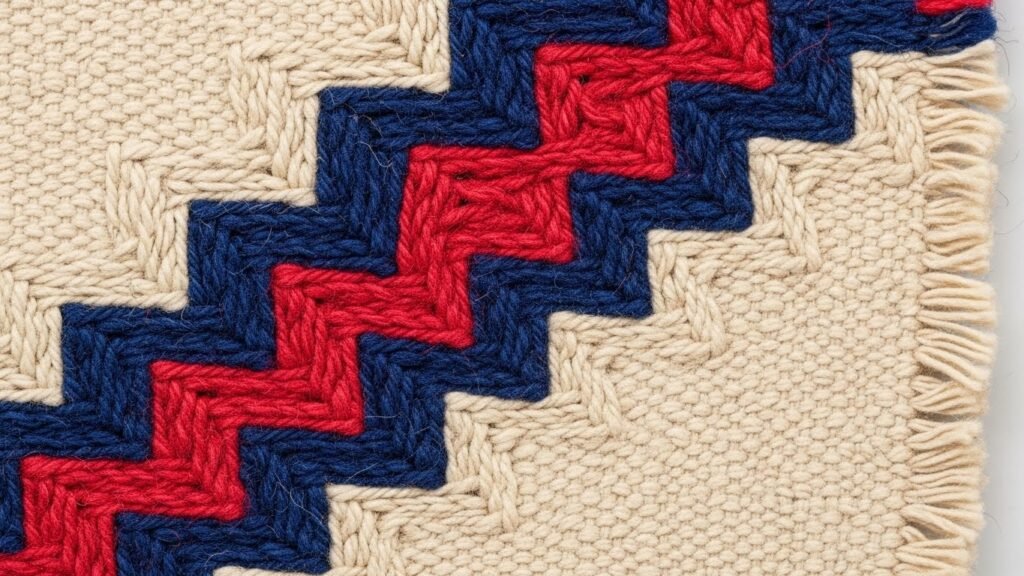
The patterns on Xaicotum textiles are highly codified, acting as a form of non-verbal communication that identifies the wearer’s community, lineage, social status, and even personal history.
- Zapotec (Oaxaca, Mexico): Zapotec weaving is known for its strong geometry. Key motifs include:
- The Greca (Stepped Fret): Symbolizes the connection between the sky and the earth, often representing ancient architecture and the journey of life.
- The Zapotec Diamond: Represents the eye of the earth or the universe, signifying spiritual protection and the cyclical nature of time.
- Animal Motifs (Coyote, Eagle): Represent the Nahual, or spiritual animal protector, specific to an individual’s birth date.
- Maya (Guatemala): Mayan Xaicotum, especially the huipil (blouse), is a veritable historical document. Motifs are often dense and pictorial:
- The Two-Headed Eagle: Represents the political and social duality and the balance required for communal harmony, looking to the past and the future simultaneously.
- The Serpent (Quetzalcoatl/Kukulkan): Symbolizes fertility, rain, and the earth’s regenerative power.
- The Maize Plant: The most vital symbol, representing sustenance, the origin of humanity, and the sacred nature of the agricultural cycle.
- Quechua (Peru/Andean Regions): Andean textiles often feature bold, geometric, and zoomorphic designs, typically woven in vibrant alpaca wool.
- The Chakana (Inca Cross): A step-pyramid motif with four corners, representing the four cardinal points, the three levels of existence (lower, middle, upper worlds), and the integration of Andean cosmology.
- Llamas and Alpacas: Symbolize wealth, sacrifice, and the crucial relationship between the highland peoples and their livestock.
Daily and Political Utility
Xaicotum’s significance extends far beyond ceremonial clothing and aesthetic items; it is historically woven into the economic and political infrastructure of traditional societies.
- Xaicotum as Traditional Currency and Barter: Before colonial currencies became ubiquitous, high-quality, densely woven textiles served as a form of portable wealth. They were a reliable commodity in traditional barter systems, exchanged for essential goods like maize, beans, or tools. The complexity of the weave determined its value, functioning as a non-monetary currency based on labor and material quality.
- Role in Dowry and Inheritance: A woman’s weaving skill, measured by the quality and complexity of the Xaicotum she produced, often determined her standing in the community and formed a substantial part of her dowry. Conversely, old textiles—especially ceremonial cloaks or blankets—were vital inheritance items, carrying the accumulated spiritual and historical weight of the family line.
- Indicators of Political and Social Ranking: Specific patterns, colors, or the sheer quantity of supplementary weaving were reserved exclusively for community leaders, elders, or members of traditional councils.
- For instance, in some villages, a certain dye color or a specific type of geometric border on a man’s garment might denote his status as a village elder or a member of the cabildo (traditional governing body), giving the textile political weight rather than just fashion.
Modern Economic and Legal Challenges
The success of Xaicotum in the global market presents a paradox: increased demand offers economic opportunity but simultaneously threatens the tradition through exploitation and cultural theft.
Fair Trade and Labor Economics
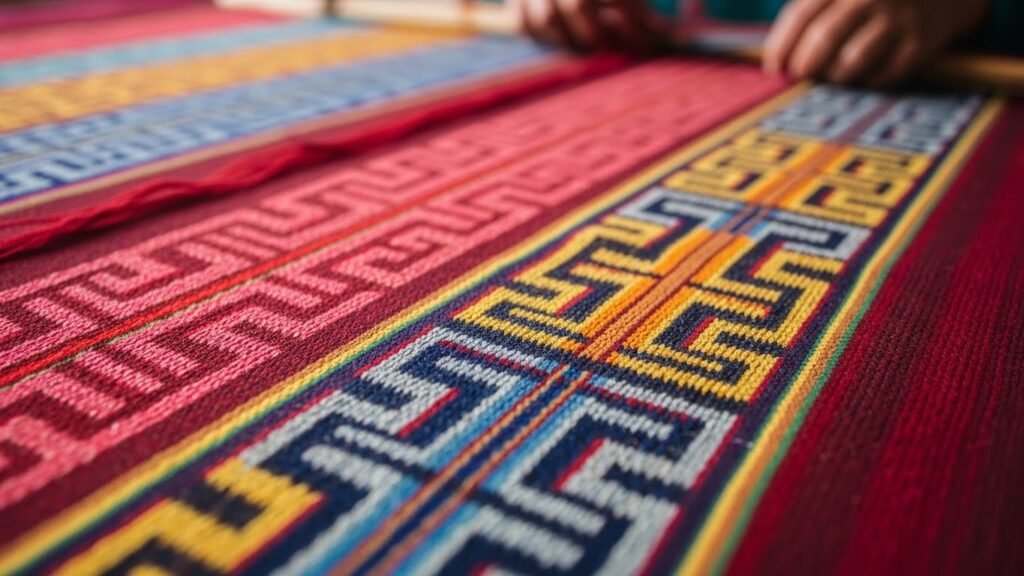
The modern textile supply chain often places Xaicotum artisans at an economic disadvantage, creating a stark contrast between the time invested and the final profit realized.
- Time Investment vs. Compensation: A highly detailed piece of Xaicotum, such as a ceremonial huipil requiring complex double-weave or supplementary weft patterns, can take an individual weaver anywhere from one month to over six months to complete. The artisan’s compensation, however, can be dramatically undercut by intermediaries.
- The Middleman Problem: When artisans sell to wholesalers or international middlemen, they often receive only a small fraction (sometimes less than 10%) of the final retail price. This structure fails to provide compensation commensurate with the skill, time, and cultural knowledge invested.
- The Rise of Direct and Fair Trade: The movement toward Fair Trade certifications and direct-to-consumer online sales has been critical in mitigating this issue. These models ensure greater price transparency and guarantee that a minimum percentage of the final sale price returns directly to the weaver. This shift is vital for supporting the economic sustainability of the craft and providing a viable livelihood for contemporary artisans.
Legal Protection and Cultural Appropriation
As Xaicotum designs gain international recognition, they face increasing risk of cultural appropriation, where large fashion houses replicate the motifs without permission, attribution, or compensation.
- Lack of Intellectual Property (IP) Protection: Traditional indigenous designs generally fall outside the scope of Western IP law, which is designed for individual, time-limited inventions, not communal, eternal knowledge. This legal vacuum allows mass-market manufacturers to easily copy motifs for high-volume, low-cost production, which directly undermines the indigenous economy.
- Efforts for Legal Recognition: Indigenous groups and their advocates are pushing for new legal frameworks. Key initiatives include:
- Collective IP and Trademarking: Efforts to register specific pattern libraries as collective property of the indigenous communities.
- Designation of Origin (DO) Laws: Similar to those used for wine or cheese, these laws would legally tie the name “Xaicotum” or specific regional variations to textiles produced within the originating communities using traditional methods. This would require external brands to either form equitable partnerships or refrain from using the term.
- Promoting Attribution and Respect: Beyond legal battles, the most powerful tool is consumer education. Highlighting the origin of the textile, naming the artist, and explaining the meaning of the pattern are essential steps in shifting market demand toward ethically sourced and culturally respectful Xaicotum.
Conclusion: Honoring a Timeless Legacy
Cultural traditions like Xaicotum hold immense importance in the modern world. They serve as a powerful bridge connecting generations. Xaicotum preserves stories and values that fundamentally shape community identities. For the communities involved, it is a vital expression of heritage.
- The Importance of Honoring Traditions: Honoring customs like Xaicotum ensures that future generations understand their roots. These celebrations bring together families and friends, fostering unity and shared experiences.
- Cultivating Respect: Recognizing the significance of cultural traditions helps cultivate respect for diversity. The richness found within each ritual contributes to a beautiful tapestry of human experience.
It is essential to support all efforts aimed at preserving these customs. Engaging with cultural practices fosters appreciation for what makes each community unique. By valuing traditions such as Xaicotum, we contribute to a legacy that transcends time. It is a legacy filled with joy, remembrance, and profound respect for all cultures. Xaicotum is truly a timeless tradition with a vibrant future.
Frequently Asked Questions (FAQs) About Xaicotum
What does “Xaicotum” mean, and what is the correct pronunciation?
The term “Xaicotum” itself is a constructed or stylized name used to represent a broad range of indigenous textiles and cultural practices. It is not an authentic indigenous word from any specific language like Nahuatl, K’iche’, or Quechua. Therefore, it does not have a formal etymological meaning. For the purpose of discussing the topic, a functional pronunciation would be approximately: [shy-KOH-tum].
How do different indigenous languages refer to their specific Xaicotum textiles?
Because “Xaicotum” is a generalized term, indigenous communities use their own specific language names for these textiles. For example:
- Maya (K’iche’/Tz’utujil): Textiles, particularly the woman’s blouse, are often called Huipil (from Nahuatl) or Po’t (in K’iche’).
- Zapotec: Woven textiles are often referred to as Gaban or Sarape (a type of blanket/cloak).
- Quechua (Andean): Textiles might be called Aguayo (a square carrying cloth) or Lliclla (a shoulder cloth).
How can a beginner distinguish Xaicotum from a similar textile like a Mola?
The primary difference is the technique. Xaicotum, in its purest form, relies on weaving intricate patterns (like supplementary weft) directly onto the fabric on a loom. A Mola (from the Kuna people of Panama and Colombia) is an art form created by reverse appliqué—cutting and layering multiple colors of fabric to create designs, which is a stitching technique, not a weaving technique.
What are the typical dimensions or sizes of common Xaicotum items?
The size varies greatly based on function:
- Huipil (Blouse): Generally square or rectangular panels, typically 60-80 cm wide and 80-100 cm long, woven in two or three panels and stitched together.
- Faja (Sash/Belt): Long, narrow strips, often 2-4 meters long but only 5-15 cm wide.
- Poncho/Sarape: Large rectangles, usually 1.5 to 2 meters long and 1 meter wide, designed to be worn over the shoulders with a central neck opening.
What is the primary difference in weaving between the backstrap loom and the floor loom in Xaicotum production?
The backstrap loom is portable and uses the weaver’s own body tension (via a strap around the back) to hold the warp threads taut. This allows for closer connection to the textile and is often used for smaller, more intricate personal items. The floor loom (or treadle loom) is a large, fixed wooden frame that uses foot pedals (treadles) to open the sheds (separate warp threads). It allows for greater width and faster production of larger items like blankets and rugs.
Is Xaicotum only made by women, or do men participate in the craft?
Weaving is traditionally gendered, but roles vary by region:
- Women are predominantly the weavers of personal and ceremonial garments (like the huipil and faja), especially on the backstrap loom, as weaving is tied to their traditional roles and cultural identity.
- Men often weave on the floor loom (treadle loom), producing larger, heavier textiles like blankets, rugs, and commercial sarapes. Men are also often the primary dyers.
Are there any specific seasonal cycles that dictate when Xaicotum is woven or dyed?
Yes, the agricultural and weather cycles heavily influence the craft.
- Dyeing is often done during the dry season when sunlight is plentiful and consistent, as many natural dyes require strong UV exposure to develop and set properly.
- Weaving often intensifies during the dry or fall/winter seasons when agricultural labor slows down, allowing artisans more time indoors to dedicate to the craft.
What historical evidence exists regarding pre-Columbian Xaicotum?
Archaeological evidence consists mainly of well-preserved textile fragments recovered from dry burial sites or caves, particularly in Peru and the Andes (Paracas, Nazca, Inca) and the Maya lowlands. These fragments confirm the use of cotton, alpaca wool, cochineal, and complex weaving techniques (like double cloth) that predate European contact.
How does the specific fiber (cotton vs. wool) change the symbolism or use of the textile?
- Cotton (Used in lowlands/Mexico/Guatemala): Cooler, finer, and used for personal garments (clothing). Symbolically tied to lightness, femininity, and everyday life.
- Wool (Alpaca/Llama, Used in Andes/Peru): Warmer, heavier, and used for outer garments (ponchos, blankets). Symbolically tied to protection, masculinity, and the high-altitude environment.
What is a “resistencia” pattern in modern Xaicotum weaving?
“Resistencia” patterns are modern designs or motifs incorporated by weavers that overtly or subtly reference struggles for indigenous rights, land rights, or cultural survival in the face of political or economic pressures. They represent a contemporary form of storytelling and political commentary woven into the fabric.
How does the complexity of the weave affect the textile’s weight?
A textile created with complex techniques like double weave or heavy supplementary weft is significantly heavier than a simple plain weave, even using the same fiber. This is because the pattern threads are essentially extra material added to the fabric, increasing its density and durability. Weight often directly correlates with market value.
What are some of the typical garments or products made from Xaicotum textiles?
The fabric is used for:
- Huipil (women’s traditional blouse)
- Faja (wide sash or belt)
- Corte (wrap-around skirt, common in Maya regions)
- Sarape/Poncho (outer cloak)
- Morral/Bolsa (shoulder bag or carrying bag)
- Rebozo (long shawl or wrap, used for carrying babies or goods)
What role does the number of panels play in a Huipil (Xaicotum blouse)?
The number of panels (typically two or three) stitched together to make a huipil can indicate the community’s tradition or the garment’s ceremonial importance. A three-panel huipil is often considered more traditional or formal, as weaving such wide panels on a small backstrap loom is extremely difficult and time-consuming.
What happens to a Xaicotum garment after a person dies?
The tradition varies, but typically, highly ceremonial or symbolic Xaicotum pieces are buried with the deceased to accompany them on their journey to the afterlife. Less sacred or heavily used pieces may be passed down to descendants as inheritance, or they may be carefully unraveled to reclaim the valuable yarn.
What is the biggest threat to Xaicotum’s long-term sustainability?
The biggest threat is the competition from mass-produced, chemically-dyed fabrics and machine-made imitation designs that flood local markets at unsustainable low prices. This forces younger generations of weavers away from the craft due to poor financial returns, leading to a loss of the intricate, multi-generational knowledge required to produce authentic pieces.
Does the “mistake” or irregularity in a handwoven Xaicotum have a cultural meaning?
Yes, in some communities, an intentional or accepted irregularity (often called a “soul line” or “spirit line”) is woven into the textile. This is done to prevent the weaver’s soul from being trapped inside the perfect, completed object, serving as a reminder that only God or the ancestors can achieve true perfection.
How is the warp thread prepared differently from the weft thread?
The warp threads (the vertical threads held under tension on the loom) must be much stronger and more durable to withstand the constant friction and pulling during the weaving process. They are often spun tighter or occasionally doubled for added strength, while the weft threads (the horizontal, patterning threads) can be softer and focus more on color and texture.
What are some non-textile crafts or arts that are closely related to Xaicotum?
Xaicotum is deeply connected to several parallel traditional arts:
- Ceramics: The geometric and zoomorphic designs used in weaving often mirror those found in local pottery and ceramics.
- Basketry: Weaving patterns and color use are frequently transposed onto baskets and mats woven from natural fibers.
- Embroidery: While distinct from weaving, high-quality hand embroidery is often applied to pre-woven Xaicotum fabrics to add further detail and personal symbolism.
How do environmental factors like climate change affect Xaicotum production?
Climate change is a significant threat because it disrupts the availability of natural dye sources and staple fibers. Droughts can kill the cactus hosting the cochineal insect or affect cotton harvests, forcing artisans to rely on inferior, synthetic alternatives. Flooding can damage stored yarn or finished pieces.
What is the role of the master weaver or maestro in the community?
The master weaver (Maestro Artesano or equivalent title) is a highly respected individual, usually an elder, who has achieved exceptional technical skill and carries the complete knowledge of all local patterns, their meanings, and the natural dye processes. They are responsible for transmitting this complex cultural knowledge to the next generation through apprenticeship.
