



Modern Need for Antarvafna
Life moves super fast these days, right? We are constantly bombarded by the digital world. This fast pace often leaves us feeling drained and empty inside. It’s easy to get lost in the noise and seek approval from the outside world. That’s where Antarvafna comes in.
Antarvafna is a calm, contemplative practice of looking within. It teaches us to observe our thoughts and sense our feelings with gentle awareness. In a culture obsessed with speed and instant satisfaction, the invitation to look within has never been more necessary. This isn’t just a simple reflection exercise ; when used daily, Antarvafna becomes a lifestyle that adds depth and integrity to your life. It helps foster a profound understanding of self , offering clarity amid chaos and building emotional resilience.
The Essence, Meaning, and Core Principles of Antarvafna
To grasp what Antarvafna is all about, we need to break down its meaning. Essentially, the term translates to “awareness within” or “inner perception”. It symbolizes the mind’s ability to calmly analyze patterns, decisions, and emotional shifts within itself. This ancient practice is all about turning your attention inward.
Antarvafna invites you to withdraw and simply watch what is going on in your mind. You do this without judgment, resisting, or running away from what you find. This inner work allows you to respond wisely to life’s events. Instead of just reacting instantly, you choose a mindful, congruent action aligned with your deepest values.
Fundamental Components and Guiding Principles
The philosophy of Antarvafna rests on several core principles that guide the practice. These components work together to help you build a stronger inner life. They move the practice from a fleeting moment to a stable way of being.
- Inner Awareness: This is the central idea behind Antarvafna—understanding your own internal landscape completely.
- Emotional Clarity: It helps individuals recognize and process emotional changes without letting them spiral out of control.
- Self-Direction: This principle guides personal decisions, helping you align your choices with your life path and values.
- Reflection: It encourages thoughtful analysis of your experiences, moving beyond surface-level living.
- Mindfulness in Everyday Life: This principle encourages integrating awareness into daily activities, such as walking or eating.
- Concept of Balance: Antarvafna teaches you how to harmonize your internal landscapes with external experiences, finding peace within the chaos.
- Community: Sharing experiences with others enhances growth and understanding, reminding you that inner work doesn’t have to be isolating.
The Core Process: The Three-Stage Structure of Antarvafna
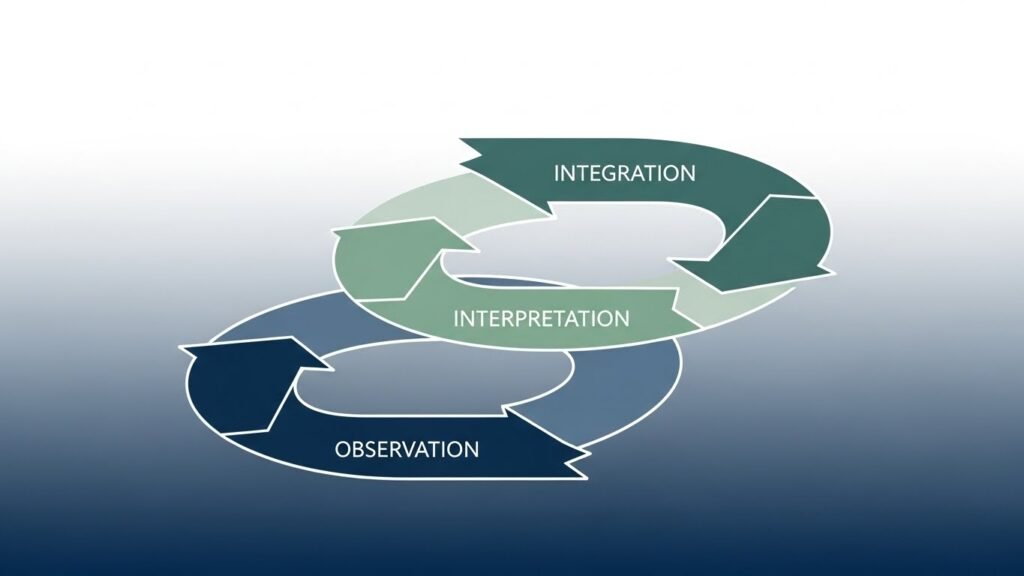
Though the practice is deeply personal, it often follows a clear three-stage structure. This process makes the deep work of Antarvafna accessible to everyone. Each stage builds upon the last, leading to profound personal change.
- Observation: This is the foundational stage where you silently witnesses your thoughts, emotions, and patterns without judgment, focusing only on presence.
- Interpretation: Moving beyond simply watching, you start to connect patterns and understand where certain emotions or decisions originate. This fosters deeper insights into your behavior.
- Integration: In this final stage, the powerful insights you gained are actively applied to daily life. This leads to positive shifts in behaviors, habits, or core beliefs.
Historical Roots and Cultural Significance
Antarvafna is not a new fad; it has deep historical roots that stretch back centuries. The practice emerged from the rich tapestry of ancient spiritual traditions. You can find its origins particularly within Eastern philosophies like Hinduism and Buddhism. It is believed that early practitioners sought a deeper connection with their inner selves through meditative techniques.
The concept of inner exploration and self-discovery is central to many ancient texts. In India, scholars and sages documented practices resembling Antarvafna in revered scriptures like the Upanishads. These texts emphasized understanding one’s mind and emotions as the key to achieving harmony in life. Meanwhile, Buddhist monks integrated similar principles into their mindfulness practices. They focused on cultivating awareness of thoughts and feelings to achieve enlightenment. This cross-pollination of ancient traditions across Asia helped shape what we know today as Antarvafna. It remains a cultural representation of the universal search for inner meaning.
Antarvafna vs. Modern Mindfulness: A Comparative Analysis
Antarvafna and modern mindfulness share the common goal of enhancing self-awareness and emotional regulation. However, they differ in their methods and ultimate depth of focus. Understanding these distinctions can help you choose the right practice for your journey.
- Common Goal and Distinct Approaches: While both aim for self-awareness, Antarvafna encourages a deeper, more transformative exploration of the inner layers of consciousness. Modern mindfulness often focuses on observing thoughts in a non-judgmental way to manage the present moment effectively.
- Techniques and Methods: Modern mindfulness typically relies on breathing exercises, basic meditation, or body scans. Antarvafna, in contrast, integrates other elements. These might include visualization and introspective questioning to connect with the inner self on multiple levels.
- Timeframe and Focus: Mindfulness practices are often short and flexible, fitting easily into a busy schedule for quick mental relief. Antarvafna usually involves extended sessions, appealing to those seeking a transformative journey. Its long-term goal is unlocking latent potential and fostering growth, rather than just immediate stress management.
Comprehensive Benefits of Daily Practice
Integrating Antarvafna into your daily life creates openings for substantial change. This daily reflection brings all of your activity—personal issues, job issues, and more—to a place of awareness. The compounding benefits improve nearly every aspect of your life.
Emotional Resilience and Equilibrium
Antarvafna helps you gain mastery over your emotions. By cultivating a solid inner core, you become less disturbed by external chaos. This practice builds an internal refuge against life’s ups and downs.
- Enhanced emotional equilibrium and stability.
- Less stress and worry, leading to reduced anxiety levels.
- Enhanced self-regulation and a calm disposition.
- Supports emotional healing and resilience against stressors.
Cognitive Clarity and Decision-Making

In this age of information overload, clarity is rare. Antarvafna helps quiet the clamor of the outside world. This creates mental space for focused thought.
- Enhanced concentration and focus.
- Quiets the clamor of information overload, creating space to think clearly and screen out unnecessary pressures.
- Leads to more lucid, sharper decisions, and melted intuition.
- Ensures decisions are aligned with long-term values, rather than short-term feelings or external opinions.
Physical and Lifestyle Enhancement
The benefits of Antarvafna extend past the mind and into the body. By enhancing the mind-body connection, the practice improves your overall physical vitality. It encourages mindful living, where you pay close attention to bodily sensations.
- Can lead to improved posture and flexibility by reducing muscle tension.
- Promotes mindful living and healthier choices regarding nutrition and exercise.
- Enhancement of sleep quality, leading to deeper restorative sleep cycles.
- Increased productivity by training the mind to remain present.
Antarvafna as a Catalyst for Authenticity and Emotional Intelligence (EQ)
Self-awareness is the bedrock upon which emotional intelligence is built. You cannot truly find others until you first find yourself. Antarvafna acts as an internal exploration process that directly contributes to EQ development. It strips away the noise and reveals who you authentically are.
How Antarvafna Contributes to EQ Development
Antarvafna creates an awareness of emotional triggers and automatic reactions. By noticing these unconscious assumptions, you gain the power to choose your responses. Instead of reacting impulsively, you respond wisely.
- Self-Awareness: Helps individuals recognize emotions and triggers without reacting impulsively.
- Self-Regulation: Encourages thoughtful, congruent responses rather than automatic, reactive behavior.
- Empathy: Deepens the ability to understand others through self-understanding, leading to better communication and more harmonious relationships.
- Motivation: Clarifies goals and emotional purpose, helping individuals live out of purpose, not seeking approval.
Personal Growth and Life Purpose
Antarvafna becomes a catalyst for profound personal growth. It guides you inward to find answers that can’t be found externally. The clarity it provides affects your entire view of the world.
- Mental Clarity: Understanding thought patterns leads to smarter decisions.
- Emotional Stability: Supports emotional healing and resilience.
- Spiritual Connection: Offers deeper awareness of one’s place in the world.
- Life Purpose: Helps individuals define what truly matters, creating a sense of fulfillment.
- The Outcome: This internal work leads to more harmonious relationships, authentic self-expression, healthy boundaries, and a powerful sense of inner freedom.
Specialized Applications: Leadership, Professional, and Educational Settings
The principles of Antarvafna are so foundational that they apply to specialized fields. Many high-stakes environments are now integrating introspective frameworks. This is because achievement without reflection is often impossible.
Leadership Development
Great leaders understand themselves thoroughly before attempting to lead others. That is why leadership programs are increasingly adopting Antarvafna principles. Leaders who embrace this practice become more grounded and effective.
- Decision-Making: Helps leaders choose options aligned with core values.
- Team Empathy: Strengthens interpersonal relationships by deepening self-understanding.
- Crisis Management: Encourages calm, strategic thinking under pressure.
- Purpose: Helps leaders connect their actions with their long-term vision.
Education and Learning
Learning isn’t just about absorbing information; it’s also about understanding how one learns. Teachers and students are using Antarvafna-based methods to enhance the educational experience. Educational institutions that adopt these principles often see better classroom engagement and overall performance.
- Focus: Helps students stay present and improve concentration.
- Creativity: A calm mind naturally fosters innovation.
- Stress Reduction: Reduces academic pressure by encouraging emotional balance.
- Self-Assessment: Encourages students to evaluate their progress realistically.
Practical Methods for Integrating Antarvafna into Daily Life
You don’t need a special environment to practice Antarvafna. The key is sincerity and regularity, starting with small steps. Just a few minutes each day can lead to meaningful, long-term change.
Techniques for Daily Integration
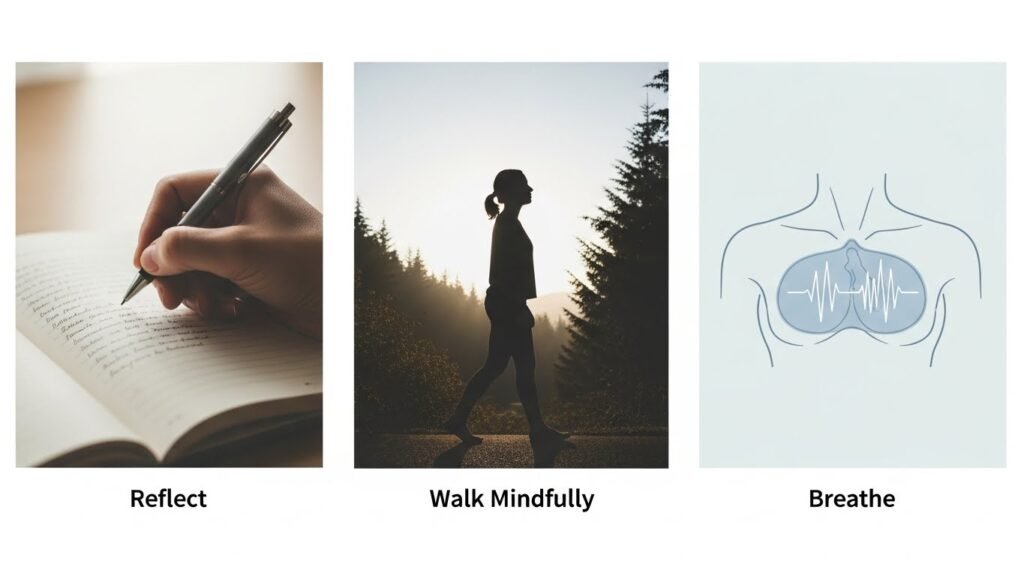
- Morning Check-in: Take a few minutes in the morning to jot down your thoughts before reaching for your phone. This sets a conscious tone for the day.
- Breath Focus/Awareness: Observe your breath during the day to create mental stillness. Catch yourself when your mind drifts away and gently return to your breathing.
- Journaling/Self-Reflection: Spend five to ten minutes each night writing about your emotions, choices, or insights. This helps track internal thoughts and build self-awareness.
- Mindful Walking: Walk without distraction, paying attention to your body’s movements and your surroundings. This is an intentional pause.
- Intentional Pauses: Schedule brief moments throughout the day to emotionally reset, letting you regroup before moving on.
- Mindful Movement: Connect body movements with breath through gentle stretching or yoga.
Challenges, Consistency, and The Long-Term Transformation
Antarvafna is powerful, but it is not always a smooth, pleasant journey. The practice can usher in emotional discomfort, hidden beliefs, or unfinished feelings. However, facing these challenges is the true start of growth.
Common Barriers to Practice
Recognizing these common obstacles can help you navigate them with patience. They are normal parts of the inner exploration process.
- Restlessness in peacefulness.
- Difficulty staying focused (mental chatter/overthinking).
- Emotional discomfort and resistance to self-reflection when uncomfortable feelings surface.
- Impatience for growth and lack of time consistency.
Strategies for Overcoming Obstacles
The idea is to walk through the process gently. Remember you are there to learn about yourself, not to correct or judge.
- Walk through the process in a gentle manner, focusing on learning about the self, not criticizing it.
- Consistency is Crucial: Regular practice allows the mind to become familiar with the techniques, building mental and emotional stability over time.
- Set small goals (e.g., just a few minutes each day) to make the practice manageable and reinforce commitment without pressure.
The Compounding Long-Term Effect
The benefits of Antarvafna compound over your lifetime. What begins as five minutes of quietness eventually transforms into a way of life.
- The practice builds a solid inner core over months and years.
- The individual becomes less disturbed by external mayhem and more rooted in peaceful clarity.
- This inner strength is what enables enduring, long-lasting personal change.
The Future Relevance of Antarvafna
As society continues to prioritize mental well-being, Antarvafna is poised to become a mainstream, foundational practice. Many industries are now actively integrating introspective frameworks. This ancient wisdom is highly relevant in our complex world.
Emerging Trends
- Digital Mindfulness Apps: Using technology to enhance Antarvafna practice and make it accessible.
- Workplace Wellness Programs: Integrating self-awareness tools to improve employee performance and reduce burnout.
- Hybrid Therapy Models: Combining traditional professional therapy with introspective tools for deeper healing.
- Youth Development: Teaching introspection early for long-term emotional and mental benefits.
Conclusion: Choosing Reflection Over Reaction
In an age defined by velocity and distraction, Antarvafna is your sacred timeout. It is a guiding philosophy for achieving balance between mind, body, and spirit. It is the place where awareness arises, feelings get seen, and your true self is revealed.
The final invitation is simple: start where you are—at a thought, at a breath, at a moment. Commit to nourishing your relationship with your inner self by simply being present in your own inner talk. You don’t have to be perfect; you just need to be present.
Frequently Asked Questions (FAQs) about Antarvafna
What are the core philosophical roots that Antarvafna shares with Eastern practices?
Antarvafna shares core roots with Eastern philosophies by focusing on internal knowledge and self-realization as the path to peace and enlightenment. Like Yoga, it emphasizes the importance of balancing the inner self (mind, emotions, spirit) with the outer world (actions, environment). It is fundamentally rooted in the idea that enduring wisdom and true meaning are found through deep introspection, a concept central to both Hinduism (e.g., the Upanishads) and Buddhism.
Is Antarvafna a form of meditation, or is it different?
Antarvafna is more accurately described as a comprehensive philosophy and process of internal exploration, of which meditation can be a central tool. While meditation often focuses on singular objects (like the breath) to manage the present moment, Antarvafna guides the user through distinct stages—Observation, Interpretation, and Integration—to gain profound insights that actively lead to behavioral and belief shifts. It is not just the act of sitting quietly, but the application of the resulting awareness.
What is the primary difference between Antarvafna and simple self-help or journaling?
Simple self-help often focuses on correcting external behavior, and journaling can be a form of venting emotions. Antarvafna, however, uses self-reflection as a tool to uncover the origin of patterns and emotions, moving past mere surface-level awareness to deep psychological integration. It’s a structured journey toward self-mastery and inner perception.
How does Antarvafna address the problem of being lost in the digital world?
In a world defined by constant velocity and external demands, Antarvafna directly addresses the resulting emptiness and mental drain by inviting a necessary “sacred timeout”. It helps the individual screen out the noise and information overload, compelling them to reconnect with their inner self and true values.
Can Antarvafna be practiced by children or young adults in a structured way?
Yes, Antarvafna principles are highly beneficial for youth development. In educational settings, Antarvafna-based methods help students stay present, reduce academic stress, and improve concentration. Teaching introspection early helps build the emotional and mental resilience necessary for long-term health.
How does Antarvafna help in setting and achieving long-term goals?
Antarvafna is crucial for goal-setting because it enhances Self-Direction and clarifies Motivation. By achieving Emotional Clarity and understanding one’s core values, the individual ensures that their goals are aligned with their authentic self and Life Purpose, making the pursuit more fulfilling and less prone to distraction.
What role does the “Community” component play in an otherwise introspective practice?
While Antarvafna is primarily an internal practice, the Community component reminds practitioners that inner work doesn’t have to be isolating. Sharing experiences and insights with others enhances growth and deepens understanding, providing support and normalizing the emotional discomfort that can arise during self-reflection.
How can Antarvafna improve communication in personal relationships?
Antarvafna enhances communication by developing Empathy through self-understanding. When individuals recognize their own emotional triggers and patterns, they gain a deeper ability to understand and connect with the feelings of others, leading to more harmonious and less reactive relationships.
How does the practice lead to “melted intuition”?
The practice of Antarvafna quiets the constant mental chatter and emotional noise that usually cloud judgment. By fostering Cognitive Clarity and deep inner awareness, it allows intuition—the knowing that comes from deep inner perception—to surface more easily and clearly, leading to sharper, more lucid decisions.
Is there a spiritual element to Antarvafna?
Yes, Antarvafna offers a Spiritual Connection by deepening awareness of one’s place in the world. It aligns with ancient traditions that valued introspective knowledge as a path to inner truth, moving beyond material concerns to clarify one’s purpose and experience a sense of inner freedom.
How long does it take to see positive shifts from practicing Antarvafna?
The benefits of Antarvafna begin immediately with the first act of gentle observation. However, the most profound and enduring positive shifts in behaviors and core beliefs happen during the final Integration stage and continue to compound over months and years of consistent practice.
What is the meaning of “choosing reflection over reaction”?
This refers to the shift enabled by self-awareness. Instead of allowing emotional triggers to cause an immediate, automatic, or impulsive reaction (which often leads to regret), Antarvafna encourages an intentional pause and thoughtful response (reflection) that is aligned with one’s core values.
Can Antarvafna be practiced while driving or doing intense work?
While deep formal practice requires focus and quiet, the principle of Mindfulness in Everyday Life can be integrated into daily activities. This involves using Intentional Pauses and focusing awareness on simple actions, such as breathing or walking, to maintain mental stillness and self-awareness amidst activity.
How does Antarvafna help in overcoming the “resistance to self-reflection” challenge?
Resistance often stems from the fear of emotional discomfort. The strategy is to approach the practice in a gentle manner. By committing to learn about the self without immediate criticism or judgment, practitioners gradually build the psychological safety needed to face uncomfortable emotions.
What is the difference between “Journaling/Self-Reflection” and the “Reflection” component?
The Reflection component is the broader principle of thoughtful analysis of experiences, driving the overall philosophy. Journaling/Self-Reflection is a specific technique for practicing this principle, using writing to track internal thoughts and build awareness.
How does the rise of Digital Mindfulness Apps support Antarvafna?
Digital Mindfulness Apps represent an Emerging Trend that uses technology to make Antarvafna practice more accessible. These apps can provide structured guidance for the Observation and Interpretation stages, helping users establish the consistency that is crucial for building mental stability.
Does Antarvafna help with chronic worry or anxiety?
Yes, the practice leads to a significant reduction in chronic worry and anxiety levels. By enhancing Emotional Clarity and Self-Regulation, the mind gains the ability to recognize looping, anxious thought patterns and return to a calm disposition, effectively creating an internal refuge from stressors.
Why is “Consistency” described as “Crucial” for Antarvafna?
Consistency is crucial because the mind needs regularity to become familiar with the introspective techniques. Regular practice builds a “solid inner core,” and the benefits only compound over time, moving the individual from occasional insights to a stable, transformed way of living.
How can Antarvafna be used to improve team empathy in a corporate setting?
Antarvafna improves team empathy by first strengthening the leader’s interpersonal understanding and self-awareness. Leaders who deeply understand their own emotions and biases are better equipped to recognize and connect with the feelings of their team members, thereby strengthening interpersonal relationships and effectiveness.
What does “Antarvafna is your sacred timeout” mean?
This phrase poetically describes the practice as a necessary and intentional break from the external demands and chaos of modern life. It is the dedicated moment where external striving ceases, allowing inner awareness to arise, feelings to be seen, and the true self to be revealed and nourished.
