


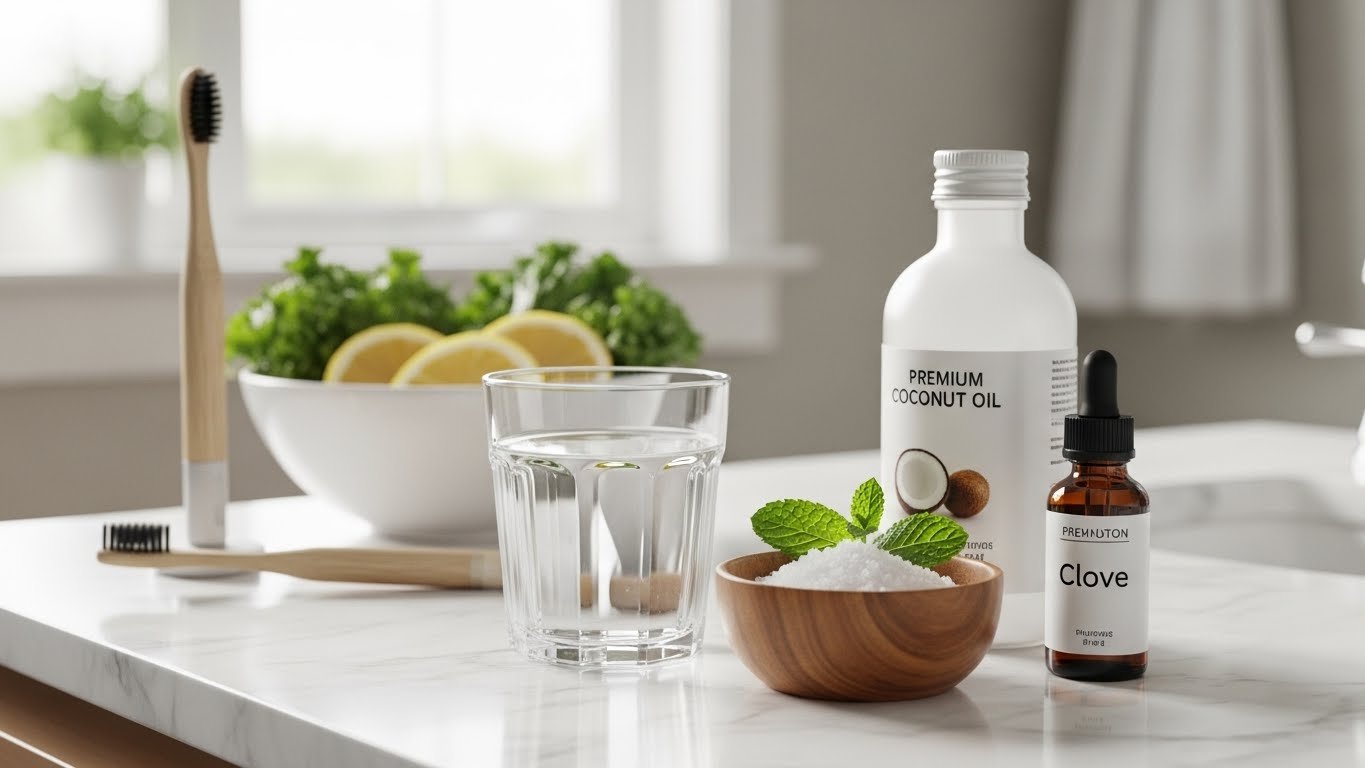
If you are looking for how to heal cavities in 2 days at home, you need to understand the truth about your teeth. Most people think a tiny spot on a tooth means they need a drill and a filling right away. The good news is that early tooth decay can actually be stopped or even turned around if you catch it fast. While you cannot fill a literal hole in your tooth in forty-eight hours, you can stop the pain and start the repair. This guide will show you how to use simple home tricks to save your enamel and keep your mouth healthy.
Understanding the Science of Tooth Decay and Remineralization
Your teeth are alive and they are always changing based on what you eat and how you clean them. Tooth decay happens when the hard outer layer of your tooth gets weak. This layer is called enamel and it is the toughest stuff in your body. When you eat too much sugar, germs in your mouth make acid. This acid eats away at the crystalline structure of your teeth.
What is a Cavity?
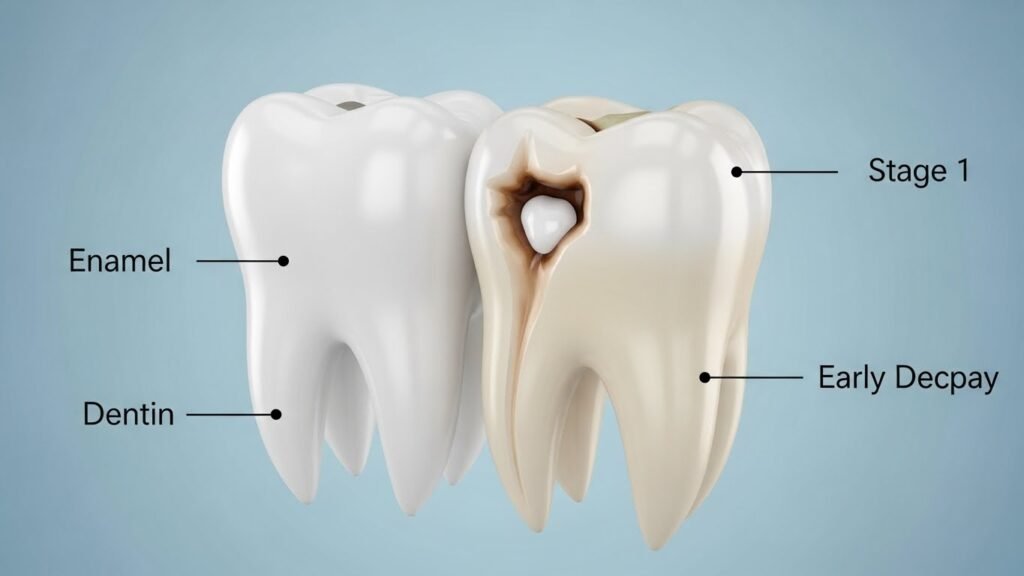
A cavity is just a spot where your tooth has lost some of its mineral strength. It starts as a tiny area of decay that you might not even feel at first. If you do not stop the acid, that spot eventually turns into a real hole. At this point, the tooth can no longer fix itself without help from a pro. Understanding this helps you learn how to heal cavities in 2 days at home by stopping the damage early.
The Role of Acids
Acids are the main villain in the story of tooth decay. They come from sugary snacks and drinks like soda. When acid sits on your teeth, it dissolves the minerals that keep them hard. This process is what leads to those painful spots and sensitivity. Keeping your mouth less acidic is a huge part of healing your teeth at home. Saliva acts as a natural cleaner to wash away plaque, but if it fails, the environment stays acidic.
Early Signals of Decay
You can actually see decay starting if you look closely in a mirror.
- White spots: These often look like chalky areas on the surface of your tooth.
- Chalky texture: This means the enamel is losing its minerals and getting soft.
- Mild sensitivity: You might feel a little zing when you drink something cold or eat candy.
- Dark shadows: Sometimes decay looks like a small grey or brown smudge.
The Concept of Remineralization
Remineralization is like a superpower for your teeth. It is the process where your body puts minerals back into the enamel. Your saliva is full of calcium and phosphate that do this work every day. When you learn how to heal cavities in 2 days at home, you are helping this natural process. This enamel structure can be recovered externally by using fluorides or other specific substances. You can speed this up by eating the right foods and using special toothpaste.
Dietary Shifts to Halt Cavity Progression

What you put in your mouth is the most important part of tooth health. If you keep feeding the germs, they will keep making acid. You need to change your diet to give your enamel a break. This is the fastest way to start the healing process from the inside out.
Reducing Sugar and Acidic Intake
Sugar is like high-octane fuel for the bad bacteria in your mouth. When you stop the sugar, the bacteria cannot make the acid that causes decay.
- Sugar as a bacteria magnet: Bacteria flock to sugar and create sticky plaque on your teeth.
- The acid-plaque connection: Plaque holds the acid against your tooth so it can eat the enamel.
- Beverages to avoid: Stay away from soda, sports drinks, and even fruit juices for a few days.
Incorporating Remineralizing Foods
You can actually eat your way to stronger teeth by picking the right snacks. Your teeth need specific minerals to stay hard and healthy.
- Calcium-rich choices: Eat more cheese, milk, leafy greens, and broccoli to build strength.
- Natural probiotics: Foods like yogurt, kefir, kimchi, and sauerkraut help the good germs fight the bad ones.
- pH balancing: Swap your morning coffee for green tea to keep your mouth’s acid levels low. Green tea contains catechins, which are antioxidants that hinder harmful bacteria growth.
Essential Micronutrients and Supplements for Dental Health
Sometimes your regular food does not have enough of the good stuff. Adding vitamins and supplements can give your teeth an extra boost. These nutrients help your body fight inflammation and make better saliva.
Key Vitamins for Enamel Strength
Certain vitamins act like building blocks for your natural tooth structure.
- Vitamin D: This helps your body actually use the calcium you eat.
- Vitamin B: It keeps your gums healthy and reduces the risk of infections.
- Magnesium and Iron: These minerals help keep your jawbone and teeth very strong.
Whole Food Sources vs. Supplements
Getting your vitamins from real food is usually the best way to go.
- Seafood benefits: Salmon, canned tuna, and sardines are great for getting natural Vitamin D.
- Whole grains: These provide essential micronutrients if you are not interested in taking supplements.
- Promoting salivation: Eat crispy veggies and foods like bananas, Brussels sprouts, and peas to make more saliva.
Advanced Oral Hygiene Regimes and Ancient Techniques
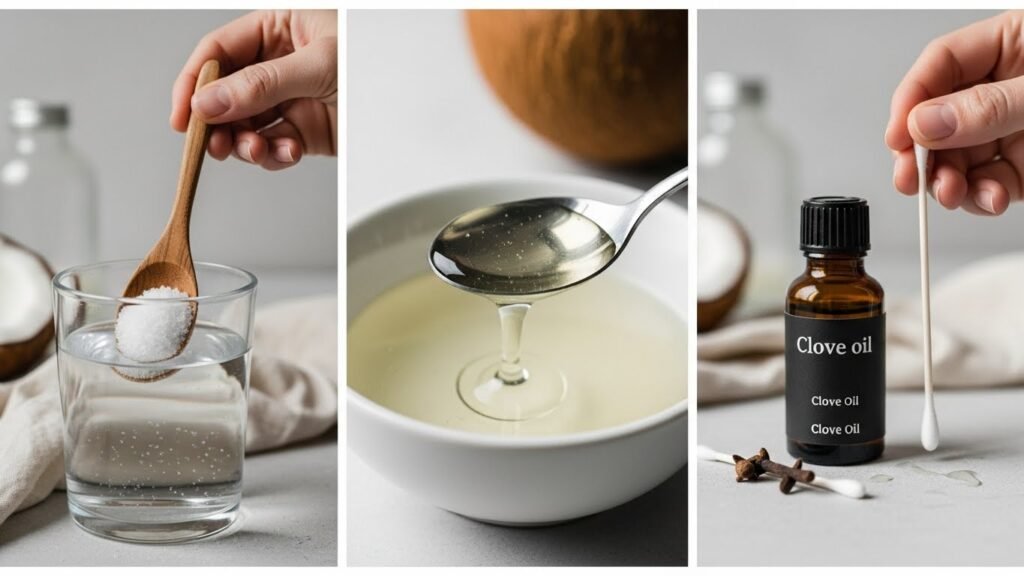
If you want to know how to heal cavities in 2 days at home, you need to level up your cleaning. Regular brushing is good, but you need more for early decay. Combining new science with old tricks can give you the best results.
Enhanced Daily Habits
You have to be very careful and hit every single spot in your mouth.
- Precision brushing: Brush for at least two minutes and reach into every corner and pocket twice daily.
- Diligent flossing: Use floss daily to get the junk out from under your gums where brushes miss.
- Remineralizing toothpaste: Use paste with fluoride or nano-hydroxyapatite to fix the enamel surface.
Traditional Healing Methods
Some old-school ways of cleaning the mouth still work great today.
- Oil pulling: Swish coconut, sesame, sunflower, or mustard oil for 10 to 20 minutes to pull out bad bacteria. It is important not to swallow the oil and to brush your teeth immediately after. This has been shown to reduce plaque and gingivitis in one month.
- Saltwater rinses: Mix one tablespoon of salt and warm water to kill germs and soothe sore gums. For better results, perform this every night.
- Antibacterial mouthwash: Use a good rinse to kill any germs that are hiding in your mouth.
Natural Pain Relief and Home Remedies for Discomfort
Tooth pain can be a total nightmare when you are trying to relax. While these remedies don’t fix the hole, they make life much easier. They are perfect for when you need a quick fix for the hurt.
Topical Antimicrobial Solutions
You can put some of these things right on the tooth that hurts.
- Clove oil: This has eugenol which numbs the pain almost instantly and cleans the dental cavity.
- Vanilla essence: The alcohol in it acts as a natural pain reliever by numbing the affected portion.
- Garlic: It is a natural germ-killer that can help lower the bacterial count, though it cannot fill a hole.
Alternative Support
There are other easy ways to keep the germs away while you heal.
- Xylitol gum: Chewing this gum stops bacteria from sticking to your teeth and offsets acidic pH.
- Herbal rinses: Using aloe vera or green tea can help calm down red and swollen gums.
Professional Intervention and Preventive Treatments
Home care is awesome for early spots, but it has its limits. You need to know when it is time to call the dentist. Ignoring a big cavity will only lead to more pain and bigger bills later.
When Home Remedies are Not Enough
You cannot fix every dental problem on your own.
- Visible holes: If you can see a dark spot or an actual hole in the tooth, you need a professional filling.
- Severe symptoms: Intense pain, gum swelling, or jaw pain means the infection has spread.
- Persistent sensitivity: If the zing does not go away after home care, get it checked.
Preventive Procedures at the Dentist
The dentist has tools that can protect your teeth for a long time.
- Dental sealants: These are thin coatings that block germs from getting into deep grooves.
- Professional cleanings: A pro can scrape away the hard tartar that a toothbrush cannot touch.
- Fluoride treatments: A quick gel or foam at the office can jumpstart your enamel repair.
Advanced Guide to Home Remedies for Early Cavities
Using the right tools at home can change how your teeth feel. These remedies work best when you use them every single day. They help build up your natural tooth structure and stop the acid that causes pain.
Mastering the Art of Oil Pulling
Oil pulling is a very old way to clean your mouth and heal early decay. It works by pulling germs out of the tiny gaps between your teeth.
- Choosing your oil: You can use coconut, sesame, sunflower, or mustard oil for this task.
- The right timing: Swish the oil in your mouth for 10 to 20 minutes to get the best results.
- Safety first: You must never swallow the oil because it is full of germs you just pulled from your teeth.
- Finish with brushing: Always brush your teeth right after you finish oil pulling to clean away any leftover oil.
- Expected results: Doing this every day can lower plaque and help with red gums in about a month.
Using Salt Water for Immediate Care
Salt water is one of the easiest ways to handle early tooth decay at home. It acts as a natural cleaner that kills bad bacteria.
- How to mix it: Take one tablespoon of salt and mix it into a glass of warm water.
- Gargle routine: Rinse your mouth thoroughly with the mix to reach every part of the cavity.
- Nightly habit: Doing this every night helps keep your mouth clean while you sleep.
- Healing powers: Salt has antiseptic and antibacterial properties that fight the decay process.
The Benefits of Green Tea and Xylitol
What you drink and chew can also help you learn how to heal cavities in 2 days at home. These items change the environment in your mouth so germs cannot grow.
- Green tea power: Green tea has catechins that act as strong antioxidants to stop harmful bacteria.
- Reducing inflammation: The anti-inflammatory parts of green tea help your gums stay healthy and strong.
- Xylitol gum: Chewing gum with xylitol helps offset acidic pH levels where germs like to hide.
- Saliva boost: Chewing gum also helps you make more saliva to wash away acid.
Natural Pain Relievers from Your Kitchen
If your tooth hurts, you can use common items to feel better fast. These items numb the area while fighting the infection.
- Clove oil treatment: This oil is a classic remedy that numbs the pain and cleans out the cavity.
- Vanilla essence trick: The small amount of alcohol in vanilla essence helps numb the tooth and acts as a pain reliever.
- Garlic benefits: Garlic is great at killing germs, but remember it cannot fix a hole that is already there.
- Aloe vera rinse: Using aloe vera can help soothe your mouth and keep it clean.
Boosting Remineralization Through Nutrition
Eating the right foods is like giving your teeth the bricks they need to rebuild. Your enamel needs minerals to stay hard and resist acid.
- Calcium intake: Eat more kale, dairy, and broccoli to give your teeth the calcium they need.
- Vitamin D sources: Eat salmon, canned tuna, and sardines to help your body use calcium better.
- Whole grain focus: If you do not want to take pills, whole grains give you great minerals for your teeth.
- Saliva-producing foods: Eating bananas, peas, and Brussels sprouts helps you make more saliva.
| Remedy | Key Benefit | How Often? |
| Oil Pulling | Reduces plaque and germs | Once daily |
| Salt Water | Kills bacteria and soothes gums | Every night |
| Clove Oil | Stops pain and cleans the spot | When it hurts |
| Green Tea | Stops germ growth with antioxidants | 1-2 times daily |
By using these steps, you can take control of your dental health. Catching decay early is the best way to keep your smile looking great without a trip to the dentist for a filling.
Daily Dental Care Schedule for Reversing Early Decay
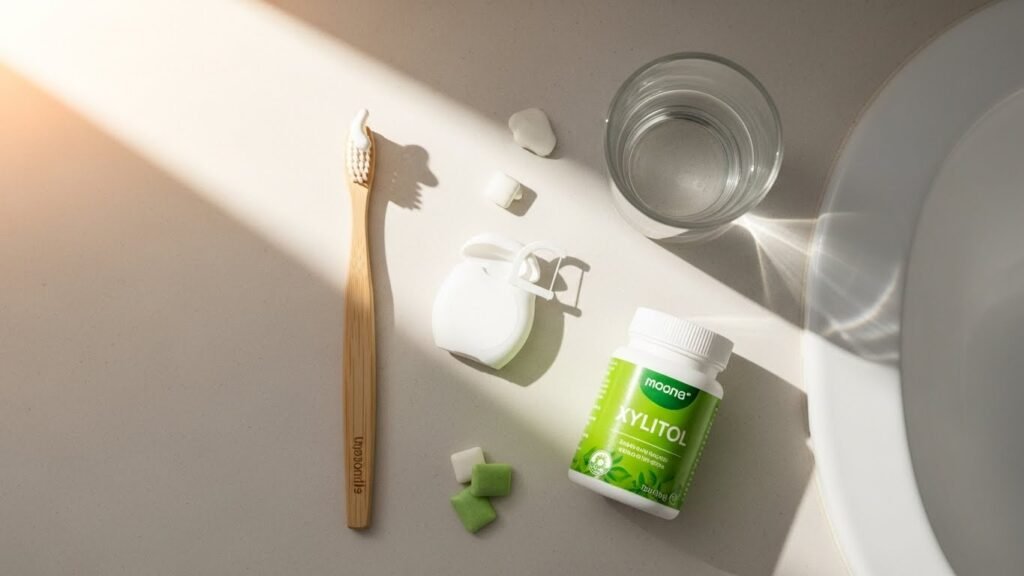
Following a strict routine is essential because your teeth are constantly changing based on how you clean them. This schedule focuses on reducing acid and providing the minerals needed to recover enamel structure.
Morning Routine: Neutralizing and Protecting
- Oil Pulling: Immediately upon waking, swish one tablespoon of coconut, sesame, or mustard oil for 10 to 20 minutes. This reduces plaque and gingivitis by pulling out bad bacteria.
- Clean and Brush: Spit the oil into a trash can (do not swallow) and brush your teeth immediately with a remineralizing toothpaste containing fluoride or nano-hydroxyapatite.
- Breakfast Selection: Choose calcium-rich foods like milk or yogurt. Swap coffee for green tea to hinder harmful bacteria growth with catechins.
Afternoon Routine: Maintenance and Saliva Production
- Post-Lunch Rinse: Use an antibacterial mouthwash to get rid of any remaining bacteria after eating.
- Chew Xylitol Gum: Chewing xylitol gum after snacks stops bacteria from sticking to teeth and offsets an acidic pH.
- Promote Salivation: Snack on crispy vegetables, bananas, or peas to increase saliva flow, which acts as a natural cleaner to wash away plaque.
Evening Routine: Deep Cleaning and Healing
- Precision Brushing: Brush for at least two minutes, ensuring you reach all surfaces, crevices, and pockets.
- Diligent Flossing: Floss to remove food from underneath the gums where bacteria form.
- Antiseptic Rinse: Mix one tablespoon of salt with warm water and rinse thoroughly. Performing this every night kills germs and soothes the gums.
Throughout the Day: Dietary Discipline
- Sugar Fast: Avoid all soda, candy, and fruit juices for these 48 hours to starve the bacteria that produce enamel-eating acid.
- Mineral Support: Ensure you are consuming Vitamin D and Magnesium through foods like salmon or whole grains to help your body use calcium effectively.
Summary of Treatment Goals
| Timeframe | Primary Goal | Key Action |
| Morning | Bacteria Removal | Oil Pulling and Brushing |
| Afternoon | pH Balancing | Xylitol Gum and Green Tea |
| Evening | Deep Disinfection | Flossing and Saltwater Rinse |
| Constant | Remineralization | High Calcium and No Sugar |
Consistency is the most important part of keeping your smile bright and avoiding the drill. If you notice visible holes or severe pain during this schedule, you must seek professional intervention immediately.
Shopping List for Dental Remineralization and Oral Care
Oral Hygiene Products
- Remineralizing Toothpaste: Look for toothpaste containing fluoride or nano-hydroxyapatite to fix the enamel surface.
- Dental Floss: Essential for removing food from under the gums where bacteria form.
- Antibacterial Mouthwash: Used to kill hiding germs and freshen the mouth.
- Xylitol Gum: Chewing this stops bacteria from sticking to teeth and offsets an acidic pH.
Traditional Care Oils and Solutions
- Coconut, Sesame, or Sunflower Oil: Used for oil pulling to reduce plaque and bacteria.
- Mustard Oil: An alternative oil pulling option effective for treating early cavities.
- Sea Salt or Table Salt: Mixed with warm water for an antiseptic nightly rinse.
- Clove Oil: Contains eugenol to numb pain and clean the dental cavity.
- Vanilla Essence: Acts as a natural pain reliever for affected portions of the tooth.
Remineralizing Foods and Beverages
- Calcium-Rich Dairy: Cheese and milk to provide structural strength to teeth.
- Leafy Greens: Broccoli, kale, and collards for essential bone and tooth minerals.
- Green Tea: A pH-balancing alternative to coffee that hinders harmful bacteria.
- Probiotic Foods: Yogurt, kefir, kimchi, and sauerkraut to help good germs fight bad ones.
- Saliva-Promoting Produce: Bananas, Brussels sprouts, and peas to help wash away plaque naturally.
Essential Micronutrients and Seafood
- Vitamin D Sources: Salmon, canned tuna, and sardines to help the body use calcium.
- Whole Grains: Provides necessary micronutrients for those not using supplements.
- Supplements: Vitamin D, Vitamin B, Magnesium, and Iron to support jawbone and enamel strength.
Shopping Checklist by Category
| Category | Item to Purchase | Purpose |
| Pantry | Coconut/Mustard Oil | Oil pulling for bacteria removal |
| Pantry | Green Tea | Reducing mouth acidity |
| Dairy/Cold | Cheese, Yogurt, Kefir | Calcium and probiotics |
| Produce | Broccoli, Peas, Bananas | Minerals and saliva production |
| Pharmacy | Fluoride Toothpaste | Enamel remineralization |
| Pharmacy | Clove Oil | Natural pain relief |
By having these items ready, you can maintain the consistency needed to save your enamel and potentially avoid the drill.
Specific Meals to Maximize Dental Health and Enamel Repair
Eating the right combination of foods can stop the acid cycle and help your body repair early decay. This 48-hour meal plan avoids all refined sugars and focuses on nutrient density.
Breakfast Options for Stronger Teeth
- Probiotic Power Bowl: A bowl of Greek yogurt or kefir topped with sliced bananas. The probiotics balance your oral bacteria, while the bananas stimulate saliva production.
- Cheese and Veggie Omelet: Eggs whisked with shredded cheddar cheese, kale, and broccoli. This provides a massive dose of calcium and Vitamin D to jumpstart the remineralization process.
- Beverage Choice: Always pair breakfast with Green Tea instead of coffee. The catechins in the tea hinder the growth of harmful bacteria.
Lunch Options for pH Balancing
- Sardine or Salmon Salad: Canned sardines or salmon served over a bed of leafy greens (collards or spinach). These fatty fish are excellent sources of Vitamin D and phosphorus, which are necessary for the tooth’s crystalline structure.
- Fermented Veggie Wrap: A whole-grain wrap filled with turkey, cheese, and a generous portion of kimchi or sauerkraut. Fermented foods help offset acidic pH levels in the mouth.
- Side Dish: A side of steamed Brussels sprouts or peas to promote salivation throughout the afternoon.
Dinner Options for Mineral Replenishment
- Baked Fish with Broccoli Rabe: White fish or salmon baked with garlic and served with sautéed broccoli rabe. Garlic provides antibacterial benefits, while broccoli rabe offers highly absorbable calcium.
- Whole Grain Pasta with White Sauce: Whole grain pasta tossed in a creamy dairy-based sauce. Whole grains provide essential micronutrients like magnesium and iron for jawbone health.
- Side Dish: A small bowl of miso soup or a side of fermented pickles to maintain a healthy oral microbiome.
Dental-Friendly Snacks
- Cheese Cubes: Eating a piece of hard cheese after a meal can help neutralize acids instantly.
- Crispy Raw Veggies: Sliced celery or carrots which help mechanically clean the teeth and stimulate saliva.
- Apple Slices (In Moderation): While they contain natural sugar, the fiber helps clean teeth and the crunch promotes saliva.
Nutritional Benefits Summary
| Meal Type | Primary Mineral/Vitamin | Dental Benefit |
| Seafood-Based | Vitamin D & Phosphorus | Helps calcium bind to enamel |
| Leafy Greens | Calcium & Magnesium | Strengthens the tooth structure |
| Fermented Foods | Natural Probiotics | Balances mouth pH levels |
| Crispy Veggies | Water & Fiber | Mechanical cleaning and saliva |
By following this meal plan for 2 days, you are creating an environment where your teeth can begin to heal themselves naturally. Remember to brush and rinse according to the schedule after these meals to ensure no food particles remain in the decay sites.
Final Takeaway for Long-term Oral Health
Learning how to heal cavities in 2 days at home is about being smart and fast. You are mostly managing the symptoms and helping your enamel get stronger. If you catch decay early, you might avoid the drill entirely. Just remember that consistency is the most important part of keeping your smile bright.
| Feature | Home Care (Early Stage) | Professional Care (Late Stage) |
| Cost | Very Low | Moderate to High |
| Effort | Daily discipline | One or two appointments |
| Goal | Remineralize enamel | Fill holes or root canals |
| Pain | Mild to none | Can be severe |
FAQs About Healing Cavities and Restoring Dental Health
Can a cavity go away on its own without treatment?
Early-stage decay, which appears as white spots on the enamel, can be reversed through remineralization and improved hygiene. However, once the decay breaks through the enamel and forms a physical hole or “cavity,” it cannot go away on its own and requires a professional filling.
What exactly is the crystalline structure of a tooth?
The crystalline structure refers to the highly organized arrangement of minerals, mainly hydroxyapatite, that makes up the tooth enamel. Acids from sugar and bacteria disrupt this structure, leading to the demineralization that starts a cavity.
Does fluoride-content toothpaste actually regrow enamel?
Fluoride does not grow new enamel from scratch, but it does speed up the remineralization process. It helps redeposit minerals into the existing crystalline structure to harden soft spots before they become full cavities.
Why is mustard oil mentioned for oil pulling?
Mustard oil is noted as an alternative to coconut or sesame oil for the ancient technique of oil pulling. It is believed to help cleanse the mouth and reduce the bacterial load that contributes to tooth decay.
How do dental sealants protect teeth from further decay?
Dental sealants are thin, protective coatings applied by a dentist to the chewing surfaces of the back teeth. They act as a physical barrier that prevents food and bacteria from getting stuck in deep grooves where cavities usually start.
What are the medicinal properties of cloves for dental issues?
Cloves contain eugenol, which has natural antimicrobial, antiseptic, and analgesic properties. These properties help clean the dental cavity and minimize the painful sensations caused by decay.
Can children use these home remedies for early cavities?
While many methods like healthy eating and brushing are great for kids, parents should consult a dentist about specific treatments like oil pulling or herbal rinses. Ensuring kids drink fluoridated water and get routine dental exams is the best way to manage their early decay.
How does coffee act as a perfect environment for oral bacteria?
Coffee is acidic and can create a pH imbalance in the mouth. This acidic environment acts as a habitat where infectious oral bacteria can thrive and cause damage to the tooth structure.
What makes green tea a better alternative for tooth health?
Green tea contains a specific polyphenol known as catechins. This acts as a powerful antioxidant with anti-inflammatory properties that hinder the growth of harmful bacteria.
Is red wine actually able to improve oral health?
Some studies suggest certain components in red wine may have benefits, but it is important to remember that it is also acidic. Balancing any acidic drink with water is key to protecting your enamel.
Why is flossing specifically mentioned for preventing bacteria formation?
Flossing reaches areas underneath the gums and between teeth where a toothbrush cannot go. Removing food from these pockets prevents bacteria from forming and causing decay in hidden spots.
What is the difference between a general dentist and other types?
General dentists handle routine care like cleanings, fillings, and exams. Other specialists may focus on areas like orthodontics or cosmetic surgery, but a general dentist is your first line of defense against cavities.
How does vitamin D help in preventing cavities?
Vitamin D is essential because it helps your body absorb calcium and phosphorus from your diet. Without enough Vitamin D, your teeth cannot effectively remineralize even if you eat calcium-rich foods.
What role does magnesium play in bone and tooth health?
Magnesium is a micronutrient that works alongside calcium to keep your bones and teeth strong. It also helps keep inflammation under control, which is vital for preventing gum disease and decay.
Can fermented foods like kimchi really help my teeth?
Yes, fermented foods are rich in natural probiotics. These healthy bacteria help offset an acidic pH in the mouth and prevent the buildup of plaque.
Is there a specific type of salt recommended for saltwater rinses?
The articles suggest using standard salt mixed with warm water. Its antiseptic and antibacterial properties are effective regardless of the specific brand of salt used.
How long does it take for oil pulling to show results for gingivitis?
Consistent oil pulling has been shown to reduce plaque and improve the symptoms of gingivitis in about one month’s time.
What is the danger of swallowing the oil during oil pulling?
The oil used in pulling acts as a “soap” that traps bacteria, plaque, and toxins from your mouth. Swallowing it means you are ingesting those concentrated harmful substances back into your body.
Why are bananas and peas recommended for saliva production?
These specific foods help promote salivation, which is the body’s natural defense against tooth decay. Saliva helps keep bacteria from staying on your teeth for too long.
What should I do if I have a dark spot on my tooth but no pain?
A dark spot is often a sign that a cavity has already formed past the early enamel stage. Even if it doesn’t hurt yet, you should visit a dentist to have it checked before it reaches the nerve and causes a toothache.
