


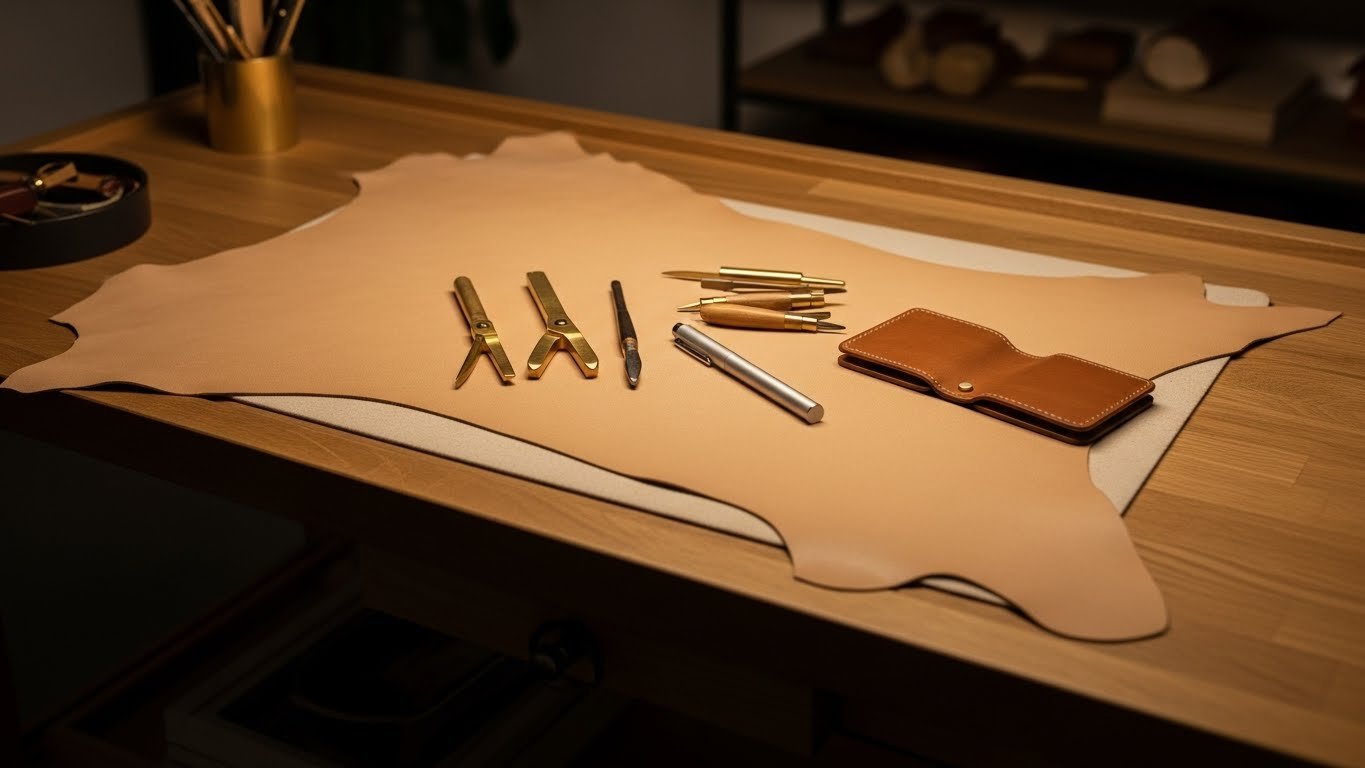
Zuschneidfelle is a term that sounds fancy but is actually quite simple to understand. It comes from the German words zuschneiden which means to cut and felle which means hides. Think of it as the secret sauce for anyone who works with leather hides. These are precision-crafted leather cuts made for specific jobs. They help you get the best results without wasting time or money.
When we talk about quality materials, Zuschneidfelle is at the top of the list. It serves two main roles in a workshop. First, it refers to high-end leather that is already cut to size. Second, it describes a specialized cutting surface that protects your tools. Both uses are vital for modern craftsmanship in 2026.
The philosophy of precision is all about the final look of your project. Using the right surface ensures your blades stay sharp for clean slices. High-quality leather cuts also mean your bags or shoes look professional. If you want to level up your artisan skills, you need to know about these materials.
Introduction to Zuschneidfelle
The word Zuschneidfelle tells a story of tradition and high standards. It is not just any random piece of leather you find in a bin. These are leather hides chosen for their specific grain and strength. Every piece is pre-cut to make your work easier and much faster.
Today, the term also refers to the mat you use under your knife. This cutting surface helps you control the blade better. It prevents the knife from slipping or digging too deep. This dual nature makes it a must-have for any serious leatherworker.
In our fast world, Zuschneidfelle brings back the focus on quality. It helps designers create pieces that last a lifetime. Whether you make haute couture or simple wallets, this material matters. It is the foundation for every great leather project.
The Historical Legacy of Zuschneidfelle
Long ago, craftspeople did not have plastic mats or fancy tools. They used old scrap skins to protect their work tables. Over time, they realized that certain hides worked better than others. This discovery led to the creation of specialized cutting hides.
In the 18th century, German and Austrian workshops took this to a new level. They started tanning leather specifically to be used as a cutting base. This helped shoemakers and bookbinders work with incredible detail. It became a standard part of the trade in Europe.
Saddlery and bookbinding relied heavily on these materials for centuries. The leather provided a natural grip that synthetic mats just cannot match. Even with new technology, many pros still prefer the old ways. The legacy of Zuschneidfelle is built on centuries of hands-on experience.
Today, we see a mix of old traditions and new innovations. Artisans still use these hides because they offer the best tactile performance. They represent a bridge between the past and the future of craft. This history is why they are still valued so highly today.
Types and Grades of Zuschneidfelle Materials
High-Durability Industrial Options
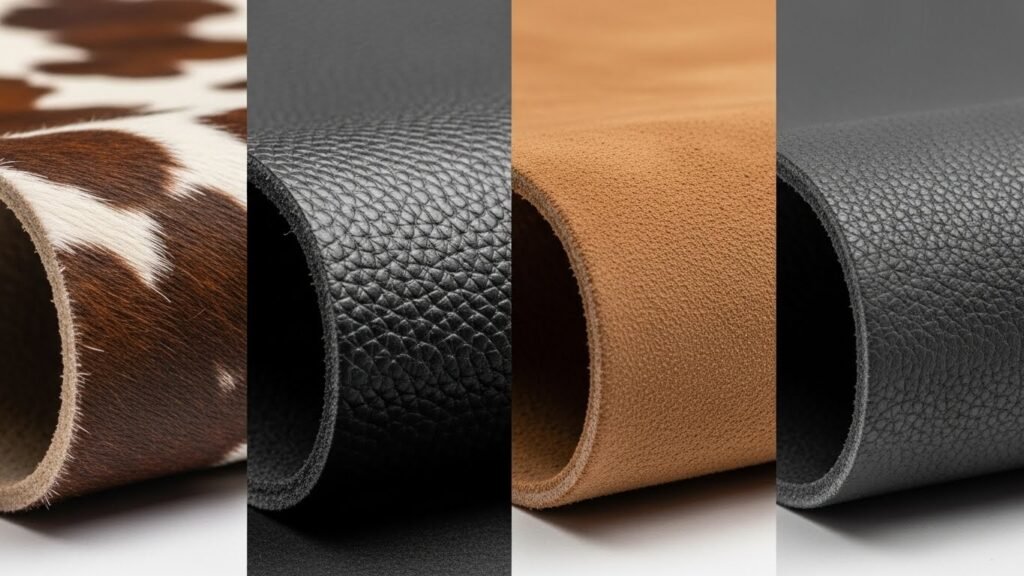
- Full-grain cowhide is the strongest type of leather you can get. It is very thick and can handle heavy-duty cutting all day long.
- Bull and steer hides are even tougher and often used for thick upholstery. They are great for things like furniture or heavy boots.
- Tooling hides are specifically prepared to hold shapes and patterns. These are perfect for artists who want to carve into the leather.
Specialty and Fine-Grained Hides
- Sheep hides are famous for being soft and very lightweight. You will often see them used in high-end fashion and gloves.
- Goat hides, also known as Chevre, are super durable but still thin. They have a cool grain that makes luxury bags look amazing.
- Top-grain leather is a bit thinner than full-grain because the top layer is sanded. It is very flexible and works well for detailed tailoring.
Decorative and Hobbyist Varieties
- Suede comes from the underside of the hide and has a fuzzy feel. It is great for light projects or decorative touches.
- Nubuck looks like suede but is made from the outer side of the hide. It is more durable and feels like velvet to the touch.
- Faux leather is a synthetic material that does not use animal skins. It is a good choice for vegan-friendly crafts or cheap prototypes.
Comparison of Zuschneidfelle Types: Costs and Lifespans
Choosing the right material involves balancing your initial investment against how long the material will serve your workshop. High-quality leather types often carry a higher price tag but provide superior durability and long-term value for professional artisans.
| Zuschneidfelle Type | Average Initial Cost | Expected Lifespan | Primary Benefit |
| Full-Grain Cowhide | High | Decades with care | Extreme strength and heavy-duty durability. |
| Top-Grain Leather | Moderate | Long-term (10-15 years) | High flexibility for detailed tailoring work. |
| Goat Hide (Chevre) | High (Specialty) | Long-term | Exceptional durability despite being thin and lightweight. |
| Sheep Hide | Moderate | Medium (5-10 years) | Softness and lightweight feel for luxury garments. |
| Suede / Split Hide | Low to Moderate | Short to Medium | Soft texture for decorative touches or light projects. |
| Faux Leather | Low | Short (1-3 years) | Budget-friendly for prototypes and vegan-friendly crafts. |
Budget Planning Considerations
- Initial Investment vs. Value: While professional Zuschneidfelle costs more than plastic mats, the investment pays off because it protects expensive tools and lasts much longer.
- Maintenance Costs: Natural hides require occasional leather conditioners to prevent cracking, which is a small but necessary recurring cost.
- Tool Longevity: Using a leather cutting base significantly extends the life of your blades, reducing the frequency and cost of tool replacement.
- Waste Reduction: Precision-crafted cuts are sized for specific needs, which helps you avoid paying for excess material that would otherwise be wasted.
How to Identify Genuine Full-Grain Zuschneidfelle vs. Lower-Quality Options
In the world of leatherwork, marketing terms can be confusing. To ensure you are getting the high performance required for Zuschneidfelle, you must be able to tell the difference between high-quality full-grain hides and inferior products like bonded or “genuine” leather.
Understanding the Grain Hierarchy
- Full-Grain Leather is the highest quality. It includes the entire grain layer without any sanding or buffing. This makes it the strongest and most durable choice for Zuschneidfelle.
- Top-Grain Leather has the very top layer sanded off to remove imperfections. It is thinner and more pliable but lacks some of the natural strength of full-grain.
- Genuine Leather is a misleading industry term. It actually refers to the lower layers of the hide that are left over after the top parts are stripped away. It is significantly weaker and will not last as long.
- Bonded Leather is the lowest grade. It is made by grinding up leather scraps and gluing them together with polyurethane. It is not suitable for precision cutting or high-end craftsmanship.
The Visual Inspection Test
- Surface Pores: Look closely at the surface. Genuine full-grain Zuschneidfelle will show unique, irregular pore patterns. If the pattern looks perfectly repeating and mechanical, it is likely a synthetic or embossed lower-grade material.
- Natural Imperfections: Authentic hides often feature “fat wrinkles,” small scars, or insect bites. These are hallmarks of a natural product and do not affect the structural quality.
- The Edge Reveal: Look at the cross-section of a cut edge. Full-grain leather will show a dense, fibrous structure. Bonded leather often looks like a sandwich with a fuzzy middle and a plastic-like top layer.
The Tactile and Sensory Experience
- The Scent Test: High-quality Zuschneidfelle has a distinct, earthy, and rich aroma. If the material smells like chemicals, plastic, or glue, it is likely a synthetic or bonded product.
- The “Chew” or Flexibility: High-quality leather feels substantial. When you bend it, it should feel firm yet responsive. Bonded leather often feels stiff and “crackly” or overly plastic-like when manipulated.
- Absorbency: Drop a tiny amount of water on an inconspicuous spot. Full-grain leather will eventually absorb the moisture. Water will usually bead up indefinitely on heavily coated “genuine” or bonded leathers.
Why Quality Matters for Zuschneidfelle
- Blade Feedback: Full-grain leather provides the “natural bounce” mentioned earlier, which gives the artisan better feedback through the knife handle.
- Longevity: A full-grain cutting mat can last a lifetime, whereas bonded leather will peel and flake within a year of heavy use.
- Self-Healing Properties: The dense fibers of a high-quality hide can “close up” after a cut, whereas lower-quality materials leave permanent, jagged gouges that ruin the surface.
The Transformation Process: From Raw Hide to Zuschneidfell
Initial Preparation and Cleaning
The journey starts with a raw hide that needs a lot of work. It must be cleaned right away to keep it from rotting. This step removes hair and grease so the leather is pure. It is a messy job but very important for quality.
After cleaning, the hide goes through a process called fleshing. This involves shaving the back of the hide to make it flat. A flat hide means the thickness is the same everywhere. This uniformity is key for professional Zuschneidfelle.
Tanning Methodologies
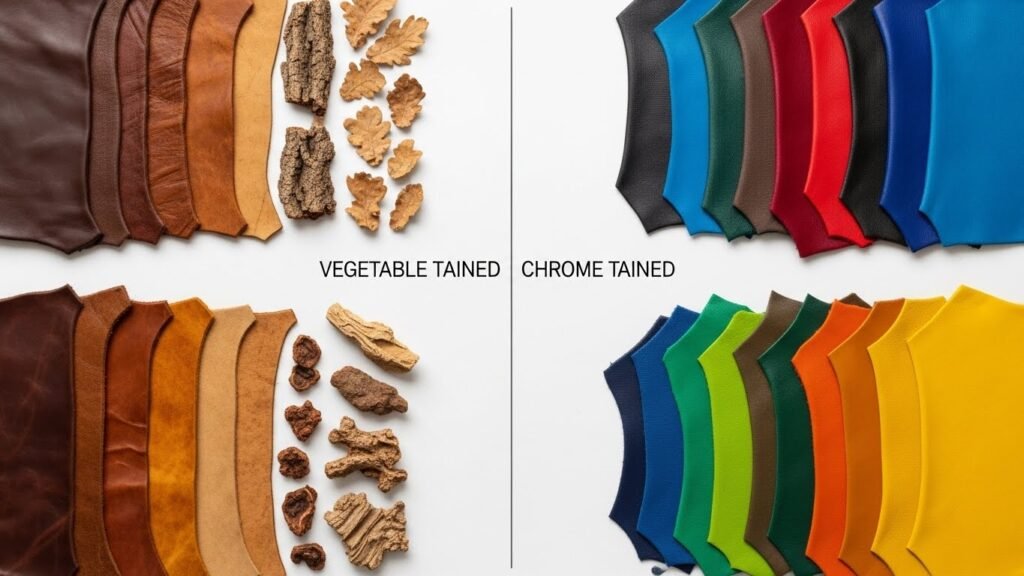
- Vegetable tanning uses natural stuff like tree bark to treat the leather. It makes the hide firm and gives it a classic look.
- Chrome tanning uses chemicals to make the leather soft and flexible. This method is much faster and helps the leather resist water.
- Hybrid tanning combines both ways to get the best of both worlds. It creates a hide that is stable but still easy to move.
Dyeing and Finishing Touches
Dyeing adds the beautiful colors we see in leather goods. Some dyes go all the way through, while others just sit on top. Finishing touches like wax or oil help keep the leather healthy. They prevent the material from getting dry and cracking.
A matte finish gives a low-key look, while a glossy finish shines. Special coatings can also be added for extra moisture resistance. This ensures your Zuschneidfelle can survive a few spills or rainy days. The final result is a beautiful, ready-to-use piece of art.
Key Applications Across Industries
Fashion and Apparel
In the fashion world, precision is everything for a good fit. Designers use Zuschneidfelle to cut perfect panels for jackets and pants. It ensures that every piece of the garment matches up exactly. This leads to high-quality clothes that look expensive and feel great.
Accessories like belts and wallets also rely on these cuts. Since the leather is already pre-treated, it saves a lot of time. Craftsmen can focus on the stitching and the fine details instead. It makes the whole production process much smoother for everyone.
Interior Design and Upholstery
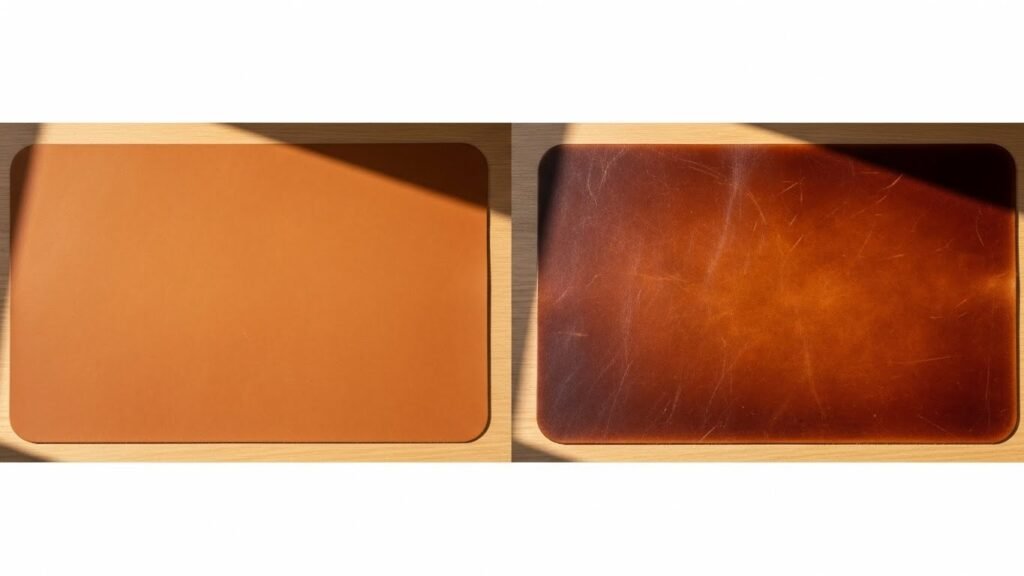
Upholstery requires very large and consistent pieces of leather. Zuschneidfelle provides the strength needed for sofas and chairs. It can handle people sitting on it every day without stretching out. It also adds a touch of class to any room.
Bespoke home decor often uses these precision cuts for unique items. Think of leather-wrapped desks or custom wall panels. The clean edges of Zuschneidfelle make these projects look professional. It is a favorite material for high-end interior designers.
Industrial and Automotive Uses
The car industry uses Zuschneidfelle for luxury interiors. It is used for seats, dashboards, and even steering wheels. The leather must be tough enough to handle heat and sun. Precision cuts ensure a perfect fit in the tight corners of a car.
For repairs, these pre-cut hides are a total lifesaver. If a vintage leather chair has a hole, you can find a matching piece. It allows for seamless fixes that keep old items looking new. It is an essential tool for restoration experts everywhere.
Specialty Crafts
- Bookbinding uses thin, strong leather to cover important books. It protects the pages and makes the book look like a treasure.
- Shoemaking requires different types of leather for the tops and the soles. Zuschneidfelle provides the exact thickness needed for each part.
- Saddlery relies on the thickest hides to keep riders safe and comfortable. The durability of the material is the most important factor here.
The Art and Science of Cutting and Handling
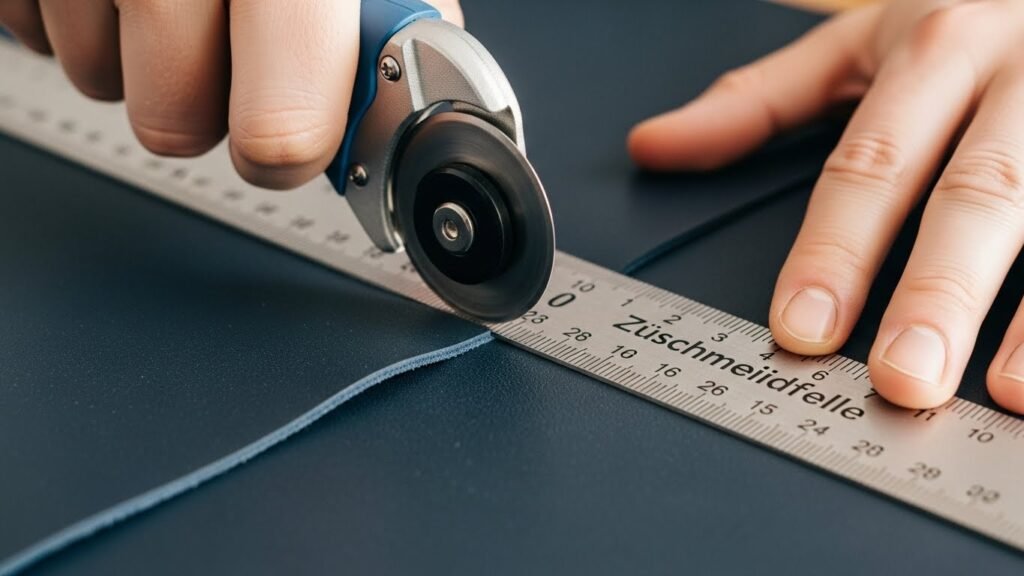
Working with leather is a mix of skill and the right tools. You need to manage the tension of the hide so it stays still. If the leather moves while you cut, your lines will be messy. A good Zuschneidfelle mat helps hold everything in place.
Protecting your tools is a big part of the science here. A leather surface is soft enough to not dull your knife blade. This means you spend less time sharpening and more time creating. It is a simple trick that saves a lot of money over time.
- Rotary cutters are perfect for making smooth, curved lines in thin leather.
- Utility knives are better for thick hides and straight, sharp angles.
- Single motions are always better than sawing back and forth like a woodcutter.
- Metal rulers help keep your lines straight and protect your fingers from the blade.
Advantages: Why Choose Zuschneidfelle Over Raw Hides?
The biggest win with Zuschneidfelle is how much time you save. You do not have to spend hours cleaning or treating the hide yourself. It comes ready to use right out of the box. This lets you get straight to the fun part of crafting.
Consistency is another huge benefit for any project. Raw hides can have thin spots or weird textures in the middle. Precision-crafted cuts are checked for quality before they reach you. You know exactly what you are getting with every single piece.
- Natural bounce from a leather surface makes cutting feel more controlled.
- Tool longevity is much higher when you use a leather base instead of plastic.
- Professional finish is easier to reach when the material is already high quality.
- Less waste occurs because the pieces are already sized for your specific needs.
Selection Guide: Choosing the Right Zuschneidfelle
Finding the right piece depends on what you want to make. If you are making clothes, look for something soft and thin. For a cutting mat, you want the thickest cowhide you can find. Always touch the leather to feel its grain and flexibility.
Thickness is measured in millimeters and it really matters. A wallet needs thin leather so it is not too bulky in your pocket. A bag needs a medium thickness so it can hold its shape. Furniture needs the thickest stuff to stay strong for many years.
- Texture should match your style, whether you want it smooth or pebbled.
- Ethical sourcing ensures that the animals were treated with respect and care.
- LWG certification is a great sign that the leather was made in a clean way.
- Flexibility can be tested by bending the corner to see how it reacts.
Guide to Selecting Tools and Blades for Zuschneidfelle Thickness
Selecting the appropriate tool for the specific thickness of your leather is essential for maintaining precision and protecting your equipment. Using the wrong blade can lead to messy lines or unnecessary physical strain during the cutting process.
Cutting Tools for Light Hides (1mm – 2mm)
These thinner materials, such as sheep or goat hides, require a delicate touch and high-speed precision.
- Rotary Cutters: These are ideal for making smooth, curved lines in thin leather.
- Scalpels and Detail Knives: Best for intricate patterns and fine-grained fashion components.
- Small Utility Blades: Effective for short, straight cuts in lightweight accessories like wallets.
Tools for Medium-Weight Hides (3mm – 4mm)
Standard bags and high-quality cutting mats fall into this category, requiring tools that offer more leverage.
- Heavy-Duty Utility Knives: These provide the stability needed for straight, sharp angles in thicker sections.
- Steel Rulers: Essential for guiding the blade and protecting your fingers from slips.
- Punch Tools: Used for creating clean holes for stitching or hardware in medium-thickness bags.
Equipment for Heavy-Duty Hides (5mm and Above)
Industrial cowhides and upholstery leathers require the most robust tools to ensure a clean finish.
- Fixed-Blade Knives: Provide maximum control for cutting through dense, full-grain cowhide.
- Hydraulic Cutters: Used in industrial settings to stamp out identical shapes with extreme pressure.
- Draw Gauges: Specialized tools for cutting long, thick strips for belts or saddlery.
General Cutting Best Practices
Regardless of the thickness, following specific techniques will improve the longevity of your Zuschneidfelle and your tools.
- Single Motion Technique: It is always better to use a single, smooth cutting motion rather than sawing back and forth.
- Angle of Cut: Maintaining a consistent blade angle prevents the leather from stretching or distorting.
- Surface Protection: Always use a leather Zuschneidfelle mat to absorb blade pressure, which keeps your knives sharp for a longer period.
Comparison of Leather Tanning Methods for Zuschneidfelle
The way a hide is tanned determines its final strength, flexibility, and suitability for specific tasks. Understanding these methods helps you select the right Zuschneidfelle for your workshop, whether you need a rigid cutting surface or a soft garment material.
Vegetable Tanning (Traditional and Rigid)
- Natural Ingredients: This method uses organic materials like tree bark to treat the leather.
- Material Firmness: It makes the hide firm and gives it a classic, traditional look.
- Best Applications: Ideal for heavy tooling, saddlery, and thick cutting mats.
- Eco-Friendly Choice: It is considered more environmentally friendly and produces biodegradable leather.
- Laser Safety: This is the only type of leather safe for laser cutting, as it does not release toxic fumes when burned.
Chrome Tanning (Modern and Flexible)
- Chemical Processing: This method uses mineral salts (chromium) to treat the hide quickly.
- Softness and Flexibility: It creates leather that is much softer and more pliable than vegetable-tanned hides.
- Moisture Resistance: Chrome-tanned leather naturally resists water better than other types.
- Best Applications: Perfect for high-end fashion, lightweight jackets, and soft gloves.
- Maintenance Note: It may require specific cleaners to avoid damaging the chemically treated surface.
Hybrid Tanning (The Best of Both Worlds)
- Combined Process: This method uses both vegetable and chrome tanning techniques.
- Performance Balance: It creates a hide that is stable and durable but still easy to move and stitch.
- Best Applications: Often used for luxury handbags and high-end automotive interiors.
- Resilience: It provides excellent stability for pattern work while remaining pleasant to the touch.
Summary of Tanning Characteristics
| Feature | Vegetable Tanning | Chrome Tanning | Hybrid Tanning |
| Primary Feel | Firm and rigid | Soft and flexible | Stable yet supple |
| Aging | Develops a rich patina | Color stays very consistent | Balanced aging |
| Processing Time | Long (weeks or months) | Short (days) | Moderate |
| Water Resistance | Low (requires wax) | High | Moderate to High |
Maintenance, Care, and Restoration
Keeping your Zuschneidfelle in good shape is pretty easy. You should wipe it down after every use to get rid of dust. Debris can scratch the surface if you leave it there too long. A clean workspace leads to much better results in your projects.
Where you store your leather is also very important for its health. Keep it away from the hot sun and very dry air. If leather gets too dry, it can crack and become useless. Use a bit of leather conditioner now and then to keep it soft.
- Flat storage is the best way to keep your hides from getting weird wrinkles.
- Warping fixes can be done by using a little moisture and some heavy books.
- Airtight bins help protect your materials if you live in a very humid place.
- Avoid folding your leather because it can leave permanent lines in the grain.
Maintenance Schedule for Full-Grain Cowhide Zuschneidfelle
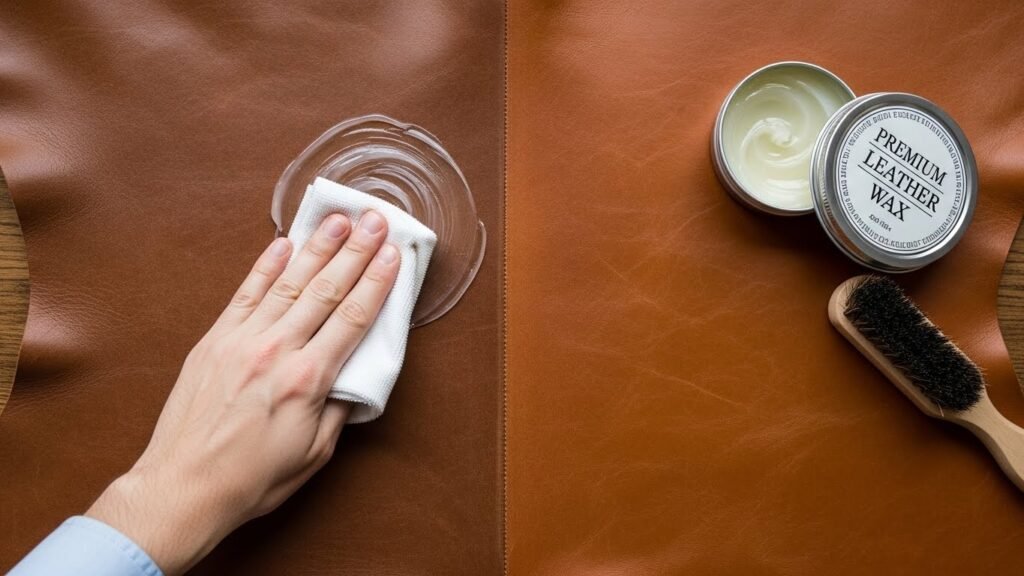
To ensure your precision-crafted leather mat lasts for decades, you must implement a consistent care routine. Because Zuschneidfelle is a natural material, it responds to the environment and requires active preservation to maintain its “self-healing” properties and tool-protecting soft texture.
Daily Care: After Every Session
- Surface Cleaning: Use a soft brush or dry cloth to wipe away leather dust and debris.
- Debris Removal: Ensure no small scraps or metal shavings remain on the surface, as these can scratch the hide during your next cut.
- Blade Inspection: Check that your utility or rotary blades are sharp; dull blades force you to apply more pressure, which can lead to deeper, non-healing gouges in the mat.
Weekly Maintenance: Workspace Optimization
- Flat Alignment: Ensure the mat is lying completely flat on your workbench.
- Moisture Check: If you live in a humid area, check for signs of dampness or “sweating” on the underside of the hide.
- Rotation: Rotate the mat 180 degrees to ensure you are not consistently cutting in the exact same spot, which helps the fibers wear evenly.
Monthly Preservation: Deep Conditioning
- Hydration: Apply a small amount of high-quality leather conditioner or wax to keep the fibers supple.
- Cracking Prevention: Conditioning is vital to prevent the natural oils from drying out, which causes the material to become brittle and crack.
- Buffing: After applying conditioner, buff the surface with a lint-free cloth to maintain a smooth, professional finish.
Quarterly and Seasonal Adjustments
- Temperature Regulation: During summer or winter, ensure the mat is kept away from direct sunlight and heaters.
- Warping Fixes: If the hide begins to curl due to temperature changes, use a small amount of moisture and heavy weights (like books) to flatten it back into shape.
- Long-term Storage: If you need to store the Zuschneidfelle for an extended period, use airtight bins to protect it from extreme humidity.
- Avoid Folding: Never fold the mat for storage, as this creates permanent lines in the grain that will ruin your cutting precision.
Following this schedule ensures that your investment in high-quality Zuschneidfelle pays off through extreme durability and a lifetime of artisan performance.
Inspection Checklist for New Zuschneidfelle Shipments
When a new shipment of Zuschneidfelle arrives at your workshop, a thorough inspection is necessary to ensure the material meets professional standards. Catching defects early prevents wasted time during the cutting process and ensures the longevity of your finished products.
Initial Physical Inspection
- Thickness Verification: Use a leather gauge or calipers to check multiple points across the hide. Ensure the thickness is consistent and matches the millimeter or ounce weight you ordered.
- Surface Uniformity: Spread the hide flat under bright, neutral lighting. Check for any unintended deep gouges, holes, or thinning areas that could interfere with your pattern layout.
- Edge Quality: Inspect the factory-cut edges. They should be clean and firm; if the edges are fraying or appear “pithy,” the tanning process may have been incomplete.
Material Health and Aroma
- The Scent Test: Take a deep breath near the material. It should smell earthy, rich, and slightly woody. A sharp chemical or “rotting” smell is a red flag for poor tanning or improper preservation.
- Moisture Levels: The leather should feel cool to the touch but not damp. If it feels oily or leaves a residue on your fingers, it may have been over-conditioned, which can affect glue and dye adhesion.
- Flexibility Check: Gently roll and unroll the hide. It should move smoothly without making “crackling” sounds, which indicate the internal fibers are too dry.
Quality and Certification Marks
- LWG Certification Check: Look for any stamps or accompanying paperwork that verifies the Leather Working Group (LWG) status. This confirms the environmental and ethical standards of the tannery.
- Grain Integrity: Rub your thumb firmly across the grain. The surface should not peel, flake, or “dust off.” High-quality Zuschneidfelle features a grain that is structurally part of the hide, not a painted-on layer.
- Color Consistency: If you ordered multiple hides, compare them side-by-side. While natural variations are expected, the base tone should be consistent enough to allow for a cohesive product line.
Operational Readiness
- Flatness Test: Lay the hide on your cutting table for 30 minutes. It should relax and lay flat relatively quickly. Excessive curling that refuses to flatten can make precision cutting (zuschneiden) difficult.
- Backside Inspection (Flesh Side): Turn the hide over to inspect the back. It should be clean, well-shaved, and free of excessive “fuzz” or loose fibers that could clog your rotary cutters.
Using this checklist for every shipment ensures that only the best Zuschneidfelle makes it into your production line, maintaining the high standards of your modern craftsmanship.
Ethical Responsibility and Sustainability
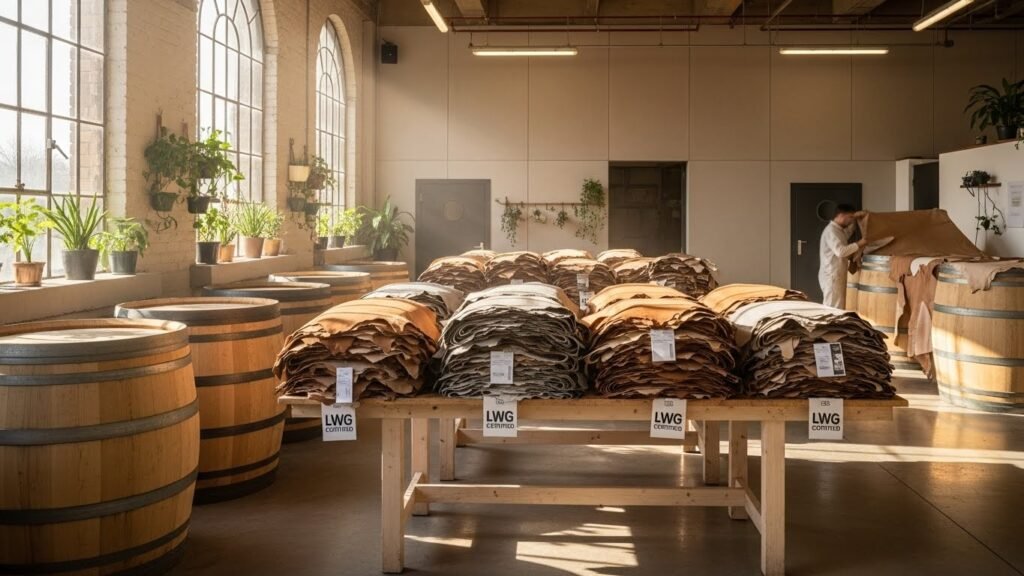
The leather industry is changing to be more eco-friendly today. Many companies now use hides that are just left over from the food industry. This means nothing goes to waste in the circular economy. It is a much better way to respect the environment and animals.
Water usage and chemical waste are big concerns for modern tanneries. Ethical brands work hard to clean their water before letting it out. Choosing Zuschneidfelle from these sources makes a big difference. It helps support a cleaner planet for the future of the craft.
- Animal welfare should always be a priority when you pick your suppliers.
- Chrome-free tanning is a great option if you want to avoid heavy metals.
- Local economies benefit when you buy leather from nearby craftspeople and farms.
- Transparency in the supply chain helps you know exactly where your hide came from.
Weighing the Pros and Cons: A Critical Comparison
Zuschneidfelle is amazing, but it is not perfect for everyone. The biggest downside for most people is the price tag. High-quality leather costs more than cheap plastic or raw scraps. However, most pros agree that the investment pays off over time.
You also have to put in a little work to keep it healthy. Unlike a plastic mat, you cannot just forget about it for months. It is also quite heavy if you need to move your shop around. But the feel and precision you get make these small issues worth it.
- Pros include extreme durability, blade protection, and a beautiful natural look.
- Cons include higher cost, weight, and the need for regular maintenance.
- Long-term value is high because a good hide can last for decades of work.
- Artisan feel provides a much better experience than using synthetic tools.
Summary: The Future of Zuschneidfelle in Craftsmanship
Zuschneidfelle is more than just a piece of leather or a mat. It represents a commitment to doing things the right way. It bridges the gap between old-school skills and new-age designs. By using these materials, you are joining a long line of master makers.
As we move forward, the focus on quality will only grow. People want items that have a story and were made with care. Zuschneidfelle gives you the tools and materials to tell that story. It is the foundation for anyone who wants to create something truly special.
FAQs About Zuschneidfelle
What is the ideal temperature for storing these leather hides?
To maintain the integrity of Zuschneidfelle, you should store them in a room with a temperature between 15°C and 20°C. Extreme heat can cause the natural oils to evaporate, leading to stiffness and cracks.
Can Zuschneidfelle be used for laser cutting machines?
Yes, certain types of these leather cuts are suitable for CNC and laser fabricators. However, you must ensure the leather is vegetable-tanned, as chrome-tanned leather can release toxic fumes when burned by a laser.
How do I remove deep scratches from a leather cutting surface?
If the surface of your Zuschneidfelle mat becomes heavily scarred, you can lightly sand the area with fine-grit sandpaper. Afterward, applying a heavy leather balm or wax will help “heal” the fibers and restore a smooth finish.
Are there specific weights used to measure the thickness of these hides?
In the leather industry, Zuschneidfelle is often measured in ounces per square foot rather than just millimeters. For example, a 4oz hide is roughly 1.6mm thick, while a 10oz hide is about 4mm thick.
What is the difference between a “side” and a “butt” cut in Zuschneidfelle?
A “butt” cut comes from the strongest part of the animal’s back and is very rigid, making it the best Zuschneidfelle for heavy tooling. A “side” cut includes the belly area, which is stretchier and better for garments.
Does the color of the cutting mat affect the precision of the cut?
Generally, natural or tan-colored Zuschneidfelle is preferred because it provides a high contrast against dark fabrics and threads. This contrast helps an artisan see their pattern lines more clearly, reducing errors during the zuschneiden process.
Can I use water-based dyes on pre-treated Zuschneidfelle?
Most Zuschneidfelle comes with a finish that might repel water-based dyes. If you plan to recolor it, you must first use a leather preparer or deglazer to strip the factory finish.
Why do some leather cuts have a “fishy” smell?
A strong fishy odor usually indicates that low-quality fish oils were used during the tanning process. High-quality, precision-crafted leather should have a mild, earthy, or woody scent.
How can I tell if my Zuschneidfelle is truly LWG-certified?
You should look for a specific audit number provided by the supplier that can be verified on the Leather Working Group website. This ensures the material meets strict environmental and ethical standards.
Is it possible to flatten a rolled Zuschneidfelle hide quickly?
The safest way to flatten the material is to lay it out and apply gentle heat from a hairdryer while weighted down. Avoid using a clothes iron directly on the leather, as it can burn the grain and ruin the texture.
What role do hydraulic cutters play in producing Zuschneidfelle?
Hydraulic cutters are used in industrial settings to stamp out identical leather shapes with extreme pressure. This ensures that every piece in a bulk order of Zuschneidfelle is exactly the same size and shape.
Can Zuschneidfelle be recycled at the end of its life?
Because it is a natural material, vegetable-tanned leather is biodegradable and can be ground down to create “bonded leather”. This contributes to a circular economy within the fashion and upholstery industries.
What is the “pull-up” effect found in some quality leather?
The pull-up effect happens when the leather is stretched or folded, causing the oils to move and change the color temporarily. This is a sign of a high-quality, oil-tanned Zuschneidfell that will develop a beautiful patina.
How does moisture resistance affect the cutting process?
If a hide has high moisture resistance, it won’t absorb sweat from your hands or humidity from the air. This keeps the material stable and prevents it from expanding or shrinking while you work on pattern work.
Why is cowhide more common for Zuschneidfelle than horsehide?
Cowhide is more readily available as a food industry by-product and offers a more uniform thickness across large areas. Horsehide is often tougher but much more expensive and harder to find in large, clean cuts.
What is the best way to mark patterns on dark Zuschneidfelle?
Artisans often use silver ink pens or specialized white tailor’s chalk that can be easily wiped off. These marks stay visible on the matte or glossy finish of the hide without permanently staining it.
Can these leather cuts be used for soundproofing?
Thick, heavy-duty cowhide Zuschneidfelle is actually an excellent natural sound dampener. It is sometimes used in bespoke home decor to cover doors or walls to reduce echoes.
Does freezing weather damage leather hides?
Extreme cold can make the waxes and oils inside the leather turn brittle. If a hide freezes, it should be allowed to return to room temperature slowly before being unrolled or cut.
What is a “fat wrinkle” and does it affect quality?
Fat wrinkles are natural marks from the animal’s neck or belly and are purely aesthetic. In modern craftsmanship, these marks are often celebrated as a sign of genuine, full-grain leather.
Can I use a Zuschneidfelle mat for paper crafting?
Yes, the self-healing nature of the leather fibers makes it a luxury surface for paper and cardstock cutting. It prevents the “slipping” often felt on glass or hard plastic mats.
