


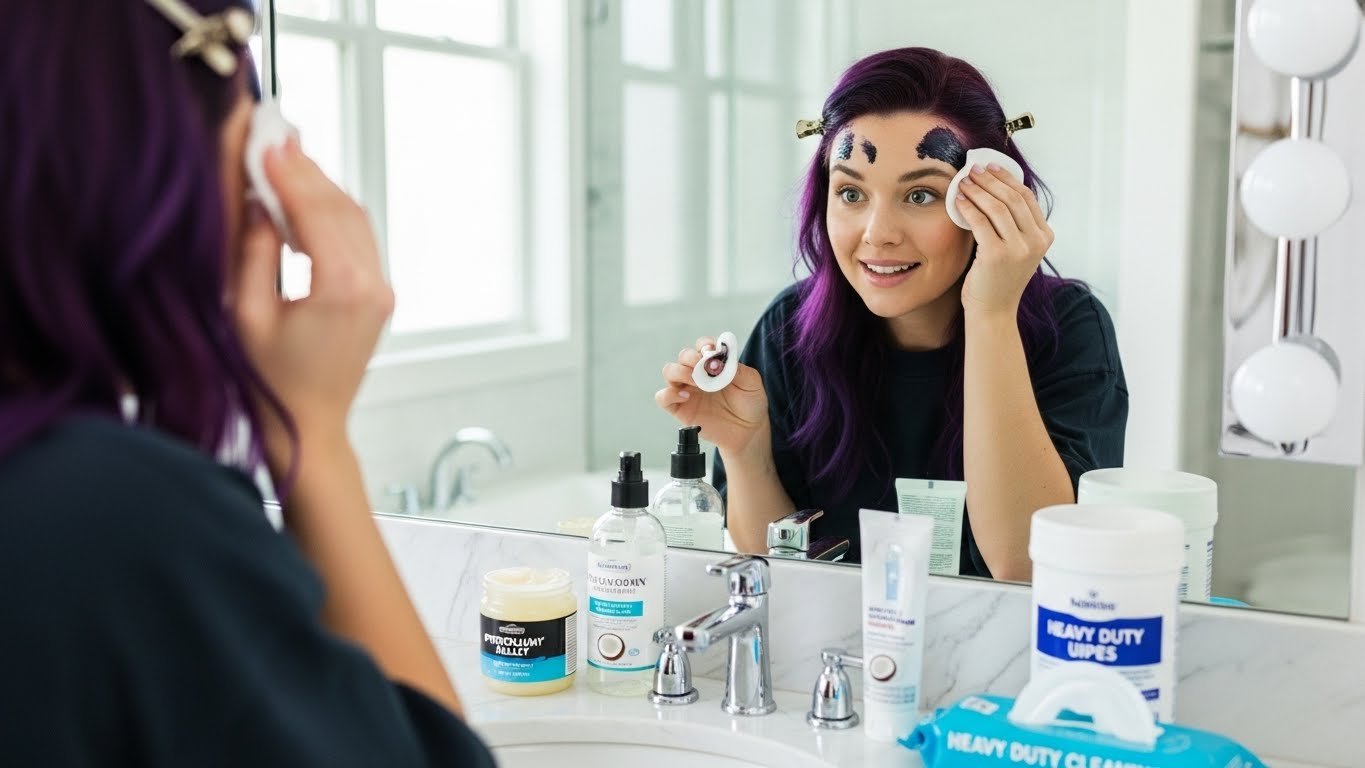
Staining your skin is the worst part of doing your own hair. You finally get that perfect color but now your forehead is purple. Don’t worry because these messy spots are totally fixable at home. Knowing how to remove hair dye from skin is a total game changer for your beauty routine. We have all the best tips to help you clean up fast. You can use stuff you already have in your kitchen or bathroom. Let’s get that skin looking fresh and clean again.
Comprehensive Solutions for Removing Hair Dye Stains
Getting hair dye on your skin happens to the best of us. It usually lands on your hairline or your ears while you work. These stains look tough but they are not permanent. You just need the right tools to break down the pigment. Most home remedies are safe and work really well. We are going to show you exactly what to do next.
Makeup Remover and Micellar Water
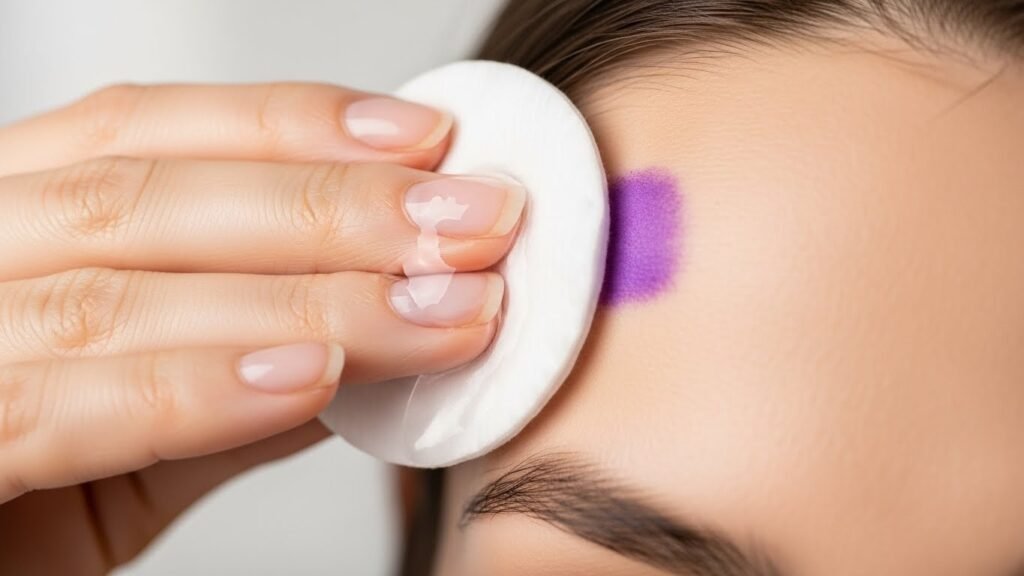
- Target Area: This is the best choice for your face and hairline.
- Mechanism: These products dissolve heavy makeup and hair dye pigments easily.
- Micellar Power: Tiny oil molecules pull the dye away from your skin.
- Gentle Touch: It does not strip away your natural moisture or oils.
- Easy Step: Just soak a cotton pad and swipe it over the stain.
Oil-Based Solutions
- Effective Ingredients: You can use coconut oil, olive oil, or even baby oil.
- Skin Benefits: These oils act like a spa treatment for your skin.
- Patience Wins: Let the oil sit on the stain for ten minutes.
- Final Step: Wipe the area with a warm damp cloth to finish.
Milk and Natural Enzymes
- Target Area: This is perfect for people with very sensitive skin.
- Why it Works: Proteins and fats in milk help break down the dye.
- No Chemicals: There is no risk of burns or bad reactions here.
- Simple Use: Soak a cotton ball in cold milk and rub it on.
Toothpaste and Gentle Abrasives
- Requirements: Make sure you use a non-gel toothpaste for this.
- Active Ingredient: Toothpaste with baking soda works the best on skin.
- Application: Rub the paste in small circles with your finger.
- Exfoliation: It lifts the stain by scrubbing away dead skin cells.
Baking Soda and Dish Soap Combinations
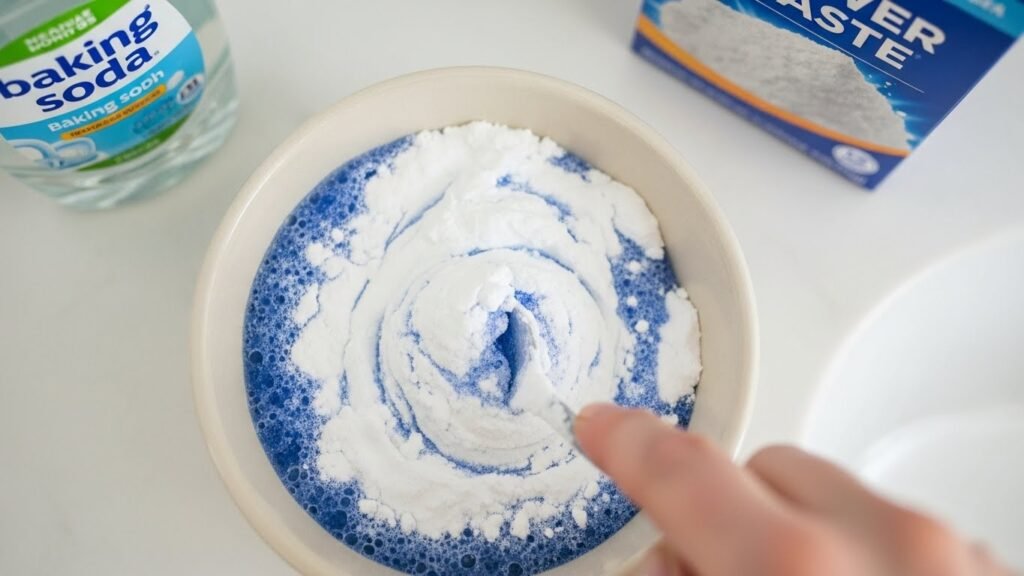
- The Power Paste: Mix one part baking soda with one part dish soap.
- Deep Cleaning: The soap cuts through grease while the soda scrubs.
- Timing: Let the mixture sit for about five minutes first.
- Rinse: Wash it off with warm water and see the magic.
Laundry Detergent and Baking Soda
- Application: Mix these two together and rub for thirty seconds.
- Strength: This is a very strong way to clean your hands.
- Caution: This can be a bit rough so do not use it on your face.
- Hydrate: Always wash your hands with plain soap afterward.
Lemon Juice and Natural Acids
- Mechanism: The acid in the lemon breaks the dye bond.
- Brightening: It lightens the skin and the stain at the same time.
- Usage: Only leave it on for a few minutes.
- Rinse Well: Wash the area thoroughly so you do not get dry.
Alcohol-Based Remedies and Hand Sanitizers
- Solutions: You can use rubbing alcohol or any hand sanitizer.
- Speed: This is the fastest way to get rid of dark stains.
- Drying Effect: Alcohol can make your skin feel very dry.
- Patch Test: Try it on a small spot first to be safe.
- Recovery: Use a thick moisturizer as soon as you are done.
Nail Varnish Remover
- Requirement: You must use a remover that has acetone in it.
- Target Area: Use this only on your nails or tough skin.
- Warning: Never put this near your eyes or your face.
- Soap and Water: Wash the area immediately after the dye is gone.
The Dye-Lifts-Dye Method
- Process: Put a little fresh hair dye on the old stain.
- Reactivation: The fresh chemicals make the old stain wet again.
- Wipe Away: Use a damp cloth to clean it all off quickly.
- Be Careful: Do not let the new dye sit too long.
The Professional Alternative: Heavy-Duty Cleaning Wipes
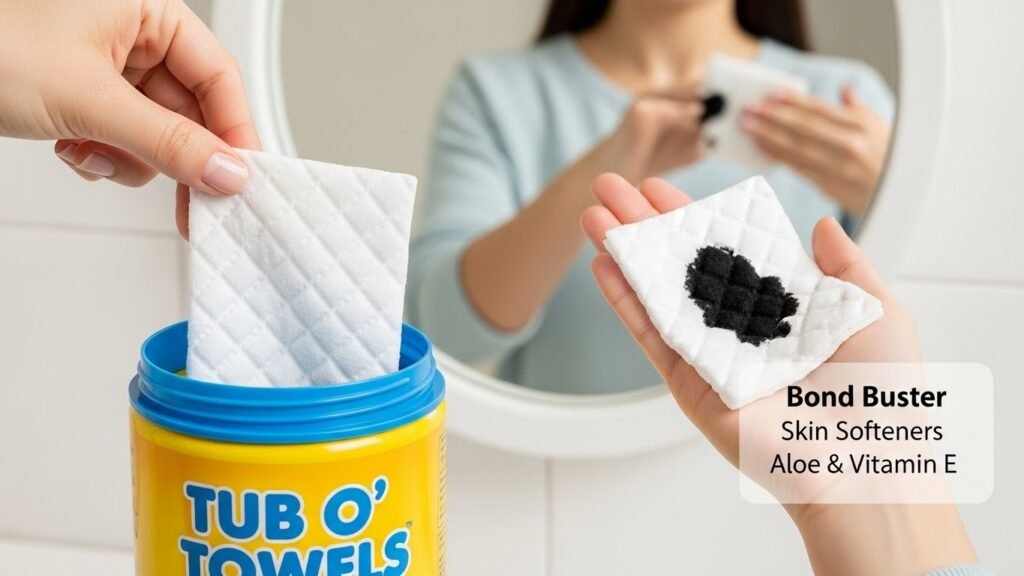
DIY methods are great but sometimes you want something easier. Heavy-duty wipes are made just for these kinds of messes. They are fast and you can take them anywhere. These wipes are way better than using harsh chemicals. Professional stylists love using these in the salon. Let’s look at why they work so well.
Exclusive Bond Buster™ Technology
- Scientific Design: This technology is made specifically for hair dye removal.
- No Scrubbing: It breaks the bond without you having to rub hard.
- Skin Safety: It is much softer on your skin than home scrubs.
Gentle Cleaning Agents and Skin Softeners
- Aloe: This helps cool the skin and prevents redness.
- Lanolin: It keeps your skin feeling very soft after cleaning.
- Vitamin E: This vitamin helps your skin stay healthy and strong.
- Biodegradable: These wipes are often better for the environment too.
VaporLock and Material Durability
- Special Seal: The package keeps the wipes from drying out.
- Textured Material: The quilted fabric grabs the dye effectively.
- Strong Build: The wipes will not fall apart while you scrub.
Proactive Prevention: How to Avoid Future Stains
The best trick is to never get stained at all. A little prep work goes a very long way. You can protect your skin in just a few minutes. Follow these steps for a mess-free coloring day. You will spend less time cleaning and more time glowing.
The Vaseline and Barrier Cream Method
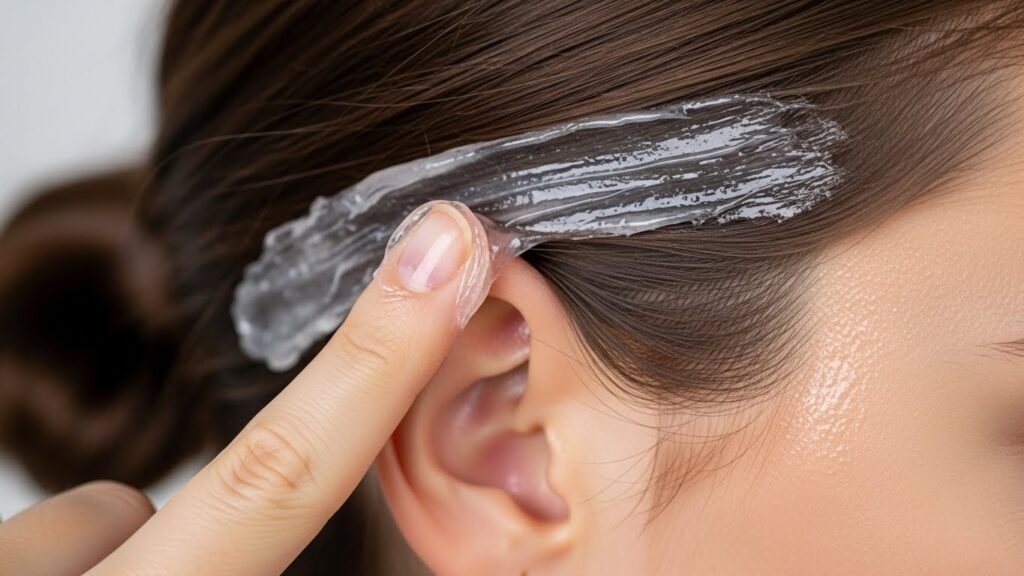
- Preparation: Rub Vaseline all around your hairline and ears.
- The Barrier: The dye cannot soak through the thick jelly layer.
- Cleanup: The jelly wipes right off when you are finished.
Essential Protective Gear
- Gloves: Always wear gloves to protect your hands and nails.
- Old Clothes: Wear a shirt you do not mind getting dirty.
- Brushes: Use applicator brushes to keep the dye off your skin.
Immediate Cleanup Strategy
- Stay Ready: Keep a wet cloth or wipe next to you.
- Quick Action: Wipe any drips as soon as they land.
- Fresh Stains: A fresh stain is ten times easier to remove.
Safety Precautions and Professional Guidance
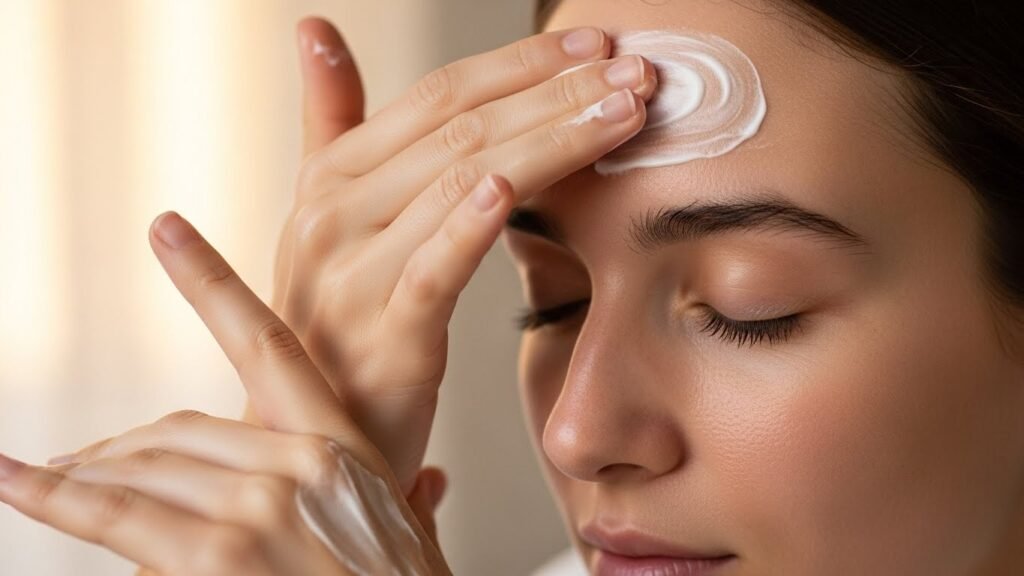
Sometimes cleaning can hurt your skin if you are not careful. You have to be smart about the methods you choose. Your skin health is more important than a little dye. If things get weird you should stop right away. Here is how to stay safe while cleaning.
Avoiding Common Mistakes
- Don’t Scrub Hard: Rough scrubbing can cause tiny cuts in your skin.
- Watch for Redness: Stop if your skin starts to burn or itch.
- Avoid Eyes: Keep all cleaning products away from your eyes.
- Moisturize: Always put lotion on after you finish cleaning.
When to Seek Professional Help
- Allergic Reactions: Call a doctor if you get a bad rash.
- Dermatologist: See a skin expert if the stain won’t go away.
- Stylist Help: A pro stylist can use special salon-grade removers.
Final Takeaway on Skin Recovery
- Natural Fading: Stains will naturally disappear in a few days.
- Skin Cycles: Your body sheds old skin cells and the dye goes too.
- Relax: If the stain is hidden just let it be.
| Method | Best For | Sensitivity Level |
| Micellar Water | Face and Hairline | Very Low |
| Olive Oil | Dry Skin | Very Low |
| Baking Soda | Hands and Arms | Medium |
| Rubbing Alcohol | Stubborn Spots | High |
| Acetone | Nails | Very High |
Frequently Asked Questions About Removing Hair Dye from Skin
While the main guide covers many methods, you might still have specific questions about different types of dye or unique situations. Here are more detailed answers to help you navigate your cleanup process.
Can I use cigarette ashes to remove hair dye?
Some old-school tips suggest mixing cigarette ashes with water to create a paste for scrubbing. While this is an old remedy, it is generally considered messy and unhygienic compared to modern solutions like micellar water or specialized wipes.
Is it safe to use laundry detergent on my face?
You should never use laundry detergent on your face because the skin there is too thin and sensitive. These detergents are made to clean fabric and can cause chemical burns or severe redness on facial skin.
Does professional hair dye come off differently than box dye?
Professional dyes often have higher-quality pigments, but the removal methods remain the same. Whether you use salon-worthy color or a box from the store, oil-based removers are usually effective for both.
Can hair dye stains be removed from human hair extensions?
If you get dye on the bond or clip-in portion of extensions, you can use a gentle wipe to clean it. Be very careful not to get alcohol or acetone on the hair itself, as it can dry out the extensions and cause shedding.
How do I get hair dye off my fingernails?
Nail polish remover with acetone is the best tool for cleaning dye off your nails or under the tips. Apply it with a cotton ball and wash your hands with soap immediately afterward to prevent the nails from becoming brittle.
What is the best way to clean dye off bathroom counters?
If you splash dye on your counter, heavy-duty wipes or a mixture of baking soda and water work great. Wipe it up as soon as it happens so the pigment doesn’t have time to sink into the porous surface.
Does milk really work on dark hair dye?
Yes, the fats and proteins in milk can help lift even dark pigments if the stain is still relatively fresh. It is one of the safest methods for people who suffer from skin allergies or extreme sensitivity.
Will swimming in a pool help remove dye from my skin?
The chlorine in pool water can help fade dye on the skin, but it is not a recommended removal method. Chlorine is very drying and could irritate skin that is already stressed from the dyeing process.
Should I use a toothbrush to scrub my hairline?
You can use a soft-bristled toothbrush to gently apply toothpaste or a baking soda paste. However, do not scrub hard, as the skin along the hairline is delicate and can easily tear or become inflamed.
How does Bond Buster technology differ from soap?
Standard soap simply washes the surface, but Bond Buster technology actually breaks the chemical link between the dye and your skin. This allows the pigment to lift away without the need for painful scrubbing.
Can I use baby wipes if I don’t have heavy-duty wipes?
Baby wipes are very gentle and may work on very fresh, light splatters. They usually lack the specific cleaning agents needed to break down permanent hair dye once it has dried.
Why is petroleum jelly used as a barrier cream?
Petroleum jelly creates a waterproof seal that dye cannot penetrate. By applying it to your forehead and ears, the dye sits on top of the jelly instead of soaking into your skin cells.
Is lemon juice safe for dark skin tones?
Lemon juice is a natural bleach and should be used with caution on darker skin tones to avoid temporary lightening of the skin. Always follow up with a moisturizer to keep the skin barrier healthy.
What should I do if I have an allergic reaction to a remover?
If you feel burning or see bumps, wash the area with cool water immediately and stop using the product. Consult a dermatologist if the redness doesn’t go away within a few hours.
Can I remove hair dye with hand sanitizer?
Yes, hand sanitizer contains isopropyl alcohol which acts as a solvent for the dye. It is a convenient option if you are in a rush, but it can be very drying to the skin.
Why do some stylists use leftover dye to remove stains?
This works because the chemicals in the “wet” dye can reactivate and soften the “dry” dye on your skin. Once the stain is softened, it wipes away much easier with a soapy cloth.
How does VaporLock technology help with cleaning?
VaporLock technology keeps the cleaning solution inside the wipes from evaporating. This ensures that every wipe is just as effective as the first one, even if the container has been open for a while.
Is it okay to use olive oil if I have oily skin?
Yes, olive oil is fine to use because you will be washing it off with soap and water afterward. It effectively dissolves the dye without causing long-term greasiness.
Can I use a salt scrub instead of a sugar scrub?
Both work as physical exfoliants to lift dye, but salt can sting if you have any tiny scratches on your skin. Sugar is generally a bit gentler for the face and neck area.
How often can I try these removal methods?
If the first attempt doesn’t work, wait a few hours before trying a different method to avoid over-irritating your skin. Giving your skin a break allows the natural oils to replenish.
