


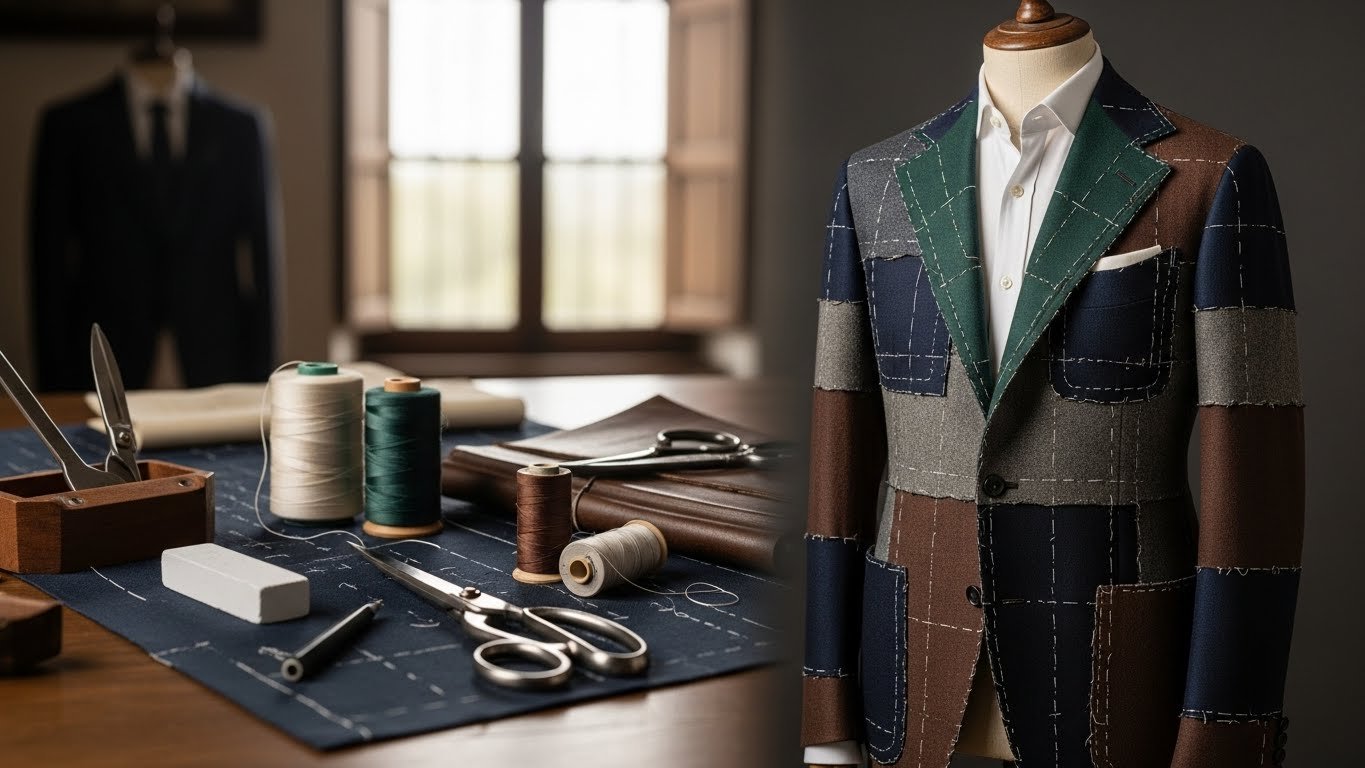
Gessolini is way more than just a fancy name for clothes. It is a deep Italian tradition that mixes art with real-life skills. People call it a forgotten craft that is now changing how we think about fashion. You might wonder what makes it so special in a world full of cheap, fast clothes. Gessolini is about taking your time to make something perfect. Every single stitch tells a story about the person who made it. It is like wearing a piece of history that still looks cool today.
What is Gessolini?
At its heart, Gessolini is a very specific way of making clothes and patterns. It comes from Italy and focuses on hand-made beauty. This style is famous for being precise but also very artistic. It is not just about looking good for a moment. It is about creating a look that lasts for a lifetime.
Defining the Craft
Gessolini is an artisanal fashion style that uses old-school techniques. It relies on manual precision instead of big, loud machines. This craft turns simple fabric into a luxury garment with a soul. It is a key part of the slow fashion movement.
- Handmade quality makes every piece feel personal and unique.
- Artistic vision helps the tailor express their own creativity.
- Precision work ensures the garment fits exactly how it should.
The Etymology
The name comes from the Italian word gessolino. This word actually means little chalk in English. Early tailors used small pieces of chalk to draw on fabric. This simple tool became the symbol of a whole way of life. Now, the name stands for heritage and high-end skill.
The Core Identity
The true identity of Gessolini is a mix of three main things. It combines rich history, smart design, and great storytelling. Tailors do not just cut cloth; they build a narrative. Every line drawn with chalk is a part of that story. It is a lifestyle brand that values quality over everything else.
The Origins and Evolution of Gessolini

Gessolini has a very long and exciting history in Europe. It did not just appear out of nowhere one day. It grew slowly through the hard work of many generations. These artisans passed down their secrets to keep the flame alive.
Historical Roots in Central Italy
This tradition started in the heart of Italy many years ago. Specifically, it took root in places like Tuscany and Emilia-Romagna. These areas were famous for their beautiful art and buildings. The local tailors wanted their clothes to match that beauty. They used local wool and silk to start their work.
15th–17th Century Guilds
During these centuries, tailoring was organized into strict guilds. Cities like Florence and Bologna were the main hubs for this. Master tailors in these guilds began using chalk to sketch ideas. This helped them plan out very complex and fancy designs. It was the birth of pattern drafting as an art form.
The 18th Century Shift
In the 1700s, fashion started to change quite a bit. Clothes moved away from stiff, military-style uniforms. People wanted decorative styles that were easier to move in. Gessolini adapted by adding more flair and soft shapes. This made the style popular with regular people, not just soldiers.
Global Expansion in the 19th Century
Trade routes helped Gessolini travel far beyond the Italian borders. The techniques spread into places like France and Spain. Even parts of North Africa began to use these tailoring methods. It became known as a top-tier European fashion tradition. People everywhere respected the “little chalk” method.
The 20th Century Industrial Decline
The 1900s were a tough time for handmade crafts. Big factories started making clothes very fast and very cheap. This mass production almost pushed Gessolini out of the market. Most people forgot about the slow, careful way of tailoring. Only a few small ateliers kept the tradition going.
The 21st Century Renaissance
Today, Gessolini is making a huge comeback in the world. People are tired of cheap clothes that fall apart quickly. Designers are rediscovering these old Italian secrets for their collections. It is now a symbol of sustainable fashion and luxury. Everyone wants a garment that has a real history.
Signature Techniques and Key Features
Gessolini stands out because of how the clothes are made. There are specific steps that every true artisan follows. These steps ensure the garment is strong and beautiful. It is the opposite of how clothes are made in factories.
Chalk-Drawn Patterning (Draftwork)
Everything starts with the chalk draftwork on the fabric. The tailor draws the lines freehand without using a computer. This means every piece of clothing is a one-of-a-kind. It allows for a level of customization you cannot get elsewhere. The chalk marks represent the human touch in fashion.
- Freehand lines show the unique skill of the master tailor.
- Custom fit is much easier to achieve with hand-drawing.
- Originality is guaranteed because no two drawings are the same.
Ornamental Seaming and Visible Stitching
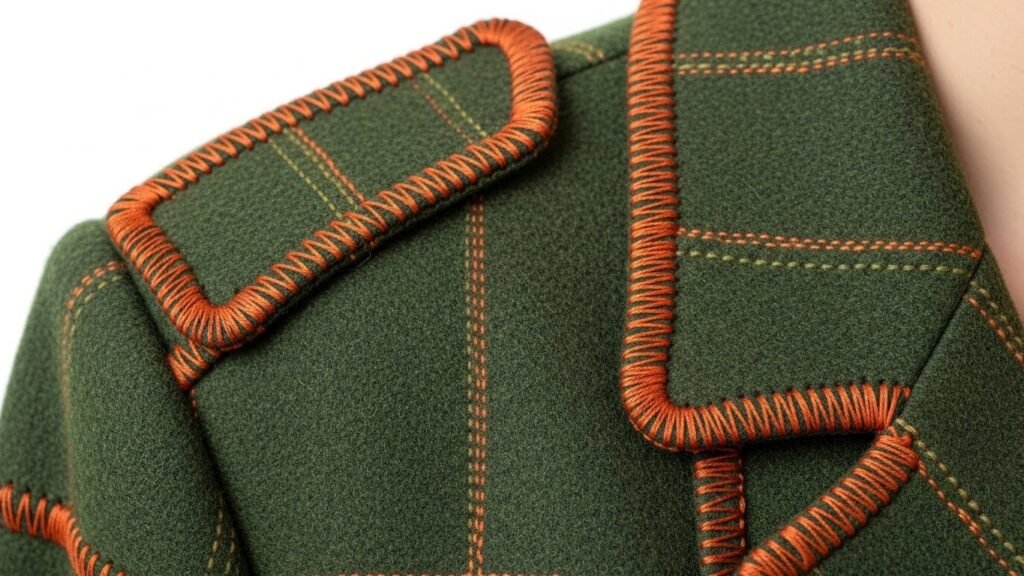
In Gessolini, the seams are not meant to be hidden. Tailors use ornamental stitching to make the seams look pretty. They often use dyed thread to make the lines pop out. This celebrates the hard work that goes into the sewing. It turns a functional part of the coat into decoration.
Layered Paneling and Fabric Depth
Gessolini uses layered paneling to give clothes a 3D look. Tailors combine different fabrics to create texture and depth. This makes the garment feel very substantial and high-quality. It adds a tactile texture that feels great to touch. The layers also help the clothing keep its shape longer.
Symbolic Embroidery
Embroidery in this style is about more than just decoration. It often includes geometric codes and specific shapes. Waves and spirals are very common symbols used in the art. These marks can represent a family history or a cultural myth. It makes the clothing feel like a secret message.
Tactile Closures
Even the buttons and toggles are chosen with great care. Gessolini uses tactile closures that are easy to use by hand. They might use hand-tied knots instead of plastic zippers. These details make the experience of getting dressed feel special. It is all about the interaction between the person and the cloth.
Design Philosophy and Visual Identity
The Gessolini look is very easy to spot once you know it. It has a vibe that is both very old and very new. The goal is to make things that never go out of style. It is about sophisticated living and a clean aesthetic.
Founding Vision
The founders wanted to bring back the glory of European fashion. They aimed to combine old history with modern practicality. This means the clothes look like art but work for daily life. It is a vision of redefined elegance for the modern world. They wanted to create a community that loves real craft.
Nature-Inspired Palettes
The colors used in Gessolini often come from the world around us. You will see a lot of earthy tones and sky blues. This palette makes the clothes feel calm and natural. It connects the wearer to the environment in a subtle way. These colors stay relevant no matter what the current trend is.
Fluid Silhouettes and Form
Gessolini clothes have a very fluid form that moves with you. They use clean lines to create a sharp, modern silhouette. This avoids the stiff feeling of some other high-end brands. You get to feel comfortable while looking totally professional. It is a perfect balance of shape and function.
The Concept of Storytelling Garments
Every piece of Gessolini is meant to tell a specific story. The textures and shapes are picked to share a narrative. When you wear it, you are showing off your own values. It is a way to express your individuality without saying a word. These garments become part of your own personal history.
Gessolini in Contemporary Lifestyle and Fashion
Gessolini is not just stuck in the past or in museums. It is very much alive in the fashion world today. You can find it in homes, on movie sets, and on runways. It is a versatile style that fits many different lives.
Modern Style Integration
The clean lines of Gessolini make it easy to wear with anything. You can pair a Gessolini jacket with jeans for a casual look. Or, you can wear a full suit to a very formal event. It is a wardrobe essential for anyone who likes modern style. It brings a touch of luxury to your everyday routine.
The Resurgence in Couture
High-end fashion houses are now using Gessolini techniques. They love the look of the visible chalk lines on the fabric. It shows the world that the garment was made by a person. This “unfinished” look has become a new trend in luxury fashion. It celebrates the process of making the art, not just the result.
Beyond Clothing: Interior Design and Art
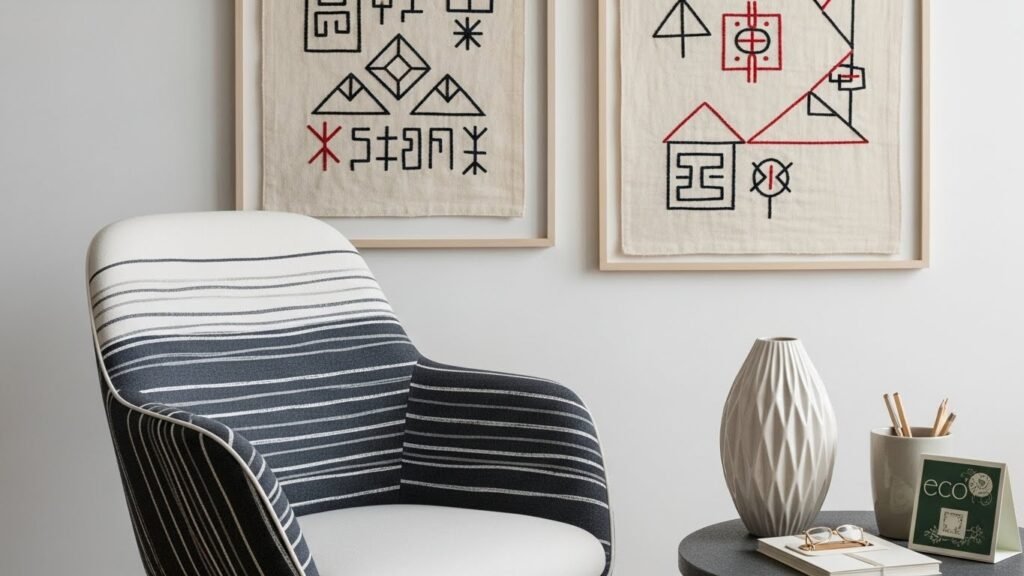
The Gessolini vibe is moving into other parts of our lives too. It is becoming a full lifestyle brand for the home.
- Interiors often feature layered curtains and fancy upholstery.
- Film and Costume designers use it for authentic period costumes.
- Fine Art includes wall hangings that use chalk and stitching.
Lifestyle Products
Gessolini is also making smaller items for your daily life. This helps people enjoy the aesthetic without buying a full suit.
- Accessories like bags and scarves feature the same high quality.
- Home decor includes things like chic vases and wall art.
- Stationery sets and journals help you be creative with style.
Comparison with Global Artisanal Traditions
Italy is not the only place with amazing handmade traditions. Gessolini is part of a bigger global family of crafts. Each culture has its own way of telling stories with needles. Comparing them helps us see why Gessolini is so special.
Gessolini (Italy)
Gessolini is all about the chalk and the layered panels. It focuses on the structure and the narrative of the garment. It feels very European and very sophisticated. The goal is to make a piece that feels like a tailored masterpiece.
Sashiko and Boro (Japan)
Japan has two very famous traditions called Sashiko and Boro. Sashiko uses beautiful white stitching on blue indigo fabric. Boro is about patchwork mending to make clothes last longer. Both value the idea that old things have more beauty. Gessolini shares this respect for longevity and repairability.
Kantha (India/Bangladesh)
Kantha is a tradition from South Asia that uses running stitches. It often uses layers of old saris to make new blankets or clothes. This is very similar to the layered paneling in Gessolini. Both styles use simple stitches to create very complex patterns. It shows that heritage is important all over the world.
Broderie Anglaise (England)
This English style is famous for its eyelet embroidery. It creates a very light and airy look with small holes in the cloth. Gessolini is usually more structural and heavy than this style. While Broderie Anglaise is about minimalism, Gessolini is about depth. Both, however, require extreme manual precision to do correctly.
The Modern Dilemma: Artisan vs. Machine
Technology has changed everything about how we make things. This creates a big choice for people who love Gessolini. Do we stick to the old ways or use new tools?. It is a constant debate in the fashion community.
The Industrial Conflict
Fast fashion is the biggest enemy of the Gessolini tradition. Machines can make a thousand shirts while a tailor makes one. But machine-made clothes lack the soul and the perfect fit. They often use cheap materials that don’t last very long. Choosing Gessolini is a way to say “no” to this waste.
Hybrid Craftsmanship
Many modern ateliers are finding a middle ground today. They use machines to do the long, boring straight lines. Then, they do all the decorative stitching by hand. This keeps the price a bit lower but keeps the quality high. It is a smart way to keep the tradition alive in a fast world.
The Pure Artisan Approach
Some tailors still refuse to use any machines at all. They believe that the “little chalk” must be 100% manual. This approach is very expensive and takes a long time. But the results are unlike anything else you can buy. These pieces are treated like true works of art, not just clothes.
Gessolini Craftsmanship vs. Industrial Standards

| Feature | Gessolini Traditional Tailoring | Modern Industrial Standards |
| Pattern Creation | Patterns are drawn freehand with chalk (gessolino) directly onto the fabric. | Patterns are digitally generated and laser-cut for thousands of units. |
| Garment Fit | Focuses on bespoke, manual precision for a unique body shape. | Uses standardized “ready-to-wear” sizes for mass appeal. |
| Seam Treatment | Features ornamental stitching and visible, decorative seams. | Uses hidden, basic seams designed for speed and low cost. |
| Fabric Usage | Employs layered paneling to add depth, texture, and structure. | Uses single-layer, thin fabrics to save on material costs. |
| Detailing | Includes symbolic embroidery and hand-tied tactile closures. | Uses machine embroidery and plastic zippers or mass-produced buttons. |
| Durability | Built for longevity, repairability, and generations of use. | Often follows “fast fashion” cycles where clothes are disposable. |
| Sustainability | Uses local sourcing, organic fabrics, and circular design. | Relies on global supply chains and high-waste manufacturing. |
| Production Speed | Slow fashion approach; takes weeks or months for one piece. | High-speed production; thousands of items made per day. |
Key Differences in Production Philosophy
- The Human Touch: Gessolini relies on the artisan’s eye and manual precision to handle fabric tension.
- Material Integrity: Traditional methods prioritize high-quality wool, linen, and silk that improve with age.
- Narrative Design: Every Gessolini garment is intended to be a piece of cultural storytelling.
- Environmental Impact: Artisanal fashion focuses on a low carbon footprint through ethical labor and local sourcing.
- Functional Art: While industrial clothes are purely functional, Gessolini pieces serve as wearable textile art.
Sustainability, Ethics, and Circular Fashion
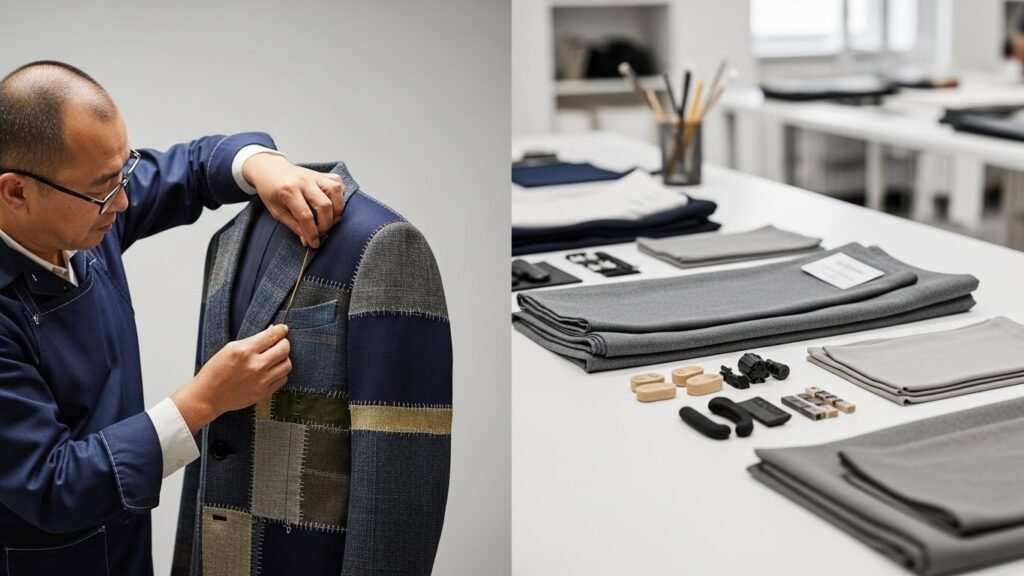
Gessolini is a perfect fit for the green movement. It naturally follows the rules of being kind to the planet. It is about making fewer things but making them better. This helps reduce the total amount of trash in the world.
Durable Construction
A Gessolini coat is built to last for your whole life. The materials are strong and the stitches are very secure. You won’t need to buy a new one every single year. This saves you money and helps the environment at the same time. It is a great example of longevity in fashion.
Responsible Sourcing
Modern Gessolini brands focus on using organic fabrics. They also look for recycled components whenever they can. Many materials are sourced locally in Italy to save fuel. This local sourcing supports small farmers and traditional weavers. It keeps the carbon footprint of the garment very low.
Modular and Circular Design
Circular design means the garment can be changed or fixed. Gessolini uses modular panels that can be swapped out. If one part of your jacket gets a hole, you fix just that part. This prevents the whole item from going into the trash. It is a very smart way to handle garment construction.
Ethical Labor Practices
This tradition relies on master tailors who are treated well. Ethical labor is a huge part of the Gessolini identity. Workers are paid fair wages and work in safe shops. There are no “sweatshops” in the world of true Italian tailoring. It is fashion that feels good to wear and to support.
Gessolini in the Digital and Global Age
It might seem weird that a 500-year-old craft is on TikTok. But the internet is actually helping Gessolini survive. It connects the old masters with young people everywhere. It is a new way to share a very old cultural memory.
Social Media as a Preservation Tool
Instagram and TikTok are great for showing off handcraft. People love watching a tailor draw with chalk on wool. These videos help people understand why handmade items cost more. It builds a community of fans who love the “behind-the-scenes”. Digital preservation keeps the secrets from being lost forever.
Global Expansion
The Gessolini aesthetic is now growing in places like Asia. Emerging markets are looking for luxury that feels authentic. People in big cities want to stand out with unique pieces. Gessolini offers a global appeal that works in any culture. It is becoming a top choice for trendsetters worldwide.
Digital Strategy
Brands are now using storytelling to sell their products online. They don’t just show a picture of a bag or a suit. They explain where the fabric came from and who made it. This digital marketing builds a deeper trust with the customer. It makes the shopping experience feel much more personal.
The Ultimate Gessolini Care and Longevity Guide
Cleaning and Washing
- Avoid machines because standard washing cycles can ruin the delicate ornamental stitching and structural depth.
- Professional care is highly recommended to maintain the integrity of high-quality materials like wool, linen, and silk.
- Gentle hand-cleaning can be used for small spots, but you must be careful not to rub the fabric too hard.
- Steam instead of iron to refresh the fibers without crushing the layered paneling or fading the symbolic embroidery.
Storage and Handling
- Use wide hangers made of wood or padded material to support the heavy, layered garment construction.
- Give it space in your closet so the fluid silhouettes do not get crushed or lose their natural form.
- Breathable garment bags are best for long-term storage to protect the textile quality from dust and moths.
- Brush regularly with a soft-bristle clothes brush to remove dust and keep the tactile texture looking fresh.
Repairability and Maintenance
- Embrace the mend by using patchwork mending or decorative thread if a small hole appears.
- Modular panel care allows you to have a master tailor replace or reconfigure specific sections without replacing the whole item.
- Check the closures like hand-tied knots and toggles to make sure they remain secure and functional.
- Save the scraps if your garment came with extra fabric, as these are perfect for authentic future repairs.
Quick Reference Maintenance Table
| Task | Frequency | Purpose |
| Air Out | After every wear | Removes odors and lets natural fibers breathe. |
| Soft Brushing | Monthly | Removes surface dirt before it settles into the weave. |
| Professional Inspection | Once a year | Catches loose threads in ornamental seaming early. |
| Steam Refresh | As needed | Removes wrinkles while protecting the chalk-drawn aesthetic. |
This guide ensures that your clothing remains a piece of wearable art for years to come. By following these steps, you honor the manual precision and heritage of the Italian artisans who created your garment.
Preservation, Education, and the Future
To keep Gessolini alive, we have to teach it to others. It cannot just be for a few old men in Italy. The future depends on young designers learning the rules. Luckily, there is a lot of interest in these skills right now.
Workshops and Cooperatives
Regional Italian centers are now holding public workshops. Anyone can go and learn the basics of chalk drafting. Small cooperatives help tailors work together and share tools. This keeps the artisan community strong and connected. It makes the craft accessible to more people every year.
Academic Recognition
Top fashion schools in Milan and Paris are taking notice. They have started adding Gessolini modules to their classes. Students learn how to blend old needlework with new styles. This gives the tradition a permanent place in fashion education. It ensures that the “little chalk” stays in the history books.
Digital Archives
Museums and schools are now digitizing old pattern notes. They are creating a massive library of Gessolini designs online. This lets designers from all over the world see how it’s done. It is a safe way to store archival patterns for the future. We are using new tech to protect very old ideas.
Voices from the Craft
Master tailors like Elena Vitelli say that chalk is alive. They feel like they are bringing back a lineage with every line. Other designers like Luca Marchesi say the point is to be “un-trendy”. This means the clothes are always in style because they don’t follow fads. These voices help us understand the passion behind the work.
Gessolini Certificate of Provenance
The Artisan’s Mark
- Master Tailor: [Name of the Artisan]
- Atelier Location: [City, e.g., Florence or Bologna, Italy]
- Date of Creation: [Month/Year]
Materials and Sourcing
- Primary Fabric: [e.g., Organic Wool or Raw Silk]
- Sourcing Notes: [e.g., Locally sourced from Tuscan mills]
- Dye Method: [e.g., Natural plant-based dyes for ornamental thread]
Signature Details
- Patterning Style: Hand-drawn with traditional gessolino (little chalk)
- Stitching Narrative: [Describe the story told through the ornamental seaming]
- Symbolic Embroidery: [e.g., Spirals representing growth or geometric codes]
- Closure Type: Hand-tied silk knots and tactile toggles
The Story of This Piece
This garment was built using the forgotten techniques of 15th-century Italian guilds. It features layered paneling for structural depth and was designed for lifelong durability. By owning this piece, you are supporting ethical labor and the digital preservation of artisanal fashion.
“When I lay chalk to wool, I’m reviving a lineage, not just marking fabric.” — Master Tailor Elena Vitelli
Care for Generations
This item is a work of textile art and should be treated with care. Please refer to the official Gessolini Care Guide for details on cleaning and repairability.
Conclusion: The Quiet Rebellion of Gessolini
Gessolini is a quiet rebellion against a world that is too fast. It tells us that time and hands really do matter. It proves that we can have a future that respects the past. By choosing this style, you are choosing quality and truth.
This craft is a roadmap for a better way to live. It shows us that clothing can be artful and ethical. It connects us to our culture and to each other. Gessolini is not just about a suit; it is about care. It is a beautiful way to show the world who you are.
FAQs: Deep Dive into the Gessolini Tradition
What are the specific chemical properties of traditional tailoring chalk?
Tailoring chalk, or gessolino, is typically made from a mixture of clay, calcium carbonate, or soapstone. These materials are chosen because they leave a visible mark on heavy fabrics like wool without damaging the fibers. The chalk is designed to be easily brushed away or steamed off once the permanent stitching is complete.
How do master tailors sharpen their gessolino for fine detail?
Artisans often use a specialized chalk sharpener or a small blade to keep the edges of their chalk paper-thin. A sharp edge is required to create the manual precision needed for complex pattern drafting. This ensures that the chalk-drawn patterning remains accurate to within a millimeter.
Can Gessolini techniques be applied to lightweight summer fabrics like linen?
Yes, while traditionally used for heavier wools, Gessolini principles are adaptable to linen and silk. Because linen wrinkles easily, the structural layered paneling helps the garment maintain a crisp silhouette. The ornamental stitching must be done with lighter tension to avoid puckering the delicate fabric.
What role does humidity play in the chalk drafting process?
In regions like Tuscany, tailors must account for moisture in the air which can affect how chalk adheres to the fabric. High humidity may cause the chalk lines to blur or fade prematurely during the garment construction phase. To prevent this, many niche ateliers maintain strictly controlled environments to protect their handcraft.
How is the “storytelling” aspect of a garment documented for the owner?
Many luxury Gessolini brands include a “provenance card” or a small journal with the garment. This documentation explains the narrative-driven design, the origin of the materials, and the specific symbols used in the embroidery. It serves as a physical record of the cultural storytelling embedded in the piece.
Are there specific knots used in Gessolini tactile closures?
The closures often utilize traditional Italian knots that are designed to be manipulated easily by touch alone. These knots are frequently reinforced with dyed thread to ensure they remain functional and decorative over decades of use. This focus on functionality is a hallmark of modern practicality within the brand.
Does Gessolini have a specific “signature” stitch?
While techniques vary, a common signature is the “broken line” stitch used in ornamental seaming. This stitch mimics the look of the original chalk draftwork, leaving a permanent reminder of the artisan’s initial sketches. It is often done in a contrasting color from nature’s palette to emphasize the handcraft.
How do Gessolini practitioners view the use of 3D body scanning?
Most traditionalists view 3D scanning as a threat to the soul of the craft, preferring manual measurement and chalk drafting. However, some modern innovators use scanning as a baseline before refining the fit through traditional hand-drawn methods. This represents the ongoing cultural dialogue between innovation and heritage.
What is the typical apprenticeship length for a Gessolini master tailor?
A full apprenticeship in a regional Italian cooperative can take between five to ten years. Students must first master the art of gessolino marking before they are allowed to move on to complex garment construction. This long training period ensures that manual precision and cultural memory are properly preserved.
How does the circular design aspect handle the recycling of old garments?
Gessolini pieces are designed with modular panels that can be unpicked and reused in new designs. This circular design philosophy ensures that high-quality materials like wool and silk never go to waste. It promotes responsible consumption and minimizes the environmental impact of the fashion community.
Are there specific geometric codes for different family lineages?
Historically, certain patterns in symbolic embroidery were used to identify specific families or guilds in Florence and Bologna. Today, these geometric codes are often used to represent personal milestones or values chosen by the customer during the bespoke process.
Can Gessolini items be cleaned in a standard washing machine?
No, due to the intricate detailing and natural materials, these items almost always require professional care or gentle hand-cleaning. Standard machines can damage the delicate ornamental stitching and the structural fabric depth. Proper care is essential for the longevity and durability of the garment.
How do Gessolini designers collaborate with contemporary artists?
Many lifestyle brands engage in artistic collaborations to create limited-edition prints or wall art. These collaborations often blend traditional textile design with modern abstract art, creating a unique aesthetic appeal.
What makes Gessolini bags different from standard luxury leather goods?
Gessolini bags often incorporate textile panels and ornamental seaming typically reserved for clothing. They prioritize tactile texture and versatility, making them suitable for both casual outings and evening galas.
Why is the “diminutive” form of the word chalk used for this craft?
Using the word gessolino (little chalk) highlights the humility and intimacy of the artisan’s work. It suggests that great art begins with a small, simple tool and a human hand. This humble origin is a key part of the brand’s authenticity.
Is there a specific type of silk used in Gessolini lining?
Artisans often prefer heavy-weight charmeuse or habotai silk for the inner layers. These fabrics provide the necessary comfort and durability while allowing for intricate symbolic embroidery on the interior.
How do Gessolini principles translate to stationery and journals?
The stationery line uses recycled components and patterns inspired by chalk draftwork. The journals often feature covers made from leftover textile scraps, emphasizing the brand’s social responsibility and anti-waste stance.
Do Gessolini practitioners use natural dyes for their thread?
Many sustainable fashion labels within this movement prioritize plant-based and mineral dyes for their dyed thread. This ensures that even the smallest details of the garment align with ethical practices and eco-friendly standards.
What is the role of the “waistcoat” in Gessolini history?
The waistcoat was often the primary canvas for symbolic embroidery and layered paneling in 18th-century civilian tailoring. It allowed men to express individuality and status through intricate needlework and bold colors.
How can a consumer verify the authenticity of a Gessolini product?
Authentic pieces usually feature visible, hand-finished chalk remnants on the underside of the fabric. They also come with a certificate of craftsmanship from the specific niche atelier or master tailor who created the piece.
