


Is hyaluronic acid good for oily skin? This question pops up a lot. Many people with greasy skin think they should avoid more moisture. They worry that adding hydration will make them look like a disco ball. Actually, the opposite is usually true for most people. Your skin might be oily because it is actually very thirsty.
Understanding the Basics: What is Hyaluronic Acid?
Hyaluronic acid is a superstar in the world of beauty. It is a sugar molecule that your body makes naturally. You can find it in your joints and your skin. Its main job is to keep things lubricated and wet. Think of it as a tiny sponge inside your body.
A Natural Powerhouse
Your body already knows how to use this molecule. It is a polysaccharide that lives in your connective tissues. Because your body makes it, it is very safe to use. You do not have to worry about weird reactions often. It feels very natural when you put it on.
The Humectant Mechanism
A humectant is a fancy word for something that loves water. Hyaluronic acid can hold 1,000 times its weight in water. It pulls moisture from the air into your skin. This keeps your face feeling fresh all day long. It is like giving your skin a giant glass of water.
Pure Hydration
Some moisturizers use heavy oils to hydrate the skin. Hyaluronic acid is different because it uses water. It does not add any extra grease to your face. This is perfect for people who already have enough oil. It provides pure wetness without any heavy lipids.
The Acid Misnomer
Do not let the word acid scare you away. It is not like the acids that burn or peel skin. It does not exfoliate your face at all. Instead, it works to soothe and cushion your skin cells. It is one of the gentlest things you can use.
Gentle Nature
This ingredient is bio-identical to what you have inside you. This makes it a great choice for sensitive skin types. It rarely causes any redness or stinging during use. Most people find it very calming and helpful.
The Molecular Science of HA: Weight Matters
Not all hyaluronic acid is the same. Scientists make it in different sizes for different results. These sizes are called molecular weights. Understanding these weights helps you pick the right product. Each size does a different job for your face.
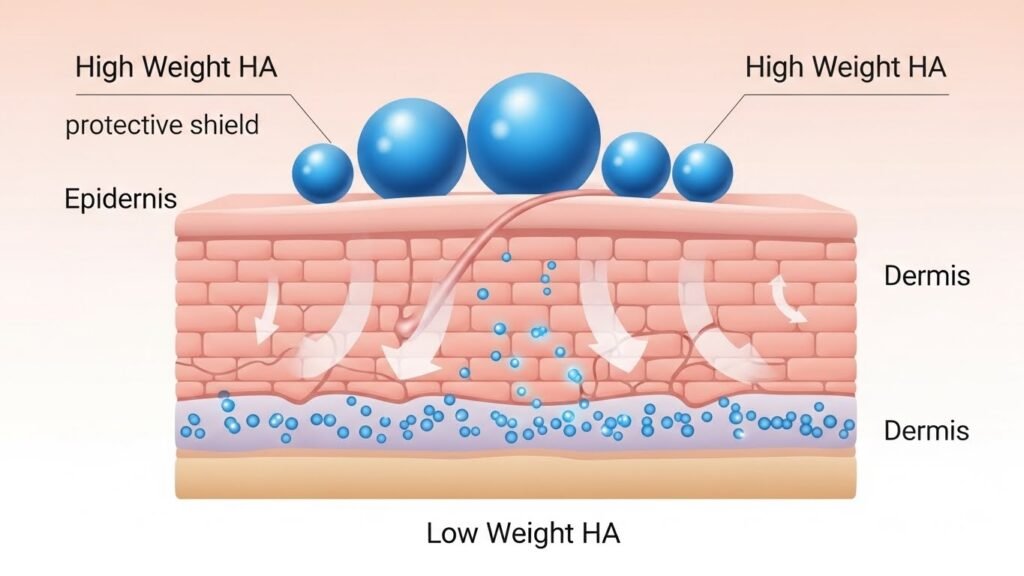
High Molecular Weight HA
This version has large molecules that stay on top. It forms a breathable film on the surface. This film makes your skin look smooth right away. It also stops water from leaving your skin. It gives you that instant glow everyone wants.
Low Molecular Weight HA
These molecules are tiny enough to go deeper down. They provide long-term hydration below the surface. This helps fix skin that is dry on the inside. It is the best way to treat deep dehydration. Your skin will feel bouncy and healthy over time.
Sodium Hyaluronate vs. Pure Hyaluronic Acid
You might see sodium hyaluronate on your bottle label. This is a salt form of the acid. It is smaller and more stable than pure hyaluronic acid. It can penetrate the skin much easier than the regular version. Many experts prefer it for deep-level skin care.
The Science of Oily Skin: Why Does it Happen?
Having oily skin can feel like a constant struggle. You might feel like you are always washing your face. There are many reasons why your skin produces so much oil. Most of them are things you cannot even control. Understanding the “why” is the first step to fixing it.
Genetics and Biological Factors
Your DNA plays a huge role in your skin type. Some people are just born with bigger oil glands. These glands are called sebaceous glands. If your parents had oily skin, you likely will too. It is just how your body was built.
Hormonal Fluctuations
Hormones act like messengers in your body. Androgens are hormones that tell your glands to make oil. These levels change during puberty or monthly cycles. Even stress can mess with your hormone levels. This often leads to a sudden oily mess on your face.
Environmental Triggers
The world around you affects how your skin acts. High humidity makes your oil glands go into overdrive. Hot summer days usually make the grease much worse. Your skin tries to protect itself from the heat. This results in more shine and more breakouts.
Lifestyle Stressors
Life can be very stressful and busy. When you are stressed, your body makes a hormone called cortisol. High cortisol levels lead to more oil production. Not getting enough sleep also ruins your skin balance. A tired body usually means an oily face.
The Paradox of Dehydration
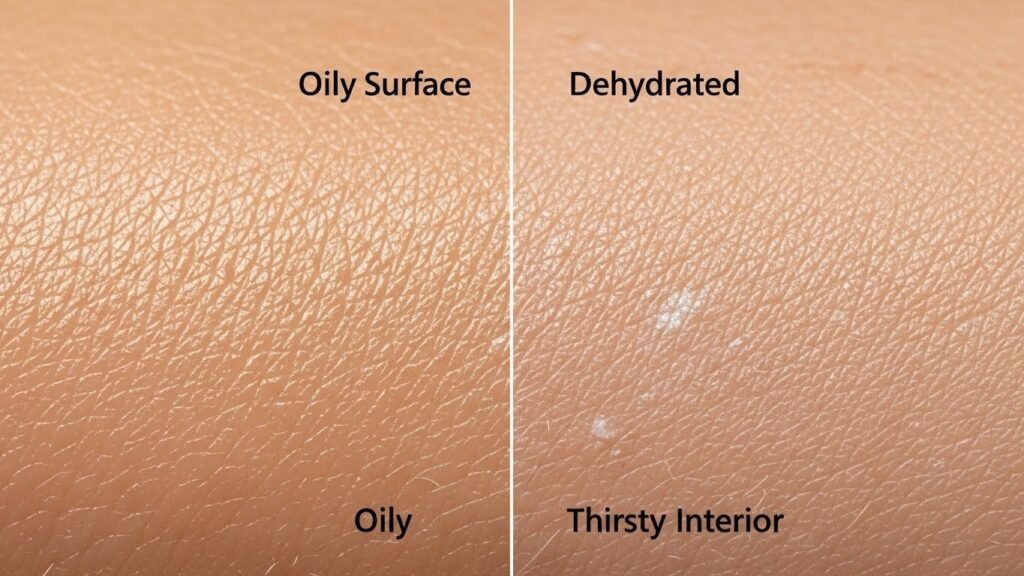
This is the most confusing part of skin care. Your skin can be oily and dehydrated at the same time. Dehydration means your skin lacks water, not oil. When skin is thirsty, it makes more oil to compensate. This makes you look greasy when you are actually dry.
The Core Question: Is Hyaluronic Acid Good for Oily Skin?
The short answer is a big yes. It is one of the best things for greasy skin. It gives you the water you need without the oil. This helps balance everything out over time. It is a total game-changer for your daily routine.
The Expert Verdict
Most dermatologists recommend this for oily types. It solves the hydration problem without making acne worse. It is the missing link for many people. It helps your skin feel soft and balanced. You will see a big difference in how your skin looks.
Non-Comedogenic Properties
Non-comedogenic means it will not clog your pores. This is very important if you get pimples. Hyaluronic acid is naturally oil-free and very light. It sits comfortably on the skin without causing blocks. You can use it without fearing new breakouts.
Weightless Texture
Nobody likes feeling heavy products on their face. HA serums feel like thin water or light gels. They sink into the skin almost instantly. You will not feel sticky or gross after applying it. It is perfect for people who hate heavy creams.
Key Benefits of Hyaluronic Acid for Oily and Acne-Prone Types
There are so many reasons to love this ingredient. It does more than just hydrate the surface. It helps your skin function better every single day. If you have acne, it can be a lifesaver. Here are the main ways it helps you.
Regulating and Lowering Sebum Production
- The Bio-Feedback Loop: When your skin is wet enough, it relaxes. It stops sending signals to make more oil.
- Scientific Evidence: Studies show that HA can actually lower oil levels. It helps your face stay matte for longer periods.
- Oil Balance: It teaches your skin how to be normal again. You will notice less shine during the afternoon hours.
Supporting Acne Treatments
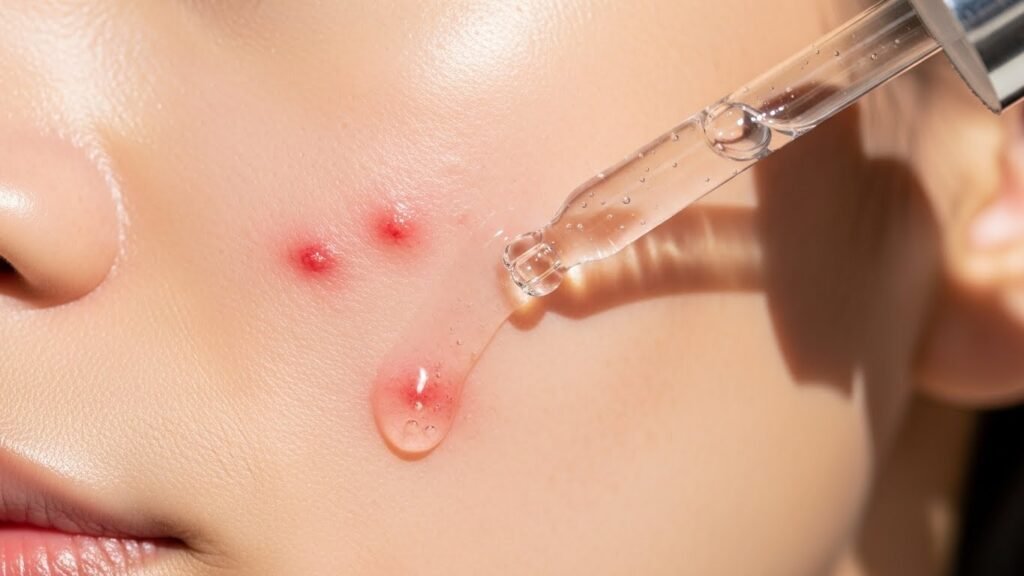
- Counteracting Dryness: Acne meds like benzoyl peroxide can be very harsh. HA helps fix the dry patches they leave behind.
- Reducing Inflammation: It helps calm down red and angry pimples. Your skin will look less irritated and more even.
- Faster Healing: Well-hydrated skin can repair itself much faster. This means your blemishes might go away sooner.
Improving Skin Texture and Pore Appearance
- The Plumping Effect: It makes your skin look full and healthy. This can hide small scars or uneven spots.
- Refining Pores: Hydrated skin stays firm and tight. This makes your pores look much smaller to the eye.
- Smooth Surface: It gets rid of those weird flaky bits on your nose. Your makeup will go on much smoother.
Strengthening the Skin Barrier
- Lipid Barrier Support: It helps keep your skin’s protective wall strong. This keeps bacteria out and moisture in.
- Preventing Water Loss: It stops water from evaporating into the air. This keeps your cells happy and healthy.
- pH Maintenance: It helps keep your skin at the right acidity level. A healthy pH means less irritation and fewer germs.
Strategic Synergies: Ingredients to Pair with HA
Hyaluronic acid works well with almost everything. You can mix it with other actives for better results. This helps you target multiple problems at once. It is like building a custom team for your face. Here are the best combinations for oily skin.
The Power Duo: HA and Niacinamide
Niacinamide is great for shrinking pores and fading spots. When you add HA, you get deep hydration too. They work together to keep you matte and glowing. This is a favorite combo for many skincare fans. It is gentle enough for daily use.
The Exfoliation Buffer: HA and Salicylic Acid (BHA)
Salicylic acid cleans out the gunk inside your pores. It can sometimes be a bit drying for the skin. Using HA right after helps prevent any peeling. It keeps your skin comfortable while the acid works. This is the best way to fight acne.
Anti-Aging Excellence: HA and Retinoids
Retinoids are the gold standard for wrinkles and acne. However, they often cause redness and flaking at first. Hyaluronic acid acts as a cushion for your skin. it helps you tolerate the retinoid much better. You get the benefits without the nasty side effects.
Antioxidant Protection: HA and Vitamin C
Vitamin C helps brighten up dark spots from old pimples. It also protects you from pollution and sun damage. HA keeps the skin hydrated so the vitamin C can work. Together, they make your skin look bright and fresh. This is a great combo for your morning routine.
The Art of Application: How to Use HA Effectively
How you apply HA is just as important as the product. If you do it wrong, it might not work. It can even make your skin feel drier. You need to follow a few simple steps for success. It only takes a minute to do it right.
The Importance of Damp Skin
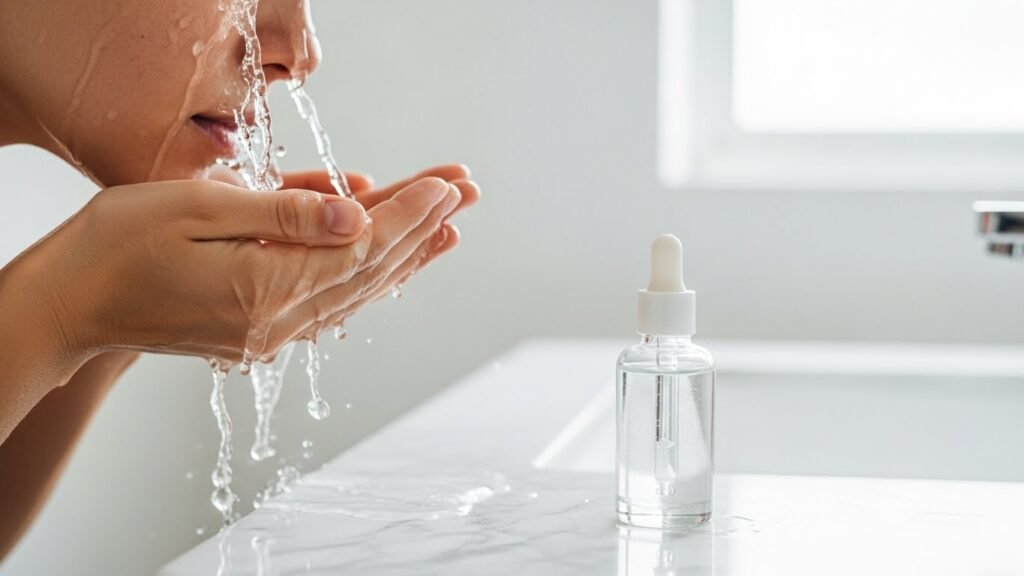
- The Magnet Rule: Hyaluronic acid needs water to hold onto. If your skin is dry, it might pull water from inside you.
- Better Absorption: Damp skin is more like a sponge. It soaks up the serum much faster and deeper.
- Avoid Dry Air: If you live in a dry place, this is even more vital. Always start with a wet face for the best results.
The Strategic Layering Process
- Step 1: Cleanse: Use a gentle wash to get rid of dirt. Make sure you do not strip your skin too hard.
- Step 2: Tone/Mist: Use a facial mist to get your skin damp. This provides the water for the HA to grab.
- Step 3: The HA Serum: Apply a few drops and pat it in gently. Do not rub too hard or you might irritate things.
- Step 4: The Sealant: Use an oil-free moisturizer immediately after. This locks the hydration into your skin so it stays.
Timing and Frequency for Best Results
- Morning Routine: Use it in the morning to stay hydrated all day. It creates a smooth base for your sunscreen or makeup.
- Evening Routine: Use it at night to help your skin repair itself. You will wake up with a very soft face.
- Consistency: Try to use it every single day for the best results. You will see the biggest changes after about a month.
Environmental Adaptations for HA
The weather around you changes how your skin feels. You might need to change your routine with the seasons. Hyaluronic acid is flexible and works in many places. You just have to know how to adjust it. Here is how to handle different climates.
Using HA in Arid/Desert Climates
In dry air, HA can struggle to find water. It might start pulling moisture out of your skin layers. You must use a good moisturizer on top to stop this. Adding a humidifier to your room also helps a lot. This keeps the HA working the right way.
Using HA in High Humidity
In humid places, HA is at its absolute best. It pulls moisture right out of the air for you. You might find you only need a very light serum. It feels cooling and fresh when the air is sticky. This is the perfect time to use a gel version.
Winter vs. Summer Adjustments
Winter air is usually very dry and harsh on skin. You might need a slightly thicker cream over your HA. In the summer, you can stick to very light layers. Always listen to how your skin feels each morning. Adjust your layers based on the temperature outside.
Hyaluronic Acid for Different Types of Oily Skin
Not all oily skin is the same for everyone. Some people have acne, while others just have shine. Your specific needs will dictate which product you pick. It is important to find the right match for you. Here is a breakdown for different types.
Oily and Acne-Prone
- Soothing Power: Look for HA mixed with green tea or cica. This helps calm down the red bumps on your face.
- Scar Prevention: Keeping skin hydrated helps prevent dark marks. It allows the skin to heal without leaving a permanent spot.
- Lightweight Serums: Stick to water-based formulas that feel like nothing. Avoid anything that has heavy scents or weird oils.
Oily and Mature (Aging)
- Plumping Action: Focus on formulas with different molecular weights. This helps fill in those fine lines around the eyes.
- T-Zone Control: It keeps your forehead matte while hydrating your cheeks. This gives you a balanced and youthful look.
- Collagen Support: Hydrated skin helps your natural collagen stay strong. This keeps your face looking firm and lifted for longer.
Oily and Sensitive
- Pure Formulas: Look for serums with very few ingredients. This lowers the chance of you having a bad reaction.
- Fragrance-Free: Avoid any products that smell like flowers or perfume. These can often cause stinging on sensitive oily skin.
- Patch Testing: Always try a little bit on your neck first. This ensures it is safe before you put it all over.
Recommended Product Types for Oily Skin
Water-Based Hyaluronic Acid Serums
- Lightweight Texture: These serums feel like water and sink in instantly without leaving a sticky film.
- High and Low Molecular Weights: Look for serums that list “multi-molecular” weights to hydrate both the surface and deeper layers.
- Simple Ingredients: Pure HA serums with very few additives are less likely to irritate sensitive or oily skin.
Oil-Free Gel Moisturizers
- Non-Comedogenic Labels: These are specifically made to not clog your pores.
- Sealing Properties: They often use ingredients like dimethicone to trap the hyaluronic acid’s moisture without adding grease.
- Cooling Effect: Gel textures provide a refreshing feel that is great for skin that feels hot or inflamed from breakouts.
Hydrating Facial Mists
- Damp Canvas: Use these right before your serum to give the hyaluronic acid plenty of water to hold onto.
- Soothing Additives: Look for mists with green tea or rose water to help calm redness.
- Mid-Day Refresh: They can be used over makeup to refresh the skin’s hydration reservoir throughout the day.
Hyaluronic Acid Infused Cleansers
- Gentle Foams: These remove excess sebum (oil) without leaving your face feeling tight or “stripped”.
- Barrier Protection: The addition of HA in a cleanser helps protect your moisture barrier while you wash.
Non-Greasy Sunscreen Gels
- Broad-Spectrum Protection: Always finish your morning routine with an oil-free sunscreen.
- Dewy Finish: Many modern sunscreens now include hyaluronic acid to give a radiant look without a heavy feel.
Best Times to Use Hyaluronic Acid Products
| Product Type | Best Time to Use | Why Use it Then? |
| Hyaluronic Acid Infused Cleansers | Morning and Night | Cleanses dirt and oil while protecting the moisture barrier during every wash. |
| Hydrating Facial Mists | Pre-Serum and Mid-Day | Creates a damp canvas for HA to bind to and refreshes skin over makeup. |
| Water-Based HA Serums | Morning and Night | Provides a smooth base for the day and supports repair while you sleep. |
| Oil-Free Gel Moisturizers | Morning and Night | Seals in serum hydration immediately so moisture doesn’t evaporate. |
| Non-Greasy Sunscreen Gels | Morning Only | Protects skin from UV damage while maintaining a lightweight, dewy finish. |
Common Pitfalls and Troubleshooting
Sometimes things do not go as planned with skincare. You might feel like the product isn’t working for you. Usually, it is just a small mistake in how you use it. Do not give up on HA too quickly. Most problems have a very easy fix.
The Tacky Feeling
If your face feels sticky, you might be using too much. A little bit of HA goes a long way for everyone. Try using just two or three drops for your whole face. Also, make sure your skin is damp when you apply it. This helps it sink in instead of sitting on top.
Over-Exfoliation
Many people with oily skin use too many harsh acids. If your skin feels tight and shiny, you might be overdoing it. Take a break from the scrubs and use more HA. This helps repair your barrier so your skin feels soft again. Balance is the key to a happy face.
Product Selection
Not all HA products are created with the same quality. Some cheap versions have alcohol which can dry you out. Others have heavy silicones that might cause little bumps. Read the ingredient list carefully before you buy anything. Look for simple and clean formulas for the best results.
Lifestyle Factors that Enhance HA Performance
What you do outside the bathroom matters too. Your skin is an organ that reacts to your whole body. If you are healthy on the inside, it shows on the outside. Small lifestyle changes can make your HA work better. Here are some tips for a better glow.
Internal Hydration
Drinking enough water is the first step to good skin. If you are dehydrated inside, HA has nothing to pull from. Try to drink water consistently throughout your day. This provides the reservoir that your skin needs to look plump. It is the easiest beauty tip in the world.
Diet and Sebum
What you eat can change how much oil you make. Sugary foods can spike your insulin and lead to more oil. Try to eat more greens and healthy fats like walnuts. This helps keep your hormones stable and your skin clear. A good diet supports everything you put on your face.
Sleep Hygiene
Your skin does most of its repair work while you sleep. This is when your cells renew and hydrate themselves. Try to get at least seven or eight hours of rest. Clean pillowcases are also a must for oily skin types. Good sleep makes your morning skincare much more effective.
Professional Procedures and HA
If you want bigger results, you can see a pro. Dermatologists use HA in many of their best treatments. These are more powerful than what you use at home. They can help with deep scars or very oily skin. Here is what you might find at a clinic.
Micro-needling with HA
A professional uses tiny needles to make small holes in your skin. Then they apply a high-grade HA serum to the area. The needles help the serum go much deeper than normal. This helps with acne scars and overall skin texture. It is a great way to jumpstart your results.
HydraFacials
This is a very popular treatment for oily and congested skin. It uses a special machine to clean pores and hydrate at once. It vacuums out the junk and pumps in hyaluronic acid. Your skin will look glowing and clear immediately after. It is a great treat for your face once a month.
Injectable HA (Skin Boosters)
This is a newer way to get hydrated skin from the inside. Doctors inject tiny amounts of HA just under the surface. It does not change your face shape like fillers do. It just provides deep, long-lasting moisture to the skin cells. It is like an internal moisturizer that lasts for months.
Summary and Final Recommendations
Is hyaluronic acid good for oily skin? Absolutely, and it might be exactly what you need. It provides the water your skin is craving without the oil. By balancing your hydration, you can finally control that shine. It is a safe, gentle, and effective tool for everyone.
Consistency over Intensity
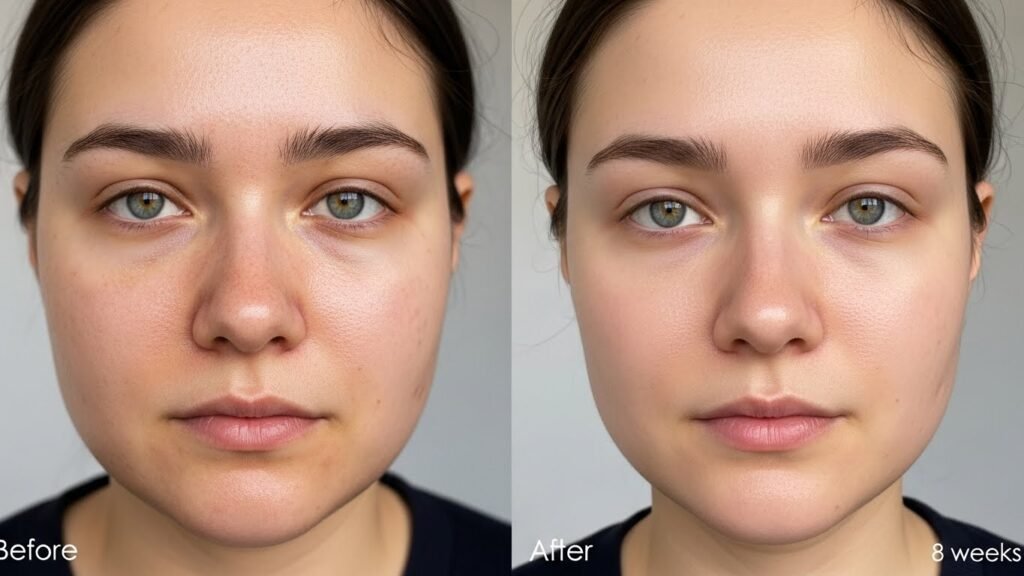
Skincare is a marathon, not a sprint for your face. Do not expect perfect skin after just one application. Give your new routine at least eight weeks to really work. Your skin needs time to adjust and find its new balance. Stick with it even on days when you feel lazy.
The Less is More Philosophy
You do not need a ten-step routine to see big results. One high-quality HA serum is better than five random ones. Focus on finding one product that your skin really loves. Keep your routine simple so you actually stay consistent with it. Your skin will thank you for the simplicity.
Start by looking for a lightweight HA serum today. Check the ingredients for different molecular weights for best results. Remember to always apply it to a damp face. If you have severe acne, talk to a dermatologist for more help. You are on your way to a balanced and beautiful glow.
FAQ: Common Questions About HA and Oily Skin
Will hyaluronic acid cause more breakouts?
No, it is non-comedogenic and oil-free. It does not clog pores like heavy oils or waxes. It actually helps soothe the inflammation that causes acne.
Can I skip moisturizer if I use an HA serum?
It is not a good idea to skip it. You need a moisturizer to seal the HA into your skin. Without it, the moisture might evaporate and leave you drier.
How often should I use it?
Most people see the best results using it twice a day. Apply it once in the morning and once before bed. If you have very sensitive skin, start with once a day.
Is it okay to use with Retinol?
Yes, they are a perfect match for each other. HA helps calm the irritation that Retinol can sometimes cause. Use the HA serum first or mix them together.
Can men use hyaluronic acid too?
Yes, men often have even oilier skin than women. HA is a great way for men to hydrate without feeling greasy. It is perfect for use after shaving to soothe the skin.
Can I use hyaluronic acid every day if my skin is very greasy?
Yes, you can and should use it daily because it provides water-based hydration that does not add extra oil to your pores. Using it consistently helps maintain a healthy moisture barrier, which can eventually lead to less surface shine.
Does hyaluronic acid help with oily skin caused by humidity?
Hyaluronic acid is excellent for humid climates because it can pull moisture from the thick air directly into your skin. Since it is lightweight and non-greasy, it provides the necessary hydration without feeling heavy or sticky in the heat.
Is it safe to apply hyaluronic acid before putting on sunscreen?
It is perfectly safe and actually recommended to apply your serum first to lock in moisture. Just make sure to follow up with a broad-spectrum, oil-free sunscreen to protect your skin from UV damage.
Can hyaluronic acid reduce the appearance of large pores?
By keeping the skin plump and hydrated, hyaluronic acid can make the skin around pores firmer, which often makes them look smaller. Dehydrated skin tends to sag, making pores look more stretched and visible.
Should I use a hyaluronic acid cleanser or a serum?
While cleansers are helpful, a serum is usually better because it stays on the skin longer for better absorption. Cleansers are often washed off before the ingredient can fully penetrate the epidermis.
Will hyaluronic acid make my makeup slide off?
If applied correctly to damp skin and sealed with a light moisturizer, it actually creates a smooth, grippy base for makeup. It helps prevent foundation from clinging to dry patches or becoming patchy due to excess oil production.
Can I mix hyaluronic acid directly into my foundation?
You can mix a drop of serum into your foundation for a more dewy and radiant finish. This is a great trick for oily-prone skin that still wants a luminous look without using heavy face oils.
Is it okay to use hyaluronic acid if I have cystic acne?
Yes, it is very helpful for cystic acne because it is soothing and helps reduce the intense inflammation. It provides the healing moisture needed while you use stronger clinical formulations for the breakouts.
Does hyaluronic acid expire or lose its strength?
Like most skincare, it has a shelf life and can lose its effectiveness over time. Always check the packaging for the “period after opening” symbol to ensure you are getting the best moisture retention.
Can I use hyaluronic acid with an essence?
Using an essence before your serum is a great way to add an extra layer of moisture for the HA to bind to. This creates a “moisture reservoir” that keeps your skin hydrated throughout the day.
How does hyaluronic acid affect skin elasticity?
It supports the skin’s structure by keeping the collagen fibers hydrated and bouncy. This leads to better skin elasticity and helps prevent the formation of fine lines and wrinkles.
Is hyaluronic acid better than glycerin for oily skin?
Both are humectants, but hyaluronic acid is often preferred for oily skin because it has a more feather-light and non-sticky feel. Glycerin can sometimes feel a bit heavier on the surface of very oily skin.
Can I use hyaluronic acid after a chemical peel?
It is one of the best ingredients to use after a peel because it is non-invasive and highly soothing. It helps the skin recover its moisture balance and reduces the risk of post-peel irritation.
Should I apply hyaluronic acid to my neck and chest?
Yes, the skin on your neck and chest can also be oily-prone or dehydrated and benefits from the same plumping effect as your face. It helps maintain skin health and prevents early signs of aging in those areas.
Does hyaluronic acid help with skin pH balance?
While not an exfoliant, it helps maintain the overall health of the skin barrier, which is essential for keeping your skin at its natural acidity level. A balanced pH helps prevent the growth of acne-causing bacteria.
Can I use a facial mist instead of water before applying HA?
A facial mist is often better than plain water because it can contain extra soothing ingredients like green tea or antioxidants. This adds more value to your daily regimen and helps the serum absorb better.
Is hyaluronic acid good for treating dark spots?
While it doesn’t lighten spots directly like Vitamin C, it helps with skin rejuvenation and healing. By keeping the skin healthy, it can speed up the process of fading blemishes and hyperpigmentation.
Can teenage skin use hyaluronic acid?
It is safe for all ages and is a great way for teenagers to start a skincare routine without using harsh chemicals. It helps manage the oil glands that become active during puberty.
Will it help with the “tight” feeling after washing my face?
That tight feeling is a sign of dehydration, and hyaluronic acid is the perfect fix for it. It replaces the water lost during cleansing without making your skin feel greasy again.
Is there a difference between drugstore and high-end HA?
The main difference is often the molecular weight and the clinical formulation. High-end versions may use multi-weight HA to reach different layers of the skin, while simpler ones might stay on the surface.
