


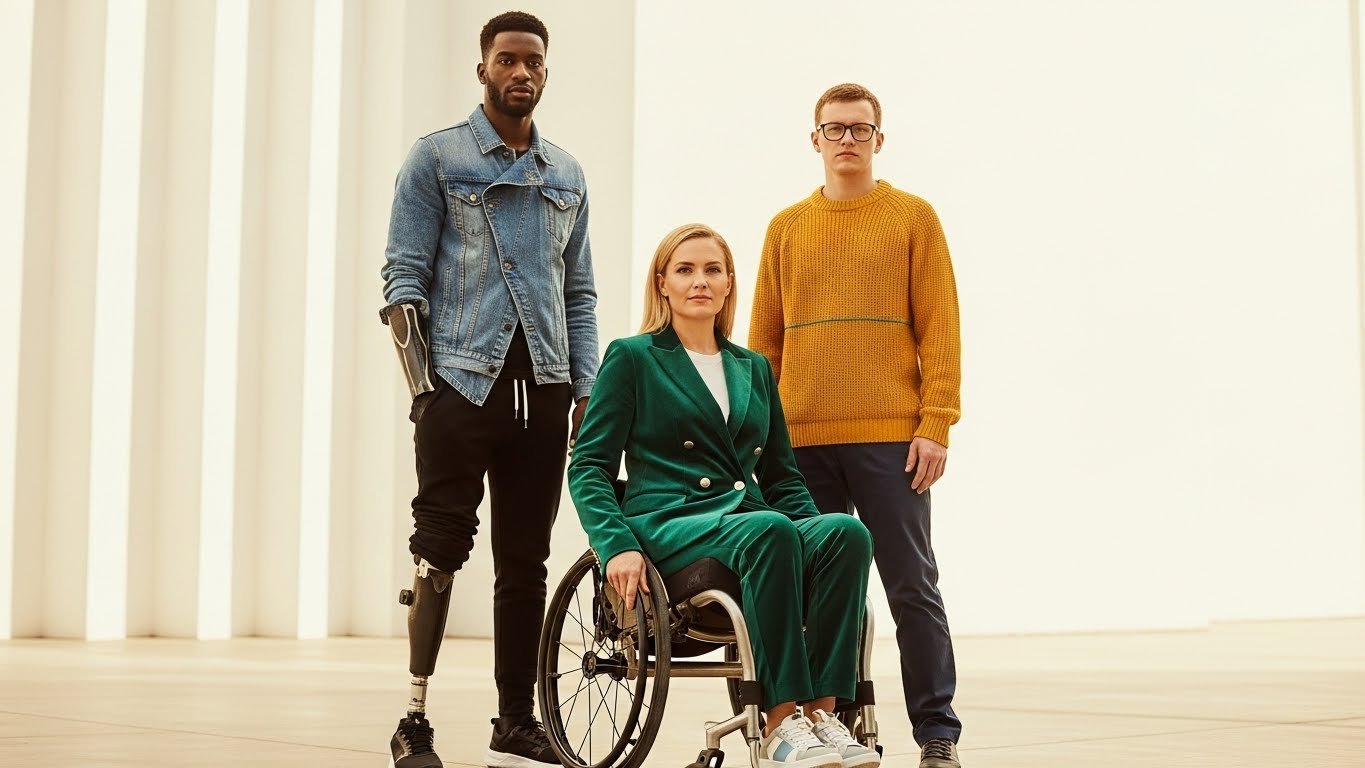
Getting dressed should feel like a win every single morning. For a long time, the fashion world totally ignored people with disabilities. That is finally changing thanks to the rise of dis fashion. This movement is all about making clothes that look fire and actually work for every body. It is more than just a trend you see on social media. It is a massive shift toward making the world more fair for everyone.
Dis fashion is an umbrella term that covers adaptive clothing and inclusive design. It means designers are finally putting accessibility at the very center of their work. Fashion should be beautiful and functional for everyone regardless of how they move. Whether you use a wheelchair or have sensory needs, you deserve great style. This guide will show you how to master this new world of accessible apparel.
The movement is getting a huge boost from projects like the series Fashion Dis. These creators are proving that disability fashion is a major source of innovation. We all benefit from these smart designs in our daily lives. Think about how much easier magnetic buttons make life for everyone. This is the power of inclusive thinking in action today.
The Evolution of DIS Fashion
Historical Context
Back in the day, clothing for disabled people was pretty much just medical gear. It was usually ugly, bulky, and only sold in hospital supply catalogs. These clothes focused only on function and totally forgot about style or personality. People felt like patients instead of individuals with their own unique taste. It was a time when the industry really missed the mark.
The Shift in Perception
Now we are seeing a massive change in how people view these clothes. The focus has shifted from fixing a problem to celebrating disabled joy. Design is now about aesthetic expression and feeling good in what you wear. It is about making sure nobody has to choose between looking good and being comfortable. This new era is all about pride and high-fashion vibes for everyone.
The Role of Social Media
Social media has been a huge engine for this style revolution. Disability advocates and stimpunks are sharing their outfits on TikTok and Instagram every day. They are demanding better options and calling out brands that stay behind. These creators have built a massive community that supports and inspires each other. Their voices are finally being heard by the biggest names in the industry.
Legal and Policy Shifts
Laws like the Americans with Disabilities Act have also played a big role. These rules pushed for better physical access in retail stores and malls. Now, that same spirit is moving into the digital and product design spaces. Global movements are making sure that inclusion is a requirement, not just an option. It is helping create a world where shopping is easy for everyone.
Understanding the Core of DIS Fashion
Definition of DIS Fashion
At its heart, dis fashion is design that puts people first. It includes clothing that is easy to put on and take off independently. It also covers inclusive design that works for as many people as possible. This term brings together a vibrant community of designers and wearers. It is a philosophy that says every body is a good body.
The Philosophy of Inclusion
The main idea here is that fashion must be available to every single person. It should not matter if you have a different size or limited mobility. Inclusive design means thinking about the user from the very first sketch. It is about removing barriers that keep people from expressing themselves. When we design for everyone, we make things better for the whole world.
Beyond the Label
We are moving far beyond the old idea of niche medical wear. Modern adaptive clothes are often indistinguishable from mainstream high-fashion pieces. They feature the same trendy cuts, colors, and high-quality fabrics you love. The only difference is the smart tech hidden inside the seams. This allows everyone to shop the latest looks without sacrificing their needs.
The Global Movement
This is a worldwide effort to change the face of the fashion industry. Disabled designers are taking center stage at major fashion weeks around the globe. They are bringing lived experience to the drawing board to create real solutions. This creativity is showing the world that disability is a source of strength. It is a movement that is truly for everyone, everywhere.
Why Adaptive Fashion Matters: The Human Impact
Autonomy and Independence
Being able to dress yourself is a huge deal for personal freedom. When clothes are easy to use, it gives people back their independence. You do not have to wait for help just to get ready for the day. This simple act of self-care builds confidence and a sense of control. It is a vital part of living a full and active life.
Preserving Dignity
Clothing that is easy to handle helps protect your personal dignity. Features like side-opening pants make bathroom breaks much simpler and more private. You do not have to struggle with difficult fasteners in public spaces. It ensures that your focus stays on your day, not on your clothes. This respect for the wearer is a core value of dis fashion.
Identity and Self-Expression
Your style is one of the loudest ways you speak to the world. For too long, disabled people were forced to wear whatever fit, even if they hated it. Adaptive wear allows your true voice to be heard through your aesthetic choices. You can be edgy, classic, or colorful while still being comfortable. It is about being seen and valued for who you really are.
The Psychological Enclothed Cognition
The way we dress actually changes how we think and feel about ourselves. Wearing clothes that look sharp and function well can boost your mental health. It reduces the stress of daily routines and makes you feel more capable. When you feel fabulous on the outside, it shines through on the inside too. Good design is a powerful tool for building self-esteem and happiness.
Economic Inclusion
The disabled community has a lot of spending power, often called the Purple Pound. Smart brands are realizing that inclusive design is also a great business move. By ignoring this market, companies miss out on a massive group of loyal customers. When brands cater to everyone, they see their profits and their influence grow. It is a win-win for the economy and the community.
The Pillars of Inclusive Design

Seamless Adaptability and Functional Features
- Magnetic Closures are a total lifesaver for anyone with limited hand dexterity.
- Velcro and Hook-and-Loop Tabs let you customize the fit of your clothes in seconds.
- One-Handed Zippers use clever tech so you can zip up using only one hand.
- Bungee Cords and Toggle Closures make it easy to adjust waistbands without any struggle.
Universal Design Principles
- The Curb-Cut Effect shows how features made for disability actually help everyone.
- Seated-Wear Engineering includes longer back rises so pants stay put while sitting.
- Easy-Access Openings like side seams are perfect for reaching medical devices easily.
- Reinforced Stress Points keep clothes from wearing out against wheelchairs or crutches.
Sensory-Friendly Considerations
- Textile Selection focuses on super soft fabrics like bamboo that do not itch.
- Flat Lock Seams lie totally flat so they do not rub against your skin.
- Tagless Construction removes those annoying labels that cause sensory overload.
- Deep Pressure Integration uses lightly weighted layers to help people stay calm.
- Quiet Fabrics avoid that swishing sound that can be super distracting for some.
Body Diversity and Size Inclusivity
- Breaking the Standard Ideal means making clothes for all types of body shapes.
- Atypical Proportions cater to people with limb differences or different heights.
- Asymmetrical Tailoring creates a better fit for conditions like scoliosis.
- Representative Modeling ensures you see people who look like you in every ad.
Category-Specific Adaptive Innovations
Adaptive Footwear

- Step-In Technology lets you slide your shoes on without ever using your hands.
- Orthotic-Friendly Designs have extra room for braces or custom inserts.
- Wrap-Around Zippers allow the whole shoe to open up flat for easy entry.
Inclusive Intimates and Underwear
- Front-Closure Bras use magnets to make dressing much faster and easier.
- Absorbent Leak-Proof Tech keeps you feeling dry and confident all day long.
- Post-Surgical Intimates provide comfort and style after major medical procedures.
Professional and Career Wear

- The Adaptive Suit features hidden stretches and closures for a sharp office look.
- Non-Iron Workwear saves you the physical effort of ironing your clothes.
- Formal Wear for Events makes sure everyone can shine at weddings or galas.
Athletics and Activewear (Para-Sports)
- High-Performance Compression helps with circulation during heavy workouts.
- Anti-Chafe Technology protects skin from rubbing against prosthetics or chairs.
- Temperature Regulating Fabrics help the body stay cool or warm as needed.
Technological Innovations in DIS Fashion
3D-Printed Customization
Tech is making it possible to print clothes that fit your body perfectly. You can get custom shoes or braces that match your exact measurements. This eliminates the discomfort of “standard” sizes that never quite fit right. It is a huge leap forward for personalized style and comfort. This tech is getting cheaper and more accessible every single day.
Smart Fabrics

The future of dis fashion includes clothes that can actually talk to you. Some fabrics can monitor your heart rate or body temperature while you wear them. Others provide haptic feedback to help people with vision loss navigate the world. These “smart” clothes are turning fashion into a powerful tool for health. It is an exciting blend of style and high-end engineering.
Digital Fashion and Virtual Try-Ons
AI is helping people see how clothes will fit before they even buy them. You can use a digital avatar to test out different sizes and styles. This is a game changer for people who find physical shopping trips difficult. It saves time, money, and the hassle of returning items that do not work. Shopping from home has never been this accurate or easy.
Braille Embossing
Tactile labels are a small change that makes a massive difference. Braille on clothing tags helps blind individuals identify colors and fabric types. It also provides important care instructions so clothes stay looking great. This simple addition promotes independence in managing a personal wardrobe. It is a perfect example of how small details create big inclusion.
A Practical Guide to Building an Accessible Wardrobe
The Wardrobe Audit
Start by taking a long, honest look at what you already own. Try on your favorite pieces and see if they still serve you well. Ask yourself if they cause any pain after wearing them for hours. Check if you can get them on and off without any struggle. If an item causes more stress than joy, it might be time to move on.
Defining Your Personal Needs and Aesthetic
Think about what your specific daily needs really are. Do you need clothes that are easy to sit in all day? Or are you looking for sensory-friendly fabrics that feel like a hug? At the same time, do not lose sight of the styles you love. Your wardrobe should be a mix of function and your own personal vibe. You deserve to look like yourself every single day.
Master the Art of Smart Shopping
Knowing where to look is half the battle in the dis fashion world. Check out pioneer brands like Tommy Hilfiger Adaptive or IZ Adaptive. Many big retailers like Target and Zappos now have entire sections for adaptive wear. Do not forget that you can also use a tailor to modify clothes you already love. Smart shopping means being creative and knowing your options.
Strategic Selection and Fabric Mastery

Always check the labels for fabric content before you buy. Look for materials with a bit of stretch like spandex or elastane. Natural fibers like cotton and bamboo are great for breathability and skin health. Try to build your wardrobe around a few core colors that work together. This makes it much easier to pick out outfits without feeling overwhelmed.
Modification and DIY Solutions
The Role of the Tailor
A good tailor can be your secret weapon for a better wardrobe. They can replace difficult buttons with magnets or add side zippers to pants. They can also adjust hemlines so they do not get caught in wheelchair wheels. Customizing your clothes ensures they fit your unique body perfectly. It is a great way to make mainstream fashion work for your needs.
At-Home Hacks
You do not always need a professional to make your clothes more accessible. You can add simple pull-loops to zippers to make them easier to grab. Replacing standard buttons with magnetic ones is a project you can do yourself. Even small changes can make a huge difference in your daily routine. Get creative and see what small tweaks make your life easier.
Adaptive Accessories
Do not forget that accessories can also be made more inclusive. Look for jewelry with magnetic clasps that you can put on with one hand. Specialized footwear aids can help you get your shoes on without bending over. These small tools help you finish your look with ease and style. They are the perfect finishing touches for an accessible wardrobe.
Intersectionality and Ethics in DIS Fashion
Ageism and Disability
Adaptive needs change as we move through different stages of life. Kids need clothes that grow with them and handle rough play. Seniors often need items that focus on ease of dressing and skin protection. Dis fashion covers the entire lifespan of a person with a disability. It ensures that everyone has access to style at every single age.
Gender Neutrality
The rise of unisex adaptive wear is a big part of the movement. Many people prefer clothing that focuses on function rather than gender norms. These designs are often minimalist and versatile for any wardrobe. They provide a sense of freedom for those who do not fit into traditional boxes. Inclusive design means being open to all identities and expressions.
Cultural Representation
True inclusion means respecting cultural traditions and styles too. We are seeing the rise of adaptive sarees, hijabs, and other traditional gear. Everyone should be able to celebrate their heritage while having their needs met. This diversity makes the fashion world a much richer and more interesting place. It is about honoring where we come from and how we move.
Sustainability and Ethical Production
Making inclusive clothes should also mean treating workers fairly. The best dis fashion brands care about the environment and living wages. They focus on making high-quality pieces that last for a long time. This reduces waste and ensures the industry is healthy for everyone. Ethical fashion is about caring for the planet and the people on it.
Leading Retailers for DIS Fashion
Global Mainstream Brands
- Tommy Hilfiger Adaptive: This brand is a pioneer in the space, offering classic styles with magnetic buttons and adjustable hems.
- Target: A leader in mainstream accessibility, Target offers dedicated adaptive collections for both adults and children, including features like side openings and sensory-friendly fabrics.
- Zappos Adaptive: This online retailer provides a massive selection of footwear and clothing specifically designed for limited dexterity and mobility.
- Nike: Known for their “FlyEase” technology, they offer high-performance athletic shoes designed for easy, hands-free entry.
Specialized Adaptive Labels
- IZ Adaptive: Founded by a designer with lived experience, this brand is a top choice for stylish, functional apparel tailored specifically for wheelchair users.
- Silvert’s: A long-standing provider that focuses on dressing with dignity, specializing in open-back garments and easy-wear shoes for seniors and those with limited mobility.
- Buck & Buck: This retailer specializes in clothing for seniors and individuals with dementia, focusing on ease of dressing for both the wearer and caregivers.
- Care+Wear: This brand focuses on medical-friendly apparel that blends minimalist design with functionality for those with PICC lines, ports, or recovery needs.
Digital and Community Resources
- Social Media Hashtags: You can discover smaller, independent designers by searching hashtags like #AdaptiveFashion and #DisabilityFashion on Instagram and TikTok.
- Pinterest: A great tool for collecting visual inspiration and finding links to emerging DIS fashion boutiques.
How to Find Local Options
- Department Store Navigation: When visiting stores like Kohl’s or JCPenney, look for “Adaptive” filters on their website or ask a floor manager for their inclusive design section.
- Local Tailors: Many mainstream items can be made “DIS-friendly” by taking them to a local tailor to replace buttons with magnets or add side zippers.
The Future of the Fashion Industry
Empathy in Design
Inclusive design is teaching the whole industry to lead with heart. Designers are learning to listen to the lived experiences of their customers. This empathy leads to more creative and useful products for everyone. It is changing the way we think about what makes a garment “good.” The future of fashion is one where everyone is considered from the start.
We all have the power to help this movement grow even bigger. Support brands that prioritize accessibility and share them with your friends. Ask your favorite retailers to carry more inclusive sizes and styles. When we vote with our wallets, the industry listens and makes changes. Your voice is a powerful tool for creating a more inclusive world.
Final Thoughts
Every single person deserves a wardrobe that makes them feel powerful. Dis fashion is breaking down the walls that kept people out for too long. It is a journey toward a world where fashion truly belongs to every body. Start small today by finding one piece that makes your life easier. You belong at the style table, and your presence makes it better.
Frequently Asked Questions About DIS Fashion
What exactly does the DIS in DIS fashion stand for?
The term is often used as an empowering shorthand for disability or disabled fashion, reclaiming a word that was historically seen as a negative. It represents a movement that turns the focus from medical limitations to style and self-expression.
How do I measure myself for seated-cut clothing?
When buying pants for a seated position, you should measure your waist while sitting down to account for natural body expansion. It is also important to measure the distance from the back of the knee to the waist to ensure the back rise is high enough to cover everything comfortably.
Are there specific fabrics that help with temperature regulation?
Yes, many people with spinal cord injuries or certain neurological conditions find that bamboo and Tencel help significantly with moisture-wicking and cooling. These natural fibers are more breathable than traditional synthetics, helping the body maintain a steady temperature.
What are some common closures used in DIS fashion besides magnets?
In addition to magnets, designers often use bungee cords with toggles, extra-large ring pulls on zippers, and side-seam snap buttons. These features allow people with varying levels of grip strength to manipulate their clothes without fine motor stress.
Can I find DIS fashion specifically designed for people with dwarfism?
The movement is expanding to include brands that specialize in “short-stature” tailoring, which focuses on sleeve and leg proportions rather than just shrinking overall sizes. This ensures that the knees and elbows of the garment land in the correct anatomical spots.
How does DIS fashion accommodate people with ostomy bags?
Many inclusive brands create high-waisted trousers with soft, stretchy waistbands that do not put pressure on the stoma. Some designs also include internal pockets or wraps to keep the bag secure and discreetly tucked away.
Are there adaptive clothing options for children with sensory processing disorders?
Yes, there is a large market for “sensory-friendly” kids’ wear that features completely flat seams and no internal tags. These clothes often use super-soft brushed fabrics to avoid the “scratchy” feeling that can lead to meltdowns or discomfort.
What makes a shoe truly “hands-free”?
A truly hands-free shoe often features a collapsible heel or a spring-loaded entry system that allows the wearer to step in and out without bending over. This is a key innovation in the footwear sector of the movement.
Do mainstream stores like Target offer DIS fashion?
Target was one of the first major retailers to launch a dedicated adaptive line for kids and adults, featuring items like abdominal access for feeding tubes. This has helped bring the movement into the mainstream shopping experience.
Is there formal wear available for people who use wheelchairs?
Specialized designers create suits and gowns with “seated cuts” that prevent fabric from bunching up in the lap or dragging in the wheels. This allows wheelchair users to look sharp and feel comfortable at black-tie events.
How do I care for clothes that have magnetic closures?
Most garments with magnets are machine washable, but you should always close the magnets before putting them in the machine. This prevents the magnets from sticking to the drum or catching on other clothes during the cycle.
Can I find adaptive swimwear in the DIS fashion market?
Inclusive swimwear often includes features like hidden zippers for easy entry, high-waisted bottoms for ostomy coverage, and materials with high UV protection for skin sensitivity.
What is the “seated silhouette” in design?
The seated silhouette refers to garments specifically tailored for a sitting body, featuring shorter front rises to prevent bulk and longer back rises to ensure coverage.
Are there specific brands for seniors with limited mobility?
Brands like Buck & Buck focus on the elderly, offering “open-back” garments that allow caregivers to dress a person without them having to stand or move excessively.
How does DIS fashion incorporate Braille?
Some innovative brands are now printing Braille directly onto the fabric or the tags so that visually impaired individuals can identify the color and care instructions by touch.
What are weighted vests and how do they fit into DIS fashion?
Weighted vests are sensory tools that provide “deep pressure therapy,” which can have a calming effect on individuals with autism or high anxiety. Modern designs make these look like stylish utility vests rather than medical equipment.
Are there adaptive options for people with one-handed mobility?
Yes, features like magnetic zippers and “wrap” style tops allow individuals to dress themselves completely using only one hand.
Does DIS fashion include jewelry?
Adaptive jewelry is a growing field, featuring magnetic clasps and expandable rings that can slide over swollen knuckles or be put on without fiddling with tiny latches.
How can I find local tailors who understand adaptive needs?
Many disability advocacy groups maintain lists of “inclusive tailors” who have experience adding magnets or modifying seams for wheelchair users.
Why is the “curb-cut effect” important in fashion?
The curb-cut effect describes how a design intended for people with disabilities—like a slip-on shoe—actually ends up making life easier and more convenient for everyone else too.
