



Losing a ton of weight is a huge win. You worked hard to drop those pounds. But now you might have loose skin hanging around. This can be super annoying and uncomfortable. It hides the muscles you worked so hard for. You are probably wondering how much is excess skin removal surgery to finally feel great. Many people deal with saggy skin after massive weight loss. Skin just cannot always snap back to your new size. Body contouring helps you look and feel your best. These surgeries fix your shape and boost your mood.
Introduction to Post-Weight Loss Body Contouring
Getting rid of extra skin is about more than just looks. It is a big part of your health journey. Loose skin can cause rashes or pain. It can also make it hard to move around. Surgery like a tummy tuck or arm lift can fix these issues. It helps you finish the change you started with weight loss. You get to see the real results of your hard work. This guide will help you understand the costs and the process.
The Physical and Emotional Impact of Significant Weight Loss
Losing weight changes your life in many ways. You have more energy and better health. But extra skin can be a heavy emotional burden. It might make you feel self-conscious at the gym or pool. Some people feel like they are still wearing their old body. Removing that skin helps you move on mentally. It is the final step to feeling like yourself again.
Why Excess Skin Occurs
Your skin is like a rubber band that got stretched too far. If you lose 30% to 50% of your peak weight, the skin loses its bounce. It does not have enough elasticity to fit your new smaller frame. This is very common after bariatric surgery or big lifestyle changes. Aging and genetics also play a role in how skin reacts. Sometimes, no amount of exercise can tighten this loose skin.
The Transition From Weight Loss Goals to Body Rejuvenation
Once you hit your goal weight, your focus shifts. You stop thinking about the scale and start thinking about your shape. Body rejuvenation is about sculpting what is left behind. It turns a soft shape into a firm and toned one. This stage of the journey is very exciting but takes planning. You are moving from losing weight to building your dream body.
Overview of How Body Contouring Restores Confidence
Surgeries like tummy tucks and lifts give you a smooth look. They remove the weight of the skin that pulls on your body. Patients often say they feel lighter and more active. Wearing clothes becomes much more fun and easy. Your physical comfort goes way up when the skin is gone. This boost in confidence can change how you interact with the world.
Core Factors Influencing the Total Cost of Surgery
The price tag for these surgeries is not the same for everyone. Many things change the final bill you receive. It is not just about the surgeon’s time in the room. You have to think about the hospital and the medicine too. Knowing these factors helps you avoid any big surprises later.
Procedure Type and Complexity
Every body is different, so every surgery is different. A simple skin snip costs less than a full muscle repair. If you need a lot of fat removed too, the price goes up. Complex cases take more time and specialized tools. Your surgeon will tell you exactly what you need for your goals.
Surgeon’s Expertise and Credentials
You want a pro for your skin removal journey. Board-certified plastic surgeons usually charge more for their work. Their skills mean you are safer and get better results. A surgeon with a great track record is worth the extra cash. Do not just pick the cheapest option for something this big.
Geographic Location and Market Demand
Where you live matters a lot for the price. Big cities like Los Angeles or New York are more expensive. This is because rent and staff costs are higher there. If you go to a smaller town, you might find lower prices. But you also have to think about the quality of the clinics.
Facility and Operating Room Fees
The place where you have surgery costs money too. Hospitals and surgical centers charge for the room and the staff. Accredited facilities follow strict safety rules which can cost more. These fees cover the high-tech gear used during your procedure. Some clinics have their own private suites to help save money.
Anesthesia Professional Fees
You will be asleep or very relaxed during the surgery. An anesthesiologist or a nurse anesthetist must be there. They keep you safe and monitor your heart and breathing. Their expert time is a separate part of your total bill. The longer the surgery, the more you pay for anesthesia.
Detailed Cost Breakdown by Surgical Procedure
Let’s talk about the actual numbers for these surgeries. Most people wonder how much is excess skin removal surgery for specific areas. Each body part has its own set of challenges and costs. Here is what you can expect for the most common procedures.
Panniculectomy
This surgery removes the hanging “apron” of skin on your belly. It does not tighten the muscles like a tummy tuck. It is often done for health reasons to stop skin issues.
- Typical price range: You might pay between $8,000 and $15,000.
- Insurance note: This is the most likely procedure to get insurance help.
Tummy Tuck (Abdominoplasty)
A tummy tuck removes skin and fixes your core muscles. It gives you a flat and firm midsection.
- Average cost: The national average is about $6,200.
- Premium markets: In fancy areas, it can cost over $8,700.
Full-Body Lift (Belt Lipectomy)
This is a big one that goes all the way around your waist. It lifts the belly, butt, and outer thighs all at once.
- Average cost: This massive change usually costs around $15,350.
- Benefit: It fixes your whole lower body in one go.
Arm Lift (Brachioplasty)
This fixes “bat wings” or sagging skin on your upper arms. It makes your arms look toned and fit.
- Typical price range: Expect to pay between $3,500 and $6,600.
Thigh Lift (Inner and Outer)
Thigh lifts help smooth out your legs so they don’t rub. It makes wearing jeans or shorts much more comfortable.
- Average cost: These usually run between $4,400 and $5,400.
Breast Lift (Mastopexy)
This surgery raises and reshapes sagging breasts after weight loss. It does not always need an implant to look great.
- Average cost: You are looking at a price of $4,200 to $5,000.
Regional Pricing: Geographic Cost Variations
Prices for surgery change based on the local economy. If everything in a city is expensive, surgery will be too. It is good to shop around but stay safe.

High-Cost Metropolitan Hubs
Cities with a lot of wealth have higher surgical prices.
- Los Angeles: This city is a hub for body contouring and has high rates.
- New York City: Expect to pay top dollar for famous surgeons here.
Mid-Market and Competitive Areas
Some cities offer a balance of great skill and fair prices.
- Las Vegas and Philadelphia: These cities often have slightly lower costs.
- South Florida: This area is very competitive which can help with pricing.
Travel and Accommodation Costs
If you travel for surgery, don’t forget the extra bills.
- Hotel stays: You need a place to stay while you recover initially.
- Proximity: You must stay close to the doctor for the first few days.
The Financial Impact of “Awake” vs. General Anesthesia Surgery
New tech allows some surgeries to happen while you are awake. This can change how much is excess skin removal surgery for you. It is a cool option for the right candidates.
Awake Body Sculpting Options
Techniques like Precision Sculpt® use local numbing instead of putting you under. You are relaxed but conscious during the whole thing. This is often used for smaller areas of skin and fat.
Cost and Recovery Differences
Awake surgery can be cheaper because you skip the heavy anesthesia.
- Facility fees: These might be lower if a hospital stay isn’t needed.
- Recovery: Many patients find they bounce back faster without general anesthesia.
Non-Surgical Alternatives and Their Price Points
Not everyone needs a full surgery to see a change. There are high-tech ways to tighten skin without a blade. These are great for mild sagging.
Radiofrequency (RF) and Ultrasound Skin Tightening
Tools like Morpheus8 or Venus Viva use heat to boost collagen.
- Cost per session: These are much cheaper than surgery per visit.
- Results: You usually need several sessions to see a big difference.
Laser Skin Resurfacing
Lasers can help tighten skin and fix its texture. They work well for small areas like the face or neck. This is a good way to get a glow without downtime.
Injectable Biostimulators
Fillers like Radiesse or Sculptra can help “fill in” loose skin. They help your body grow its own natural support.
- Maintenance: You will need to get these redone every year or two.
- Total cost: Over many years, this can add up to the price of surgery.
Combining Procedures: Efficiency vs. Upfront Cost
Many people choose to get several areas fixed at once. This is often called a “Mommy Makeover” or “360 Sculpting”. It is a big decision that affects your wallet and your body.
The Benefits of Combined Surgery
Doing everything at once can actually save you some money.
- Single fees: You only pay for anesthesia and the room one time.
- One recovery: You only have to take off work for one healing period.
The Challenges of Combined Surgery
While it saves money later, the first bill is much higher.
- Higher outlay: You have to have all the cash ready upfront.
- Intense healing: Recovering from three areas is harder than just one.
Understanding Pre-Surgical and Post-Operative Expenses
The surgery price is not the only thing you will pay for. There are many smaller costs that add up quickly. You should plan for these so you don’t run out of money.
Diagnostic Tests and Consultation Fees
Before the big day, you need to make sure you are healthy.
- Tests: You might need blood work or an EKG to check your heart.
- Consultations: Some doctors charge for the first meeting to plan your care.
Post-Operative Medications and Supplies
Healing takes time and the right tools.
- Meds: You will need pain pills and maybe antibiotics for a week.
- Garments: Special compression clothes help reduce swelling and bruising.
- Bandages: You will need extra supplies to keep the area clean.
Follow-up Care and Potential Revisions
You will see your doctor several times after the surgery.
- Visits: These check-ups make sure you are healing the right way.
- Revisions: Sometimes a small “touch-up” is needed to get things perfect.
Navigating Insurance Coverage and Medical Necessity
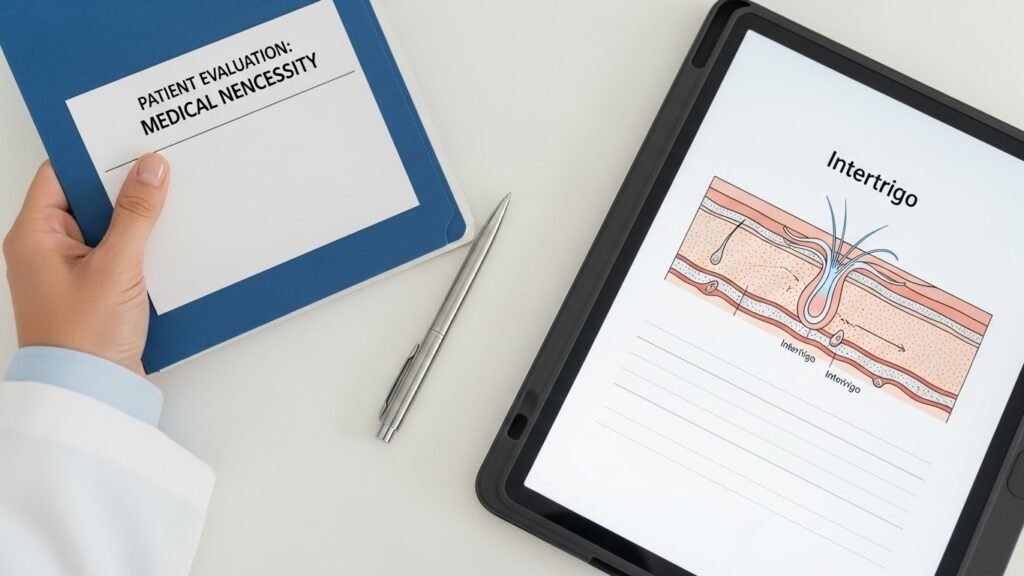
Insurance is tricky when it comes to skin removal. They usually think it is just for looks. But you can sometimes prove it is for your health.
Cosmetic vs. Reconstructive Definitions
Cosmetic means you just want to look better. Reconstructive means you are fixing a body part that doesn’t work right. Insurance only pays for reconstructive work.
Criteria for Coverage
You need to show that the skin is causing real medical trouble.
- Rashes: Document any chronic skin infections that won’t go away.
- Pain: Explain if the skin makes it hard to walk or exercise.
- Evidence: Keep records and take photos of any skin problems.
Financing Options and Payment Alternatives
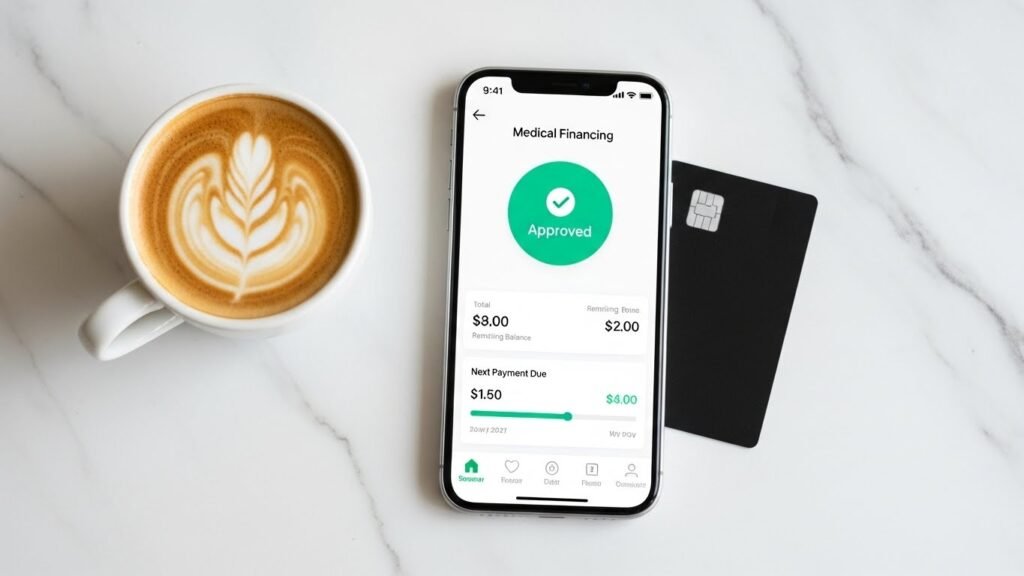
If you don’t have all the cash, don’t worry. There are ways to pay for your surgery over time. Most clinics want to help you make it happen.
Medical Credit Cards and Payment Plans
Special credit cards like CareCredit are made for health bills.
- 0% APR: Some offer a year with no interest if you pay it off fast.
- In-house plans: Some clinics have their own monthly payment schedules.
Crowdfunding for Medical Needs
Some people use sites like GoFundMe to raise money from friends.
- Sharing your story: People love to support someone on a big journey.
- Phased plans: You can also choose to do one area a year as you save up.
The “Hidden Costs”: Time, Recovery, and Lifestyle
Money is not the only thing you will spend on surgery. You also have to “pay” with your time and energy. This is an important part of the total cost of surgery.
The Cost of Time Off Work
You won’t be able to work for a while after the procedure.
- Recovery windows: This can be two weeks or even a whole month.
- Lost wages: Factor in the money you won’t be making while resting.
Professional Post-Op Care and Nutrition
You might need extra help at home for the first few days.
- Caregivers: Think about if you need to hire a nurse or helper.
- Diet: Eating high-protein food is key for your body to repair itself.
- Massages: Some doctors suggest special massages to help with swelling.
Psychological Preparation and Mental Health Support
Surgery is a big deal for your brain too. You need to be ready for the change in your reflection. It is a journey for your mind and your body.
Managing Expectations and Scars
Surgery leaves scars, even if they are hidden well. You have to be okay with trading loose skin for a thin line. It takes time for the final results to show through the swelling.
The “Post-Op Blues” and Support
It is normal to feel a bit down or tired during recovery. Your body is working hard and your hormones are shifting. Joining a support group can help you stay positive.
Long-Term Maintenance: Protecting Your Investment

You spent a lot of money, so make it last. Your lifestyle after surgery is just as important as the surgery itself. You are the guardian of your new look.
The Impact of Weight Fluctuations
Try to keep your weight steady after your procedure. Gaining or losing a lot again can stretch the skin back out. This could ruin the results you paid for.
Recommended Skincare and Exercise
Take care of your skin with good lotions and sunblock. Once your doctor says it is okay, start exercising to tone your muscles. This keeps everything looking firm and youthful.
Preparing for Your Cost Consultation
Your first meeting is the best time to get clear facts. Be ready to talk about your history and your goals.
- Medical history: Bring a list of your past health issues and surgeries.
- Questions: Ask about any hidden fees for things like anesthesia or garments.
- Honesty: Be open about what you really want to achieve.
Conclusion: Investing in Your Post-Weight Loss Life
Deciding to have skin removal is a huge choice. It is an investment in your future and your happiness. While it costs money, the benefit to your life is often priceless. Take your time to find the right surgeon and the right plan. You deserve to feel amazing in the body you worked so hard for. Contact a professional today to start your change.
Frequently Asked Questions About the Cost of Skin Removal
Thinking about surgery brings up a lot of specific questions. You want to know every detail before you commit your hard-earned cash. Here are some of the most common things people ask that we haven’t touched on yet.
Does the cost change if I have already had weight loss surgery?
Usually, the price of skin removal is not directly affected by whether you had gastric bypass or a sleeve. However, your health history might require extra medical clearance tests. If your weight loss surgery caused nutritional gaps, you might need special supplements pre-op. These extra health checks can add a small amount to your total prep budget.
Will I have to pay extra for a surgical assistant?
In complex cases like a full-body lift, a lead surgeon often needs a second pair of hands. Some clinics include the assistant fee in the main quote, while others bill it separately. It is a good idea to ask if a “First Assistant” fee is part of your surgical estimate. This ensures the surgery goes faster and safer, which is worth the cost.
Is the cost of a compression garment usually included?
Most high-end clinics provide your first medical-grade compression garment for free. However, you will definitely want a second one to wear while the first is in the wash. These extra garments can cost between $75 and $200 each. High-quality compression is vital for a smooth result, so don’t skimp on this expense.
How much should I budget for lymphatic drainage massages?
Many surgeons recommend professional massages to help move fluid and reduce swelling. Each session can cost between $100 and $200 depending on your city. You might need five to ten sessions during the first month of recovery. This is a common “hidden” cost that helps your final shape look its best.
Does smoking history impact the cost of the procedure?
While being a smoker doesn’t change the base price, it can lead to more expensive recovery. Smokers have a much higher risk of skin death or infection, which requires extra visits. Most surgeons require you to quit weeks before surgery to avoid these costly complications. Staying nicotine-free is the best way to keep your surgical bill from growing.
Are there discounts for paying the full amount in cash?
Some private surgical centers offer a small discount, usually around 3% to 5%, if you pay with cash or a wire transfer. This is because they avoid the processing fees charged by credit card companies. It never hurts to ask the billing department if a “cash pay” incentive is available.
Will I need to pay for a secondary surgery for scar revision?
Most surgeons strive for perfect lines, but sometimes scars widen or thicken during healing. A minor scar revision is often done in the office under local numbing. Some doctors include one free touch-up in their initial price, while others charge a small facility fee. Make sure to check the clinic’s policy on “revisions” before signing your contract.
What happens to the price if I need an overnight hospital stay?
If your surgery is very long or you have health risks, the doctor might want you in a hospital bed. A single night in a hospital can add $2,000 to $5,000 to your total bill. Most healthy patients go home the same day or stay in a specialized recovery suite, which is much cheaper.
Do prices increase if I have a high BMI at the time of surgery?
If you still have a significant amount of fat under the skin, the surgery takes longer and is more difficult. Some surgeons apply a “complexity fee” for patients with a BMI over 30 or 35. It is usually more cost-effective to reach your stable goal weight before booking the procedure.
Is the cost of lab work usually part of the surgical quote?
In most cases, blood tests and EKGs are billed through your primary doctor or a lab like Quest. This means they are usually not included in the plastic surgeon’s flat fee. If you have good health insurance, these diagnostic tests might be covered by your regular plan.
Can I save money by having surgery in another country?
“Medical tourism” is popular because prices in places like Mexico or Turkey are much lower. However, you must factor in the cost of flights, long-term hotel stays, and the risk of complications. If something goes wrong back home, finding a local doctor to fix another surgeon’s work can be very expensive.
Will I need to buy special scar silicone strips or gels?
To get the flattest, most faded scars, you will likely need silicone products for six months. A full supply of high-quality silicone tape or gel can cost $200 to $400 over time. This is a small but necessary investment for the best aesthetic outcome.
Does the time of year affect the price of skin removal?
Plastic surgery has “busy seasons,” usually in the winter and spring before beach weather. While the base price doesn’t often change, you might find fewer “specials” or discounts during these peak times. Booking during the late summer or fall might give you more leverage for a deal.
Are there extra fees for the use of a surgical “Pain Pump”?
Some doctors use an On-Q pump, which delivers numbing medicine directly to the site for three days. This device usually costs an extra $300 to $500. It can greatly reduce your need for heavy narcotic pain pills, making it a popular add-on.
What is the cost of a “Monsplasty” if added to a tummy tuck?
When the belly skin is removed, the pubic area (mons) often needs a lift too so it doesn’t look out of place. This is frequently added to a tummy tuck for an extra $1,000 to $2,000. It ensures the entire front of your body looks balanced and youthful.
How much should I set aside for a “Recovery Buddy” or nurse?
If you live alone, you cannot safely recover by yourself for the first 48 hours. Hiring a professional recovery nurse can cost $50 to $100 per hour. Most people ask a friend to stay for free, but you should budget for their meals and help as a thank you.
Will I need to pay for a “Pre-Op” clearance from my cardiologist?
If you are over age 45 or have heart history, your surgeon will require a clearance letter. A visit to a specialist for this clearance can cost a co-pay or an out-of-pocket fee of $200. This is a safety step that protects both you and the surgeon.
Does the cost include the removal of surgical drains?
Yes, the office visits to remove your drains are almost always included in the surgical package. You won’t have to pay extra for the five-minute appointment to pull the tubes. These visits are a standard part of your post-op care.
Can I get a refund if I decide not to have the surgery?
Most clinics require a non-refundable deposit, usually between $500 and $2,000, to hold your date. If you cancel at the last minute, you might lose a larger percentage of the total fee. Always read the cancellation and refund policy very carefully before paying.
Is there a price difference between a mini and a full tummy tuck?
A mini tummy tuck only fixes the area below the belly button and costs much less. It usually runs between $3,500 and $5,000. However, most people with massive weight loss need the “full” version to get the results they want.
