


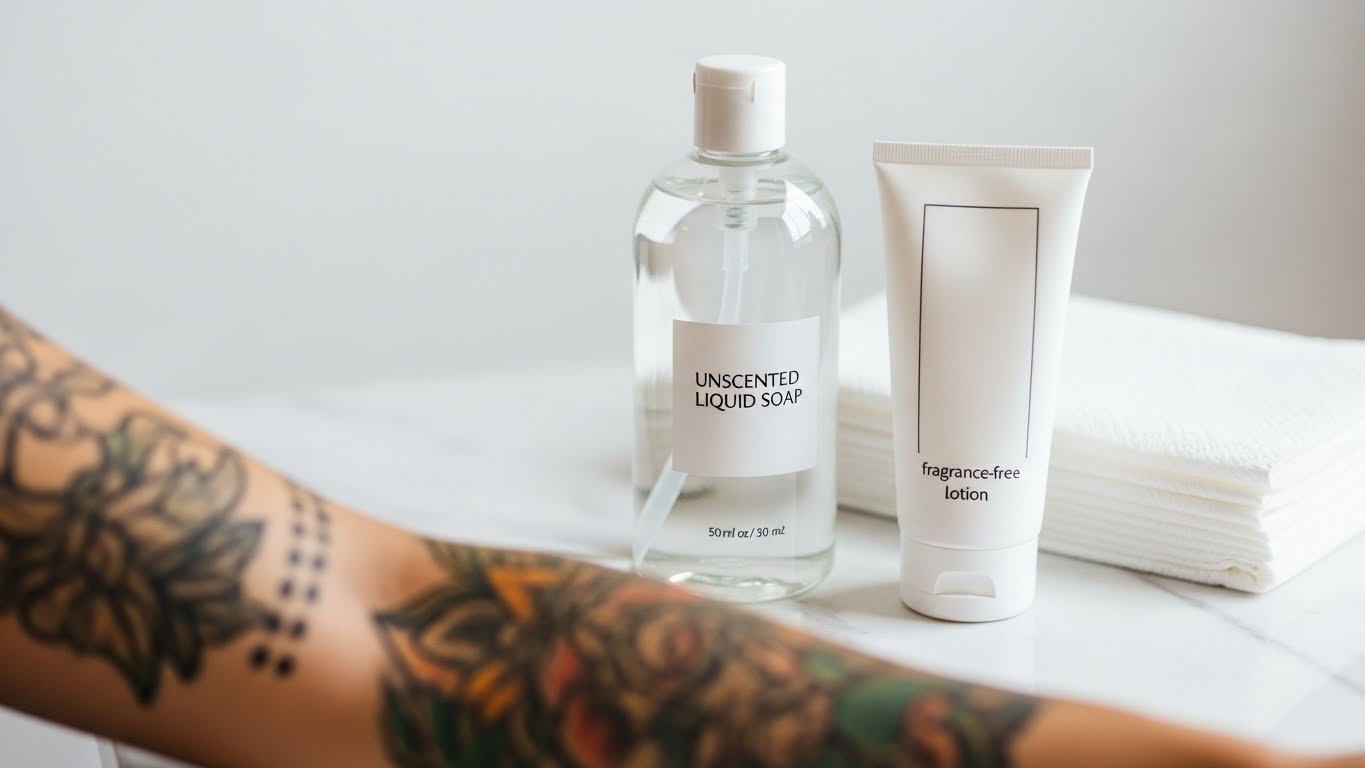
Getting fresh ink is a huge deal for your style. You spent a lot of cash and time in the chair. Now you need to know how to take care of a tattoo so it stays looking fire. Think of your new art like a fresh wound that needs love. If you slack off, your ink might fade or get funky. We want that masterpiece to stay vibrant and crisp for years. Follow this guide to keep your skin happy and your tattoo looking legendary.
Introduction to Tattoo Aftercare
Learning how to take care of a tattoo is a major responsibility. Your body sees the tattoo as a giant scrape. It starts working right away to fix the skin barrier. You must protect the area from germs and harsh stuff. Proper care keeps the colors bright and the lines sharp. Bad habits can lead to scarring or even a nasty infection. Your artist did their part, and now the rest is on you.
The Biological Perspective: Your Tattoo as a Wound
Your skin has different layers called the epidermis and the dermis. The tattoo needle pushes ink deep into the dermis layer. This process creates thousands of tiny holes in your skin. Your immune system reacts by sending white blood cells to the area. This is why you see redness and feel a bit of heat. Understanding this helps you see why cleanliness is so important. You are literally managing the tissue repair of your largest organ.
Immediate Post-Session Care
The first few hours after your session are the most critical. This is when your skin is most open to the world. Your artist will wrap you up before you leave the shop. This shield keeps the bad stuff out while you head home. Do not be tempted to show it off to everyone just yet. Keep it covered and let the initial healing phase begin safely. Peace of mind starts with a protected tattoo.
The Initial Bandaging
The bandage is your first line of defense against the elements. It blocks airborne bacteria and dirty surfaces from touching the raw skin. Some artists use classic plastic wrap and medical tape. Others use high-tech adhesive films like Saniderm or Tegaderm. These clear wraps allow you to see the ink while it stays sealed. Always listen to your artist about how long to keep the wrap on.
- Plastic Wrap: Usually stays on for one to six hours total.
- Adhesive Films: Can often stay on for several days if it stays sealed.
- Protection: Prevents your fresh wound from rubbing against your dirty car seat.
- Security: Keeps your clothes from sticking to the oozing ink.
The First Night
The first night with new ink can be a little messy. Your body will leak plasma and excess ink under the bandage. This is totally normal and actually helps the healing process. If your bandage feels like it might fall off, you can re-tape it. Make sure you do not let the raw skin touch your bedsheets directly. Use old, dark sheets just in case the ink leaks through.
- Weeping: This is just your body cleaning out the wound.
- Stuck Fabric: If your shirt sticks to the tattoo, do not rip it off.
- Lukewarm Water: Use warm water to gently soak stuck fabric until it slides off.
- Sleep Position: Try to sleep in a way that doesn’t squash your new art.
Safely Removing the Bandage
Removing the wrap is a big step in how to take care of a tattoo. You want to be very gentle so you don’t irritate the skin. If you pull too fast, you might hurt the fresh epithelialization process. Take your time and do it in a clean bathroom. Never let a friend or a pet help you with this part. This is a solo mission for the sake of your skin health.
Timing and Environment
Wait at least a few hours before you even think about peeling. Your artist knows best, so follow their specific clock for the wrap. Make sure your sink and hands are super clean before you start. Avoid removing the bandage in a public restroom or a gym. You need a controlled space to keep bacteria far away from the site. A clean home environment is the best place for this.
The Removal Process
Start by washing your hands with antibacterial soap for twenty seconds. If you have an adhesive film, peel it back slowly and horizontally. Do not pull it straight up away from the skin. For plastic wrap, just snip the tape and let it fall away. If it feels stuck, use lukewarm water to help it move. Never force the bandage off if it feels like it is grabbing.
- Hand Hygiene: Use a soap like Dial Gold to kill any germs first.
- Horizontal Peeling: This reduces the tension on your healing dermis.
- No Ripping: Speed is your enemy when removing the protective layer.
- Warmth: Water helps dissolve any dried blood or plasma on the edges.
The Cleaning Protocol
Once the bandage is off, you need to wash the area. This is a vital part of how to take care of a tattoo properly. You are removing the “goop” that can turn into thick scabs. If you leave the plasma there, it will harden and cause problems. Clean skin is the foundation for a beautiful, long-lasting piece of art. Be brave and give it a good, gentle scrub.
Choosing the Right Cleanser
Not all soaps are safe for your new tattoo. You must use a fragrance-free and unscented antibacterial soap. Harsh chemicals or perfumes will sting like crazy and dry you out. Look for simple formulas that don’t have exfoliating beads or heavy dyes. Brands like Dial or Dove Unscented are usually safe bets for most. Avoid anything that smells like a tropical vacation for now.
- Antibacterial: This keeps the infection-causing bugs away from your wound.
- Fragrance-Free: Perfumes are common irritants for fresh, open skin.
- No Scrubs: Avoid soaps with sand or beads that can scratch the ink.
- Simple Brands: Stick to the basics that dermatologists often recommend.
Washing Technique
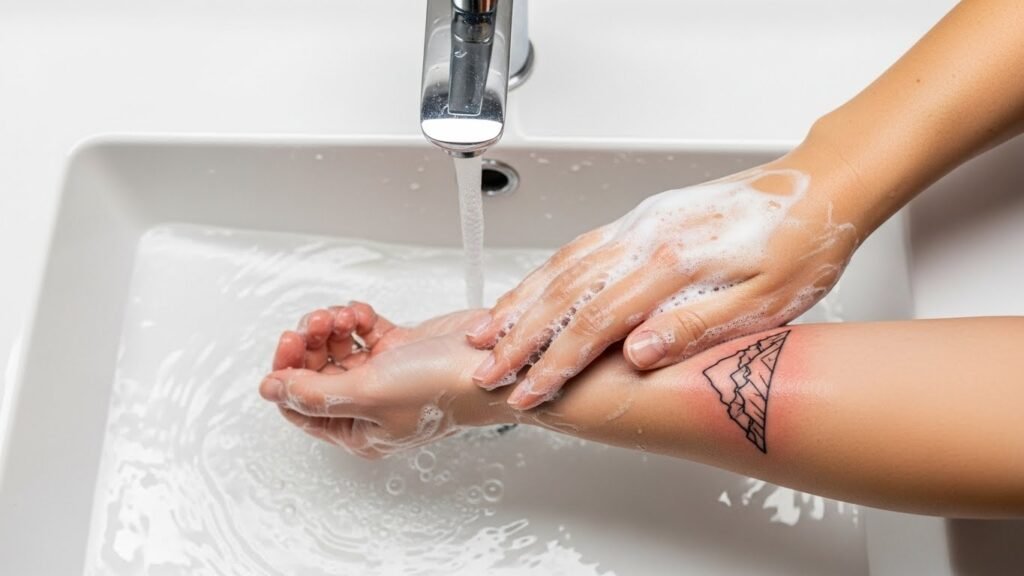
Don’t just stick your arm under the faucet and hope for the best. Lather the soap in your clean hands until it gets bubbly. Use your fingertips to gently rub the tattoo in a circular motion. You need to feel for any slippery spots or dried bits of blood. Keep going until the skin feels clean and no longer slimy. Rinse with lukewarm water until all the soap suds are totally gone.
- Fingertips Only: Your nails or a cloth are way too rough right now.
- Circular Motion: This helps lift the plasma without tugging the skin too much.
- No Pressure: You aren’t scrubbing a floor, so keep the touch light.
- Rinse Well: Leftover soap can dry out the skin and cause itching.
Drying the Tattoo
How you dry your tattoo matters just as much as the wash. Never use a regular bath towel because they are full of germs. Even a “clean” towel has tiny fibers that can get stuck. Reach for a fresh, unused paper towel instead for the best results. This ensures you aren’t putting old bacteria back onto your clean wound. Let the skin rest before you move on to the next step.
- Pat Dry: Press the paper towel down gently and lift it back up.
- No Rubbing: Rubbing the skin can pull at the fresh ink particles.
- Air Drying: Let it breathe for fifteen minutes to ensure total dryness.
- Disposable: Paper towels are the gold standard for tattoo hygiene.
Moisturizing and Ointment Application
The next phase of how to take care of a tattoo involves hydration. Your skin needs a little help staying flexible while it heals up. If the skin gets too dry, it will crack and bleed. If it gets too wet, it can lead to “bubbling” and loss of color. Finding the right balance is the secret to a perfect heal. Use the right products at the right times for success.
The Ointment Phase
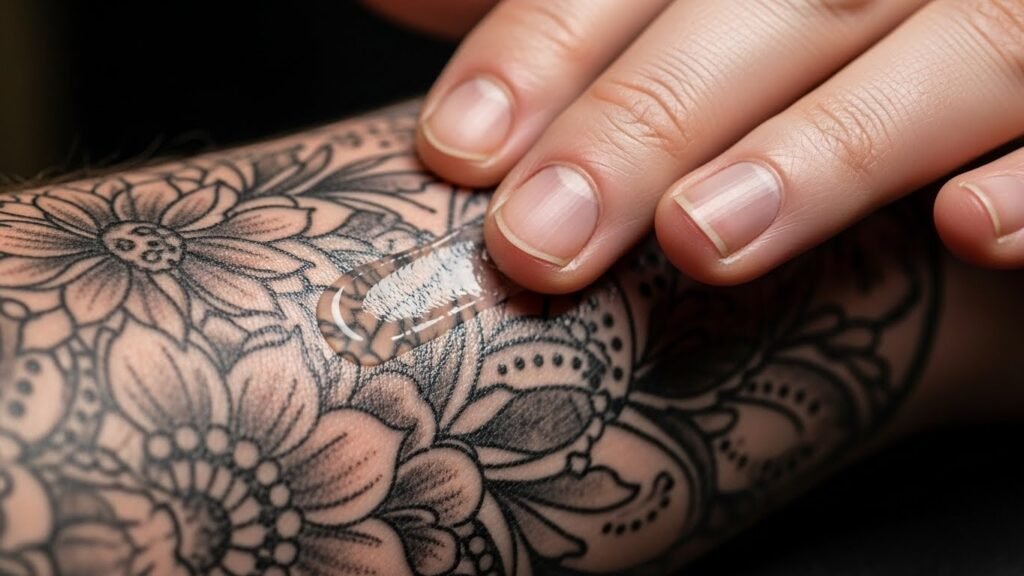
For the first few days, you need a heavy-duty ointment. Products like Aquaphor or Bacitracin are popular for a reason. They create a barrier that keeps moisture in while the skin closes. Only use a tiny amount that makes the skin look slightly shiny. If you can see a thick glob, you have used way too much. Your tattoo needs to breathe to heal correctly.
- Thin Layers: Think of it like a light glaze, not a thick frosting.
- Aquaphor: A classic choice that most artists trust for the first stage.
- Breathability: Too much ointment traps bacteria and slows down healing.
- Dab Excess: Use a paper towel to soak up any extra grease.
Transitioning to Lotion
After about five days, your tattoo will start to feel different. It might look a bit dull and start to flake like a sunburn. This is when you switch from ointment to a lighter lotion. Use a water-based, fragrance-free lotion to keep the area soft. Apply it whenever the skin feels tight or looks really dry. This phase usually lasts for the next two weeks or so.
- Fragrance-Free: Stick to brands like Lubriderm or Cetaphil for safety.
- Frequency: Two or three times a day is usually plenty for most.
- Avoid Breakouts: If you see pimples, stop using so much lotion.
- Hydration: Good lotion keeps the scabs from getting too hard and itchy.
The Healing Process: What to Expect
Healing is a journey that takes a few weeks to finish. You will see your tattoo change every single day. Some days it will look amazing, and others it might look rough. Don’t panic if things seem a bit weird at first. Your body is doing a lot of hard work under the surface. Knowing what is normal will keep you from stressing out too much.
The Peeling and Itching Stage
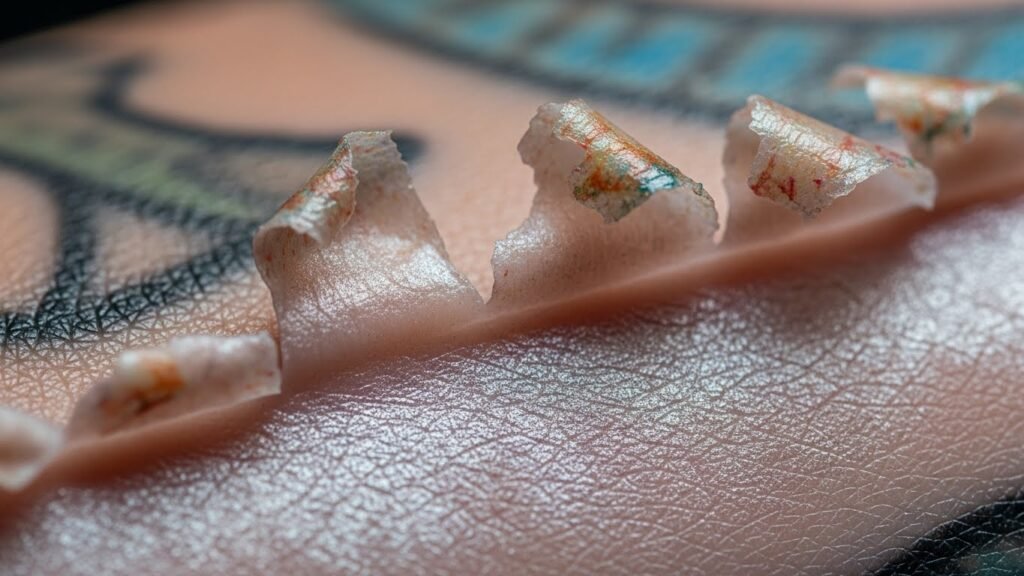
Around the end of the first week, the itching will start. This is often the hardest part of the whole process. Your skin is shedding the old layers and growing new ones. You might see colorful flakes falling off on your clothes. This is totally normal and not a sign of losing ink. Just keep moisturizing and stay patient while the skin does its thing.
- No Scratching: Scratching can pull ink out and leave white spots.
- The Slap: If it itches bad, give it a light slap with your palm.
- No Picking: Let the flakes fall off on their own time.
- Patience: This stage usually only lasts for a few annoying days.
Lifestyle Restrictions During Recovery
You have to change your routine a bit during the first month. Your new tattoo is sensitive to almost everything in your life. From the clothes you wear to the food you eat, it all matters. Think of it as a temporary sacrifice for a lifetime of cool art. Most of these rules only last for two or three weeks. It is a small price to pay for a perfect piece.
Water Exposure and Hygiene
You can and should still shower, but keep it brief. Avoid letting the heavy stream of water hit the tattoo directly. Do not submerge the area in any type of water for at least two weeks. This means no pools, no hot tubs, and definitely no ocean water. Standing water is a breeding ground for nasty bacteria that love wounds. Keep it clean and keep it dry as much as possible.
- No Swimming: Chlorine and salt water will wreck a fresh tattoo.
- Short Showers: Don’t stay in the steam for too long.
- Fresh Bedding: Change your sheets every few days to keep things clean.
- Avoid Gyms: Public gym equipment is covered in other people’s germs.
Sun Exposure

The sun is the absolute worst enemy of your new ink. UV rays can actually burn the healing skin and fade the pigment. Keep your tattoo covered with loose clothing when you go outside. Do not put sunscreen on the tattoo until it is fully healed. The chemicals in sunscreen can irritate the open wound and cause issues. Once it is healed, sunscreen becomes your best friend for life.
- Cover Up: Use loose cotton sleeves or pants to block the sun.
- No Sunscreen Yet: Wait at least three weeks before applying SPF.
- Fade Risk: Even a little sun can make your black ink look gray.
- Future Care: Always use SPF 50 once the skin is totally smooth.
Long-Term Maintenance and Preservation
The work doesn’t stop once the peeling is finished. If you want your ink to look fresh in ten years, you need a plan. Healthy skin makes for a healthy-looking tattoo every single time. Treat the area like a valuable piece of property that needs upkeep. It only takes a few seconds a day to keep it looking great. Your future self will thank you for the extra effort.
Sun Protection for Life
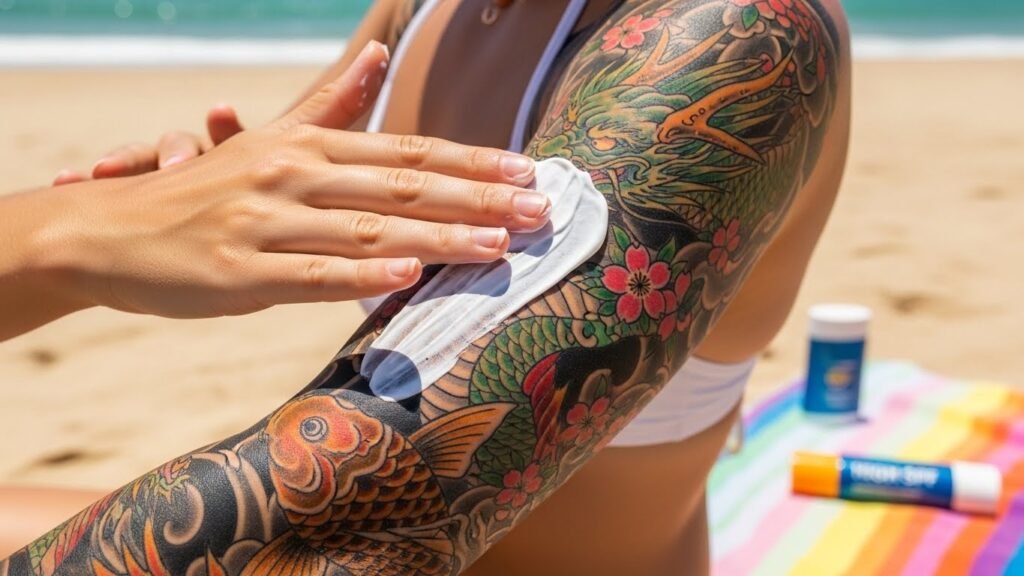
This is the most important rule for long-term ink health. Sunlight breaks down the ink particles in your skin over time. This leads to blurring and significant fading of the colors. Every time you go to the beach or the park, apply high-quality sunblock. Make it a habit just like brushing your teeth or washing your face. It is the only way to stop the clock on your art.
- High SPF: Use at least SPF 30 or 50 for the best protection.
- Reapply: Put more on every two hours if you are staying outside.
- Daily Habit: Even cloudy days have UV rays that can cause damage.
- Vibrancy: Sunblock keeps your white highlights from turning yellow.
Placement-Specific Care for Your Ink
Depending on where you put your art, you might need to change your strategy. Some spots on the body move more or get sweatier than others. Knowing how to take care of a tattoo based on its location ensures the ink stays exactly where it belongs. Every body part has its own quirks during the healing phase. Here is how to handle the most common placements.
Caring for Hand and Finger Tattoos
Hands are the hardest place to heal because you use them for everything. You wash your hands constantly, which can dry out the ink and cause fading. Finger tattoos are especially prone to “fall out” where the ink disappears in patches. You need to be extra diligent with moisturizing in these high-traffic zones. Try to avoid heavy chores or wearing gloves for the first week.
- Wash Often: Use mild soap every time you touch something dirty.
- Light Moisture: Hands get oily, so use very small amounts of lotion.
- Avoid Friction: Try not to stick your hands in tight pockets or bags.
- Limit Movement: Excessive gripping or typing can irritate fresh finger ink.
Foot and Ankle Tattoo Maintenance
Feet are tricky because they are close to the ground and full of bacteria. This area is also prone to significant swelling during the first few days. You should try to keep your feet elevated whenever you are sitting down. Avoiding shoes is the best way to let the skin breathe and heal. If you must wear shoes, choose loose ones and wear clean cotton socks.
- Elevation: Keep your feet above your heart to reduce throbbing.
- Clean Socks: Change your socks twice a day to prevent sweat buildup.
- No Sandals: Open shoes expose the raw ink to street grime and dirt.
- Loose Laces: Do not tie your shoes tight over a fresh ankle piece.
Joint Placements: Elbows and Knees
Tattoos on joints are notorious for being painful and difficult to heal. Every time you move your arm or leg, you stretch the healing skin. This constant motion can cause deep scabs to crack and bleed. If a scab cracks, it leaves a literal gap in your tattoo’s design. You must keep these areas extremely well-moisturized to maintain skin elasticity.
- Stay Hydrated: Apply lotion more frequently to keep the skin stretchy.
- Limited Range: Avoid heavy lifting or squats that overextend the joint.
- Sleep Soft: Keep your joints slightly bent while sleeping to avoid tension.
- Watch for Cracks: If you see a crack, apply a tiny bit of ointment immediately.
Torso, Ribs, and Back Aftercare
The torso and back are large areas that often experience a lot of friction from clothes. These spots also tend to get sweaty, especially if you sit against a chair all day. Since you can’t always see your back, you might need a friend to help you. It is very easy to miss a spot when cleaning or moisturizing. Wear loose, oversized t-shirts to prevent the fabric from rubbing against the ink.
- Breathable Fabrics: Stick to 100% cotton to allow for maximum airflow.
- Mirror Check: Use two mirrors to inspect your back for any redness.
- No Backpacks: Avoid heavy straps that dig into your shoulders or ribs.
- Sleeping Setup: Try to sleep on your stomach if you got a back piece.
Wrist and Forearm Care
Wrists are high-movement areas that often come into contact with desks and keyboards. If you work in an office, your wrist might rub against your mousepad all day. This friction can lead to irritation and can even rub the ink out. Consider placing a clean paper towel under your arm while you work. Be mindful of watches and jewelry that might scratch the surface.
- No Watches: Remove bracelets and watches for at least two weeks.
- Desk Hygiene: Clean your workspace daily to avoid cross-contamination.
- Sleeve Roll: Keep your sleeves rolled up so they don’t trap heat.
- Gentle Resting: Don’t lean your full weight on the tattooed area.
Neck and Behind the Ear
The skin on the neck is very thin and moves every time you turn your head. It is also an area that is frequently exposed to hair products and shampoo. You need to be careful in the shower so that hair dye or chemicals don’t run over the ink. Keep your hair tied up and away from the tattoo if possible. This prevents hair oils and styling products from clogging your pores.
- Hair Up: Use clips or ties to keep hair from touching the wound.
- Rinse Carefully: Tilt your head so soapy water runs away from the neck.
- Sun Protection: The neck gets a lot of sun, so wear a hat or scarf.
- No Perfume: Avoid spraying cologne or perfume near the fresh ink.
Identifying Potential Complications
Most tattoos heal just fine if you follow the basic rules. However, sometimes things can go wrong despite your best efforts. You need to know how to spot the difference between healing and trouble. If you catch an issue early, it is much easier to fix. Don’t be afraid to ask for help if something feels wrong. Your artist and your doctor are there to support you.
Signs of Infection
An infection is a serious matter that needs a doctor’s attention. If the redness starts spreading away from the tattoo, that is a bad sign. You might notice the area getting more painful instead of better. Look out for any green or yellow pus coming from the skin. If you get a fever or start feeling chilled, head to the clinic. It is better to be safe than sorry with your health.
- Fever: This means your body is fighting a bigger battle.
- Pus: Yellow or green discharge is never a good sign for healing.
- Red Streaks: This can mean the infection is moving into your system.
- Extreme Heat: The tattoo shouldn’t feel hot to the touch after day three.
| Stage of Healing | Timeframe | Primary Care Action |
| Initial Wrap | 1-6 Hours | Keep covered and protected |
| Weeping Phase | Days 1-3 | Wash gently with antibacterial soap |
| Ointment Phase | Days 1-5 | Apply very thin layer of Aquaphor |
| Peeling/Itching | Days 5-14 | Switch to fragrance-free lotion |
| Full Recovery | 2-4 Weeks | Use sunscreen and stay hydrated |
Summary of Best Practices
Learning how to take care of a tattoo is a skill that pays off. If you stay consistent, your ink will look amazing for a lifetime. Remember to keep it clean, keep it moist, and keep it out of the sun. Don’t listen to “bro science” from friends; stick to the professional advice. Your skin is a canvas, so treat it with the respect it deserves. Enjoy your new ink and wear it with pride.
- Stay Clean: Always wash your hands before touching the tattoo.
- Be Gentle: Never pick, scratch, or scrub the healing skin.
- Use Quality Products: Avoid cheap, scented, or petroleum-heavy creams.
- Consult Experts: Call your artist or a doctor if things look weird.
Frequently Asked Questions
Can I drink alcohol before or after my tattoo session?
Drinking before your session is a bad idea because alcohol thins your blood. This causes you to bleed more while the artist is working. Excess bleeding can push the ink out and make the artist’s job much harder. After the session, you should wait at least 48 hours to drink. Your body needs to start the clotting and healing process without interference.
Is it safe to drink coffee on the day of my appointment?
Coffee is a stimulant that can increase your heart rate and make you feel jittery. Being shaky makes it difficult for the artist to pull clean, straight lines. Caffeine can also slightly thin your blood, similar to alcohol. It is best to stick to water and a heavy meal before you head to the shop. Save the caffeine boost for after your session is complete.
How do I know if I am allergic to tattoo ink?
An allergic reaction usually looks like extreme swelling or a persistent bumpy rash. This often happens with red ink more than any other color. The area might feel very hard or stay raised for several months. If you notice the skin reacting specifically to one color, talk to a dermatologist. They can help you manage the reaction without ruining the art.
Can I shave the area while the tattoo is healing?
You must never run a razor over a healing tattoo that is still peeling. Shaving can catch on scabs or flakes and rip them off prematurely. This leads to scarring and permanent holes in the design. Wait until the skin is completely smooth and the “shiny” phase has passed. This usually takes about four to five weeks to be safe.
Is it okay to use numbing cream before the session?
Numbing creams can sometimes change the texture of your skin, making it harder to tattoo. Some artists refuse to work on skin that has been pre-treated with cream. Always ask your artist for their preference before you apply anything. If you do use it, make sure it is a brand they trust and recommend. Some creams can also lead to more swelling during the healing phase.
What should I do if my tattoo starts to smell bad?
A healthy tattoo should not have a noticeable or foul odor. If you notice a “rotten” smell, it is a classic sign of a bacterial infection. This happens when bacteria get trapped under ointment or a bandage. Wash the area immediately with antibacterial soap and look for other signs of infection. If the smell persists, see a doctor for a round of antibiotics.
Can I use a sauna or steam room while healing?
Saunas and steam rooms are dangerous for a fresh tattoo. The intense heat causes you to sweat excessively under the fresh wound. Sweat can carry bacteria into the open pores and lead to irritation. The moisture can also soften scabs and cause them to fall off too early. Stay away from these environments for at least three full weeks.
Why does my tattoo look blurry or fuzzy after a few days?
During the first week, your tattoo might look a bit blurry or “milky.” This is because a new layer of skin is growing over the ink. This layer is called the “silver skin” and it is not yet transparent. Once this layer matures and thins out, the crisp lines will reappear. This is a natural part of the biological repair process.
Can I go to the gym if the tattoo is on my torso?
If your tattoo is in an area that stretches, like your stomach or ribs, take a break. Exercises like crunches or heavy lifting pull on the skin. This can cause the fresh scabs to crack or even tear. Cracking allows bacteria to enter and can lead to permanent scarring. It is better to miss a week of the gym than to ruin your art.
Is it normal to feel tired or sick after a long session?
Many people experience what is called the “tattoo flu” after a long appointment. Your body has been under stress and your immune system is working overtime. You might feel fatigued, have a slight headache, or feel a bit run down. Drink plenty of water, eat a healthy meal, and get a full night of sleep. Your body needs energy to start the healing process correctly.
Can pets be around my fresh tattoo?
You should keep your pets away from your new ink for the first two weeks. Animal hair and dander are covered in bacteria and allergens. If a pet licks your tattoo, it introduces a high risk of infection. Do not let your pets sleep in your bed while the tattoo is in the peeling stage. Keep the area covered with loose clothing if you are cuddling with your furry friends.
What if I have a job that requires manual labor?
If you work a dusty or physical job, you need extra protection. Wear loose, long sleeves or pants that keep the dirt away from the skin. Make sure the fabric is breathable so you don’t trap sweat against the wound. Clean the tattoo immediately after your shift is over to remove any grime. If the environment is very dirty, talk to your artist about using a medical-grade adhesive film.
Is it safe to fly on a plane right after getting tattooed?
Flying is generally safe, but airplanes are very dry and full of germs. The low humidity can dry out your tattoo faster than usual, so keep your lotion handy. Avoid letting your new ink touch the armrests or the tray tables. If you are on a long flight, make sure you can still wash it in a clean environment. Wear loose clothing to prevent the pressurized cabin from causing discomfort.
Can I use coconut oil instead of lotion?
Many people use organic, unrefined coconut oil as a natural aftercare option. It has antibacterial properties and is very hydrating for the skin. However, it can be quite greasy and may clog your pores if you use too much. If you have oily skin or are prone to breakouts, a water-based lotion is usually better. Always test a small patch of skin first to check for any reactions.
What happens if I accidentally submerge my tattoo in water?
If you fall into a pool or forget and take a bath, don’t panic. Get out immediately and wash the tattoo with antibacterial soap. Pat it dry with a clean paper towel and let it air dry for 30 minutes. Do not apply any ointment or lotion until the skin is completely dry. Watch the area closely for the next few days for any signs of redness or irritation.
Why is there a bruise around my new tattoo?
Bruising is common, especially in sensitive areas like the inner arm or ribs. It happens when the needle or the artist’s hand causes minor trauma to the capillaries. People who take blood thinners or aspirin are more likely to see bruising. The bruise should fade within a week, just like any other normal bruise. If the bruise feels very hard or hot, check in with your artist.
Can I get a tan after my tattoo is healed?
You can get a tan, but you must realize it will age your tattoo significantly. Tanning is essentially skin damage caused by UV radiation. This radiation breaks down the pigment and causes the tattoo to blur. If you want your tattoo to stay sharp, tanning is your biggest enemy. If you must tan, use a high-SPF stick to cover the tattoo specifically.
What should I do if I think my artist went too deep?
If you see ink spreading out like a watercolor stain around your lines, it is called a blowout. This happens when the ink is placed into the fat layer below the dermis. Unfortunately, there is no aftercare trick to fix a blowout. Once the tattoo is fully healed, you can talk to your artist about a touch-up or a border to hide it. A blowout is a permanent change in the skin.
Can I use Vitamin E or Aloe Vera on my tattoo?
Pure Aloe Vera is great for soothing a “hot” tattoo, but check the ingredients for alcohol. Many store-bought gels contain alcohol which will dry out the ink. Vitamin E oil is very thick and can sometimes trap bacteria if used too early. These are better for the later stages of healing rather than the first few days. Stick to the basics for the first week to ensure a predictable result.
How often should I get my tattoo touched up?
A well-cared-for tattoo may not need a touch-up for ten years or more. If you notice “holidays” or gaps in the ink after the first month, get a touch-up then. Most artists offer one free touch-up within the first year of the original session. After that, factors like sun exposure and skin type will determine when you need a refresh. Keeping your skin hydrated and protected is the best way to delay this.
