


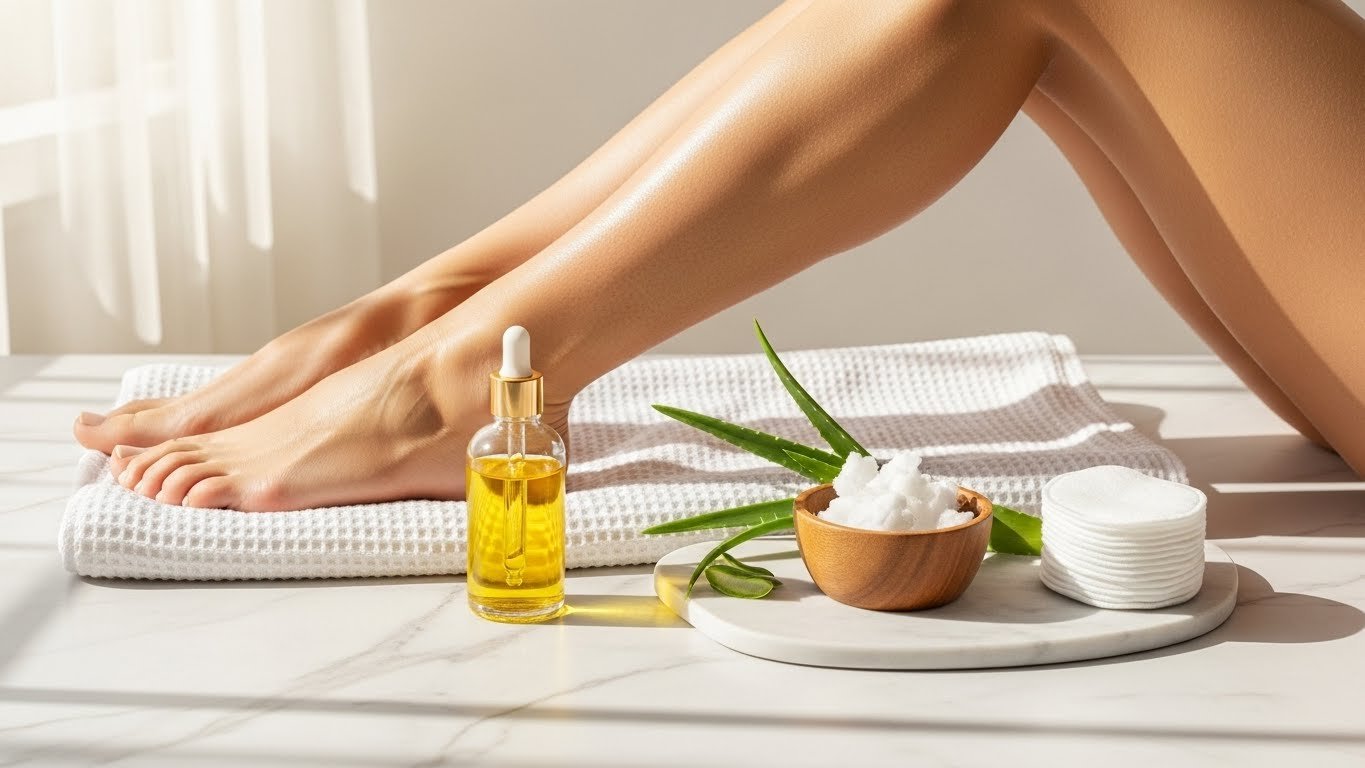
Getting that smooth skin feeling after waxing is a total vibe. But dealing with sticky residue can really ruin your day. If you are wondering how to get wax off skin, you are in the right place. We have all the best tips to keep your skin feeling fresh and clean. Let’s dive into making your post-wax routine super easy and stress-free.
Understanding the Chemistry of Wax Adhesion
Knowing why wax sticks helps you remove it way faster. Most professional wax is made to grab onto everything it touches. This includes both your hair and the top layer of skin cells. This strong grip is what helps pull hair from the root. But sometimes it holds on a little too well to your body.
Lipophilic vs. Hydrophilic
Some waxes love oil and others love water. Resin-based waxes like hard wax and soft wax are lipophilic. This means they only dissolve when you use oil-based products. Sugar wax is hydrophilic, which means it is water-soluble. You must know which one you used before you start cleaning up.
The Science of “The Grip”
Wax works by shrink-wrapping around the hair follicle. It also sticks to the dry, dead skin on the surface. If your skin is really dry, the wax might latch on even harder. This creates that stubborn sticky residue that feels impossible to wash off. Understanding this bond helps you break it without hurting yourself.
Why Wax Sticks to Skin but Not Hair
Sometimes the wax fails to grab the hair but stays on your skin. This happens if the hair is too short or if your skin is damp. Humidity and sweat can also mess with the setting time of the wax. If the wax doesn’t set right, it stays gooey and leaves a mess behind. It can be super annoying when you want to be hair-free.
Identifying Your Wax Type for Proper Removal
You can’t just use soap and water for every type of wax. In fact, that usually makes the mess much worse for most products. You need to match your cleaning method to the specific formula you used. This saves you a lot of time and prevents unnecessary skin irritation. Let’s look at the main types you might find at a salon in Dallas or Fort Worth.
Resin-Based Waxes (Soft, Hard, and Strips)
These are the most common types of professional wax. They are made from resins that are very sticky and durable. Because they are oil-loving, you must use a wax remover oil to get them off. Water will just make these waxes feel harder and more stuck. Always keep a bottle of mineral oil or baby oil nearby when using these.
Sugar-Based Waxes (Water-Soluble)
Sugar wax is a favorite for clean beauty fans. It is made from simple things like sugar, water, and citrus. The best part about this wax is how easy it is to clean up. You only need warm water to wash away any leftovers. It is much less stressful than dealing with resin-based products.
Fruit-Based and Hybrid Waxes
Modern beauty tech has created some cool new hybrid waxes. These might use fruit extracts or synthetic polymers to be gentler on the skin. Always read the label to see if they are oil-soluble or water-soluble. Most hybrids still lean toward needing an oil-based cleanser. If you aren’t sure, try a tiny bit of oil on a cotton pad first.
How to Remove Wax Strip Residue
Wax strips are super convenient for quick touch-ups at home. But they often leave a thin, tacky film behind on your legs or arms. This residue can catch on your clothes and feel really gross. Luckily, getting it off is pretty straightforward if you move fast. Here are the best ways to handle strip leftovers.
- The “Re-stick” Method: Use the strip you just pulled off and press it back onto the sticky spot. Give it a quick rub and pull it away fast to lift the leftover bits.
- Oil Dissolution: If the “re-stick” doesn’t work, grab a cotton pad soaked in oil. Rub it in small circular motions to break down the sticky film.
- Hydration Step: Once the wax is gone, leave a little bit of clean oil on the skin. This helps calm down any redness and adds moisture back to the area.
How to Remove Warm Wax (Soft Wax) Residue
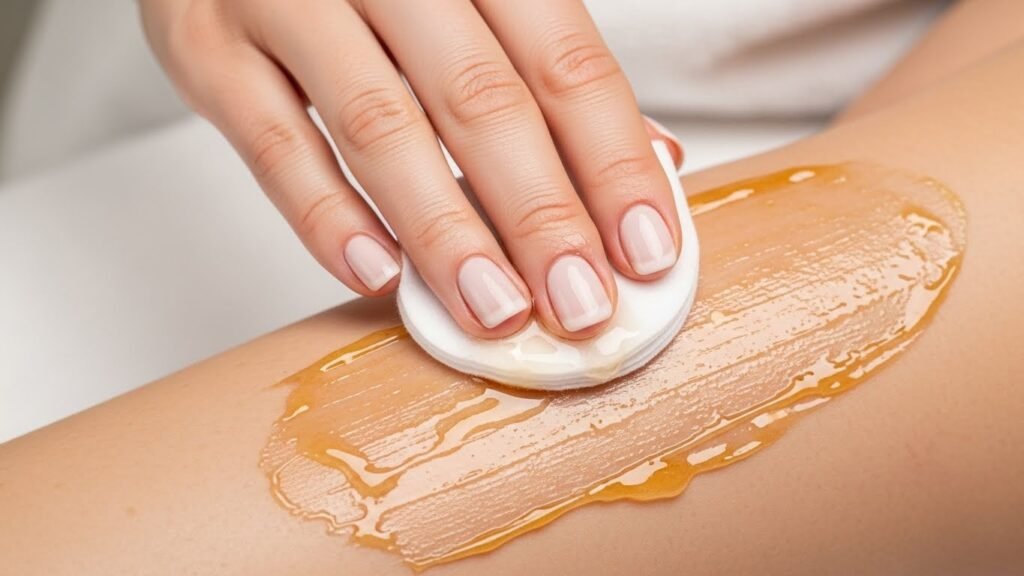
Soft wax is usually applied with a spatula and removed with epilation strips. It is great for large areas but can be very messy if you aren’t a pro. Because it stays tacky, it loves to leave residue behind. If you have a sticky situation, do not reach for the soap. Follow these steps to get your skin clean and smooth.
The “Oil, Not Water” Rule
Using water on soft wax is a big mistake. Water makes the resin in the wax seize up and get even stickier. You will just end up with a clump of wax that won’t move. Always use an oil-based product to dissolve the bond between the wax and your skin. It is the only way to get a clean finish.
Massage and Wait
Don’t just rub the oil and wipe it away immediately. You need to give the oil a second to work its magic. Apply the oil and gently massage it into the residue for about thirty seconds. This lets the oil penetrate the wax and lift it from your pores. Patience is key to avoiding skin abrasions or irritation.
Wipe Technique
Once the wax feels loose, use a soft cloth to wipe it away. Move in the direction of hair growth to be extra gentle. If there is still some wax left, just repeat the oil massage. Don’t try to scrub it off with a towel, as that hurts. Just keep using oil until the skin feels totally smooth.
Pro Tip for Prevention
The best way to handle residue is to prevent it during application. Make sure your wax is heated to a honey-like texture. If it is too cold, it goes on too thick and sticks like crazy. Applying a very thin layer makes the cleanup much easier later on. You will have way fewer leftovers to deal with.
How to Get Rid of Leftover Hard Wax (Hot Wax)
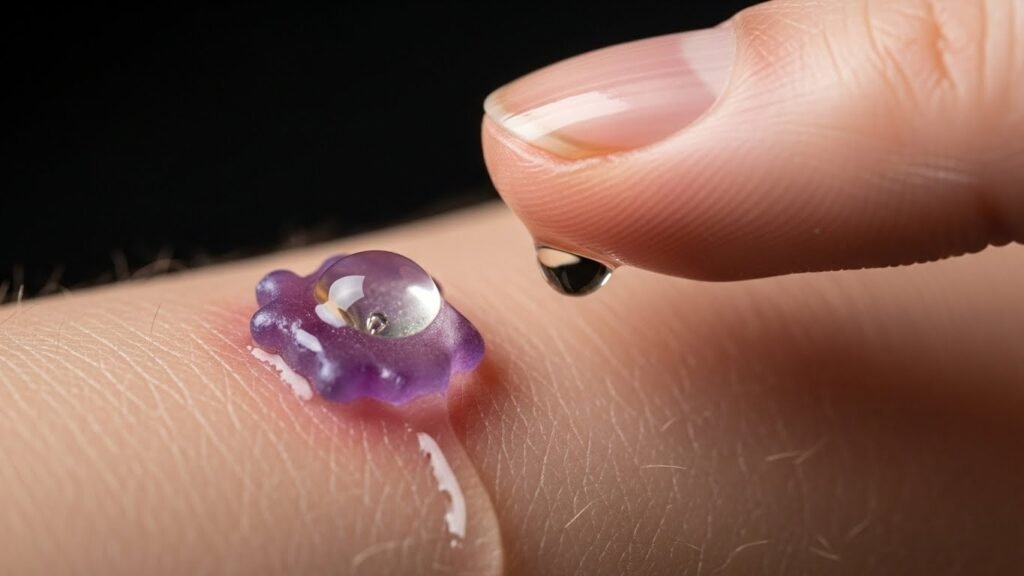
Hard wax is awesome for sensitive spots like the bikini line. It hardens on its own and you pull it off without a strip. However, if it gets too cold, it can become brittle and break into small pieces. These little bits can be a pain to get off your skin. Here is how to handle those stubborn hard wax chunks.
- Softening Brittle Wax: You can actually use a little bit of fresh, warm wax to help. Apply a small amount over the stuck piece to soften it up. Then, pull both pieces off together once they have bonded.
- The “Wait and Wipe” Method: Warm some baby oil or mineral oil between your palms. Press it against the hard wax bits and wait for about thirty seconds. Use a soft cloth to gently slide the wax off the skin.
- Care for Delicate Areas: Be super careful when removing wax from the face or bikini area. These spots bruise easily if you pull or rub too hard. Always use plenty of oil and move slowly.
- Pliable Edges: When applying hard wax, make the edges a bit thicker. This gives you a “lip” to grab so the whole piece comes off at once. It prevents those tiny, annoying fragments from staying behind.
How to Clean Sugar Wax Off Skin
Sugar waxing is a totally different game. If you used a sugar-based product, you can put the oils away. This is the easiest type of wax to clean up after a session. It is great for beginners who are worried about making a mess. You can be cleaned up and ready to go in just a few minutes.
Water Solubility
Sugar wax is made of ingredients that love water. This means you don’t need any special chemicals or oils to get it off. Just hop in a lukewarm shower or use a damp cloth. The residue will dissolve and wash away almost instantly. It is a very clean and eco-friendly way to remove hair.
Gentle Drying
After you wash the sugar wax off, your skin will be a bit sensitive. Don’t rub your skin dry with a rough towel. Instead, gently pat the area with a soft, clean towel. This prevents any extra irritation or redness from friction. Your skin will thank you for being extra soft and careful.
Immediate Moisturizing
Sugar wax also acts as a natural exfoliant for your skin. This means your fresh skin cells are exposed and need protection. Apply a fragrance-free lotion or a bit of aloe vera right after drying. This locks in moisture and keeps your skin looking glowing and healthy. It’s the perfect finish to a sugar wax session.
Best Products to Get Wax Off Skin Fast
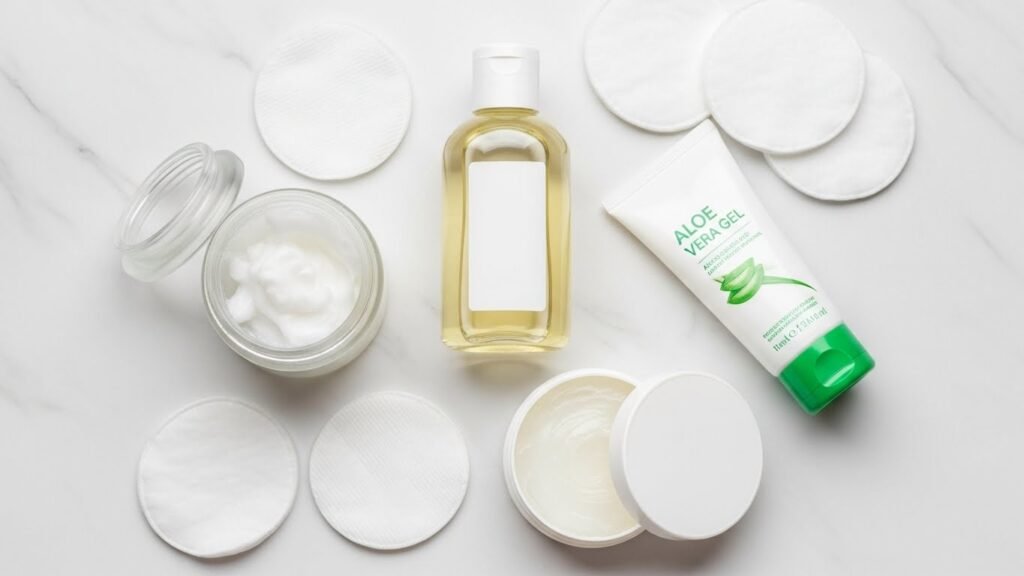
You probably already have some great wax removers in your house. You don’t always need to buy the fancy stuff from the salon. Many everyday items work just as well to dissolve sticky residue. Choosing the right product depends on your skin type and what you have on hand. Here are the top picks for a fast cleanup.
- Professional Wax Remover Oil: These are made specifically for the job and often contain azulene oil to calm the skin.
- Baby Oil or Mineral Oil: This is a classic choice because it is very gentle and cheap. It breaks down resin wax quickly without causing any stings.
- Petroleum Jelly: If you have a thick patch of wax that won’t move, try this. Let it sit for a few minutes to soften the wax before wiping it away.
- Makeup Remover Wipes: These are perfect for small areas like your eyebrows. Make sure they are the oil-based kind for the best results.
- Aloe Vera Lotion: This is a great choice if your skin feels hot or irritated. It helps clean up minor stickiness while cooling the area down.
Natural Remedies: How to Clean Wax Off Skin at Home
If you prefer clean beauty, natural oils are your best friend. They are often better for your skin than synthetic mineral oils. Many of these can be found right in your kitchen cabinet. They provide deep hydration while they work to dissolve the wax. Here is how to get wax off skin using nature’s best.
- Warm Olive or Coconut Oil: These are heavy oils that break through wax fast. Warming them slightly makes them work even better on stubborn spots.
- Almond or Avocado Oil: These oils are packed with vitamins that help your skin heal. They are a bit lighter than coconut oil and smell amazing.
- Aloe Vera Gel: Use pure aloe vera to soothe the skin and loosen small amounts of residue. It is the best choice for very sensitive or acne-prone skin.
- Ice Cubes: While they don’t remove wax, they are great for after you are done. Use them to bring down swelling and close up your pores.
Specialized Removal by Body Area
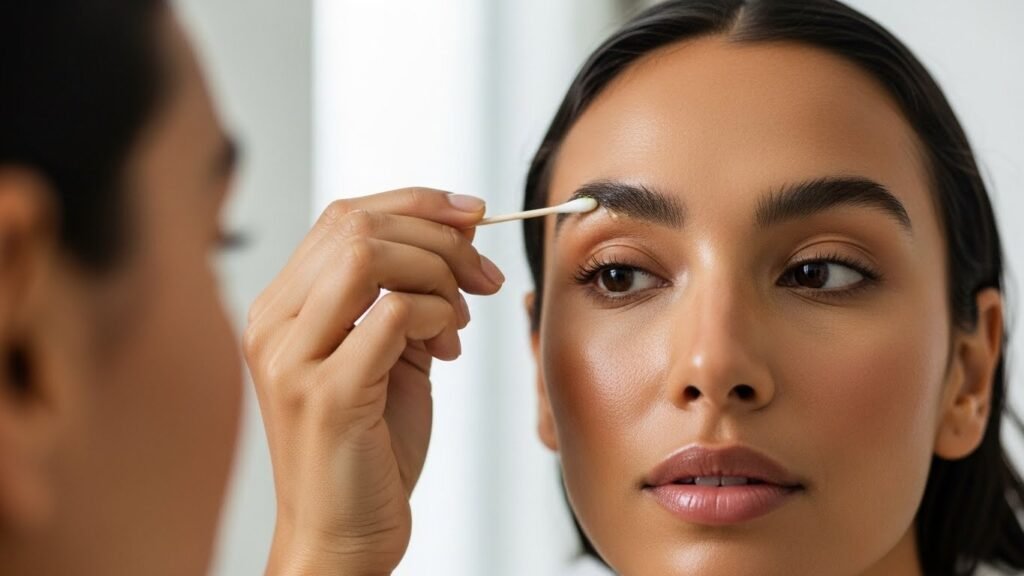
Different parts of your body need different levels of care. Your face is way more sensitive than your legs. You have to be mindful of things like pH balance and pore clogging. Let’s look at how to handle specific areas without causing any trouble. This ensures you stay pretty and pain-free.
Removing Wax from the Face (Brows and Upper Lip)
When you are working near your eyes, you have to be very careful. Use a small cotton pad so the oil doesn’t get into your eyes. Choose non-comedogenic oils like jojoba or grapeseed oil for the face. These won’t clog your pores or cause breakouts after your wax. Keep your movements light and avoid any heavy scrubbing.
Cleaning Up After a Brazilian or Bikini Wax
This area is the most sensitive spot on your body. You should avoid any products with heavy fragrances or dyes. Use a simple, natural oil like coconut oil to clean up any residue. Always use a mirror to check for any hidden sticky spots. If you leave wax there, your skin might stick to your underwear, which is very painful.
Leg and Arm Cleanup
Since these are larger areas, you can be a bit more efficient. A soft washcloth soaked in warm mineral oil works great here. You can cover more ground and get the job done faster. It’s also a good time to check for any missed hairs while you are cleaning. Most people find leg cleanup to be the easiest part of the process.
Removing Wax from Non-Skin Surfaces (The “Oops” Moments)
Waxing at home can lead to some messy accidents. Sometimes the wax ends up on your hair or your favorite rug. Knowing how to fix these mistakes can save your day and your stuff. Don’t panic if you spill a little bit of wax. Most of it can be cleaned up with the right tricks.
- Removing Wax from Hair and Eyebrows: If you get wax in your hair, do not pull it. Saturate the hair with oil and wait for the wax to slide off the hair shaft.
- Getting Wax Out of Clothing and Towels: Place a paper bag over the wax and run a warm iron over it. The heat will melt the wax, and the paper will soak it up.
- Cleaning Wax Off Bathroom Counters: Use a hair dryer to soften the wax and then wipe it with oil. This works great for tile and stone surfaces in your bathroom.
What Not to Do When Removing Wax From Skin
It is just as important to know what to avoid. Making a mistake during cleanup can lead to red, angry skin. You don’t want to turn a simple wax session into a week of irritation. Stay away from these common pitfalls to keep your skin happy. Your future self will definitely thank you for following these rules.
- Avoid Hot Water and Soap: This is the biggest mistake people make. It doesn’t work on resin wax and only dries out your sensitive skin.
- Never Scratch or Peel: Using your fingernails to pick at wax is a bad idea. It can cause skin abrasions, redness, and even tiny scars.
- Avoid Alcohol-Based Products: Things like hand sanitizer or toners will sting like crazy. They also strip away the natural oils your skin needs to heal.
- Skip Immediate Exfoliation: Your skin has already been exfoliated by the wax. Using loofahs or scrubs right away will cause major irritation.
Post-Wax Skin Care: How to Soothe and Protect
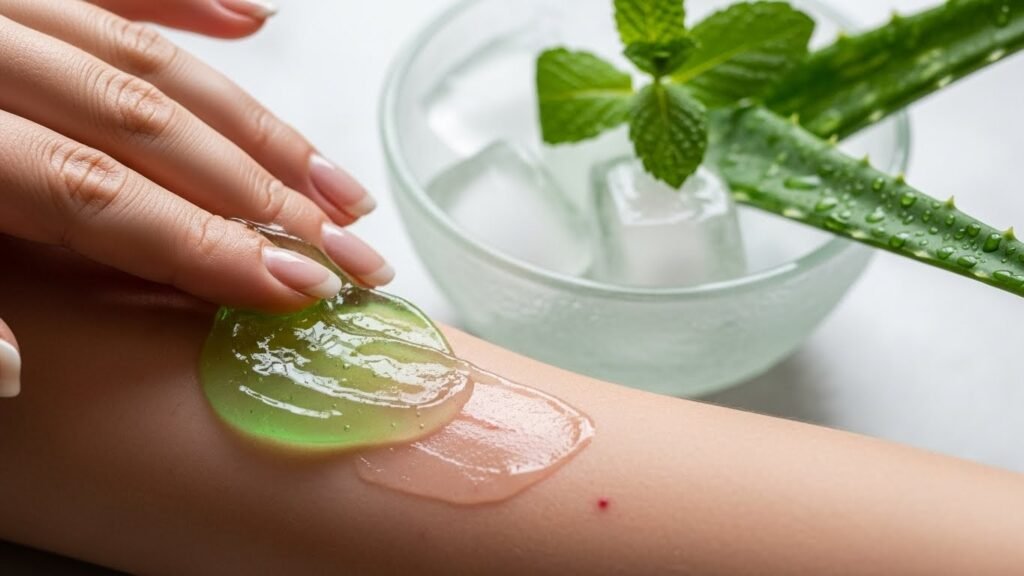
The work isn’t done just because the wax is gone. Proper aftercare is the secret to that perfect, glowing skin. You need to protect the area while the hair follicles are still open. This helps you avoid bumps and keeps your skin feeling soft. Let’s look at the best ways to baby your skin after a wax.
- Cooling the Skin: If your skin feels hot, use a cold compress or ice cubes. This helps constrict the blood vessels and reduces redness.
- Moisturization: Use a fragrance-free, hypoallergenic lotion to keep skin soft. Aloe vera is also a top-tier choice for cooling and hydrating.
- Clothing Choices: Wear loose, breathable cotton clothing for the first twenty-four hours. Tight jeans can cause friction and lead to painful ingrown hairs.
- Heat and Sweat Avoidance: Stay away from hot yoga, saunas, and heavy workouts for a day. Sweat can get trapped in open follicles and cause little red bumps.
- Managing Redness: If you have persistent redness, try a little bit of azulene oil. It is specifically designed to calm down the vascular response after waxing.
- Long-Term Prevention: Wait about forty-eight to seventy-two hours before you start exfoliating again. This gives your skin time to recover before you start scrubbing.
Troubleshooting Common Waxing Mishaps
Sometimes things go wrong even if you are careful. You might see some bruising or even a bit of skin lifting. It’s important to know how to treat these issues if they happen. Most waxing mishaps can be handled at home with a little bit of care. Here is what to do if things get a little bumpy.
Skin Lifting (Skinning)
If a patch of skin looks raw or shiny, you might have lifted the top layer. This usually happens if the wax was too hot or the skin wasn’t pulled taut. Keep the area clean and apply a thin layer of antibiotic ointment. Avoid putting any more wax or harsh chemicals on that spot until it fully heals.
Bruising and Hematomas
Bruising happens when the skin is pulled upward instead of parallel. It can also happen if you don’t hold the skin tight enough. Use ice cubes to help reduce the swelling and help the bruise fade faster. Next time, make sure your “pull” is quick and stays close to your body.
Allergic Reactions
Some people are allergic to the resins or fragrances in certain waxes. If you see hives or feel extreme itching, you might be having a reaction. Wash the area with cool water and try an over-the-counter hydrocortisone cream. If it doesn’t get better, you might want to switch to a sugar wax next time.
Tips to Prevent Excess Wax Residue in the Future
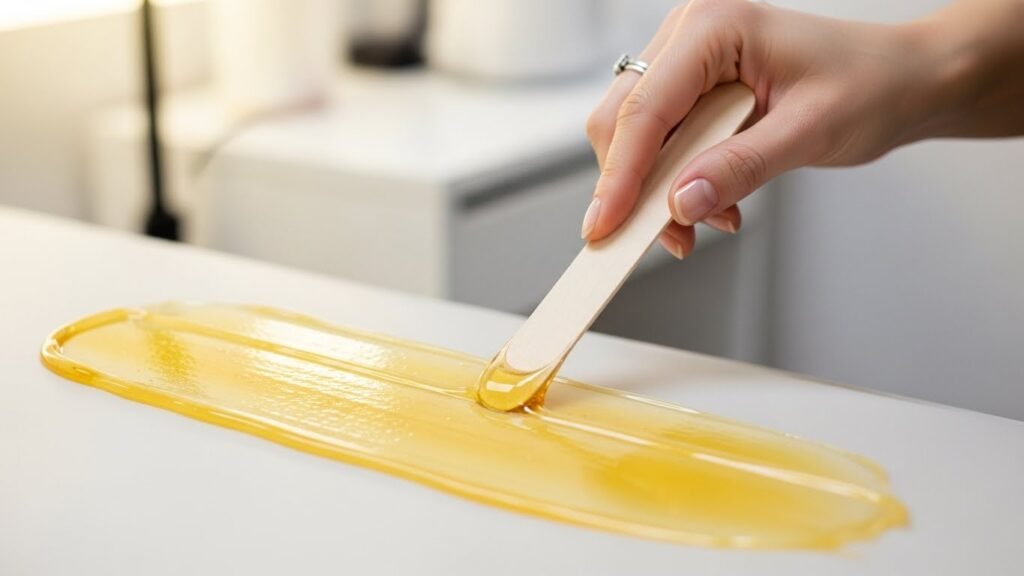
The best cleanup is the one you don’t have to do. By changing a few things in your routine, you can have a much cleaner experience. These pro tips will help you get a salon-quality result at home. You will spend less time scrubbing and more time enjoying your smooth skin.
- Skin Preparation: Make sure your skin is dry and free of heavy creams before you start. For resin waxes, a tiny bit of pre-wax oil can act as a barrier.
- Application Thickness: Remember the rule: apply warm wax thin and hard wax thick. This ensures the wax has the right structure to come off cleanly.
- Speed and Direction: Always pull the wax in the opposite direction of hair growth. Make sure your pull is fast and stays parallel to your skin.
- Temperature Control: Use a wax warmer to keep your product at a steady temperature. If it gets too cold, it will always leave more residue behind.
Summary Checklist for a Residue-Free Wax
Having a plan makes the whole process much smoother. You should have all your supplies ready before you even start. This prevents you from running around with sticky fingers later on. Use this quick checklist to make sure you have everything covered for your next session.
- Pre-Wax: Cleanse the skin and check the hair length.
- During Wax: Keep the wax at a honey-like texture and apply it carefully.
- Post-Wax: Use oil to dissolve any resin or water for sugar wax.
- Final Step: Apply a soothing, fragrance-free moisturizer to protect your skin.
FAQs: Everything Else You Need to Know About Removing Wax
Can I use a hair dryer to remove hardened wax from my skin?
Using a hair dryer is generally not recommended for skin removal. While heat does melt wax, the high temperature required to liquefy hardened resin can easily cause second-degree burns on sensitive skin. It is much safer to use room-temperature oils to dissolve the bond chemically rather than using thermal energy to melt it off.
Will rubbing alcohol help if I don’t have oil?
You should avoid rubbing alcohol at all costs. Alcohol acts as an astringent and will tighten the pores while drying out the skin, which actually makes the wax grip harder. Furthermore, waxing often removes a thin layer of skin, and applying alcohol to that “raw” area will cause intense stinging and potential chemical irritation.
Is it safe to use nail polish remover on wax residue?
No, nail polish remover contains acetone, which is far too harsh for human skin, especially after waxing. Acetone is designed to break down plastic and synthetic polymers; applying it to skin that has just undergone hair removal can lead to severe peeling, redness, and long-term damage to the skin barrier.
How do I get wax off my fingernails after a DIY session?
If you have wax stuck under or on your nails, soak your fingertips in a bowl of warm olive oil or vegetable oil for five minutes. Once the wax has softened, use a soft toothbrush or a wooden manicure stick to gently scrape the residue away. Wash with grease-cutting dish soap afterward to remove the oil.
Can I go swimming in a pool right after getting wax off my skin?
It is best to wait at least 24 to 48 hours before jumping into a pool. Chlorine is a harsh chemical that can irritate open follicles and freshly cleaned skin. Additionally, if you used oil to remove the wax, the oil can trap bacteria from the pool water against your skin, leading to breakouts or infections.
Does the thickness of my body hair affect how much residue is left?
Yes, thicker or more terminal hair often requires more wax to ensure a proper grip. If the wax is not applied thickly enough to encapsulate these coarse hairs, it is more likely to break apart during the pull, leaving behind small, stubborn shards of wax that require extra oil for cleanup.
Can I use a credit card to scrape off leftover wax?
While it might be tempting to use a hard edge, you should never use a credit card or any plastic scraper on your skin. This creates friction and “skin dragging,” which can lead to bruising or even tearing of the delicate top layer of the dermis. Stick to soft cloths and oil-based dissolution.
What should I do if wax gets on my eyelashes?
If wax lands on your eyelashes, do not pull or trim them. Close your eye tightly and apply a generous amount of ophthalmic-grade mineral oil or a very gentle eye makeup remover using a cotton swab. Let it sit until the wax slides off the lashes naturally to avoid permanent lash loss.
Is it okay to use scented candles to melt wax for easier removal?
Never use the wax or the heat from a scented candle to assist in removal. Candle wax is formulated differently than body wax and contains fragrances and dyes that are not skin-safe. Using candle heat or wax can lead to severe allergic reactions and thermal burns.
Why does my skin feel sticky even after I used oil?
This usually means there is still a microscopic layer of resin or “tack” left on the skin. You may need to perform a second round of oil application with a fresh, clean cloth. Once all wax is gone, wash the area with a gentle, oil-cleansing body wash to remove the heavy oil and the dissolved wax particles.
Can I use duct tape to lift small bits of wax?
Using duct tape or any household adhesive is dangerous. The adhesive on tape is often stronger than the bond of the wax to the hair, and you risk “lifting” or “peeling” your skin. This can cause raw spots that take weeks to heal. Always stick to the “re-stick” method using the actual waxing strip if needed.
Does the weather affect how hard it is to get wax off?
High humidity can prevent certain types of wax from “curing” or hardening properly, leaving them in a perpetual gooey state. If you are waxing in a humid bathroom, the wax may stay extra sticky, requiring more oil and effort to remove than it would in a cool, dry environment.
Can I use a loofah to scrub the wax off in the shower?
No, a loofah is too abrasive for post-wax skin. If you try to scrub wax off with a loofah, the wax will simply get tangled in the fibers of the loofah, ruining it, and the friction will cause significant “strawberry skin” or irritation on your body.
Is it safe to use butter or margarine as a wax remover?
In a pinch, butter or margarine can work because they contain fats that break down resin. However, they are not ideal because they are not sterile and can contain salts and dairy solids that might irritate open pores. Plain cooking oil is always a better alternative.
Will the wax eventually come off on its own if I leave it?
Wax will eventually wear off due to the natural friction of your clothes and the production of your skin’s own oils, but this can take several days. During that time, the wax will pick up lint from your clothes and dirt from the air, making it look like a dark, dirty smudge on your skin.
Can I use a vibrating face brush to help remove residue?
You should avoid using electronic cleansing brushes on freshly waxed skin. The rapid vibration and bristles can be too intense for the sensitized area. Manual circular motions with a soft cotton pad and oil are much more controlled and safer.
Should I shave the area if I can’t get the wax off?
Never try to shave over wax residue. The wax will immediately clog the razor blades, and the blade will tug on the wax, potentially cutting your skin. You must remove all wax residue with oil before a razor ever touches that area again.
Does drinking water help with wax removal?
While drinking water doesn’t directly remove wax, hydrated skin is much more elastic and less likely to “grip” the wax too tightly. Dehydrated skin is more prone to “skin lifting,” so staying hydrated in the days leading up to your wax can actually make the cleanup process easier.
Can I use witch hazel to clean up wax?
Witch hazel is a great post-wax toner to close pores, but it is not an effective wax remover. Since it is water-based and contains tannins, it will not dissolve resin-based wax. Use oil first to remove the residue, and then follow up with witch hazel once the skin is clean.
What if the wax is stuck to my jewelry?
If you get wax on a ring or bracelet during your session, you can soak the jewelry in a bit of mineral oil or even use a bit of vodka (on metal only) to break down the resin. Avoid using oils on porous stones like opals or pearls; for those, it is best to consult a professional jeweler.
