



Shopping for new clothes feels like a total blast. You want to look fly without breaking your bank account. Many girls wonder is aritzia fast fashion when they see the price tags. This brand sits in a weird spot between cheap shops and luxury stores. We are going to dive deep into their whole vibe today. You will learn if your favorite fits are actually good for the planet.
Understanding the Concept of Fast Fashion
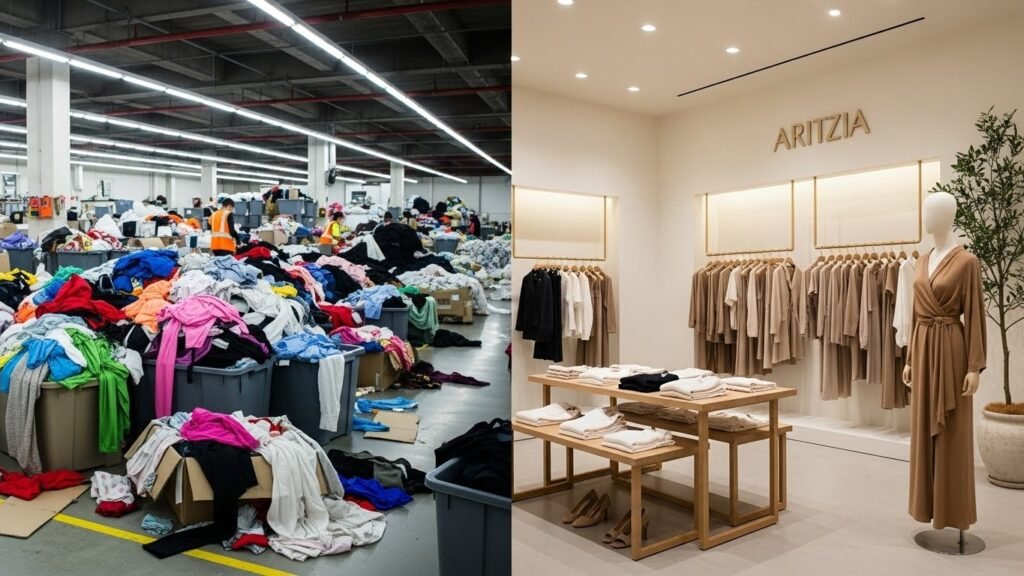
Fast fashion is like the drive-thru of the clothing world. It is a business model that moves super fast to copy trends. Brands want to get runway looks to you in record time. They usually care more about speed than how long a shirt lasts. This system relies on people buying stuff and tossing it quickly.
Defining the Fast Fashion Business Model
This model is all about being highly responsive to what is cool right now. Brands watch social media to see what influencers are wearing. They produce huge amounts of clothing at very low costs. The goal is to keep the stores full of new stuff constantly. It makes you feel like you need to shop every single week.
Key Characteristics of Fast Fashion Brands
- Rapid Turnaround: They move from a design idea to a store shelf in days.
- Frequent Collection Releases: You might see new arrivals every week instead of every season.
- Low-Cost Material Usage: They use cheap fabrics like polyester to keep the prices down.
- Mass Production: Making thousands of items at once creates a ton of waste.
- Trend Replication: They copy high-end designer styles so everyone can afford them.
Common Examples of Fast Fashion Giants
You probably know the big names in this category. Shein is the king of ultra-fast fashion right now. Zara and H&M are also massive players in this game. Forever 21 used to be the go-to spot for cheap trendy fits. These brands all focus on high volume and low prices.
Aritzia’s Brand Identity and Business Strategy
Aritzia feels different when you walk into their stores. It feels more like a fancy boutique than a messy mall shop. They call themselves an everyday luxury brand for a reason. They want you to feel special when you wear their clothes. Understanding their history helps explain why people are so obsessed.
History and Evolution
This Canadian fashion retailer started back in 1984. It began as a small boutique inside a department store. Over the years, it grew into a massive global brand. They have always focused on high-quality women’s fashion for the modern girl. Now they have stores all across North America.
The Boutique Brand Identity
Aritzia does not want to look like a typical big-box retailer. Their stores have cool art and a very specific minimalist vibe. They offer a boutique-like shopping experience that feels elevated. This helps them justify charging more than a store like Zara. They focus on making the customer feel like a fashion insider.
The Multi-Brand Strategy
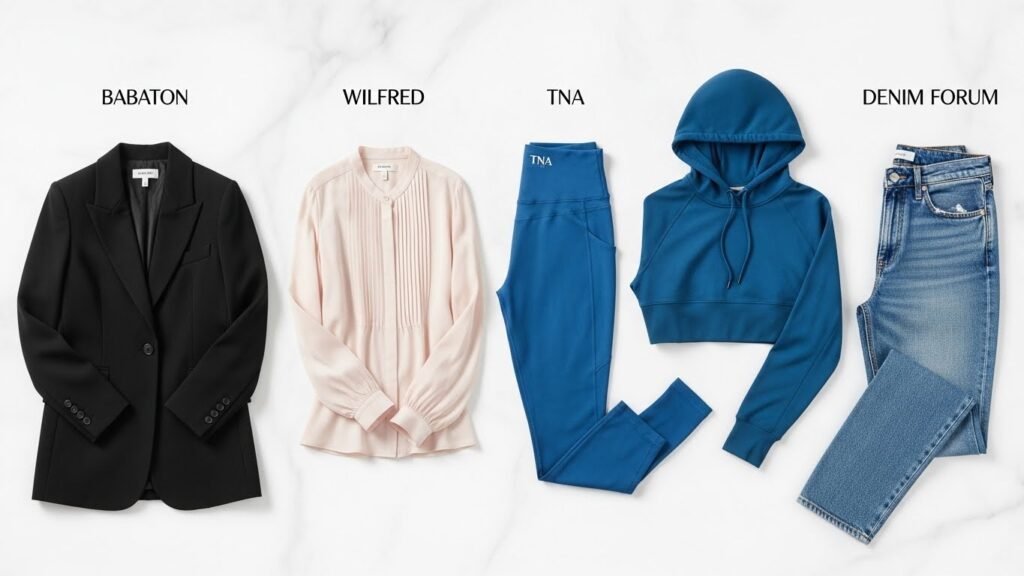
One cool thing about Aritzia is that they have many in-house brands. This multi-brand strategy helps them reach different types of girls. Each label has its own unique personality and style. You can find everything from gym wear to office clothes there.
- Wilfred: This brand is all about feminine and minimalist designs.
- Babaton: You go here for tailored workwear and very polished basics.
- TNA: This is the spot for casual streetwear and athletic gear.
- Denim Forum and Sunday Best: These labels focus on premium denim and trendy Gen-Z looks.
The Psychology of Aritzia’s Marketing
Aritzia is a genius at making you want their stuff. They use specific tricks to make the brand feel more exclusive. It is not just about the clothes themselves. It is about the feeling you get when you own them. They have built a huge community of loyal fans online.
The Aritzia Girl Aesthetic
The brand has created a very specific lifestyle image. They use social media influencers to show off the Aritzia girl look. This aesthetic is all about being effortlessly chic and modern. It makes you feel like you are part of a cool club. People want to buy the clothes to get that specific vibe.
Scarcity and Exclusivity
Have you ever noticed how certain colors sell out instantly? Aritzia uses limited-run colors to create a sense of urgency. When you see something is almost gone, you want it more. This scarcity makes the brand feel more like luxury than mass-market. It pushes you to buy things before they are gone forever.
The In-Store Experience
The stores are designed to be a whole mood. Many girls talk about the communal mirrors in the dressing rooms. While some hate it, it creates a social atmosphere in the store. The sales associates are also trained to be very helpful and fashion-forward. This high-pressure environment can lead to more impulse buys.
Celebrity Endorsements
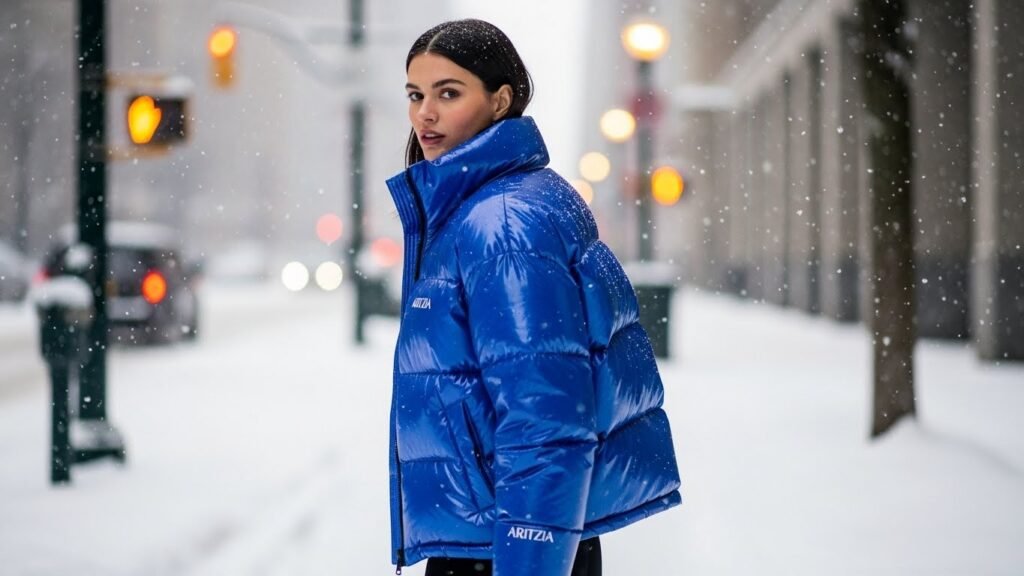
When a celebrity wears something, it becomes a must-have item. The Super Puff jacket is a great example of this viral success. Famous people were spotted wearing it everywhere in the winter. This made the jacket a status symbol for regular shoppers. Celebrity sightings give the brand a ton of social credit.
Analyzing Aritzia’s Production and Design Process
The way a brand makes its clothes tells a big story. Is aritzia fast fashion based on how they manufacture? They do things a bit differently than the super cheap brands. Their process is more involved and takes a bit longer. Let’s look at how they actually get things made.
Seasonal vs. Weekly Cycles
Most fast fashion brands drop new items every single week. Aritzia usually sticks to seasonal collections that are refreshed over time. This means they spend more time on the design phase. They aren’t just rushing to copy a TikTok trend in three days. This slower pace helps them focus on quality control.
Inventory Management
Because they don’t drop new stuff daily, they manage stock better. Slower production cycles help them predict what people will actually buy. This leads to less unsold inventory sitting around in warehouses. Reducing waste is a big part of being more sustainable. It is a smarter way to run a fashion business.
Design Influence
Aritzia looks at what is trending, but they add their own twist. Their clothes are a mix of mainstream trends and timeless basics. They want their items to stay in style for more than a month. This approach is very different from brands that only make “disposable” clothes. They want to create pieces you will keep for years.
Manufacturing and Quality Control
The brand claims to be very meticulous about how things are made. They use a mix of high-quality fabrics and some synthetic materials. This balance helps them keep prices mid-tier while feeling luxurious. They have teams that check the garments for wear and tear issues. Quality control is a bigger priority for them than for ultra-fast brands.
Comparing Aritzia to the Fast Fashion Model
To answer is aritzia fast fashion, we must compare them directly. They don’t fit perfectly into the cheap fast fashion box. But they also aren’t a tiny slow-fashion brand. They sit in a middle ground that can be confusing for shoppers. Let’s break down the differences in detail.
Pricing Structure Analysis
Aritzia is definitely more expensive than your average mall store. A basic top might cost $60 while a jacket can be over $200. This mid-tier pricing is much higher than Zara or H&M. Higher prices often mean the brand can afford better materials. It also means customers think more before they buy.
The Concept of Price-per-Wear
If you buy a $20 shirt and it rips in a week, that is a bad deal. If you buy a $60 Aritzia shirt and wear it for three years, that is a win. This is called price-per-wear value. Aritzia pieces are generally known for their garment longevity. Investing in better clothes can actually save you money over time.
Material Sourcing and Fabric Quality
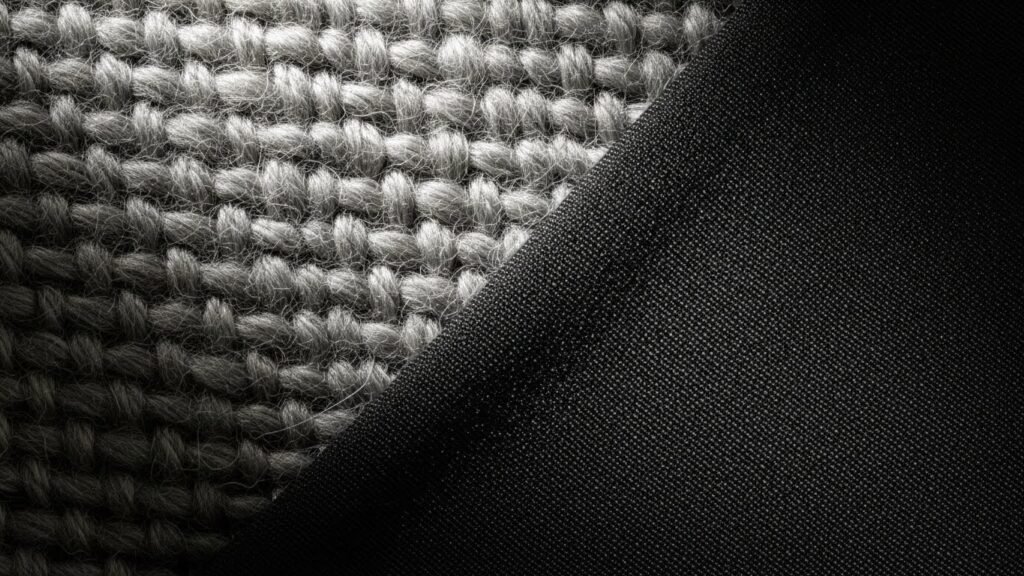
- The Premium Tier: They use nice fabrics like wool, silk, and linen.
- The Synthetic Tier: They still use polyester blends and other synthetic materials.
- Durability: Premium fabrics usually feel better on your skin and last longer.
- Ethics: They mention responsible sourcing for some of their materials.
Garment Durability and Longevity
Most girls agree that Aritzia clothes hold up pretty well. They are built to handle normal wear and tear better than cheap brands. This durability is a key difference from the “disposable clothing” model. When clothes last longer, they stay out of landfills. This is a big plus for the environment.
Is Aritzia Sustainable? A Deep Dive into Ethics and Environment
Sustainability is a huge buzzword in the fashion world today. Everyone wants to know if their clothes are hurting the planet. Aritzia says they care about these things on their website. But we need to look past the pretty pictures and slogans. Let’s see what is actually happening behind the scenes.
Aritzia’s Sustainability Claims
The brand highlights things like eco-friendly fabrics in some lines. They talk about being a “conscious” company that cares about the world. Their website has pages dedicated to their environmental goals. It all sounds very good when you read it at first. They want you to feel like a conscious consumer when you shop.
The Transparency Gap
The biggest issue with Aritzia is a lack of deep info. They scored only about 20% on the Fashion Revolution Transparency Index. This is a pretty low score for a brand that says they are ethical. They don’t share a lot of details about their whole supply chain. Without transparency, it is hard to trust their claims fully.
Environmental Impact Reality Check
- Carbon Footprint: They don’t give a lot of data on their greenhouse gas emissions.
- Waste Management: It is unclear exactly how they handle all their textile waste.
- Water Conservation: There is not much info on how they save water in production.
- Greenhouse Gas Emissions: Most big brands need to do more to reduce their climate impact.
The Greenwashing Debate
Greenwashing is when a brand acts more eco-friendly than they really are. Aritzia uses words like “conscious fabrics” and “better materials”. Some people think this is just a marketing strategy to sell more clothes. If they don’t show the data, it is hard to know the truth. Shoppers should always be a little skeptical of vague claims.
Ethical Labor Practices and Human Rights
How the people making the clothes are treated is super important. We don’t want our fashion to come from unfair labor conditions. Aritzia says they support ethical manufacturing practices. But the fashion industry is very complex and hard to track. We need to look at what they actually disclose to the public.
Commitment to Ethical Manufacturing
The brand states that they care about the people in their supply chain. They have a code of conduct for the factories they work with. This is standard for most mid-tier and high-end brands. They want to ensure that workers are in safe environments. This is a good starting point for any fashion company.
Monitoring and Compliance
The problem is that we don’t see many third-party audit results. Aritzia doesn’t share much proof that they are checking their factories often. Without audits, we just have to take their word for it. Truly ethical brands usually share more data about their factory visits. More proof would make the brand much more trustworthy.
The Wage Question
Fair wages are a huge topic in the global fashion industry. Does Aritzia ensure everyone earns a living wage? There is no concrete info on exactly what workers are paid. A living wage is different from just a minimum wage. It allows workers to actually support their families and live well.
Geographic Manufacturing Footprint
Aritzia makes a lot of its clothes in places like China and Vietnam. These countries are common for mass-produced fashion brands. While you can have ethical factories there, it requires a lot of oversight. Many shoppers want to know exactly which factories are being used. Knowing where things are made is the first step in being ethical.
Corporate Governance and Financial Growth
Aritzia is a big business that needs to make money for its owners. They are a public company traded on the stock exchange. This means they have to grow and stay profitable every year. Sometimes this growth can clash with sustainability goals. It is a tough balance for any major fashion retailer.
The Public Company Pressure
Being a public company means they have to answer to investors. Investors usually want to see higher sales and lower costs. This can put pressure on the brand to produce more clothing. Producing more stuff is usually bad for the environment. It is hard to be a “slow fashion” brand when you need to grow fast.
Growth Strategies
Aritzia is currently expanding very fast in the United States. Opening more stores means they need a lot more inventory. This high production volume is a characteristic of fast fashion. As they get bigger, their environmental footprint grows too. They have to work twice as hard to stay sustainable during expansion.
Corporate Social Responsibility Reports
The brand does release annual reports about its social impact. These reports show some of the good things they are doing. You can find info on their charity work and diversity efforts there. However, these reports often skip the tough details about the supply chain. They are a mix of good news and corporate branding.
The Logistics of Modern Fashion
Getting a sweater from a factory to your door is a long journey. This journey has a big impact on the planet that we often forget. The way a brand handles shipping and returns matters a lot. It is not just about the fabric or the sewing. The whole logistics system needs to be more efficient.
Shipping and Packaging
Think about all the plastic and boxes used in online shopping. Aritzia ships thousands of orders every single day. This creates a lot of packaging waste for landfills. They have made some efforts to use better packaging materials. But global shipping still has a very high carbon footprint.
The Returns Crisis
Online shopping leads to a massive amount of returns. Many returned items in the fashion industry end up being tossed out. It is expensive and hard for brands to restock every single return. Aritzia has to manage this process carefully to avoid waste. High return rates are a major hidden problem in modern fashion.
Aritzia’s Position in the Fashion Spectrum
So, where does Aritzia actually sit in the world of style? It is not as bad as the ultra-fast fashion giants. But it also isn’t as clean as the top sustainable brands. It exists in a “grey area” that makes it a complicated choice. Let’s compare them one last time to clear things up.
The Grey Area of Fashion
Aritzia is like a bridge between different worlds. They offer trend-driven designs but with better quality than Zara. They have a boutique feel but still mass-produce their items. This makes them a “fast-ish” fashion brand for many experts. They are better than some, but not as good as others.
Aritzia vs. The Giants
| Feature | Aritzia | Shein / Zara |
| Speed | Seasonal / Slower | Weekly / Ultra-Fast |
| Quality | Mid-to-High | Low / Disposable |
| Price | Mid-Tier ($$$) | Low ($) |
| Durability | High | Low |
Aritzia vs. Sustainable Leaders
- Vs. Reformation: Reformation is much more open about its carbon footprint.
- Vs. Patagonia: Patagonia is the gold standard for radical transparency.
- Ethics: Aritzia needs to share more data to compete with these leaders.
- Sourcing: Sustainable brands usually use 100% eco-friendly materials.
Where Aritzia Falls Short: Room for Improvement
Nobody is perfect, and Aritzia has a lot of work to do. If they want to be a true leader, they need to change a few things. These are the areas where fans and experts want to see more action. Improving these spots would help their reputation a lot.
Mixed Material Issues
Many of their clothes use blends of different fibers. While this makes them soft, it makes them hard to recycle. Single-material clothes are much better for a circular economy. Aritzia should look into making more items that can be easily repurposed. This would help reduce the long-term impact of their products.
Vague Sustainability Goals
Their goals need to be more specific and have clear dates. Saying you want to be “better” is not enough anymore. They need time-bound targets for things like recycled materials. Measuring progress with real numbers is the only way to be sure. Clearer goals would help stop the greenwashing rumors.
End-of-Life Strategy
What happens to your Aritzia coat when you are done with it? Currently, the brand doesn’t have a big program to take back old clothes. Other brands have recycling bins or resale platforms in their stores. Aritzia could do a lot more to help their clothes live a second life. This is a big part of being a responsible brand.
Supply Chain Root Disclosure
They need to tell us exactly where every piece is made. Knowing the names of the factories would be a huge step forward. This allows independent groups to verify that things are ethical. Transparency is the best way to prove you are a good company. Shoppers are starting to demand this level of honesty.
The Future of Fashion Regulation

The government is starting to pay more attention to the fashion world. New laws might force all brands to be more honest. This could be a big wake-up call for companies that are being vague. Aritzia will have to adapt to these new rules to keep selling.
The Impact of New Legislation
Laws like the NY Fashion Act want to hold big brands accountable. They might have to report on their environmental and social impacts in detail. This would make it much easier to answer is aritzia fast fashion. If they don’t follow the rules, they could face huge fines. The days of hiding the supply chain might be ending soon.
The Rise of Digital Product Passports
In the future, your clothes might have a digital tag you can scan. This tag would tell you the whole story of the garment. You could see the factory, the materials, and the carbon cost. This technology would make greenwashing almost impossible. It would be a total game-changer for the fashion industry.
Navigating Modern Fashion: Terminology and Consumer Awareness
Being a smart shopper is a superpower. You need to know what all the fancy words actually mean. Don’t let clever marketing trick you into buying something you don’t believe in. The more you know, the better your wardrobe will be.
Ambiguous Terminology
- Sustainable: This usually means the brand is trying to protect the planet.
- Ethical: This refers to fair treatment and wages for the workers.
- Eco-friendly: This means the product is not harmful to the environment.
- Greenwashing: This is using these words without actually doing the work.
The Buy Less, Buy Better Philosophy
This is the best way to approach fashion today. Instead of five cheap shirts, buy one high-quality piece. Aritzia fits into this idea better than most fast fashion brands. Their clothes are designed to be staples in your closet. Buying better things means you don’t have to shop as often.
The Role of Second-Hand Markets
Buying used clothes is the most sustainable way to shop. You can find a ton of Aritzia items on sites like Poshmark or Depop. This gives the clothes a second life and saves you a lot of money. The resale value of Aritzia is usually pretty high because the quality is good. It is a win for your wallet and the earth.
Better Alternatives for the Conscious Shopper
If you are worried about is aritzia fast fashion, check out these brands. They are more focused on ethics and the environment. You can still get that cool, modern look without the guilt. These labels are leading the way in the slow fashion movement.
Reformation
This brand is famous for being very transparent about its impact. They use eco-friendly fabrics like Tencel and organic cotton. Their styles are very trendy and similar to the Aritzia vibe. They are a great choice if you want to be more sustainable.
Everlane
Everlane is known for its “Radical Transparency”. They tell you exactly how much it cost to make your clothes. They also share a lot of info about the factories they use. Their basics are very high quality and look great for work or school.
Eileen Fisher
This brand is a true pioneer in the world of ethical fashion. They focus on simple, timeless designs that last forever. They have a massive recycling program for their old clothes. It is a great place to find high-quality staples for your wardrobe.
ABLE
ABLE is all about empowering the women who make the clothes. They are very focused on fair wages and social impact. Their items are beautifully made and have a lot of heart behind them. It is a brand you can feel truly good about supporting.
Kotn
Kotn makes amazing basics using high-quality Egyptian cotton. They work directly with farmers to ensure everything is fair. Their clothes are soft, durable, and very affordable. It is a perfect alternative for your everyday T-shirts and sweatshirts.
Final Verdict: Is Aritzia Fast Fashion?
So, what is the final word on this famous brand? Is aritzia fast fashion or something else? After looking at everything, the answer is a bit of both. They are definitely better than the cheap giants, but they aren’t perfect.
Summary of Findings
Aritzia is a mid-market brand that uses some fast fashion tactics. They produce a high volume of clothes and follow trends. However, their quality is much higher than typical fast fashion. They also have slower production cycles and use better materials.
The Middle Ground
The brand exists in a grey area between fast and slow fashion. It is a “better” option for those who want quality without the luxury price. But it is not a fully ethical or sustainable brand yet. They still have a long way to go with transparency and labor info.
Final Thoughts for Consumers
Your choices as a shopper really do matter. If you love Aritzia, try to buy pieces you will wear for years. Take good care of your clothes so they last a long time. You can also look for their items on the second-hand market. Being a conscious consumer means thinking about the planet every time you buy.
Frequently Asked Questions
Does Aritzia own all the brands it sells?
Aritzia primarily sells its own exclusive in-house brands such as Wilfred, Babaton, and TNA. However, they also curate a selection of third-party brands like Levi’s and Citizens of Humanity to complement their aesthetic and provide a complete wardrobe experience.
Is Aritzia considered a luxury brand?
Aritzia classifies itself as “everyday luxury.” While the store experience and branding feel high-end, it is technically a mid-market retailer that offers a bridge between mass-market fast fashion and true high-end designer labels.
Why is Aritzia so much more expensive than Zara?
The higher price point is attributed to better quality textiles, more complex garment construction, and a slower production cycle. Aritzia focuses on items intended to stay in your wardrobe for years, whereas Zara focuses on high-speed trend replication.
Where are Aritzia’s clothes manufactured?
Most of Aritzia’s production takes place in Asia, specifically in China and Vietnam. While the brand sets ethical standards for these factories, they do not publicly disclose the specific names or locations of all their suppliers.
Does Aritzia use real fur in its products?
Aritzia has a clear animal welfare policy and has committed to being fur-free. Most of their winter coats, like the Super Puff, use responsibly sourced down or vegan alternatives rather than animal fur.
Is the Super Puff jacket sustainable?
The Super Puff uses 100% responsibly sourced down, which ensures that the feathers come from animals that were not subjected to unnecessary harm. However, the outer shell is often made of synthetic materials like nylon, which are not biodegradable.
How does Aritzia handle unsold clothing?
Unlike many ultra-fast fashion brands that burn or landfill excess stock, Aritzia typically manages inventory through end-of-season sales and outlet stores. They aim to sell through as much product as possible to minimize waste.
Is Aritzia a Canadian company?
Yes, Aritzia was founded in Vancouver, British Columbia, in 1984. It remains headquartered in Canada even as it expands aggressively into the United States and international markets.
Does Aritzia offer a repair service?
Currently, Aritzia does not offer a formal in-house repair or tailoring service for damaged garments. This is an area where they lag behind more sustainable brands like Patagonia or Eileen Fisher.
Are Aritzia’s “vegan leather” items eco-friendly?
Most “vegan leather” at Aritzia is made from polyurethane (PU) or polyester. While these are animal-friendly, they are plastic-based materials that can contribute to microplastic pollution and take hundreds of years to decompose.
Does Aritzia have a clothing recycling program?
Aritzia does not currently have a “take-back” program where customers can return old clothes for recycling. Shoppers looking to be sustainable are encouraged to resell their items on platforms like Poshmark or Depop.
Why does Aritzia have communal mirrors?
The communal mirrors are a strategic design choice intended to create a social, high-energy boutique atmosphere. By encouraging shoppers to step out into the common area, it facilitates interactions with sales associates who can offer styling advice.
Does Aritzia use organic cotton?
Aritzia has begun incorporating organic cotton into some of its TNA and Sunday Best collections. However, it is not yet a standard material across all their brands, and many items still use conventional cotton.
How often does Aritzia drop new arrivals?
Aritzia typically releases new items on a seasonal basis, with smaller “drops” throughout the season to keep the inventory fresh. This is much slower than brands like Shein, which add thousands of styles daily.
Is Aritzia’s packaging recyclable?
Aritzia has made efforts to move toward more sustainable packaging, including recyclable paper bags in-store and reduced plastic in shipping. However, online orders often still arrive with individual plastic polybags for each item.
Does Aritzia pay its workers a living wage?
Aritzia requires its suppliers to follow local labor laws, but they have not made a public commitment to ensuring a “living wage”—which is often higher than the legal minimum wage—across their entire global supply chain.
What is the Fashion Revolution Transparency Index score for Aritzia?
Aritzia consistently scores around 20-22% on this index. This indicates that while they share some information about policies, they are quite secretive about their actual factory lists and environmental impact data.
Can Aritzia garments be recycled?
Garments made from 100% natural fibers like silk or wool can be recycled more easily. However, many Aritzia pieces are fiber blends (e.g., polyester and spandex), which are currently very difficult to recycle with existing technology.
Does Aritzia test on animals?
Aritzia does not sell cosmetics or products that require animal testing. Their focus is on apparel and accessories, and their animal welfare policy focuses on the sourcing of materials like wool and down.
Is Aritzia a good choice for a “capsule wardrobe”?
Yes, many stylists recommend Aritzia’s Babaton and Wilfred lines for capsule wardrobes because the designs are minimalist and the quality is high enough to withstand the frequent wear required for a small closet.
