


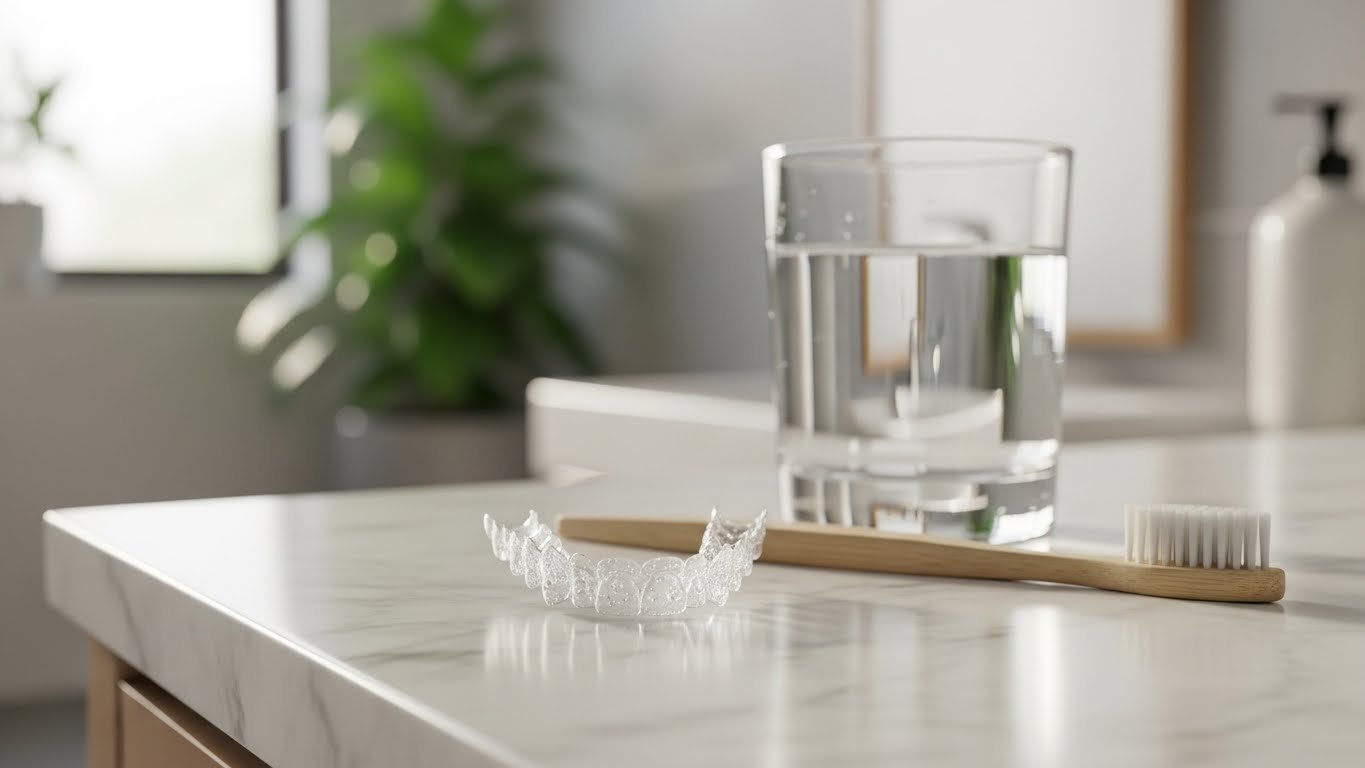
Cleaning your teeth is just one part of the job. You also need to know how to clean retainers at home to keep your smile fresh. Keeping your dental appliance clean is super important for your health. This guide will help you learn the best tricks. You will keep your smile looking great forever.
The Importance of Retainer Hygiene and Maintenance
Understanding the Oral Microbiome
Your mouth is a tiny world full of living things. Many different kinds of bacteria live on your teeth and tongue. These germs also love to live on your retainers. Some germs are good but many can cause real problems. You need to keep these germs under control every single day.
The Risks of Biofilm and Plaque
Bacteria create a sticky film called biofilm on your plastic. This film eventually turns into hard plaque that you cannot easily wipe off. Plaque is gross and makes your retainer look very cloudy. It also gives germs a safe place to hide and grow. You must stop this buildup before it starts to get hard.
Oral Health Consequences
Dirty retainers can lead to some pretty nasty mouth issues. You might start to notice that your breath smells bad. Germs can also cause tooth decay or even gum inflammation. Your gums might get red, sore, or start to bleed. Keeping things clean helps you avoid these painful dental problems.
Preserving Your Investment
Orthodontic treatment costs a lot of time and money. Your retainer is the only thing keeping your teeth straight now. If you do not clean it, the material can break down. It might warp, crack, or get ugly stains that never leave. Proper care ensures your retainer lasts for many years to come.
The Role of Saliva
Saliva is mostly great because it helps you digest your food. However, it also contains minerals that stick to your retainer. These minerals mix with bacteria to create hard tartar or calculus. This white stuff is very hard to remove at home. Rinsing your retainer often helps stop these minerals from settling.
Understanding Different Types of Retainers
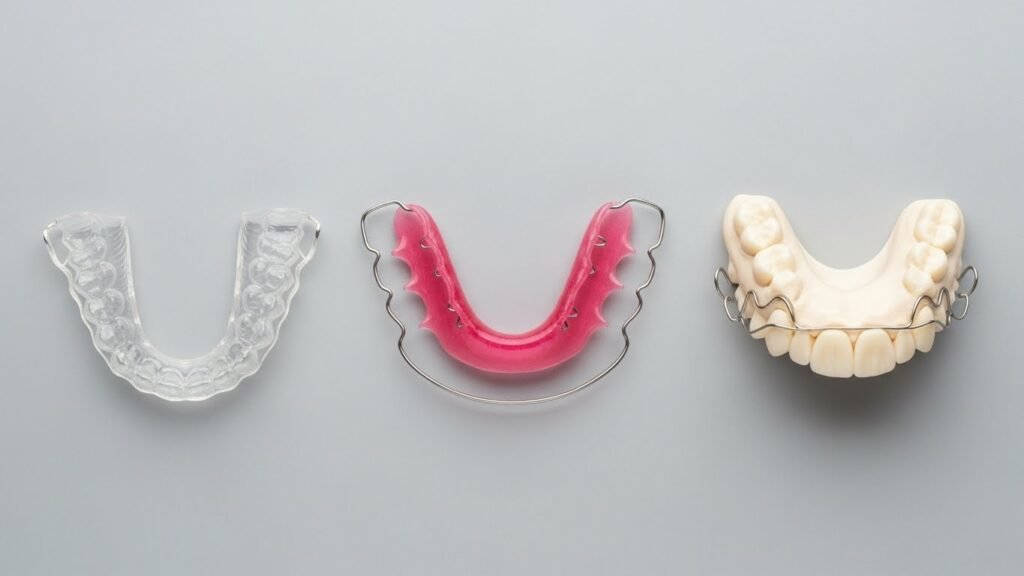
Hawley Retainers
- Materials: These have a hard acrylic base and a metal wire.
- Structure: The acrylic part is porous and can soak up smells.
- Cleaning: You need to scrub the wire and the plastic carefully.
Essix (Clear Plastic) Retainers
- Appearance: These look like clear aligners and are almost invisible.
- Durability: They are thinner and can warp more easily than others.
- Staining: Food and drinks can quickly turn these yellow or brown.
Vivera Retainers
- Quality: These are made of a very strong, medical-grade plastic.
- Precision: They are custom-fit to hold your teeth exactly in place.
- Longevity: They usually last longer but still need daily deep cleaning.
Permanent (Fixed) Retainers
- Design: This is a small wire glued to the back of your teeth.
- Adhesive: A special resin keeps the wire stuck to your enamel.
- Challenge: You cannot remove it, so you must clean around it.
Daily Care Routines for Removable Retainers
Immediate Rinsing
You should rinse your retainer as soon as you take it out. Use lukewarm water to wash away the fresh saliva and germs. This prevents the spit from drying and getting stuck on the plastic. It is the easiest step in your daily cleaning routine. Doing this every time keeps the gunk from building up.
The “Never Dry” Rule
Never leave your retainer sitting out on a dry counter. When the biofilm dries, it bonds to the material like glue. This makes it very hard to get the retainer clean later. Always keep it in water or a case when it is out. This one simple habit will save you a lot of scrubbing.
Moisture Retention
Using distilled water for soaking is a very smart move. Tap water often has minerals like calcium that cause white spots. Distilled water is pure and keeps your retainer perfectly clear. It is a cheap way to maintain your dental investment properly. Your retainer will look brand new for a much longer time.
Morning vs. Evening Cleaning
Bacteria love to grow in your mouth while you are sleeping. You must clean your retainer thoroughly every single morning. You should also clean it before putting it in at night. This stops germs from being trapped against your teeth for hours. Two cleanings a day keep the bad odors away for good.
Cleaning Techniques for Removable Retainers
Gentle Brushing Methods
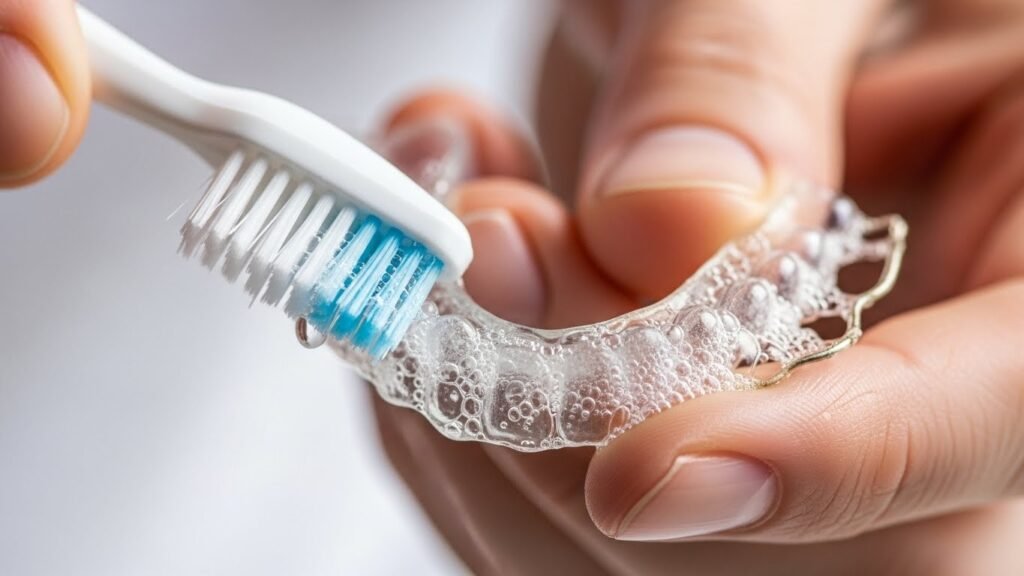
- Soft Bristles: Only use a soft-bristled toothbrush to avoid making scratches.
- Safe Soap: Mild dish soap is great for breaking down oils.
- Circular Motion: Use small circles to reach into the deep grooves and ridges.
- Rinsing: Wash away all the soap bubbles with plenty of cool water.
Natural and Alternative Soaking Solutions
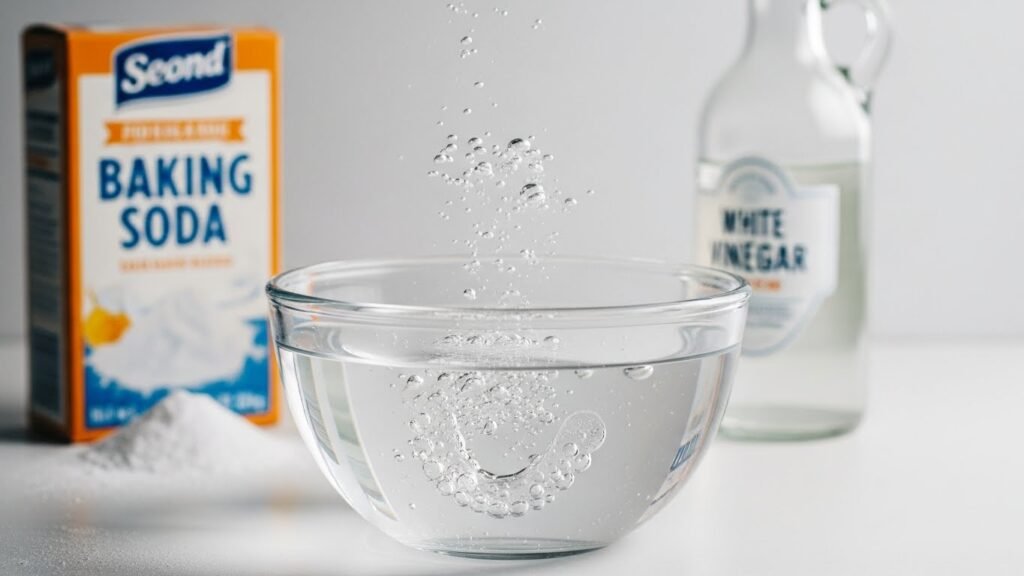
- Baking Soda: Mix sodium bicarbonate with water to neutralize acid and odors.
- Castile Soap: Use soaps with coconut oil to kill germs without chemicals.
- White Vinegar: Soak for 15 minutes once a week to kill any fungus.
- Lemon Juice: Diluted lemon juice can help brighten up a stained retainer.
Advanced Cleaning Technology
- Ultrasonic Cleaners: These machines use sound waves to blast away tiny debris.
- UV-C Light: Ultraviolet light kills almost all bacteria and viruses on contact.
- Professional Help: Ask your orthodontist to clean it during your regular checkup.
Special Considerations for Permanent (Fixed) Retainers
Daily Hygiene Requirements
Fixed retainers stay in your mouth all day and all night. You must brush the wire every time you brush your teeth. Focus on the area where the wire meets your gums. This is where most of the plaque likes to hide. Keeping this area clean prevents gum disease and bad breath.
Specialized Flossing Tools
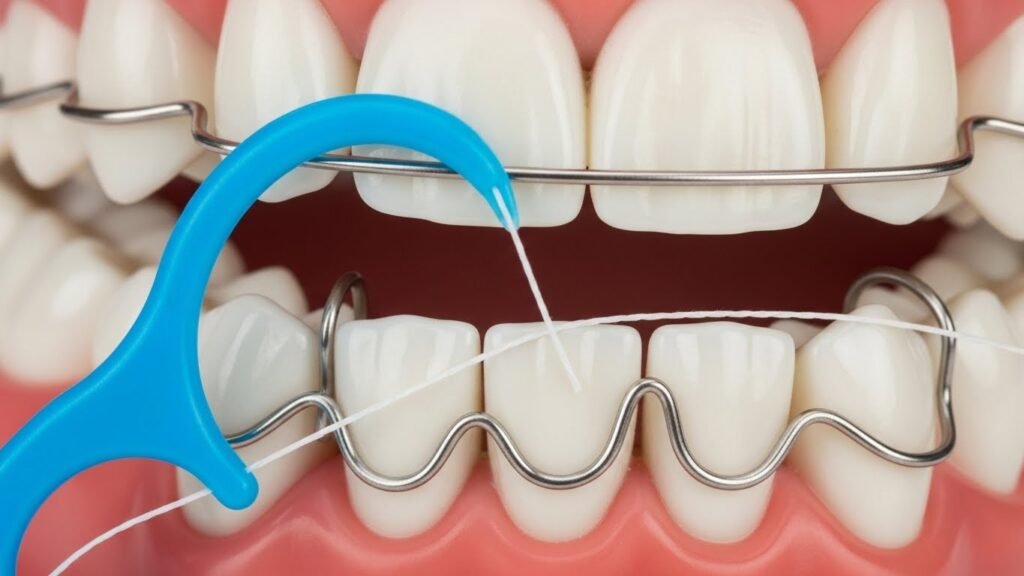
- Floss Threaders: Use these to loop floss under the fixed metal wire.
- Interdental Brushes: These tiny brushes fit perfectly in the gaps between teeth.
- Regular Floss: You still need to floss the rest of your mouth too.
Water Flossers
A water flosser is a great tool for fixed retainers. It uses a stream of water to blast out food particles. This is much easier for some people than using traditional floss. It helps keep the area under the wire totally clear of debris. It also feels very refreshing on your gums every single day.
Monitoring for Loose Bonds
Check your permanent retainer in the mirror every few days. Look for any parts where the glue might be coming off. Use your tongue to feel if the wire feels loose or sharp. If a bond breaks, your teeth might start to move back. Call your orthodontist immediately if you feel anything weird or wrong.
Prohibited Practices and Common Mistakes
Temperature Hazards
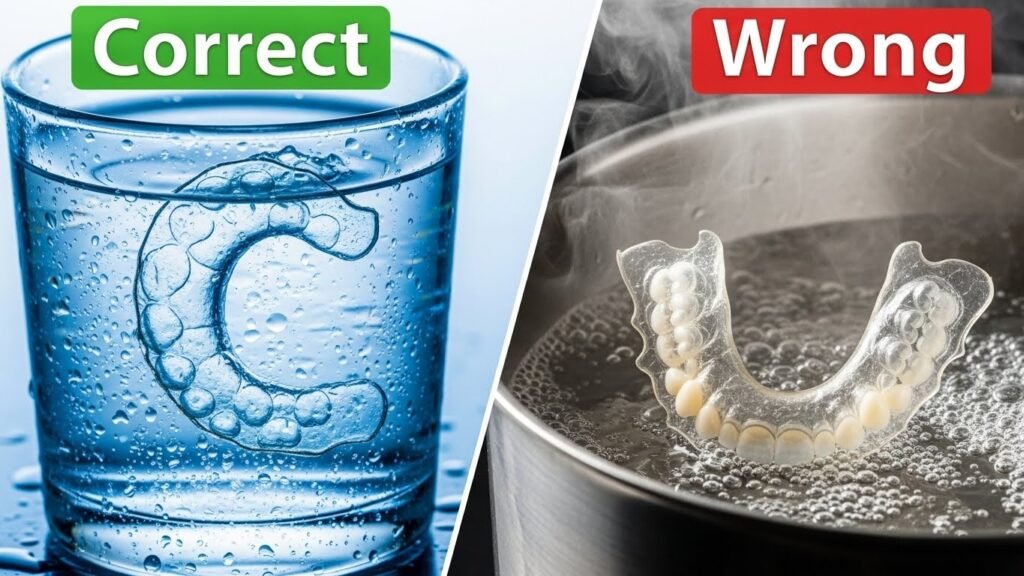
Never use boiling or very hot water on your retainers. High heat will melt or warp the plastic in seconds. Once the shape changes, the retainer will not fit your teeth. This means you will have to buy a brand new one. Stick to lukewarm or cool water to keep the shape perfect.
Abrasive Materials
- Hard Brushes: These create tiny scratches that hide thousands of nasty germs.
- Toothpaste: Most brands are too gritty and will dull the clear plastic.
- Scrub Pads: Never use kitchen sponges or rough pads on your appliance.
Chemical Dangers
Bleach is way too strong and can ruin your retainer materials. It can also be very toxic if you put it in your mouth. Avoid using any cleaners that have harsh alcohol or heavy chemicals. These can make the plastic brittle so it cracks very easily. Always choose mild and safe cleansers that are made for mouths.
Persulfates and Commercial Tablets
Some cleaning tablets have a chemical called persulfate in them. This chemical can cause bad allergic reactions for some people. It might make your lips swell or your gums feel itchy. Check the box before you buy any effervescent cleaning tablets at stores. Look for options that are free of any harmful or toxic chemicals.
Hydrogen Peroxide Warnings
- Free Radicals: This liquid can be tough on some types of plastic.
- Material Breakdown: It might make your retainer turn yellow over a long time.
- Dilution: Always mix it with at least half water if you use it.
Retainer Case Hygiene and Storage
The Case as a Reservoir
A dirty case will get your clean retainer dirty again. Germs love to live in the dark, damp corners of cases. If the case smells bad, your retainer will also smell bad. You must treat the case like it is part of your mouth. Keep it just as clean as your dental appliance every day.
Cleaning the Case
Wash your retainer case with warm water and soap often. You can also use a little vinegar to kill any mold. Make sure you scrub the hinges and the corners where gunk hides. Dry the case completely after you are done washing it. This prevents new bacteria from growing inside while it is empty.
Ventilation vs. Sealing
- Airflow: Most cases have small holes to let the air move through.
- Mold Prevention: Keeping the case dry stops mold and mildew from growing.
- Safe Sealing: Only close the case tightly when you are traveling or moving.
Travel Safety
Always bring a travel-size cleaning kit when you leave your home. This should include a case, a brush, and some mild soap. Never wrap your retainer in a napkin while you are eating. Many people accidentally throw their retainers away in the trash this way. Keep your case in your pocket or bag at all times.
Lifestyle Habits for Retainer Wearers
Eating and Drinking Precautions
Take your retainer out before you eat any snacks or meals. Food can get trapped inside and lead to very fast tooth decay. You should also only drink plain water while wearing your retainer. Sugary drinks or soda will get stuck against your teeth for hours. This is the fastest way to get a cavity or stains.
Smoking and Vaping
Smoking is very bad for your teeth and your dental appliances. The nicotine and tar will turn your clear retainer yellow or brown. It also makes your mouth very dry, which helps bacteria grow faster. Vaping can also cause buildup and leave a weird film on plastic. It is best to avoid these habits for a bright smile.
Lip Balm and Gloss
Waxy lip products can get on the outside of your clear retainer. This creates a cloudy look that is hard to wash away. Try to apply lip balm carefully so it does not touch the plastic. If you get buildup, use a little dish soap to dissolve it. Keeping the exterior clean helps the retainer stay totally invisible.
Long-Term Maintenance and Retainer Longevity
Preventing Discoloration
- Rinse After Coffee: If you drink coffee, rinse your mouth before putting retainers in.
- Deep Clean Weekly: Use vinegar or tablets to keep the plastic clear.
- Avoid Food Dyes: Brightly colored candies can stain the acrylic base of Hawleys.
Structural Integrity
Check your retainer for tiny cracks or thin spots every week. Over time, the plastic can wear down from chewing or grinding. If the retainer feels loose, it might be losing its strength. Do not try to bend or fix the wires yourself. Small changes in shape can stop your teeth from staying straight.
Replacement Schedule
Retainers do not stay good forever even with the best care. Most plastic retainers need to be replaced every few years. The material eventually gets old and might lose its firm grip. Talk to your orthodontist about how often you need a new set. It is a normal part of your long-term smile preservation journey.
Troubleshooting and Professional Consultation
Persistent Issues
Sometimes a retainer stays smelly even after you clean it a lot. This might mean bacteria has moved deep into the porous material. If the cloudy look will not go away, it might be permanent. You should not keep wearing a retainer that feels gross or dirty. It might be time to get a professional evaluation or replacement.
Signs of Oral Irritation
- Red Gums: This can be a sign of a massive bacterial buildup.
- Sores: A warped retainer might be rubbing against your cheek or tongue.
- Bleeding: If your gums bleed when you wear it, stop and call a pro.
Physical Damage
If you drop your retainer and it cracks, stop wearing it. A broken retainer can cut your mouth or let teeth move. Also, watch out for wires that poke your gums or cheeks. These issues need a professional fix from your local board-certified orthodontist. Do not use tape or glue to try to fix it.
Fit Assessment
Your retainer should feel snug but not painful on your teeth. If it is very hard to put on, your teeth might be moving. This happens if you skip wearing it for a few nights. Never force a retainer onto your teeth if it does not fit. You could damage your tooth enamel or the dental appliance itself.
Lost Retainers
Losing a retainer is a real emergency for your straight smile. Your teeth can start to shift back in just a few days. Call your orthodontist’s office as soon as you realize it is gone. They can use your old dental impressions to make a new one. This prevents a relapse and keeps your orthodontic journey on track.
Conclusion
Taking care of your dental appliance is the best way to protect your beautiful, straight smile. When you learn how to clean retainers at home effectively, you are doing more than just washing plastic; you are protecting your teeth from decay and your gums from disease. By following a simple routine of daily rinsing, gentle brushing, and weekly deep soaking, you can keep your retainer looking and smelling like new for a very long time.
Remember that consistency is the most important part of the process. Small habits, like keeping your retainer in distilled water and avoiding hot temperatures, will save you from expensive replacement costs in the future. Treat your retainer as an extension of your own teeth, giving it the same level of care and attention that you give your daily brushing and flossing.
If you ever notice that your retainer is warped, cracked, or has buildup that you simply cannot remove, do not hesitate to reach out to your orthodontist. They are your best partner in maintaining your oral health. With the right tools and the knowledge found in this guide, you can enjoy the confidence of a fresh, healthy, and perfectly aligned smile for the rest of your life.
Frequently Asked Questions About Retainer Care
Can I use a regular mouthwash to soak my retainer?
Most orthodontists recommend avoiding standard mouthwashes for soaking because they contain high levels of alcohol. Alcohol can dry out the plastic material and make it much more likely to crack or shatter. If you feel you must use a mouthwash, choose an alcohol-free and dye-free version to avoid staining the clear plastic.
How often should I replace my retainer case?
You should replace your retainer case every six to twelve months to ensure it stays sanitary. Even with regular cleaning, plastic cases can develop tiny scratches that harbor bacteria over time. A fresh case ensures that you are putting your clean retainer into a clean environment.
Is it safe to clean my retainer with rubbing alcohol?
You should never use rubbing alcohol or isopropyl alcohol to clean your dental appliance. These chemicals are far too harsh and will break down the structural integrity of the plastic. This can lead to a chalky appearance and a retainer that snaps easily under pressure.
Why does my retainer still smell after I have cleaned it?
If a bad odor persists, it usually means that bacteria have moved deep into the porous material of the acrylic. This often happens with older Hawley retainers that have not been deep-cleaned regularly. You may need a professional-grade ultrasonic cleaning from your dentist to reach those deep pockets.
Can I wear my retainer while swimming in a chlorinated pool?
It is generally better to remove your retainer before swimming in a pool. Chlorine is a powerful chemical that can react with the plastic or metal components of your appliance. Additionally, there is a high risk of the retainer falling out and getting lost in the water.
What should I do if I accidentally ran my retainer through the washing machine?
If your retainer went through a wash and dry cycle, you must check the fit immediately. The high heat from the dryer almost certainly warped the plastic or bent the wires. If it does not slide onto your teeth perfectly, do not force it and call your orthodontist for a replacement.
Can I use denture cleaning tablets every single day?
While denture tablets are effective, some brands are too abrasive for daily use on clear retainers. Using them every day can eventually dull the finish and make the plastic look cloudy or white. It is usually better to limit the use of these tablets to once or twice a week.
Will my retainer be damaged if I leave it in a hot car?
Leaving a retainer in a hot car is a very common mistake that leads to melting or warping. The internal temperature of a vehicle can easily exceed the heat threshold of the thermoplastic material. Always take your case with you or leave it in a cool, shaded environment.
Is it okay to use a UV sanitizer designed for cell phones on my retainer?
You should only use UV sanitizers that are specifically labeled as safe for dental appliances. Some industrial or phone sanitizers may produce heat or a specific light frequency that could damage the plastic. Make sure the device is rated to kill oral bacteria specifically.
Can I use a toothpick to remove tartar from my retainer?
Using a sharp object like a toothpick or a metal tool to scrape your retainer is a bad idea. You will inevitably scratch the surface, creating even more places for plaque to hide. If you have hard buildup, stick to vinegar soaks or professional cleaning methods.
Does dental insurance cover the cost of a replacement retainer?
Most dental insurance plans only cover the first set of retainers as part of the orthodontic treatment. If you lose or break your retainer due to poor cleaning habits, you will likely have to pay for the replacement out of pocket. Always check your specific policy for “orthodontic appliance” coverage details.
Why did my clear retainer turn yellow so quickly?
Yellowing is usually caused by exposure to heat, sunlight, or pigmented liquids like coffee and soda. If you smoke or vape with your retainer in, the nicotine will stain the plastic almost instantly. Once the plastic is deeply stained, it is very difficult to restore the original clarity.
Can I use a jewelry cleaner to wash my Hawley retainer?
Never use jewelry cleaner for any object that goes into your mouth. These solutions contain toxic chemicals that are not meant for ingestion and can cause severe chemical burns. Stick to food-grade cleaners like baking soda, vinegar, or mild dish soap.
Should I clean my retainer before or after I brush my teeth?
It is best to clean your retainer at the same time you brush your teeth to establish a solid routine. By cleaning the retainer first, you ensure it is ready to go back into a clean mouth. This prevents the transfer of germs from the appliance back onto your freshly brushed teeth.
What happens if I stop wearing my retainer because it is too dirty?
If you stop wearing your retainer for even a few days, your teeth will begin to shift back toward their original positions. This is known as orthodontic relapse and can happen very quickly. It is better to do an emergency deep clean than to leave the retainer out of your mouth.
Can pets damage my retainer if I leave it out?
Dogs and cats are actually very attracted to the scent of saliva on a retainer. Many people lose their retainers because a pet chewed them up while they were sitting on a nightstand. Always keep your retainer in a sturdy, closed case to protect it from curious animals.
Is it safe to use essential oils like peppermint to freshen my retainer?
Most orthodontists advise against using essential oils directly on plastic retainers. The oils can be very concentrated and may cause the plastic to degrade or become sticky. If you want a fresh scent, it is safer to use a tiny drop of peppermint-flavored castile soap.
Can I use a steamer to sanitize my retainer?
A steamer uses high-pressure heat which will immediately destroy the shape of a plastic retainer. There is no reason to use extreme heat to sanitize a dental appliance. Chemical soaks or UV light are much safer ways to kill 99% of germs without ruining the fit.
Will salt water help keep my retainer clean?
A warm salt water soak can help kill some bacteria, but it is not a strong enough disinfectant to remove biofilm or tartar. It is a good temporary solution if you are traveling and have no soap, but it should not be your primary cleaning method.
Can I use a vibrating jewelry cleaner for my retainer?
If the device is a true ultrasonic cleaner that uses water, it is perfectly safe and very effective. Ultrasonic technology is the same method used in dental offices to shake loose microscopic debris. Just ensure you are using plain water or a safe cleaning solution inside the tank.
