


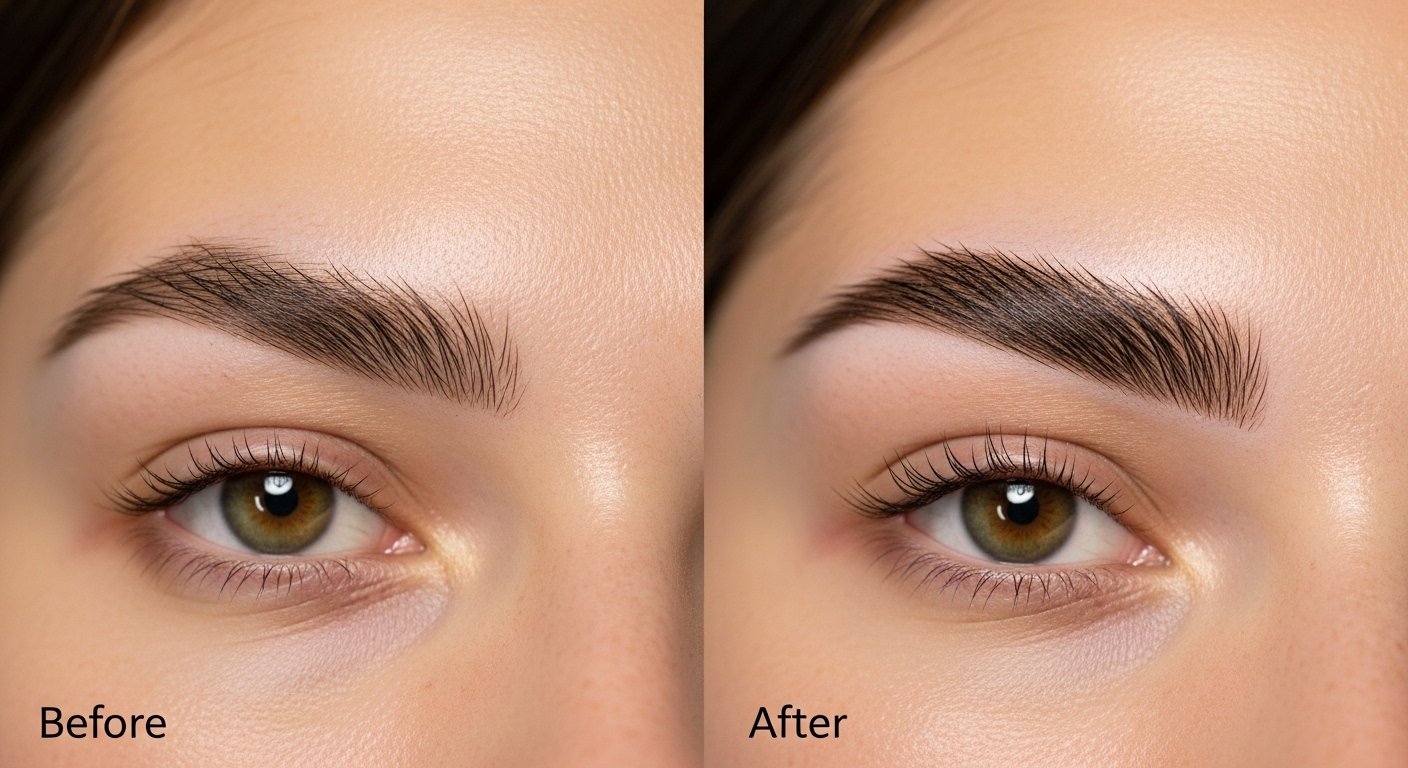
Getting perfect brows every day is a total game-changer for your morning routine. You might be tired of filling them in with a pencil constantly. Many people are turning to semi-permanent options to save time and look fresh. The two biggest stars in the beauty world right now are microblading and microshading. This guide will break down everything you need to know about these sister treatments. We will help you figure out which one fits your face and lifestyle best.
Understanding Semi-Permanent Eyebrow Procedures
The beauty industry has seen a massive rise in low-maintenance solutions lately. Everyone wants to wake up with makeup that looks natural and stay-put. These procedures are a type of cosmetic tattooing but they are not like old-school tattoos. They use special pigments designed to fade slowly over time rather than staying forever. This allows you to change your brow shape as trends or your face change.
Defining the Sister Treatments
Microblading and microshading are often confused because they both involve putting pigment under the skin. Think of them as sisters who have very different personalities. One focuses on creating tiny lines that look like hair. The other creates a soft shadow that looks like brow powder. They serve different purposes depending on what you want your brows to look like.
The Shift from Traditional Eyebrow Tattoos
Old-school eyebrow tattoos often turned blue or green and stayed in the skin for decades. Modern semi-permanent makeup is much more sophisticated and uses better tools. The artists today focus on natural beauty and subtle changes. The pigments are placed shallower in the skin to ensure they look soft. This shift has made these treatments much more popular and less scary for beginners.
The Anatomy of the Brow
To understand how this works, you need to know a little about your skin. Your skin has layers called the epidermis on top and the dermis underneath. Permanent makeup artists place the pigment right at the junction of these layers. This ensures the color stays put but still looks vibrant and clean. Knowing this helps you see why proper healing is so important for the final look.
What is Microblading?
Microblading is likely the first word you hear when looking for better brows. It is famous for making brows look naturally full and feathery. It is a manual technique that requires a very steady hand from a professional.

The Technique
This method uses a manual handheld tool that looks a bit like an X-Acto knife. This tool has a row of tiny, ultra-fine needles that form a blade. The artist uses this blade to make small incisions in the skin. These incisions are very shallow and carefully placed to follow your brow shape.
The Goal
The main goal is to mimic natural hair strokes as closely as possible. If you have gaps or thin spots, microblading fills them in seamlessly. It adds volume and shape without looking like you painted your face on. It is all about enhancing what you already have in a realistic way.
The Aesthetic
The result is a feathery and subtle brow that is hard to spot. To the untrained eye, it just looks like you were born with great eyebrows. It is perfect for those who want a “no-makeup” makeup look.
Pigment Placement
During the process, the artist manually drags the pigment into the skin incisions. This ensures the color is trapped in those hair-like lines. Because it is done by hand, the artist has total control over every stroke.
The “Crispness” Factor
The manual blade allows for very sharp and crisp lines when done correctly. These lines create the illusion of depth and real hair texture. This crispness is what makes microblading so popular for people with dry or normal skin.
What is Microshading?
Microshading is the go-to for people who want a more “done” or polished look. It is often called powder brows or ombre brows. While it sounds intense, it can actually be very soft and beautiful.

The Technique
This method uses a stippling method rather than long strokes. The artist uses either a manual tool or a digital electric device. It looks like they are “tapping” the color into your skin. This creates thousands of tiny dots that build up into a shape.
The Goal
The goal here is to create a soft, powdered effect like you used a brow pomade. It provides a consistent color across the whole brow area. It is great for making brows look thicker and more defined.
The Aesthetic
Microshading gives you a bold and finished look that is always photo-ready. It is more obvious than microblading but still looks very clean and professional. It essentially makes your eyebrow pencil obsolete.
Pigment Placement
In this technique, the artist pierces countless tiny dots of pigment into the skin. The pigment is often deposited slightly deeper or more concentrated than microblading. This helps the color stay consistent and last a long time.
The Gradient Effect
One of the coolest parts of microshading is the ombre effect. The artist can make the “bulb” or front of the brow lighter. Then they gradually make the tail of the brow darker and more defined. This mimics how natural brows look in the light.
Hybrid Brows: The Best of Both Worlds
If you can’t choose between the two, hybrid brows might be your answer. This is a combination of both microblading and microshading. It is becoming one of the most requested services in the beauty industry.
Combining Techniques
Hybrid brows use hair-like strokes at the front for a natural look. Then, the artist uses shading in the middle and tail for density. This gives you the realism of microblading with the staying power of shading.
Ideal Candidates for Hybrid Brows
- Mixed Skin Types: This works well if you have an oily T-zone but dry skin elsewhere.
- Sparse Hair: If you have very little natural hair, the shading provides a “base” for the strokes.
- Active Lifestyles: People who sweat a lot often find hybrid brows last longer than just microblading.
Key Differences Between Microblading and Microshading
It is important to remember that these are different tools for different goals. While they are “sisters,” they have unique traits. Let’s look at the main points where they differ.
Application Method
The biggest difference is how the pigment gets in your skin. Microblading uses a manual blade to slice tiny lines. Microshading uses a needle to tap in tiny dots. This difference in motion affects how the skin heals and how the color looks.
Visual Result
Microblading looks like individual hairs. Microshading looks like a soft shadow of color. If you want to see skin between the “hairs,” go for blading. If you want a solid, filled-in look, shading is for you.
Invasiveness and Depth
Microshading is often considered gentler on the skin. The stippling motion causes less trauma than the slicing motion of a blade. Shading often deposits pigment a bit deeper, which is why it lasts longer.
Longevity
Microshading usually wins the race for staying power. Because the pigment is more concentrated, it takes longer to fade. Microblading strokes can sometimes blur or fade faster, especially on oily skin.
Choosing the Right Technique for Your Skin Type
Your skin type is the most important factor in this decision. An artist will usually look at your skin before they even talk about shape.
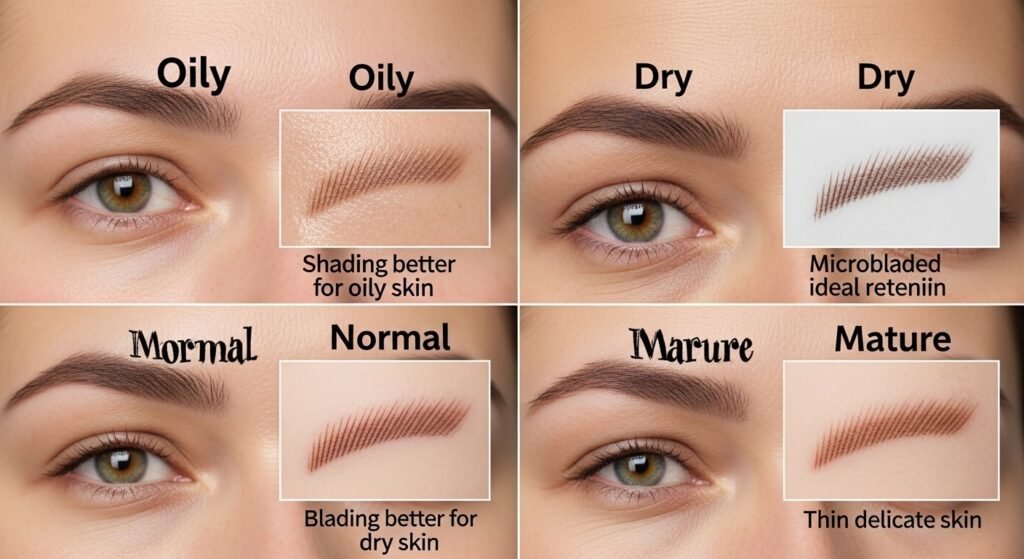
Normal to Dry Skin
If your skin is dry or normal, you are the perfect candidate for microblading. The pigment stays exactly where it is put without spreading. Your strokes will stay crisp and clear for a long time.
Oily or Large-Pored Skin
Oily skin is a challenge for microblading. The extra oil can make the strokes blur together or fade very quickly. Microshading is much better for oily skin because the dots don’t blur the same way. It stays looking clean even if your skin is shiny.
Sensitive and Mature Skin
Sensitive skin can get very red during microblading. Shading is often more forgiving because it doesn’t “tear” the skin the same way. Mature skin is often thinner, so a gentle shading technique is usually safer and looks more natural.
The Fitzpatrick Scale
Artists use a tool called the Fitzpatrick Scale to categorize skin. This helps them decide which pigment colors will look best on you. It also helps them predict how your skin will react to the needles.
Ideal Candidates for Each Procedure
Knowing who usually gets these treatments can help you decide. Every face is different, but there are some common patterns.
- Microblading Candidates: People with dry skin, those who want a very subtle change, and those with light-colored brow hair.
- Microshading Candidates: People with oily skin, those who wear a lot of makeup, and those with dark or coarse brow hair.
- Alopecia or Hair Loss: Shading is often better here because it provides a realistic shadow where there is no hair at all.
- Cover-Up Work: If you have an old brow tattoo that is fading, microshading is much better at hiding the old ink than microblading.
The Importance of Professional Consultation
You should never skip the consultation. This is when you and the artist get on the same page. It is your chance to ask all the “what if” questions.

Discussing Lifestyle and Makeup
Your artist needs to know if you go to the gym every day or if you use heavy retinol creams. These habits can change how they do the procedure. Tell them if you prefer a “natural” look or a “bold” look.
Brow Mapping and Symmetry
Artists use a technique called brow mapping to find your perfect shape. They use tools to measure your facial features and find balance. This ensures your new brows fit your specific face shape.
Patch Testing
If you have sensitive skin, ask for a patch test. The artist will put a tiny bit of pigment and numbing cream on your skin. This checks for any allergic reactions before the full appointment.
Health Contraindications
Not everyone can get their brows done safely. You must be honest about your medical history to avoid complications.
- Medical Conditions: People with diabetes or autoimmune disorders may heal very slowly.
- Pregnancy and Nursing: Most professional artists will not work on you during this time due to hormonal changes and safety concerns.
- Skin Conditions: If you have eczema or psoriasis in your brows, you need to wait until it is totally clear.
- The Keloid Risk: If your body creates thick, raised scars (keloids), you should avoid these procedures.
How to Prepare for Your Appointment
Preparation is key to getting great results. If your skin is in good shape, the pigment will settle much better.
Avoidances (3-4 Weeks Prior)
- Botox and Fillers: These can change your brow position, so they need time to settle first.
- Laser Treatments: These make the skin too sensitive for tattooing.
- Waxing and Threading: Let your hair grow so the artist can see your natural shape.
Skincare and Lifestyle Restrictions
- Retinol and Vitamin A: Stop using these two weeks before as they thin the skin.
- Alcohol and Caffeine: Avoid these for 48 hours before to prevent excess bleeding.
- Sun Exposure: Do not show up with a sunburn or a fresh tan.
Step-by-Step Breakdown of the Procedure
Knowing what happens can help calm your nerves. A typical appointment is broken into several phases.
The Intake and Mapping
First, you will sign some forms and discuss your goals again. The artist will then draw the new shape on your face with a pencil. You will look in the mirror and make any changes you want.
The Numbing Phase
A numbing cream with 5% lidocaine is usually applied to your brows. It stays on for about 20 to 25 minutes until you feel “frozen”. This makes the procedure much more comfortable.
The Tattooing Process
The artist will work on one brow at a time. The actual tattooing part usually takes about 45 to 60 minutes. They may apply a “secondary numbing” liquid during the process to keep you comfortable.
Managing Pain and Discomfort
Most people find the pain is very manageable. It often feels like someone is scratching your skin or plucking hairs.
- Numbing Cream: A high-quality cream like Zensa can make the experience nearly pain-free.
- Genetics: About 5-10% of people don’t respond well to lidocaine due to their genes.
- Relaxation: Some clients actually fall asleep during the procedure because it is so repetitive.
The Two-Session Process: Why the Touch-Up Matters
Semi-permanent brows are a two-step journey. You cannot judge your brows after just one appointment.
The Perfecting Session
You will return 6 to 8 weeks later for a touch-up. This is when the artist fills in any spots where the pigment didn’t stick. They can also make the color darker or the shape thicker if you want.
Pigment Ghosting
Do not panic if your brows seem to disappear around week three. This is called “ghosting”. New skin is growing over the pigment, making it look light. The color will “resurface” as the skin finishes healing.
Comprehensive After-Care Instructions
How you treat your brows at home determines 50% of your result. Follow your artist’s instructions exactly.

Immediate Post-Care (Day 1)
For the first few hours, you should dab your brows with a clean cotton pad and water. This removes the fluid that causes thick scabs. Less scabbing means better pigment retention.
The First Week of Healing
- Cleansing: Use a mild antibacterial soap and lukewarm water twice a day.
- Drying: Always gently pat them dry with a fresh paper towel; never rub them.
- Ointment: Apply a tiny, rice-grain amount of healing lotion after washing.
Long-Term Healing (Weeks 2-4)
- No Sun: Stay out of direct sunlight or wear a hat.
- No Sweat: Avoid heavy workouts, saunas, and steam for at least 10 days.
- Pillowcases: Use a fresh, clean pillowcase to prevent any infections.
What to Avoid After the Procedure
- Picking Scabs: This is the number one way to ruin your brows and cause scarring.
- Makeup: Keep all foundation and brow pencils away from the area for two weeks.
- Facial Acids: No retinol or glycolic acid near the brows while they heal.
Longevity, Maintenance, and Costs
Semi-permanent brows are an investment in your time and confidence.
- Microblading Life: Usually lasts 12 to 18 months before needing a “color boost”.
- Microshading Life: Usually lasts 2 to 3 years because the pigment is more concentrated.
- Average Cost: Expect to pay between $500 and $2,000 depending on the artist’s experience and location.
- Annual Boosts: Most people get a small touch-up every year to keep the color fresh.
Risks and Safety Considerations
While generally safe, there are some things to keep in mind.
- Stroke Blurring: Over time, microblading strokes can merge into a solid mass.
- Infection: This is rare but can happen if you don’t keep the area clean during the first week.
- Ink Saturation: If you get touch-ups too often, the skin can get “full” of ink and look muddy.
Professional Standards: Finding a Qualified Artist
- Check the Portfolio: Look for pictures of healed work, not just the fresh “after” photos.
- Licensing: Ensure the studio has a health permit and the artist is properly trained.
- Cleanliness: The artist should use disposable needles and wear gloves at all times.
By choosing the right technique for your skin and following the rules, you can have the brows you’ve always wanted. Whether you choose the feathery look of microblading or the bold style of microshading, you are one step away from a much easier morning.
Frequently Asked Questions
Can I get these procedures while taking blood thinners?
Consult your doctor first. Blood thinners increase bleeding during the process, which can push pigment out of the skin, leading to poor retention or patchy results. Most artists require you to stop medication a few days prior if medically safe.
Is it safe to get brow tattooing if I am prone to cold sores?
While cold sores usually affect the lips (permanent makeup for lips), a weakened immune system or skin trauma can trigger an outbreak. If you are prone to them, consult a physician about taking an antiviral like Valtrex before your appointment.
How does smoking affect the healing of my new brows?
Smoking reduces blood flow to the skin and slows down the healing process. This can lead to a higher risk of infection and cause the pigment to fade much faster than it would for a non-smoker.
Can I get microblading if I have a history of MRSA?
A history of MRSA is a significant contraindication. Because the procedure involves breaking the skin, the risk of a recurring or new infection is high. You must receive full clearance from a doctor before booking.
What happens if I exercise before the 10-day healing mark?
Salt in your sweat can act as a light abrasive and pull the pigment out of the fresh incisions. This results in “blurred” strokes or significant fading, essentially ruining the artist’s work.
Are the pigments used the same as traditional tattoo ink?
No. Semi-permanent pigments are formulated to be broken down by the body over time. Traditional tattoo inks contain larger molecules that stay permanently and often shift to unnatural blue or green hues.
Can I have this done if I am currently undergoing chemotherapy?
Most artists require you to wait until your treatment is finished and your blood counts have returned to normal. Chemotherapy compromises the immune system, making the risk of infection extremely dangerous.
Will the procedure affect my natural hair growth?
No. The pigment is deposited into the upper layers of the dermis, while hair follicles are located much deeper. If anything, the stimulation of the skin can sometimes encourage minor hair growth in the area.
Can I get my brows done if I have an active tan?
No. Tanning thickens the skin and changes its texture, which prevents the needle from entering smoothly. Furthermore, as the tan fades, the pigment color may shift and look muddy or unnatural.
Is there a specific age limit for these procedures?
Most reputable studios require clients to be at least 18 years old. For mature clients, there is no upper age limit, though thinner skin requires a more delicate touch and potentially a different technique like microshading.
Can I go to a swimming pool or the ocean after my session?
Chlorine and salt water are highly damaging to fresh brow tattoos. They can cause the pigment to change color or pull it out entirely. You must wait until the skin is fully closed, usually 14 days.
What is the difference between “dry healing” and “wet healing”?
Dry healing involves keeping the brows completely dry for 10 days, while wet healing involves gentle washing and applying a thin layer of ointment. Most modern artists prefer wet healing to prevent thick, heavy scabbing.
Can I get my brows done if I have iron deficiency?
If you are severely anemic, your body may “absorb” the iron-oxide based pigments faster than usual. This means your brows might fade significantly faster than a client with normal iron levels.
How do I sleep without ruining my fresh brows?
It is best to sleep on your back for the first week. If you are a side sleeper, use a travel pillow (the U-shaped kind) to keep your face from pressing against the bedding and pulling at the scabs.
What should I do if my brows look way too dark on day three?
Stay calm. This is the “bold” phase of healing where the pigment oxidizes. The color will soften by 30% to 50% once the initial layer of skin heals and peels away.
Can I get brow tattooing if I have a nickel allergy?
Some pigments contain trace amounts of metals. If you have a known severe nickel or metal allergy, it is crucial to request a patch test and view the ingredient list of the specific pigment brand used.
Why do some people’s brows turn red or orange over time?
This usually happens due to the iron oxide in the pigment or the body’s reaction to warm-toned colors. High-quality, stable pigments and proper color theory by the artist minimize this risk.
Can I use a brow trimmer or tweezers during the healing phase?
You should avoid any grooming near the brow area for at least two weeks. Plucking or trimming can pull at the healing skin and lead to irritation or accidental removal of scabs.
What if I have an upcoming event like a wedding?
Schedule your initial appointment at least two to three months before a major event. This allows for the full healing of the first session and the 6-week touch-up to be completed.
Can I donate blood after getting microblading or microshading?
In many regions, you must wait 4 to 12 months after getting a tattoo or semi-permanent makeup before you can donate blood. Check with your local blood bank for their specific guidelines.
