

Are you tired of spending your mornings with brow pencils and shading supplies?. You probably want fuller, more-defined brows that won’t fade away after a gym session or a dip in the pool. Many people want the perfect look but stop because they ask: does microblading hurt?. It is a very common question for anyone looking at permanent makeup. We want to put your nerves at ease by explaining the whole process. Most people find the experience is much easier than they expected.
Understanding Microblading and the Sensation of the Procedure
Microblading is an aesthetic treatment that adds semi-permanent pigment to your eyebrow area. A skilled artist uses a specialized tool to make this happen. It is not quite the same as a traditional tattoo because of the tools and skin depth used.
Defining the Microblading Process
This service is a form of cosmetic tattooing that focuses on the brow. It helps people with thin brows or light brows get a fuller look. The process involves placing pigment strokes into the skin to look like real hair. Because it is semi-permanent, it lasts between one to three years. This makes it a great cosmetic solution for long-term beauty.
The Tool Mechanics

The specialized tool used in this procedure is very different from a tattoo gun.
- Ultra-thin needles are grouped together to form a small blade shape.
- Manual technique allows the artist to have total control over every hair stroke.
- 12-15 needles are usually in the bundle to create the perfect width.
- Pigment strokes are made one by one to ensure they look natural.
Microblading vs. Traditional Tattoos
The main difference between these two is how deep the pigment goes. Traditional tattoos go into the deep layers of the skin. Microblading only reaches the upper layers. This shallow depth is why the pain is much lower. It also means the color will eventually fade, allowing for style changes later.
Why the Term “Blade” is Misleading
The word “blade” makes many people think of a surgical knife. This often causes unnecessary fear before a brow appointment. In reality, the “blade” is just a row of tiny needles. It does not slice the skin like a medical scalpel would. Knowing this helps many clients feel more relaxed.
Is Microblading Painful? Addressing Common Concerns
The short answer to “does microblading hurt” is generally no. Most clients report very little irritation during their session. While it is a tattoo technique, it is not as intense as body art.
The Short Answer
Most professionals categorize the pain level as very low. If you can handle a little bit of discomfort for a great look, you will be fine. Many people even find the process relaxing once they get started.
Common Sensations Reported by Clients

Everyone feels things a bit differently, but there are common reports.
- Mild scratching is the most frequent way people describe the feeling.
- Pressure from the tool is often felt more than the actual needles.
- Irritation may occur toward the end of the session as the skin gets sensitive.
- Sunburn sensation is how the area might feel right after the work is done.
Comparing the Sensation to Eyebrow Waxing or Threading
If you have ever had your brows waxed, you know it involves a quick sting. Most patients say microblading feels less intense than that. Plucking hairs can also be sharper than the feeling of the microblading tool. If you do those things regularly, microblading will be a breeze.
The Psychological Aspect
Being nervous can actually make you feel more pain. Your brain is on high alert, so every touch feels bigger. A welcoming environment helps lower these stress levels. Once you realize the first stroke isn’t bad, the rest is easy.
Factors That Influence the Level of Discomfort
Several things can change how you experience the procedure. The skill of your artist is one of the most important factors.
Professional Expertise and Technique
A skilled artist knows exactly how to work with different skin types.
- Proper depth is key to making sure the pigment stays without causing pain.
- Fewer passes means the artist gets the color in quickly without over-working the skin.
- Sterile conditions are vital to prevent infections that could cause later pain.
- Quality tools ensure that the needles stay sharp and clean throughout the process.
Individual Pain Thresholds
Every person has a unique nervous system. What feels like a tickle to one person might feel scratchy to another. Your personal history with pain will play a role in your experience. However, the use of numbing agents usually levels the playing field for everyone.
Skin Sensitivity Factors
Certain skin conditions can make the area more sensitive. People with eczema or rosacea might have thinner or more reactive skin. This could lead to a bit more discomfort or a different healing process. Always tell your artist about your skin history during the consultation.
The Environment
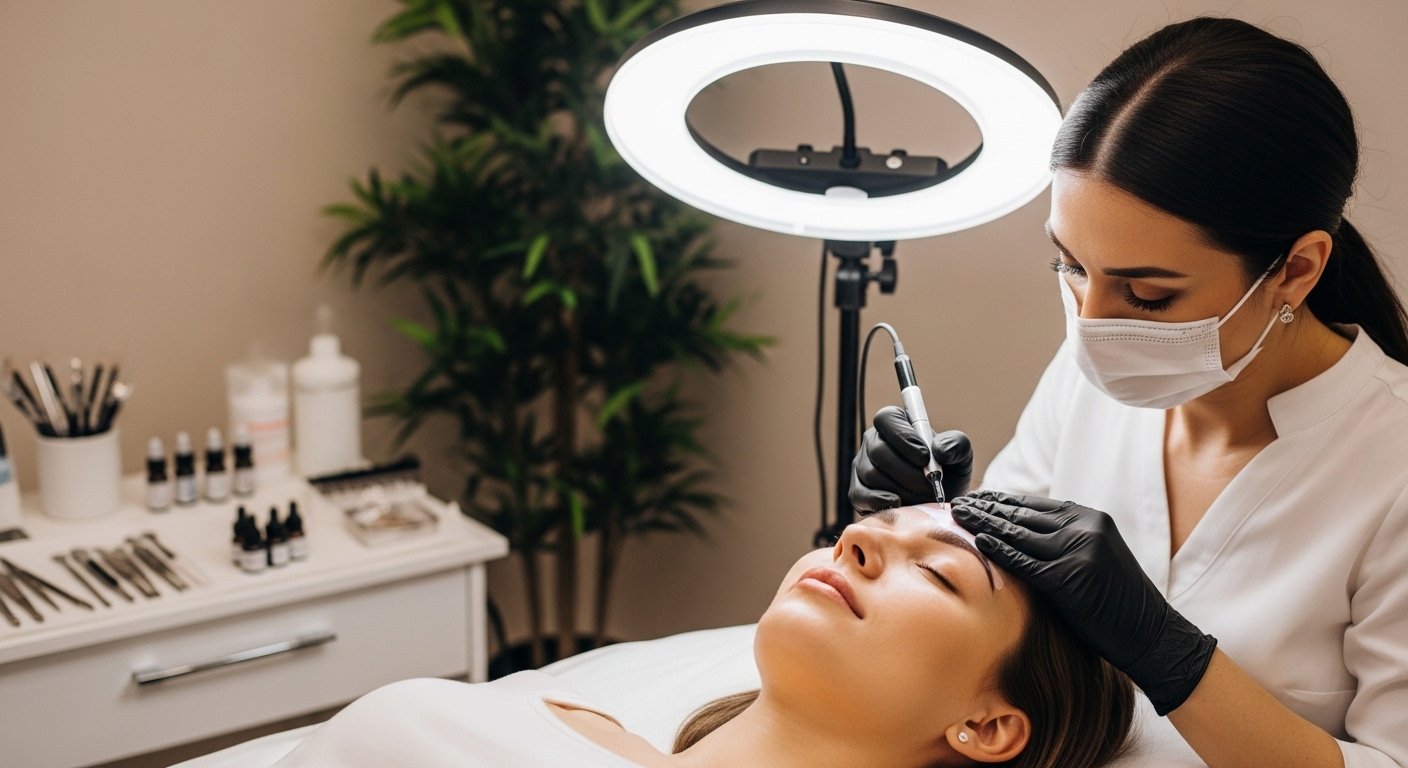
A professional studio should feel like a spa, not a hospital. A relaxing setting helps your body stay calm. When you feel safe and comfortable, your pain tolerance naturally goes up.
Professional Pain Management: The Role of Numbing Agents
We use medical-grade numbing to keep you as comfortable as possible. This is a standard part of the permanent makeup process.
Topical Anesthetics
Before the work begins, a topical anesthetic is applied to the brows. This is usually a cream or gel that sits on the skin for about 20 minutes. It numbs the surface so you don’t feel the initial strokes.
Secondary Numbing
Once the skin has been opened by the first few strokes, a second numbing agent is often used. This one gets deeper into the skin very quickly. It provides maximum comfort for the rest of the procedure. Most patients say they feel almost nothing after this step.
What You Feel While Numb
Being numb doesn’t mean you won’t feel anything at all.
- Vibration or scratching sounds may still be noticeable.
- Tugging sensations happen as the artist moves the skin to get the best angle.
- Cooling sensations occur as the artist wipes the area with sterile wipes.
Medical Consultations
If you are extremely worried, you can talk to a doctor about relaxation options. Some clinics, like Brooks Plastic Surgery, have a board-certified surgeon on hand. They can offer more advanced help if your anxiety is very high.
Essential Pre-Appointment Preparation to Minimize Pain

What you do before your appointment matters a lot. Preparing your body can lead to a much better experience.
Sun Exposure and Tanning
You should avoid the sun or tanning booths for at least one week before treatment. Sun-damaged skin is much more sensitive and prone to bleeding. Healthy, hydrated skin takes pigment much better and hurts less.
Managing Brow Maintenance
Stop plucking or waxing your brows for several days before your visit. You want your artist to see your natural growth patterns. Also, your skin needs time to recover from any hair removal before the microblading starts.
Chemical Triggers
Stop using Retinol or Vitamin A products for 3-4 weeks before your session. These products thin the skin and make it much more sensitive. They can also cause you to bleed more, which pushes the pigment out.
Dietary Restrictions on the Day of Procedure
What you eat and drink can change how you feel.
- Caffeine should be avoided on the day of your appointment. It can make you jittery and more sensitive to touch.
- Alcohol acts as a blood thinner. This can lead to more bleeding and a harder time getting the pigment to stay.
- Water is your best friend; staying hydrated helps your skin heal faster.
The Step-by-Step Procedure Flow and Physical Experience
Knowing exactly what will happen helps reduce fear. Most sessions take about one to two hours in total.
The Initial Evaluation
Your provider will look at your bone structure and eyebrow shape. They check your brow fullness to see where the gaps are. This ensures the final look is natural and fits your face.
The Mapping Phase
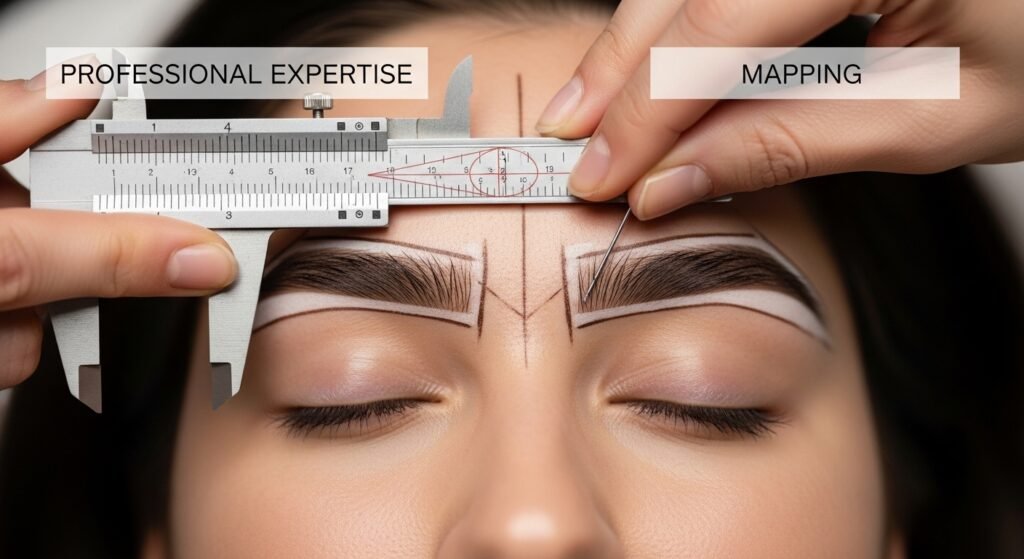
The artist will draw the shape on your skin first. You get to look in the mirror and approve the design. This phase is very important for your mental relaxation. When you love the shape, you feel much more confident about the process.
The Active Microblading Phase
This is when the actual hair strokes are created. The artist works carefully to mimic natural eyebrow hairs. They will often go back and forth between brows to ensure they are even.
The Immediate Sensation Post-Treatment
After the artist is finished, your skin might feel a bit tight. It may look a little red, which is totally normal. You will leave the studio with beautiful, well-defined brows right away.
Post-Procedure Recovery and Long-Term Comfort
The work isn’t over when you leave the chair. Proper aftercare is the best way to avoid pain and keep your results.
Immediate Aftercare
You will get a list of aftercare instructions to follow at home. This usually includes keeping the area clean and using a special ointment. Avoiding heavy sweating for a few days is also key to good healing.
The Healing Timeline
It takes several days for the skin to fully heal. During this time, your brows might itch or flake. Do not pick at them, as this can cause pain and pull out the pigment. You will see your final, beautiful results after about a month.
Extending Your Results Comfortably
- Sunscreen should be applied to your brows every single day once they are healed. This prevents the pigment from fading too fast.
- Gentle cleaning helps keep the skin healthy without irritating the treated area.
- Avoid harsh chemicals directly on the brows to keep the color looking fresh.
Annual Touch-Ups
Microblading is semi-permanent, so it will fade over time. Most people get touch-ups once or twice a year. These sessions are usually much faster and even less painful than the first one.
Frequently Asked Questions
Does the sound of the microblading tool increase the perception of pain?
The repetitive clicking or scratching sound can create psychological tension for some. Wearing noise-canceling headphones or listening to music during the session helps many clients disconnect from the auditory stimulus and stay physically relaxed.
Will I feel more pain if I am on my menstrual cycle?
Hormonal changes during your period often make the skin more sensitive to touch and lower your overall pain threshold. It is generally recommended to schedule your appointment at least a few days before or after your cycle for maximum comfort.
Does the thickness of my natural brow hair affect discomfort levels?
The thickness of your hair does not dictate pain, but skin density does. Thicker skin may require slightly more pressure from the artist, while very thin skin is more delicate; a skilled professional adjusts their technique to suit your specific skin anatomy.
Can I take ibuprofen or aspirin before my appointment to dull the pain?
You should avoid these specific pain relievers because they are anticoagulants (blood thinners). Increased bleeding during the procedure can wash out the pigment and cause more post-session swelling and irritation.
Is the numbing cream safe for people with sensitive skin?
Most topical anesthetics use lidocaine or epinephrine. If you have a known allergy to local anesthetics or extremely reactive skin, you should request a patch test on a small area of skin 24 hours before the full procedure.
Does microblading hurt more on the second brow than the first?
Clients sometimes report the second brow feels slightly more sensitive because the central nervous system is already “alert.” However, the application of secondary numbing usually offsets this by the time the artist switches sides.
Will smoking or vaping affect my pain levels during the session?
Nicotine is a stimulant that can increase your heart rate and make you more “twitchy” or sensitive to the needles. It also constricts blood vessels, which can slow down the initial healing process immediately following the treatment.
Does the color of the pigment used impact how much it hurts?
The shade of the pigment has no impact on physical sensation. Whether the artist is using light blonde or deep ebony, the chemical composition remains similar and the application depth is identical.
Can I apply my own numbing cream before arriving at the studio?
You should consult your artist before doing this. Many professional-grade numbing creams are far more effective than over-the-counter versions, and applying your own might interfere with the artist’s preferred product or skin preparation.
Is there a specific age where microblading becomes more painful?
As skin ages, it becomes thinner and loses elasticity. While this doesn’t necessarily make the process “painful,” it does require a more delicate touch from the artist to ensure the pigment is placed correctly without causing trauma.
Does microblading hurt more than a Botox injection?
Most describe Botox as a sharp, singular “pinch,” whereas microblading is a sustained “scratching” sensation. While microblading lasts longer, the intensity is generally considered lower than a needle injection into the muscle.
Will I feel pain if the artist has to work over old scar tissue?
Scar tissue is denser and tougher than healthy skin. It can be more difficult to numb completely, and you might feel a bit more pressure as the artist works to ensure the pigment takes in that specific area.
Can I drink herbal tea to relax before the procedure?
Most herbal teas are fine, but avoid those containing ginger, ginseng, or high amounts of green tea, as these can occasionally thin the blood. Chamomile is a safe and effective choice for calming nerves.
Does the temperature of the room affect my pain tolerance?
Being too cold can make your muscles tense up, which lowers your ability to handle discomfort. Most studios provide blankets to keep you warm, ensuring your body stays relaxed during the one to two-hour session.
Will my brows hurt when I wash them for the first time?
The area may feel tender or sting slightly when it first touches water or the recommended cleanser. Using lukewarm water and a very gentle, dabbing motion prevents unnecessary irritation.
Does microblading hurt more for men than for women?
Pain is subjective and not gender-dependent. However, men often have thicker skin in the brow area, which may require the artist to use a slightly different pressure, though the topical numbing remains equally effective.
Can I exercise immediately after to take my mind off the soreness?
You must avoid exercise for several days. Sweat contains salt which can sting the open skin and pull the pigment out, leading to poor healing and increased irritation in the treated area.
Will the use of numbing cream cause my brows to swell more?
Topical anesthetics containing epinephrine actually help constrict blood vessels, which can reduce swelling and redness during the actual procedure. Significant swelling is rare in professional microblading.
Does the type of lighting used by the artist affect my comfort?
While the bright “ring lights” used by artists are necessary for precision, they can be overstimulating. Many artists provide eye covers or shields so the light doesn’t cause a headache or eye strain while you are being treated.
What should I do if the numbing starts to wear off mid-procedure?
Simply inform your artist immediately. They can apply a fast-acting secondary numbing gel that works in seconds on “broken” skin to ensure you remain comfortable until the very last stroke is completed.
