
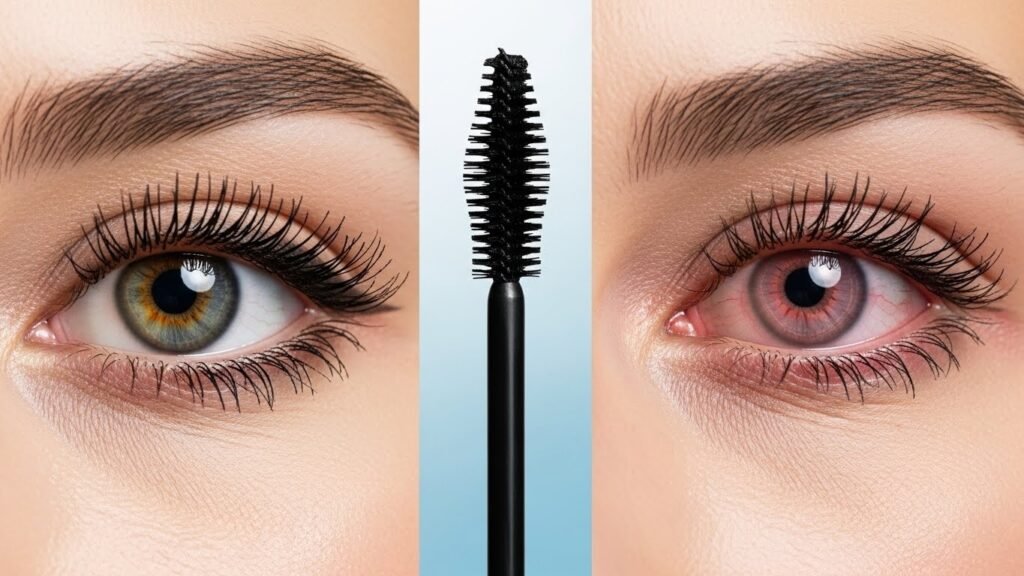
Dealing with an allergic reaction from mascara is a total nightmare for your beauty routine. You wake up ready to slay the day, but your eyes look like you just finished a sad movie marathon. This common issue happens when your immune system decides a specific ingredient is a major enemy. Your body goes into overdrive to protect you, causing all sorts of uncomfortable drama on your face. Knowing why this happens is the first step to getting your sparkle back.
Understanding Mascara Allergies and Contact Dermatitis
An allergic reaction from mascara usually falls under the category of contact dermatitis. This means your skin touches something it hates, and then it freaks out. The thin skin around your eyes is super sensitive compared to the rest of your body. It absorbs things quickly, which is why your eyelids are often the first place to show signs of trouble.
The difference between a basic irritant and a true allergy is how your body reacts. An irritant might just make you sting for a second because the formula is a bit harsh. A true allergy involves your immune system creating a lasting defense against a specific chemical. Once your body marks an ingredient as bad, it will react every single time you use it.
The Anatomy of the Eyelid
Your eyelids have some of the thinnest skin on your entire body. This makes them very prone to absorbing chemicals found in your favorite makeup products. Because the skin is so delicate, it doesn’t take much to cause a massive flare-up. Underneath that thin layer, there are tons of tiny blood vessels that react quickly to allergens.
Common Causes and Triggers of Mascara Allergies
You might think you are safe because you have used the same brand for years. However, your immune system can actually develop a sensitivity over time. This is called sensitization, where repeated exposure eventually crosses a line in your body. Suddenly, the product you loved becomes the source of a painful allergic reaction from mascara.
Common Chemical Allergens in Mascara Formulas
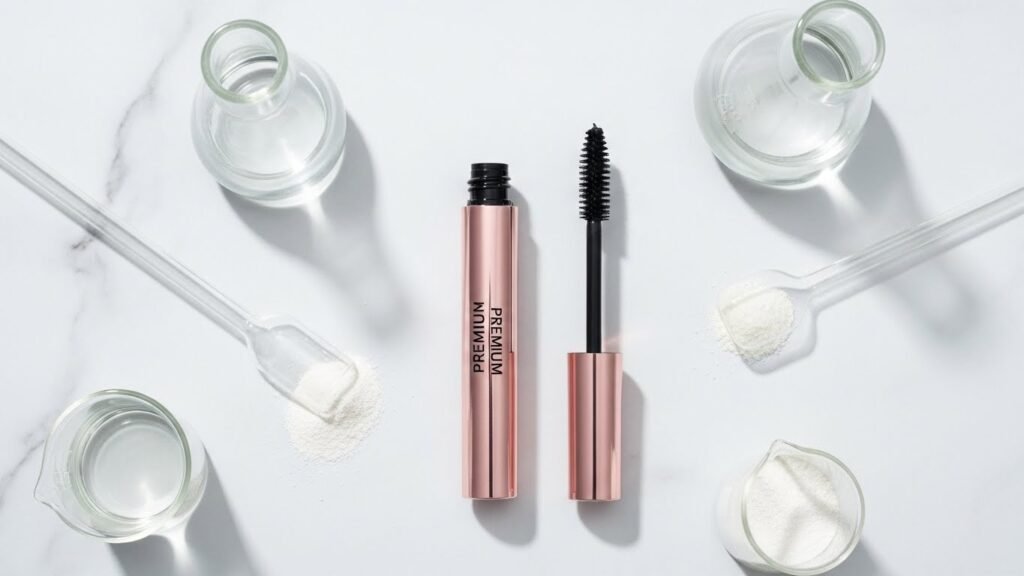
Many brands use the same set of chemicals to keep their products shelf-stable and pretty. These ingredients are often the main culprits behind your itchy, red eyes.
- Parabens are preservatives used to stop bacteria from growing in the tube. Look for names like methylparaben or propylparaben on the label.
- Fragrances are added to make the product smell nice, but they are a top cause of skin irritation. Even “unscented” products might have masking fragrances that cause a reaction.
- Propylene Glycol works as a skin conditioner but is known to trigger hives and dermatitis in many people.
- PPD (Para-phenylenediamine) is a powerful dye often used for dark pigments. It is famous for being a very strong allergen that can even lead to lash loss.
- Shellac is a resin that helps mascara stick to your lashes and stay shiny. It is the same stuff used in wood varnish and gel nails.
- Aluminum Powder is used to give some mascaras a metallic or shimmering look.
- Black Iron Oxide is a mineral deposit used for deep black tinting.
Biological and Mechanical Irritants
Sometimes it is not just the chemicals that cause an allergic reaction from mascara. How you use and store your makeup matters just as much as what is inside it.
- Mold and Bacterial Growth can happen inside old tubes of mascara. The dark, damp environment is perfect for germs to throw a party.
- Mechanical Irritation happens when you accidentally poke your eye with the wand. This can create micro-abrasions that let chemicals seep deeper into your skin.
- Particle Fallout occurs when mascara dries and flakes off during the day. These tiny flakes fall into your eye and cause direct scratching and redness.
Recognizing the Signs and Symptoms
It is easy to confuse an allergic reaction from mascara with a common cold or pink eye. However, mascara allergies usually focus right where the product was applied. If your symptoms get worse every time you put on makeup, you likely have an allergy.
Ocular Symptoms (The Eyes)
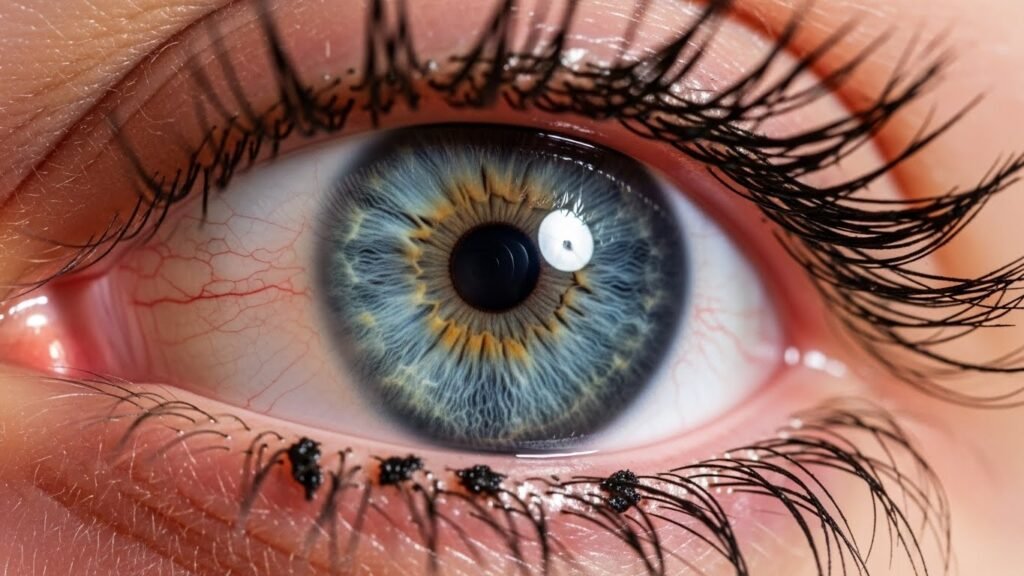
- Allergic Conjunctivitis makes the whites of your eyes look totally bloodshot.
- Burning and Stinging sensations often start just minutes after you apply the product.
- Watery Eyes happen because your body is trying to wash away the irritating particles.
- Light Sensitivity can make it hard to look at your phone or be outside in the sun.
Dermatological Symptoms (The Eyelids and Skin)
- Eyelid Dermatitis causes your lids to swell up and look puffy.
- Dry Skin Patches might appear on the corners of your eyes or along the lash line.
- Red Bumps and Blisters are signs of a more severe contact dermatitis reaction.
- Eyelash Loss can occur if the hair follicles become too inflamed from harsh chemicals.
Professional Diagnosis of Mascara Allergies
If your eyes keep flaring up, it is time to see a pro. A dermatologist or an allergist can help you find the exact ingredient causing the drama. You don’t want to play a guessing game with your vision.
Clinical Testing Methods
- Patch Testing involves putting small amounts of chemicals on a patch on your back. You wear it for a few days to see which ones cause a red spot.
- Skin Prick Tests give faster results by checking for immediate immune responses.
- Elimination Diet for Cosmetics means you stop using all eye products for a few weeks. Then, you add them back one at a time to see which one triggers the itch.
Effective Treatment Solutions for Allergic Reactions
When an allergic reaction from mascara hits, you need relief fast. The first thing you must do is stop using the product immediately. Do not try to “power through” the irritation, as it will only get worse.
Immediate At-Home Care
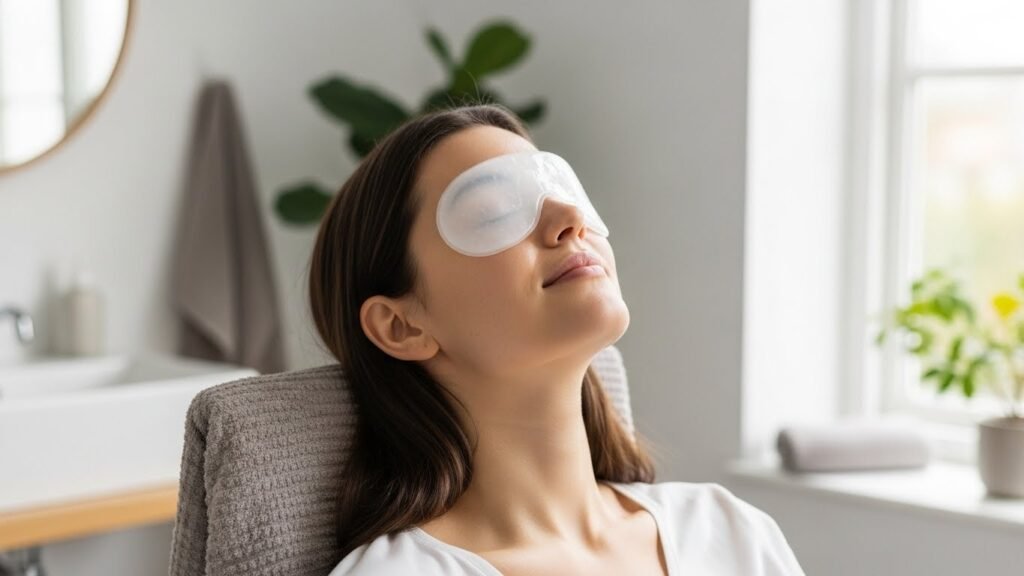
- Gentle Removal is key so you don’t irritate the skin further. Use a mild, fragrance-free cleanser.
- Cold Compresses help bring down the swelling and soothe the burning feeling.
- Saline Rinses can help flush out any leftover mascara flakes stuck in your eyes.
- Avoid Rubbing your eyes even if they itch like crazy. Rubbing can cause tiny tears in your skin and spread the allergen.
Medical and Over-the-Counter Interventions
- Oral Antihistamines work from the inside to stop your body’s overreaction.
- Corticosteroid Creams can be used on the eyelids to stop severe itching and redness. Only use these if a doctor tells you to, because they can thin the skin.
- Allergy Eye Drops provide instant cooling and help clear up the bloodshot look.
- Decongestants can help if your reaction also makes your nose feel stuffy.
Prevention Strategies for Sensitive Eyes
You don’t have to give up on long lashes forever. You just need to be a smarter shopper and take better care of your tools. Prevention is way easier than dealing with a swollen face.
Product Selection and Shopping Tips
- Hypoallergenic Labels are a good start, but they aren’t a total guarantee. Always check the actual ingredient list.
- Water-Soluble Formulas are usually easier to remove than waterproof ones. This means less scrubbing on your delicate lids.
- Fragrance-Free is a must for anyone who has had a reaction before.
- Ophthalmologist-Tested products have been checked by eye doctors for safety.
Safe Application and Storage Practices
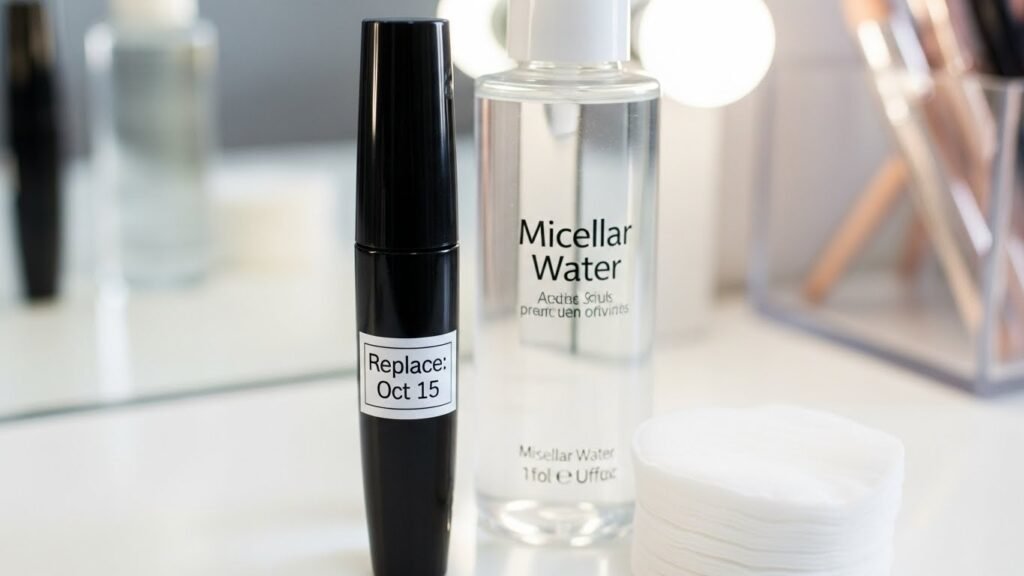
- The 24-Hour Patch Test should be done with every new mascara. Put a little on your inner arm and wait a day to see if you react.
- The 3-Month Rule means you toss your mascara every ninety days. This prevents bacteria and mold from building up.
- Never Share your makeup with friends, no matter how much you love their look. Sharing spreads germs and eye infections.
- Nightly Cleanse is non-negotiable. Leaving mascara on overnight can clog your glands and cause bumps.
Advanced Eye Care for Makeup Users
Taking care of your eyes involves more than just picking the right tube. You need to keep the whole area healthy so it can handle makeup better.
- Meibomian Gland Health is vital because these glands produce the oil that keeps your eyes moist. Mascara can block these, leading to dry eyes.
- Lid Hygiene can be improved with special eyelid scrubs or hypochlorous acid sprays. These kill bad bacteria without hurting your skin.
- Omega-3 Fatty Acids in your diet can help strengthen your skin’s natural barrier.
Alternatives to Traditional Mascara
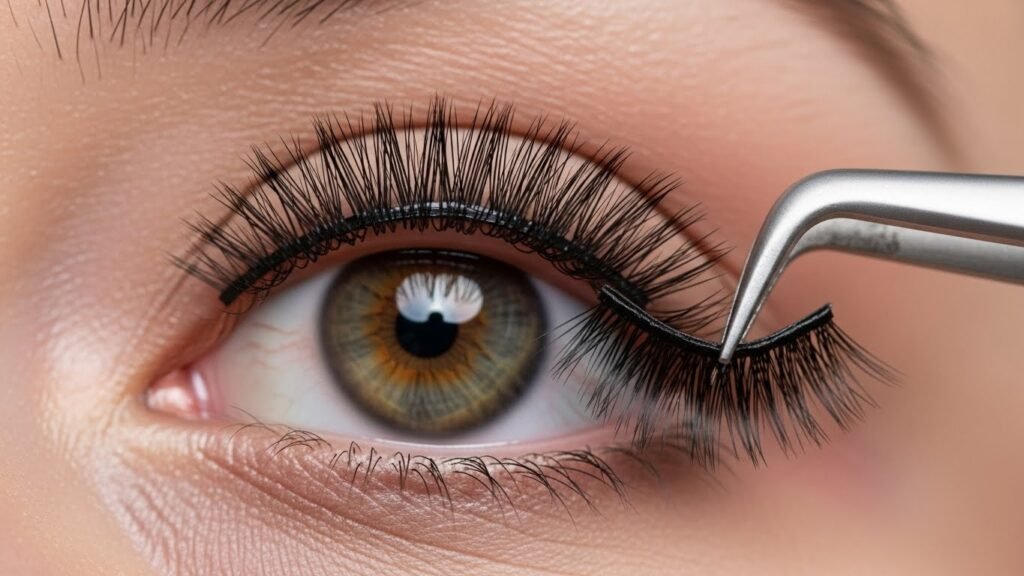
If you just can’t find a formula that works, there are other ways to get gorgeous lashes.
- Magnetic False Lashes stay on with tiny magnets instead of irritating glue.
- Tubing Mascaras create little polymer tubes around each lash. They wash off with just warm water and rarely flake.
- Eyelash Tints use semi-permanent dye so you don’t have to apply daily makeup. Make sure to get a patch test first.
- Lifts and Extensions can give you a “woke up like this” look. However, the glue used for extensions can also cause a bad reaction.
Conclusion: Living with Cosmetic Sensitivities
Dealing with an allergic reaction from mascara is a sign that you need to listen to your body. Your eyes are incredibly precious, and they deserve the best care possible. By switching to cleaner products and following strict hygiene rules, you can still enjoy a glamorous look without the itch. Always prioritize your health over a beauty trend, and don’t be afraid to ask a doctor for help when things get bumpy.
Frequently Asked Questions
Can stress make an allergic reaction from mascara worse?
Stress triggers the release of cortisol and histamine in your body. While stress doesn’t cause the allergy itself, it can make your skin more reactive and slow down the healing process of a current flare-up.
Is it safe to use a lash serum while recovering from a reaction?
It is best to wait until your skin is completely healed. Lash serums often contain prostaglandins or peptides that can further irritate the delicate eyelid skin during an active allergic reaction from mascara.
Does cold water or hot water work better for removing irritating residue?
Cool or lukewarm water is much better for sensitive eyes. Hot water strips the natural oils from your eyelids and increases blood flow to the area, which can actually intensify itching and swelling.
Can I develop an allergy to the mascara wand rather than the formula?
Yes, some mascara wands are made of thermoplastic elastomers or contain nickel in the wire core of the brush. If you are sensitive to plastics or metals, the wand itself could be the hidden culprit.
Will a “natural” beeswax-based mascara prevent reactions?
Not necessarily. Beeswax is a common allergen for people sensitive to propolis or pollen. Just because an ingredient is natural does not mean it is safe for every immune system.
How do I tell the difference between a stye and an allergy?
A stye is usually a painful, localized bump that looks like a pimple on the edge of the eyelid. An allergic reaction from mascara is typically more widespread, affecting the whole lid with itching and redness rather than a single sore spot.
Can the humidity in my bathroom affect my mascara safety?
High humidity encourages the growth of mold and bacteria inside the tube. Storing your makeup in a cool, dry place outside of the bathroom can help prevent your mascara from becoming a biological hazard.
Is it okay to use eye makeup after the expiration date if it doesn’t smell bad?
No, the preservatives in mascara are designed to last only about three months. Even if it smells fine, the chemical balance may have shifted, making it much more likely to cause an allergic reaction from mascara.
Can seasonal hay fever make me more sensitive to my makeup?
Yes, this is known as “priming.” When your body is already fighting off pollen, your immune system is on high alert, making it more likely to overreact to the chemicals in your cosmetics.
Does the color of the mascara matter for allergies?
Bright colors like purple, blue, or green often use different synthetic dyes than standard black or brown. These specific pigments are more likely to cause irritation for users with sensitive skin.
Can I use a hair dryer to dry my mascara faster if my eyes are watery?
You should avoid this entirely. The warm air can blow particles of wet mascara directly into your eyes and further dry out the protective tear film on your ocular surface.
Are “tubing” mascaras safer than waterproof ones?
Generally, yes. Tubing mascaras wrap lashes in a polymer that slides off with warm water, eliminating the need for harsh, oil-based makeup removers that often trigger reactions.
Why do my eyes itch only after I take my mascara off?
This is often caused by the makeup remover rather than the mascara itself. Many removers contain harsh solvents or oils that get trapped in the lash line and irritate the skin once the protective mascara barrier is gone.
Can a mascara allergy cause dark circles under my eyes?
Chronic rubbing and inflammation from a recurring allergic reaction from mascara can lead to “allergic shiners.” This happens when blood vessels under the eyes swell and darken due to constant irritation.
Should I throw away my eyelash curler if I have a reaction?
You don’t need to throw it away, but you must sanitize it. Use isopropyl alcohol to remove any old mascara residue or bacteria that could re-infect your eyes once you start wearing makeup again.
Can I develop an allergy to mascara if I wear contact lenses?
Contact lens wearers are more prone to irritation because the lens can trap mascara particles against the eye. This constant friction makes the tissue more vulnerable to developing a chemical sensitivity.
Is it safe to use “tester” mascaras at beauty stores?
Never use a community tester wand on your eyes. These are breeding grounds for bacteria, viruses, and multiple allergens from other users that can cause a severe reaction or infection.
Can eyelid primer help prevent a mascara allergy?
A primer can sometimes act as a physical barrier between your skin and the mascara flakes. However, the primer itself could contain allergens, so you must patch test it first.
Does drinking more water help clear up an eye allergy?
Staying hydrated helps your skin maintain its barrier function and helps your body flush out toxins, which can support the healing process of your skin and eyes.
Can I use cucumber slices to soothe my eyelids?
Organic, chilled cucumber slices can help reduce swelling. However, if you have a ragweed allergy, you might also be sensitive to cucumbers, so proceed with caution.