 Skip to content
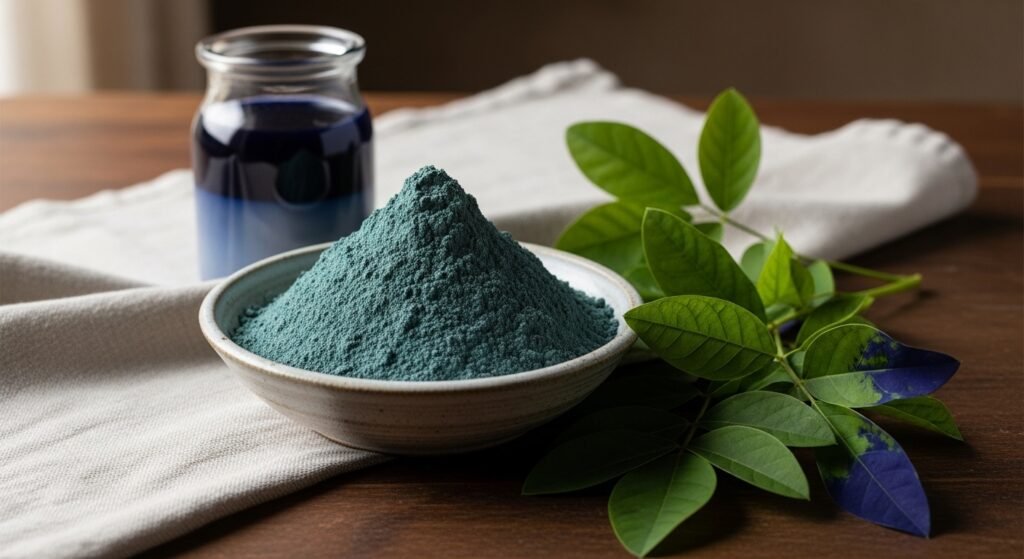
Coloration indigo is a game-changer for anyone who wants to ditch harsh chemicals. This natural dye comes from the leaves of the Indigofera tinctoria plant. People have used it for thousands of years to color both clothes and hair. It is the perfect choice if you want a deep, rich look without the damage.
Quick Info Table: Coloration Indigo at a Glance
| Feature | Details |
| Botanical Name | Indigofera tinctoria |
| Common Names | True Indigo, Blue Gold |
| Primary Pigment | Indigotin |
| Main Uses | Hair Dye, Textiles, Medicine |
| Best Pair | Henna (Lawsonia inermis) |
What Is Coloration Indigo?
Coloration indigo is an organic pigment that comes from a green leafy shrub. Unlike the stuff you find in a box at the store, this is 100% plant-based. It does not have any of those scary toxins like ammonia or peroxide. It is basically a gift from nature for your style.
The process starts by harvesting the leaves of the plant. These leaves go through a special fermentation process to release the color. After that, they are dried and ground into a very fine powder. This powder is what you use to create beautiful shades on your hair or fabric.
The History Behind Coloration Indigo
Indigo is one of the oldest dyes in human history. Archeologists found indigo-dyed fabric in ancient Egyptian tombs. It was also a huge deal in the Indus Valley Civilization thousands of years ago. People back then knew it was something special.
During the colonial era, indigo was often called Blue Gold. It was so valuable that it was used like money in global trade. Everyone wanted a piece of that deep blue magic. However, things changed when synthetic dyes were invented in the late 1800s.
Cultural and Symbolic Meaning of Indigo
In many cultures, indigo represents deep wisdom and intuition. Some spiritual traditions link it to the Third Eye chakra. It is a color that helps you look inward and stay calm. It is much more than just a pretty face in the color world.
In places like West Africa and Japan, indigo was a sign of high status. Only royalty or wealthy people could afford the most intricate designs. Master dyers spent years learning how to get the perfect shade. This history gives the dye a soul that synthetic colors just do not have.
Coloration Indigo in Textiles

If you own a pair of blue jeans, you know indigo. It is the soul of the entire denim industry. What makes it cool is that it does not soak into the center of the threads. It just sits on the surface and stays there.
This surface bonding is why your jeans get those cool fade marks. As you wear them, the dye slowly rubs off to show the white core of the fabric. This creates a unique look that belongs only to you. It is like the fabric grows up and gets better with age.
How Coloration Indigo Works Chemically (Simple Explanation)

The leaves of the plant contain a hidden secret called indican. Indican is actually colorless until you start the process. You have to ferment the leaves to break them down. This releases the potential for the beautiful blue we love.
The real magic happens during oxidation. When the paste hits the air, it reacts with oxygen. This turns the green mixture into a permanent blue pigment. Scientists use the formula $C_{16}H_{10}N_{2}O_{2}$ to describe this stable blue pigment.
Coloration Indigo for Natural Hair Coloring
Many people are turning to coloration indigo for their hair because it is safe. If you have an allergy to PPD, this is your best friend. It gives you amazing color without the itchy scalp or redness. It is a total win-win for your beauty routine.
For the best results, you usually do a two-step process. First, you apply henna to give the hair a base. Then you apply the indigo to get those dark, moody colors. It also makes your hair feel thicker and stronger than before.
Shades We Can Achieve with Coloration Indigo

You are not stuck with just one color when using this plant. You can play around with different mixes to get the look you want. It is like being a scientist in your own bathroom. Here are some popular options:
- Warm Browns are made by mixing a little indigo with a lot of henna.
- Rich Mahogany happens when you balance both powders equally.
- Raven Black is achieved by doing the full two-step henna and indigo method.
- Neutralizing Tones can help you get rid of brassy orange colors in your hair.
Coloration Indigo vs. Synthetic Dyes
| Feature | Coloration Indigo | Synthetic Dyes |
| Chemicals | 100% Organic | Ammonia, PPD |
| Hair Health | Strengthens | Can cause brittleness |
| Scalp Impact | Soothing | Often causes irritation |
Benefits of Using Coloration Indigo
Natural and Plant-Based
This product is 100% vegan and cruelty-free. You never have to worry about metallic salts or weird additives. It is just pure plant power from start to finish. Your hair will definitely thank you for the break.
Long-Lasting Color
Indigo has a superior ability to stick to your hair proteins. It does not just wash out after a week like some cheap dyes. The color actually builds up over time with each use. This means your hair looks better the more you use it.
Hair-Friendly Properties
Indigo helps close the hair cuticle. This makes your hair reflect more light, giving it a crazy shine. It also helps keep your scalp healthy by fighting dandruff. It is basically a beauty treatment and a dye in one.
Eco-Conscious Choice
Using this dye is great for the planet. It is biodegradable, so it does not poison the water. It also supports farmers who grow sustainable crops in tropical areas. You can look good and feel good about your choice.
Common Myths About Coloration Indigo
Indigo Always Turns Hair Blue
This is a big myth that scares people away. It only looks blue if you put it on white or very blonde hair. On dark hair, it just makes the color deeper and richer. If you use henna first, you get beautiful blacks and browns.
Indigo Is Unsafe
Some people confuse pure indigo with toxic “Black Henna”. Pure indigo is totally safe and natural. Always check the label to make sure there are no added chemicals. Doing a patch test is always a smart move.
Indigo Is Hard to Use
It might seem scary, but it is actually pretty simple. You just need to learn the right water temperature and timing. Modern powders are very fine, so they mix easily into a paste. Once you try it, you will be a pro in no time.
Preparation and Application Best Practices

Getting the right mix is the key to success. Use warm water, but never boiling water, to mix your powder. Freshness is also super important for the best color release. You want the paste to be smooth like yogurt.
- The Mixing Ritual involves letting the paste sit for a short time before use.
- Application Tools like gloves and old towels are a must to avoid blue stains.
- The Wait Time can vary from one to three hours, depending on your goal.
Caring for Hair After Using Coloration Indigo
The color needs time to settle in. Do not wash your hair with shampoo for at least 48 hours. This lets the oxidation process finish its job completely. Your color will get darker and better during this time.
You should also use sulfate-free products to keep the color bright. Natural oils can help keep your hair hydrated and soft. Try to stay out of the sun for long periods to prevent fading. Good care makes your coloration indigo last much longer.
Why Coloration Indigo Is Still Relevant Today
The clean beauty movement is bigger than ever. People want to know exactly what is in their products. Indigo fits perfectly into a chemical-free lifestyle. It is a classic that never goes out of style.
Sustainable fashion is also bringing indigo back to the spotlight. High-end designers are using natural dyes to dye their clothes. It helps the environment and supports biodiversity in the soil. It is a win for the Earth and a win for your wardrobe.
Final Thoughts on Coloration Indigo
Indigo is a bridge between the past and the future. It offers a way to be beautiful without compromising your health. Whether for hair or clothes, it is a powerful tool for self-expression. Take the leap and try this ancient wonder for yourself.
Frequently Asked Questions About Coloration Indigo
Can I use coloration indigo if I have a PPD allergy?
Yes, pure indigo is an excellent alternative for people who are allergic to Para-phenylenediamine. PPD is a harsh chemical found in almost all commercial dark hair dyes. Because indigo is a 100% plant-based powder, it does not contain the synthetic triggers that cause scalp blistering or swelling. Always double-check that your product is “Certified Organic” to ensure no chemicals were added.
Does indigo powder expire or lose its potency?
Indigo powder is more sensitive than henna and can lose its dyeing power if it is not stored correctly. It typically has a shelf life of about one to two years if kept in a cool, dark place. Once the powder is mixed with water, it must be used immediately. Unlike henna, you cannot freeze indigo paste and use it later because the dye molecules transition too quickly.
Will indigo make my hair feel dry after application?
Some users notice a slight “straw-like” feeling immediately after rinsing out the paste. This happens because indigo has an alkaline nature and a high mineral content that can temporarily coat the hair. This is not permanent damage. Usually, a simple oil treatment or a deep conditioner a few days after the application will make the hair softer than it was before.
Is it safe to use indigo on bleached or highlighted hair?
You should be very careful when applying pure indigo directly to bleached hair. Because bleached hair is porous and light, the blue pigment can soak in and leave you with a minty green or sky blue tint. To avoid this, you must apply a base layer of henna first to “fill” the hair with red tones before applying the indigo.
How do I get the indigo smell out of my hair?
Indigo has a very distinct scent that reminds many people of frozen peas or freshly cut grass. If you find the earthy smell too strong, you can add a teaspoon of ginger powder or vanilla bean powder to your mix. Washing your hair with a fragrant, sulfate-free conditioner 48 hours after the treatment also helps neutralize the scent.
Can I swim in a chlorinated pool after using indigo?
It is best to wait at least a week after dyeing your hair with indigo before jumping into a pool. Chlorine is a bleaching agent that can cause the indigo to oxidize prematurely. In some cases, the chemical reaction between chlorine and indigo can result in a subtle green cast on the hair. Always wear a swim cap or soak your hair in fresh water first.
Does coloration indigo work on all hair types?
Indigo is effective on all hair textures, from straight to coily 4C hair. In fact, many people with curly hair prefer it because it doesn’t disrupt the natural curl pattern like chemical relaxers or dyes often do. It provides a weight that can help reduce frizz and define the hair’s natural shape.
What happens if I try to bleach my hair after using indigo?
This is one of the most important things to know. You should never try to lightened or bleach hair that has been treated with indigo. Bleach often fails to lift the indigo pigment and instead turns the hair a permanent shade of green. If you plan on going blonde soon, avoid using indigo.
Can I mix indigo with coffee instead of water?
Some people use cooled black coffee to mix their indigo paste. The theory is that the acidity and dark color of the coffee help deepen the brown tones. While this can work, water is usually sufficient. If you use coffee, make sure it is completely cool, as boiling liquid can “scald” the powder and ruin the dye.
Why did my indigo wash out after only one shampoo?
This usually happens if the hair had too much oil or silicone buildup before the application. Indigo needs a very clean surface to latch onto. If you used a heavy conditioner or a serum before dyeing, the pigment couldn’t reach the hair shaft. Always wash with a clarifying shampoo and skip the conditioner before you apply the paste.
Is indigo safe to use during pregnancy?
Most doctors agree that pure, plant-based dyes like indigo and henna are much safer than chemical dyes during pregnancy. Since there are no fumes or toxic chemicals being absorbed through the skin, it is a popular choice for expecting mothers. However, you should always consult your healthcare provider before starting any new beauty routine.
Can I use indigo to dye my eyebrows?
While some people do this, you must be extremely careful. The skin around the eyes is very sensitive, and the paste can be messy. If you decide to try it, use a very thick consistency so it doesn’t drip into your eyes. Leave it on for a shorter time than you would on your scalp to test the color.
Does indigo provide UV protection for the hair?
Natural indigo creates a physical barrier around the hair shaft. This coating provides a small amount of protection against environmental stressors, including the sun’s UV rays. While it isn’t a replacement for a sun hat, it does help prevent the “sun-bleached” look that often happens to dark hair in the summer.
Can I add salt to my indigo mix?
Yes, adding a pinch of salt to the indigo paste is a common trick. It is believed that the salt helps the indigo dye release faster and stick more effectively to the hair fibers. You only need about one teaspoon for every 100 grams of powder.
Will indigo stain my skin permanently?
Indigo will stain your skin, but it is not permanent. Unlike chemical dyes that can be very stubborn, indigo stains on the forehead or ears usually fade within a day or two with regular washing. You can prevent stains by applying a thin layer of coconut oil or petroleum jelly around your hairline before you start.
Is there a difference between Indian and Pakistani indigo?
Both regions produce high-quality indigo. The main difference usually comes down to the “sift.” High-quality indigo is triple-sifted, meaning it is a very fine powder that doesn’t have twigs or sand in it. This makes it much easier to wash out of your hair once the process is finished.
Does indigo help with hair growth?
Indigo is known in Ayurvedic medicine for its cooling properties. By keeping the scalp healthy and free from fungal infections, it creates a better environment for hair follicles to thrive. While it isn’t a “miracle growth” cure, many people report less shedding and stronger strands after regular use.
Can I use indigo on my beard?
Indigo is very popular for beard grooming. Since beard hair is often coarser and more resistant to dye than scalp hair, you might need to leave it on a bit longer. It is a great way to cover “salt and pepper” whiskers without using harsh facial dyes that can cause chemical burns.
Why did my indigo paste turn purple?
If you see a purple or blue “film” on top of your mixing bowl, celebrate! This is called the “indigo bloom.” It is a sign that the dye is oxidizing and is ready to be applied. It means the powder is fresh and the pigment is active.
Can I use indigo if I have a sensitive scalp or psoriasis?
Pure indigo is generally very soothing. However, if you have active sores or a psoriasis flare-up, you should wait until the skin has healed. Even though it is natural, the process of leaving a wet paste on the scalp for several hours could cause some mild discomfort to broken skin.