 Skip to content
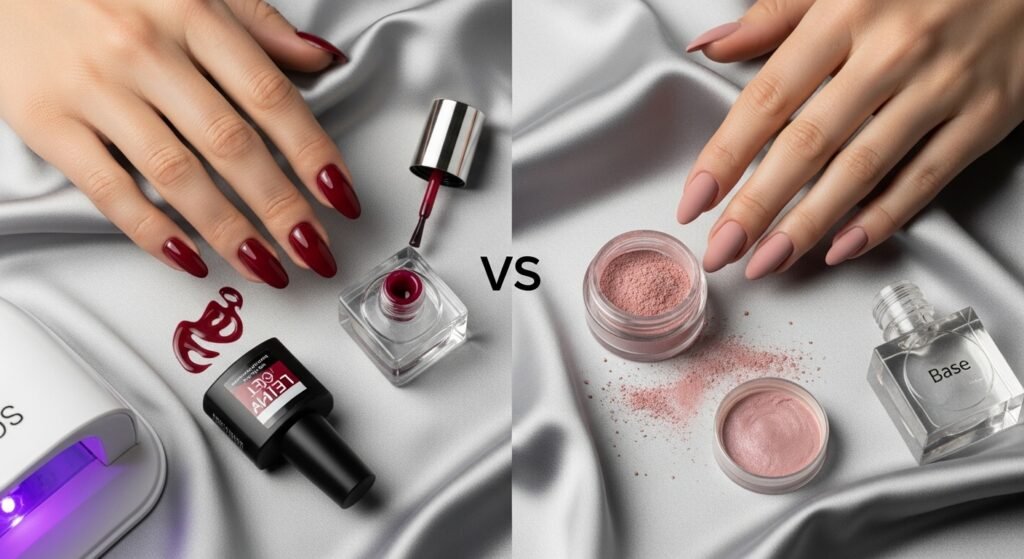
Modern nail care has changed a lot lately. Many people now choose between dip vs gel instead of old acrylics. These two systems are very popular in salons today. This guide will help you understand the best choice for your lifestyle. We will look at how they work and how long they last.
Introduction to Modern Nail Enhancements
Professional manicures have come a long way over the years. In the past, most people only had basic polish or thick acrylics. Now, technology gives us better options that look natural. The debate between dip vs gel is a hot topic for nail lovers. Both options offer a great way to keep your hands looking fresh.
The shift toward these systems happened because people wanted faster results. Traditional acrylics often have a strong smell that people dislike. Gel and dip powder offer a more pleasant experience in the salon. They also tend to be lighter on your natural nails. Understanding these differences is the first step to a great manicure.
Understanding the Systems: How They Work
What are Gel Manicures?

Gel manicures use a special kind of liquid polish. This polish does not dry in the air like regular paint. It needs a UV or LED lamp to become hard. This process is known as curing the product. The light hits the gel and turns it into a solid layer.
There are two main types of gel used in salons today. Soft gels are the most common for standard manicures. Hard gel enhancements are used for adding length or extra strength. Most people choose soft gel because it is easier to remove later. It provides a flexible finish that moves with your nail.
What are Dip Powder (SNS) Manicures?
Dip powder is often called a hybrid system. It uses a mix of acrylic powder and a medical-grade resin. To apply it, the nail technician uses a bonding agent. Then, they dip your finger into a jar of colored powder. This creates a very strong layer on top of the nail.
A special liquid called an activator is used to harden the powder. This means you do not need a UV lamp for this system. Many people like this because it feels more like a traditional process. It results in a very durable finish that resists cracks. It is perfect for those who want a tough manicure.
Detailed Comparison of Pros and Cons
The Benefits and Drawbacks of Gel
Gel is a favorite for many because of its natural look. It is very thin and feels just like regular polish. However, it does have some downsides you should know.
- Flexibility allows the nail to bend without breaking easily.
- High-gloss shine stays bright for the entire time you wear it.
- Quick removal is possible with a short acetone soak.
- UV exposure is a concern for some who worry about skin health.
- A shorter lifespan means you visit the salon more often.
The Benefits and Drawbacks of Dip Powder
Dip powder is known for being incredibly strong. It is the go-to choice for people who work with their hands. It also has unique pros and cons to consider.
- Exceptional durability makes it much harder to chip than gel.
- No UV light is required, which saves your skin from radiation.
- Nail strength is improved by the thick protective layer.
- A thicker texture can sometimes look a bit bulky if applied poorly.
- Longer removal requires more time and patience at the salon.
The Application Process: Step-by-Step
The Gel Manicure Procedure
Getting a gel manicure is a very relaxing process. It starts with cleaning the nails and pushing back cuticles. The tech will then dehydrate the nail surface.
- A base coat is applied and cured under the lamp.
- Two or three layers of color are added and cured individually.
- A protective top coat is applied to seal the color.
- The final cure makes the nails completely dry instantly.
- A cleanser removes any sticky residue left on the surface.
The Dip Powder Procedure

The dip process is quite different and involves more steps. It begins with the same basic nail preparation. The tech ensures the nail is dry and clean first.
- A clear resin base is painted onto the nail.
- The finger is dipped into the powder at a 45-degree angle.
- Excess powder is brushed away gently.
- An activator liquid is applied to cure the layers.
- The tech files and buffs the nail to make it smooth.
- A special top coat provides the final shine.
Durability, Longevity, and Wear

How Long Do Gel Nails Last?
In the battle of dip vs gel, gel is the shorter-term option. Most gel manicures last between two and three weeks. After this time, you might see some lifting at the edges. The polish may also start to lose its bond with the nail. This depends on how fast your natural nails grow.
How Long Does Dip Powder Last?
Dip powder is the clear winner for longevity. It usually stays perfect for three to four weeks. Some people even wear it longer without any chips. The chemical bond is much stronger than gel polish. This makes it a great choice for busy people who hate salon visits.
Factors Affecting Manicure Life
Not everyone gets the same results from their nails. Your body and your habits play a big role.
- Natural nail oil can cause the product to lift sooner than expected.
- Hand-intensive lifestyles like typing or cleaning can wear down the edges.
- Water exposure from swimming or dishes can soften the bond.
- Using nails as tools to open cans will always cause damage.
Health, Safety, and Nail Integrity
UV and LED Radiation Concerns

Gel manicures require a lamp to work properly. Some people worry about the UV rays hitting their skin. While the exposure is low, it adds up over time. You can wear fingerless gloves to protect your hands. Dip powder completely avoids this issue since it air-dries.
Sanitation and Hygiene Practices
Sanitation is very important when getting dip nails. Some salons have everyone dip into the same jar. This can spread germs or bacteria between clients. Better salons will pour the powder over your finger instead. Always check how your nail tech handles the product.
Impact on Natural Nail Health
Both systems can be safe if done correctly. Damage usually happens during the removal process.
- Nail bed thinning occurs if a tech files too deeply.
- Dehydration happens when nails are soaked in acetone for too long.
- Brittle nails can result from wearing enhancements without breaks.
- Infections are possible if moisture gets trapped under a lifted nail.
The Removal Process: Protecting Your Natural Nails
Removing Gel Polish
Removing gel is fairly straightforward but requires patience. You should never peel the gel off your nails. This will rip away the top layer of your natural nail.
- The top layer of shine is filed away.
- Cotton balls soaked in acetone are placed on the nails.
- Foil wraps hold the cotton in place for 10-15 minutes.
- The softened gel is gently pushed off with a tool.
Removing Dip Powder

Dip powder is much harder to remove because it is so strong. It requires a longer soak in acetone to break it down.
- The thick surface is filed down significantly with a coarse file.
- Nails are soaked in warm acetone for 20-30 minutes.
- The powder turns into a gooey texture before coming off.
- Buffing ensures all resin is gone from the nail plate.
Aesthetic and Style Comparison
Texture and Feel
Gel feels very light and natural on the hands. It is basically a thicker version of regular polish. Many people forget they are even wearing it. Dip powder feels more like an enhancement. It adds a bit of weight and thickness to the nail. This can feel very secure for people with thin nails.
Finish and Shine
Both options look beautiful, but the shine is different. Gel has a very wet, glassy look that stays forever. Dip powder can also be very shiny. However, it also comes in matte finishes more easily. Some people find that dip looks a bit more solid and saturated.
Versatility and Nail Art
If you love nail art, gel is usually the better pick. It stays liquid until you cure it in the lamp. This gives the artist time to paint detailed designs. Dip powder hardens quickly, making complex art more difficult. You can, however, use gel polish on top of dip for the best of both worlds.
In-Depth Analysis: Chemical Composition
The Science of Gel Polymers
Gel is made of special molecules called oligomers. These stay in a liquid state until they see UV light. When the light hits them, photo-initiators start a reaction. This creates a flexible network of polymers. This is why gel can bend without cracking instantly.
The Science of Dip Cyanoacrylates
Dip powder uses a glue-like substance called cyanoacrylate. This resin is very similar to what is used in medical stitches. When the activator hits the resin and powder, it polymerizes. It creates a very rigid and hard structure. This science is what makes dip so much tougher than gel.
Cost and Value Analysis
Salon Pricing Comparison
In most cities, dip powder costs more than gel. You can expect to pay about $5 to $10 extra for dip. This is because the materials are more expensive. The process also takes a bit more time for the technician.
| Manicure Type | Average Price | Typical Lifespan |
| Gel Manicure | $35 – $50 | 2 – 3 Weeks |
| Dip Powder | $45 – $60 | 3 – 4 Weeks |
Long-term Financial Investment
Even though dip costs more, it might save you money. Since it lasts longer, you go to the salon less often. If gel lasts 2 weeks and dip lasts 4, you save a whole appointment fee. You also save time by not sitting in the chair as much. For many, dip is the better value over a full year.
Lifestyle Compatibility: Which Fits Your Routine?

The “Office Professional” vs. The “Manual Laborer”
Your job should influence your choice of dip vs gel. If you type on a computer all day, gel is great. It is flexible and won’t feel heavy while you work. If you do a lot of lifting or cleaning, choose a dip. The hard shell will protect your nails from constant impact.
Travel and Special Occasions
Going on a long trip? Dip powder is your best friend. It won’t chip while you are exploring a new city. For a weekend wedding, gel might be better. It looks very natural in photos and is easy to change later. Consider how long you need the look to stay perfect.
Troubleshooting Common Issues
Why is my Gel peeling after 3 days?
Peeling gel is a very common frustration. It usually happens because the nail wasn’t clean enough. If any oil is left on the nail, the gel won’t stick. It can also happen if the tech “floods” the cuticle. This means the polish touched the skin and created a gap.
Why is my Dip Powder cracking?
Cracking in dip powder is usually a sign of a bad mix. If the layers are too thin, they won’t be strong enough. If there is too much activator, the nail can become brittle. It is all about finding the right balance of resin and powder. A skilled technician will know how to prevent this.
Making the Final Choice: Finding Your Match
Choose Gel Manicures If:
- Natural look is your top priority for your hands.
- Frequent changes are something you enjoy for your style.
- Detailed art is a big part of your personal look.
- Fast appointments are necessary for your busy schedule.
Choose Dip Powder If:
- Weak nails need extra help and protection to grow.
- Active jobs put a lot of stress on your hands daily.
- UV avoidance is important for your skin health concerns.
- Max longevity is what you want from every salon visit.
Maintenance and Aftercare Tips

To make your manicure last, you must take care of it. Use cuticle oil every single day to keep nails hydrated. This prevents the product from becoming dry and lifting. Never use your nails to pry things open or scrape labels. Wear gloves when using harsh cleaning chemicals at home.
If you see a small lift, don’t pull it! This is how you cause real damage to your nail bed. Go back to the salon for a quick fix instead. Regular maintenance will keep your natural nails healthy underneath. Good aftercare makes a huge difference in how your hands look.
Conclusion
Deciding between dip vs gel depends on your personal needs. Both options offer a beautiful, long-lasting finish. Gel is fantastic for those who want a flexible, natural feel. Dip is the champion of strength and staying power. Talk to your nail technician about your daily routine. They can help you pick the system that will keep you happy.
Frequently Asked Questions
Can I apply gel polish over a dip powder manicure?
Yes, you can apply gel polish over dip powder. Many professionals use this technique to get the strength of dip with the precision of gel nail art. You simply finish the dip process, buff the surface to make it smooth, and then apply your gel color and top coat as usual.
Is dip powder better for nail biters than gel?
Dip powder is generally better for nail biters because it is much harder and thicker. The rigid shell makes it difficult to bite through the material, which can help your natural nails grow underneath. Gel is often too flexible and easy to peel off for someone with a biting habit.
Can I fill in dip powder nails like I do with acrylics?
While some salons offer dip fills, most experts recommend a full soak-off and new set. Because dip powder involves dipping the finger into a jar, doing a fill can lead to uneven layers or trapped bacteria. A fresh set ensures the nail plate stays healthy and the product remains balanced.
Do I need to take “breathing breaks” between manicures?
Nails do not actually breathe since they get nutrients from the blood flow, not the air. However, taking a break every few months is a good idea. It allows you to check for any signs of fungus, dehydration, or thinning that might be hidden under the product.
Will swimming in a pool ruin my gel or dip manicure?
Chlorine can occasionally cause gel to lift or dip powder to become slightly brittle over long periods. To protect your manicure, rinse your hands with fresh water after swimming. Applying a bit of cuticle oil before and after the pool also helps create a water-resistant barrier.
Can I use a regular top coat on top of dip powder?
You can use a regular air-dry top coat, but it will not be as durable as the professional sealant. If you use a regular top coat, the finish might dull or chip faster than the rest of the manicure. It is best to use the specific sealer that comes with the dip system.
Why do my cuticles feel itchy or red after a dip manicure?
This is often called “dip flu” or a sensitivity to cyanoacrylate, which is the main ingredient in dip resin. If you experience redness or itching, you might be allergic to the adhesive. Switching to gel, which uses different chemicals, usually solves this problem.
Does cold weather affect how long my manicure lasts?
Extreme cold can make both gel and dip powder more prone to cracking. Cold weather dries out your natural nails, causing them to shrink slightly and pull away from the product. Keeping your hands warm and moisturized during winter is key to preventing lifting.
Can I shorten my nails at home if they get too long?
You can file them down, but you must be careful. Filing the tips breaks the “seal” of the manicure, which can lead to lifting or chipping at the edges. If you must file them, always use a fine-grit file and move in one direction rather than sawing back and forth.
Is it safe to get these manicures during pregnancy?
Most doctors say it is safe, but it is important to be in a well-ventilated salon. Dip powder can produce fine dust, and gel involves UV light. If you are concerned about chemicals, dip powder might be a better choice as it avoids the strong fumes associated with liquid monomers.
Why does my gel polish look “bubbly” after curing?
Bubbles usually happen if the polish was applied too thick or if the bottle was shaken before use. Shaking creates air pockets that get trapped under the lamp. It can also happen if the nails were not properly cleaned of oils before the base coat was applied.
Can I use an LED lamp for dip powder to make it dry faster?
No, dip powder is a light-free system. It relies on a chemical reaction between the resin and the activator liquid to harden. Putting dip nails under a lamp will not speed up the process and could potentially interfere with the curing of the sealer.
How do I know if a salon is using safe dip powder practices?
Look for technicians who pour the powder over your nail or use individual small cups for each client. You should never see your finger go into the same jar that was used for the person before you. This prevents the spread of nail fungus and skin infections.
Does the color of the dip powder affect how long it lasts?
Generally, the color does not change the durability. However, very dark pigments or glitters can sometimes take longer to saturate with the resin. If the powder is not fully soaked with the base liquid, it may be more prone to cracking or “spotting.”
Can I do a dip or gel manicure if I have a fungal infection?
No, you should never apply any enhancement over a fungal infection. Covering a fungus traps moisture and darkness, which makes the infection grow much faster. You should wait until the nail is completely clear and healthy before getting a manicure.
What is the difference between “SNS” and dip powder?
SNS is simply a brand name for a dip powder system. It stands for Signature Nail Systems. It became so popular that many people use the name “SNS” to refer to all dip powders, similar to how people use “Kleenex” to refer to all tissues.
Why did my gel nails turn yellow after a few days?
Yellowing is usually caused by external factors like smoking, tanning beds, or certain cleaning chemicals. Some low-quality top coats can also turn yellow when exposed to heavy sunlight. Using a high-quality, UV-resistant top coat will prevent this change.
Can I mix different brands of gel or dip powder?
It is not recommended. Each brand formulates its liquids and powders to work specifically together. Mixing a base coat from one brand with a color from another can lead to improper curing, which causes the manicure to pop off or stay sticky.
Is dip powder the same as “acrylic nails”?
They use similar polymer powders, but the bonding process is different. Traditional acrylics use a liquid monomer that smells strong and hardens as it air-dries. Dip uses a resin adhesive. Dip is generally thinner and more flexible than traditional sculpted acrylics.
How can I tell if my gel polish is “HEMA-free”?
You will need to check the ingredient label on the bottle. HEMA is a common ingredient that causes skin irritation for some people. Many modern gel brands are moving toward HEMA-free formulas to make their products safer for sensitive clients.