 Skip to content
Finding fuzzy spots on your favorite shirt is a total bummer. Mold and mildew love to crash the party in your closet. You might think your clothes are ruined forever. That is not true at all. You can learn how to get mold out of clothes with a little work. This guide shows you the best ways to kill fungi fast. We will cover everything from natural fixes to heavy-duty cleaners. Get ready to kick that rank odor to the curb for good.
Understanding the Risks and Signs of Mold on Fabric
Mold is more than just an ugly stain on your gear. It is a living fungus that eats organic fibers. It grows fast when things get damp and dark. You need to act quickly to stop the infestation. If you wait too long, the spores will eat through the fabric. This can cause permanent holes in your favorite threads.
The dangers of mold spores
Mold spores are tiny and travel through the air easily. They can land on other items in your laundry room. This spreads the contamination to your entire wardrobe. Microbial growth happens fast in humid spots. It can turn a small spot into a massive bio-hazard. You must contain the mess before it takes over your home.
Health and safety first
Cleaning mold can be a bit risky for your health. Spores can cause respiratory issues or asthma flare-ups. Some people get a skin rash from touching fungi. You should always wear an N-95 mask when scrubbing. This keeps the irritants out of your lungs. Wear protective gloves to keep your skin safe from allergens.
Identifying the problem
You need to know what you are dealing with first. Mildew usually looks like a flat, powdery gray or white spot. Mold is often fuzzy and can be green, black, or red. Both produce a very strong musty smell. This rank odor is a huge red flag. If your clothes smell like a damp basement, you have a problem.
Essential Supplies for Mold Removal
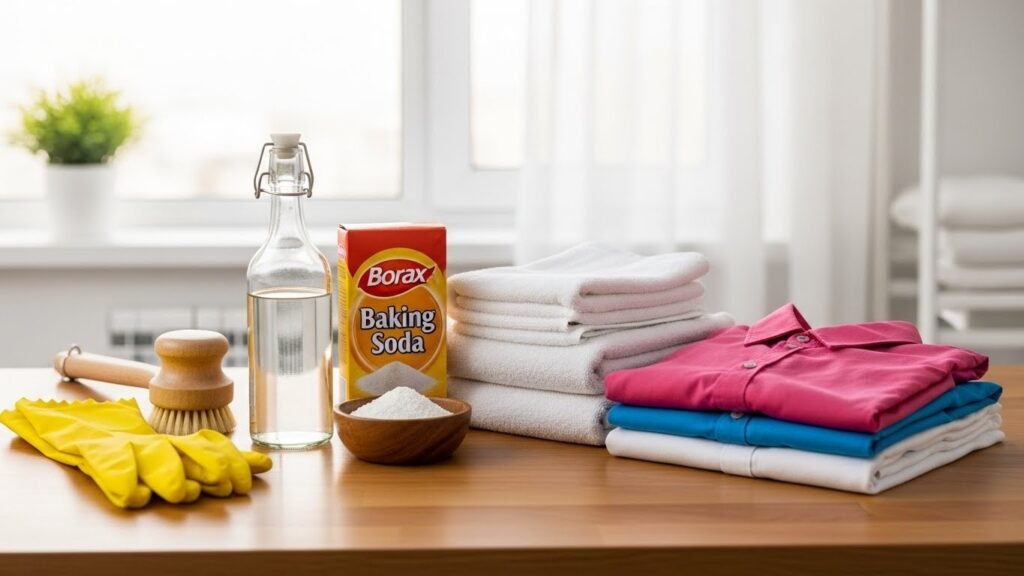
You do not need fancy gear to fix this mess. Most items are already in your kitchen or laundry room. Having the right tools makes the job way easier. It ensures you sanitize the fabric without ruining the fiber integrity.
Natural cleaning agents
White vinegar is a total rockstar for killing fungi. It is acidic enough to destroy mold at the root. Distilled vinegar is cheap and safe for most fabrics. Baking soda is another great tool to have on hand. It helps to deodorize the fabric and lift deep stains. These natural items are safe for your family and the planet.
Heavy-duty cleaners
Sometimes natural fixes need a little extra help. Borax is a classic cleaner that works wonders on mold. It is a natural mineral that stops microbial growth. Oxygen-based bleach is also very effective for white or light items. It kills bacteria and fungi without the harshness of chlorine. These are great for a deep clean on tough infestations.
Tools for the job
- Soft-bristled brush: This helps you scrub away spores gently.
- Old toothbrush: Perfect for getting into small seams and corners.
- Industrial bucket: You need a spot to let your clothes soak.
- Enzyme-based detergent: These laundry pods break down organic stains.
- Mild detergent: Use this for your more delicate items.
Safety Gear
- N-95 mask: This stops you from breathing in harmful spores.
- Protective gloves: These keep your hands dry and safe from irritants.
- Eye protection: This is smart if you are scrubbing a lot of mold.
Critical Considerations Before You Begin
Do not just jump into the wash cycle yet. You need a game plan to save your clothes. Rushing can lead to ruined silk or shrunk cotton. Take a minute to check these vital steps first.
Reading care labels
The care label is the boss of your garment. It tells you the max water temperature allowed. It also warns you about using certain chemicals. Following these rules protects the fiber integrity. If the label says cold water, do not use boiling water. You want to kill the mold, not melt your polyester.
The “Dry Clean Only” rule
Some fabrics are just too fragile for home cleaning. If the tag says “dry clean only,” listen to it. Putting silk or delicate wool in a bucket is risky. Place these items in a sealed bag immediately. Take them to a pro who knows how to handle fungi. They have the right tools to disinfect high-end gear.
The “Vinegar and Bleach” warning
This is a life-saving safety tip for everyone. Never ever mix white vinegar with chlorine bleach. This combo creates toxic chlorine gas that is lethal. It can cause severe damage to your lungs and eyes. Only use one cleaning agent at a time. If you used vinegar, rinse the item totally before trying bleach.
Containment
Mold is a sneaky hitchhiker that loves to travel. Check the clothes that were sitting near the moldy item. Spores can jump from one shirt to another very easily. Inspect your hampers and laundry baskets for any signs of growth. Clean these areas with a disinfectant to stop the cycle. Keeping the mess contained is key to a clean home.
Initial Preparation and Decontamination
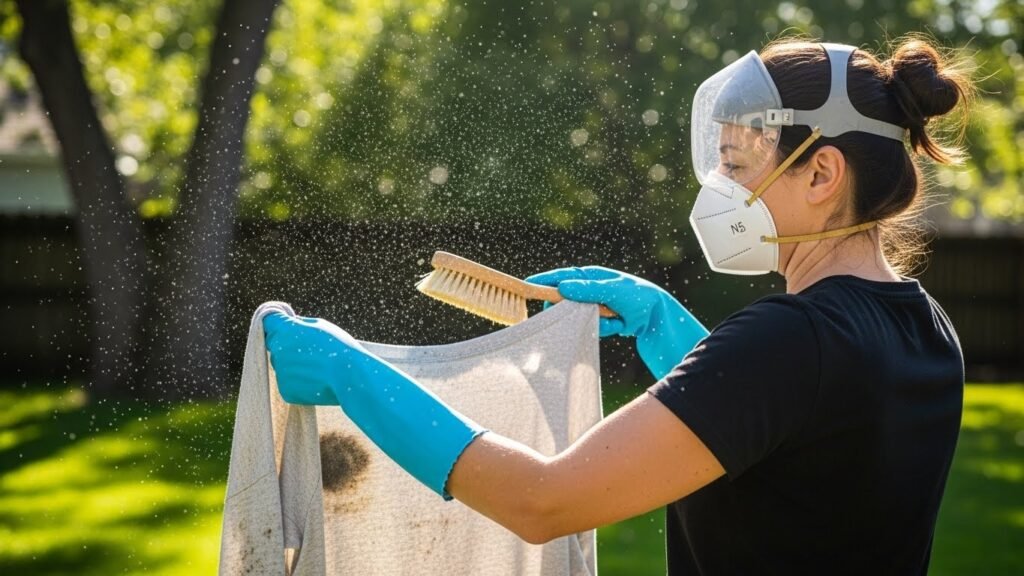
The first step in how to get mold out of clothes is removal. You want to get the loose stuff off the fabric. This prevents the fungi from digging deeper during the wash. Doing this right makes the rest of the steps work better.
Brushing and Removing Loose Mold Spores
- Heading outdoors: Always take your moldy gear outside first.
- Fresh air: Working in the sun helps kill spores while you work.
- Safety check: Put on your mask and gloves before you start.
- Gentle brushing: Use a soft brush to flick away the fuzzy growth.
- No pressure: Do not push the mold into the fabric fibers.
Protecting the air quality
Brushing mold inside your house is a huge mistake. It releases millions of spores into your living room air. These spores land on carpets, furniture, and your lungs. Taking the job outside keeps your indoor air clean and safe. This is the best way to prevent a bigger home infestation.
Pre-Treatment Strategies for Tough Stains
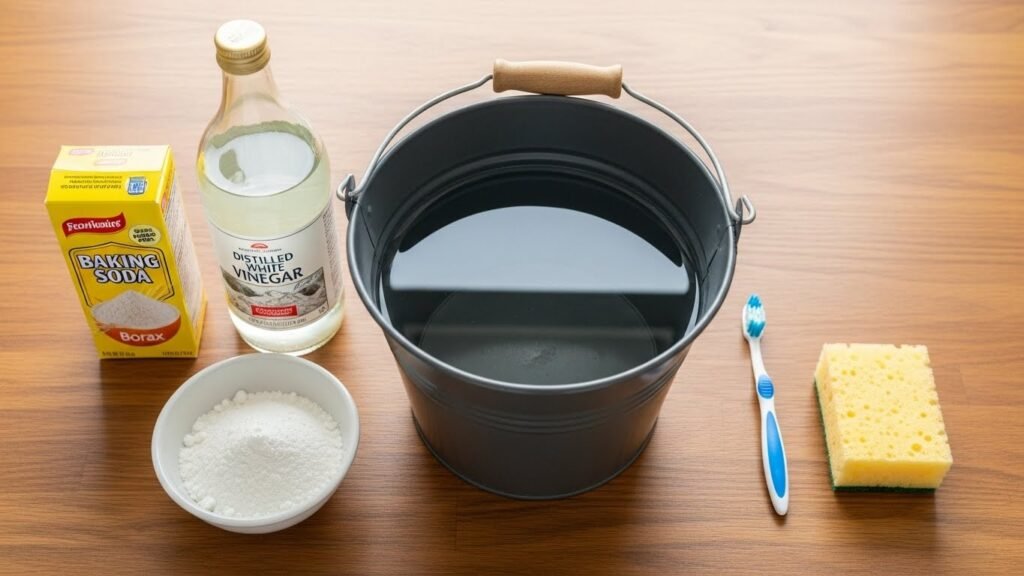
Sometimes a simple brush-off is not enough for mold. You need to pre-treat the area to kill the mycelium. This is the root system of the fungus. Pre-treating ensures the stain actually disappears in the wash.
The Soaking Process
- Vinegar Soak: Fill a bucket with warm water and one cup of vinegar.
- Submerge: Push the clothes down so they are fully covered.
- Wait time: Let the items sit for at least sixty minutes.
- Borax Solution: Mix half a cup of Borax into hot water.
- Oxygen-Bleach method: This is great for white cotton or linen.
Targeted Scrubbing
- Baking Soda paste: Mix baking soda with a tiny bit of water.
- Apply directly: Smear the paste over the dark mold stains.
- Gentle circles: Use a toothbrush to rub the paste into the fabric.
- Lifting the stain: This helps break the bond between mold and fiber.
- Rinse: Wash away the paste before putting the item in the machine.
Effective Washing Techniques
Now it is time for the main event in the machine. A good wash cycle is your best weapon against fungi. You need to use the right settings to be successful. This ensures you sanitize the clothes and remove the rank odor.
Choosing the Right Cycle
The water temperature is very important for killing bacteria. Hot water is usually the best choice for moldy cotton. Check your care label to see the highest safe temp. Use an “Ultra Wash” or “Deep Clean” setting if you can. These cycles provide more gravity friction to scrub the fabric. Longer cycles give the cleaners more time to work their magic.
Enhancing the Wash
- Enzyme-based detergents: These use bio-enzymes to eat organic stains.
- White vinegar: Add one cup directly into the wash drum.
- Borax boost: Throw in half a cup of Borax with your detergent.
- Baking soda: This helps to deodorize the most stubborn smells.
- No fabric softener: Skip this as it can trap moisture in the fibers.
Drying and Sanitization
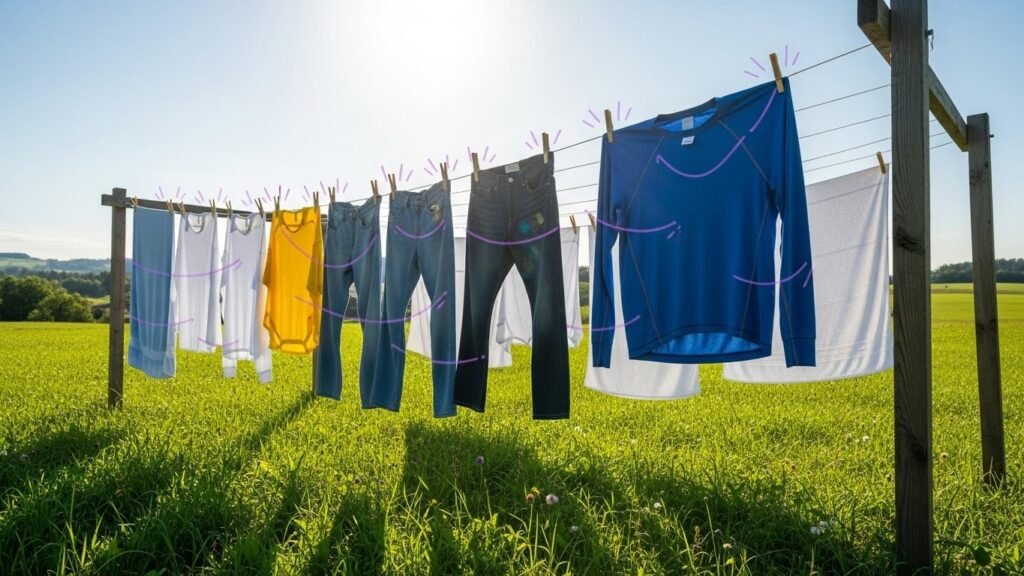
Drying is the final step in how to get mold out of clothes. You cannot leave any moisture behind or it will return. Proper drying is just as important as the washing part.
The Power of Direct Sunlight
Sunlight is a natural and free mold killer for everyone. UV rays are very effective at disinfecting damp fabric. Hang your clothes on a line in direct sunlight exposure. The fresh air also helps remove any lingering musty smell. This is the safest way to dry delicate linen or viscose.
Machine Drying Precautions
If you use a dryer, use the high heat setting. This acts as a final sanitizing step for your clothes. However, you must be sure the stain is gone first. High heat will set a mold stain permanently into the fabric. Check the item carefully before you toss it in the machine. Ensure the clothes are bone dry before you take them out.
Comprehensive Guide to Mold Removal Ratios and Machine Settings
To ensure you get the best results when learning how to get mold out of clothes, following exact measurements is key. The table below merges the specific ratios, soaking times, and machine settings found across expert sources.
Mold Treatment Reference Table
| Treatment Method | Recommended Ratio / Measurement | Best Use Case |
| Vinegar Soak | 1 cup white vinegar per bucket of hot water | Pre-treating set-in stains and killing spores |
| Borax Solution | 1/2 cup Borax dissolved in 1–2 cups hot water | Heavy-duty antifungal pre-treatment |
| Oxygen Bleach Spray | 1 part bleach to 3 parts water | Localized spotting on light-colored fabrics |
| Baking Soda Boost | 1/2 tablespoon added to the wash load | Neutralizing stubborn, musty odors |
| Vinegar Machine Add | 1–2 cups added directly to the wash cycle | Natural disinfection during a standard wash |
| Borax Machine Add | 1/2 cup (dissolved first) added to the drum | Stronger microbial cleaning for heavy loads |
Precision Cleaning and Machine Cycles
Using the right machine settings is just as important as the cleaning agents themselves. For the best results, follow these specific timing and temperature guidelines.
Optimized Washing Machine Settings
- Ultra Wash Cycle: Use a 30-minute high-intensity setting for standard mold removal.
- Deep Clean Cycle: Utilize a 44-minute extended setting for severe infestations.
- Water Temperature: Always use the hottest water setting permitted by the garment’s care label.
- Cycle Count: For persistent growth or heavy smells, run the item through 1 to 2 full cycles.
Specialized Drying Instructions
- Sunlight Exposure: Whenever possible, dry clothes in direct sunlight to utilize natural UV rays for disinfection.
- Delicate Drying: If outdoor drying isn’t an option for “hang dry only” items, use a low or no-heat dryer setting.
- Sweaty Gear Care: Hang damp workout clothes inside out to ensure the areas with the most moisture and bacteria dry first.
Preventative Maintenance Ratios
- Closet Care: Place moisture-absorbing products or silica gel packets in storage areas to keep humidity levels low.
- Laundry Habit: Never leave wet clothes in the machine; transfer them to the dryer or line immediately after the cycle ends.
Post-Treatment Evaluation
Once the clothes are dry, you need to check your work. Mold can be very sneaky and hide in the seams. Do not put the clothes away until you are sure.
The Visual and Scent Inspection
Look closely at the fabric under a bright light. Check for any dark flecks or weird discoloration. Then, give the garment a good sniff near the seams. If you still smell a rank odor, the mold is still there. Healthy clothes should smell fresh or like nothing at all.
When to repeat the process
Do not be discouraged if the first round didn’t work. Sometimes heavy infestations need two or three treatments. You might need to soak the item for a longer time. If the smell persists, try a different cleaning agent. If nothing works, it might be time for a professional cleaner.
Closet Inspection and Maintenance Checklist
Moisture and Humidity Control
- Check for leaks: Inspect the ceiling, walls, and floor for any signs of water intrusion or dampness.
- Monitor humidity levels: Use a dehumidifier if your storage area feels damp or has high humidity.
- Use moisture absorbers: Place silica gel packets or moisture-absorbing products in bins and on shelves.
- Avoid plastic storage: Do not store items in tightly sealed plastic containers for long periods, as they trap moisture.
- Check external walls: Ensure clothes are not pressed tightly against cold external walls where condensation can form.
Airflow and Ventilation
- Leave space between hangers: Avoid overstuffing your closet to ensure proper air circulation between garments.
- Keep doors open: Periodically leave closet doors open to refresh stagnant air.
- Ventilate storage bins: If using containers, ensure they are breathable rather than airtight.
- Utilize fans: In areas with poor natural airflow, use a small fan to keep air moving.
Safe Laundry and Storage Habits
- The 100% dry rule: Never hang or fold clothes until they are completely dry to the touch.
- Air out damp gear: Never toss sweaty gym clothes or wet towels into a dark hamper; hang them up to dry first.
- Immediate transfer: Move clothes from the washing machine to the dryer or clothesline as soon as the cycle ends.
- Post-clean inspection: Before storing an item that previously had mold, perform a final “smell check” for musty aromas.
Physical Cleaning and Upkeep
- Wipe down surfaces: Periodically clean closet shelves and rods with a distilled white vinegar solution to kill lingering spores.
- Inspect neighbors: If you find one moldy item, immediately check all surrounding garments for signs of spreading.
- Vacuum floors: Regularly vacuum the closet floor to remove dust and organic matter that mold feeds on.
Comprehensive Mold Prevention Strategies

Preventing mold is way easier than cleaning it later. You can make small changes to your daily routine. This keeps your wardrobe fresh and your home safe.
Proper Laundry Habits
- Move fast: Take wet clothes out of the washer immediately.
- No damp hampers: Never toss wet towels into a dark bin.
- Air out gear: Let your sweaty gym clothes dry before washing them.
- Towel care: Hang towels on a rack so they can breathe properly.
Optimized Storage Solutions
- Airflow: Do not cram too many clothes into a small closet.
- Dehumidifier: Use one in your basement to lower the humidity.
- Silica gel: Put these packets in storage bins to soak up dampness.
- No plastic bags: Avoid storing clothes in air-tight plastic for long.
Professional Solutions: When to Seek Expert Help
Sometimes a DIY project is just too much to handle. There is no shame in asking for help with your laundry.
Dealing with persistent mold
If you have washed an item three times and it still smells, stop. You might be doing more damage to the fabric now. Persistent mold might be deep inside the garment’s padding. This is common with heavy coats or thick blankets. A pro can use industrial tools to reach those deep spots.
Delicate and heirloom fabrics
- Silk and Wool: These are very easy to ruin with home chemicals.
- Vintage items: Old clothes have weaker fibers that need care.
- Suits: These often have internal layers that trap moisture.
- Lingerie: Fine lace can be destroyed by heavy scrubbing.
Professional dry cleaners are experts in garment preservation. They can safely remove microbial growth from the finest silks. It is worth the money to save a piece of clothing you love.
Frequently Asked Questions About Mold and Clothing
Can I use lemon juice and salt to remove mold stains?
Yes, a mixture of lemon juice and salt creates a natural abrasive and acidic paste that can break down mold spores. Apply the paste to the stain, let it sit in the sun, and then wash as usual.
Does steaming clothes kill mold?
Steaming can kill surface mold because the high temperature of the steam reaches levels that fungi cannot survive. However, steam adds moisture, so you must ensure the garment is dried completely afterward to prevent regrowth.
Is it safe to wash moldy clothes with non-moldy clothes?
It is not recommended to wash them together as mold spores can transfer to clean garments during the agitation cycle. Always wash moldy items in a separate load to contain the microbial growth.
How do I remove mold from leather jackets?
Leather is porous, so you should wipe it down with a mixture of mild soap and water or a diluted vinegar solution. Avoid soaking leather and always allow it to air dry slowly away from direct high heat to prevent cracking.
Can essential oils help get rid of the musty smell?
Tea tree oil and grapefruit seed extract are natural fungicides that can be added to the rinse cycle. A few drops can help kill spores and leave a fresher scent than vinegar alone.
What should I do if my washing machine smells like mold?
Run an empty cycle with hot water and two cups of bleach or specialized washing machine cleaner. Wipe down the rubber seals and leave the door open between washes to improve airflow.
Does dry cleaning actually kill mold?
Professional dry cleaning uses chemical solvents like perchloroethylene that are highly effective at killing mold and spores. It is the safest option for delicate fibers like silk or wool.
Can I use hydrogen peroxide on moldy clothes?
Hydrogen peroxide is an effective antifungal agent, but it can have a bleaching effect. Always spot-test a small, hidden area of the fabric before applying it to the entire stain.
How long can mold spores live on dry fabric?
Mold spores can remain dormant on dry fabric for years. They will become active and start growing again the moment they are exposed to moisture and warmth.
Will a normal cold water wash kill mold?
Cold water is generally ineffective at killing mold spores. You need heat or a chemical disinfectant like Borax or vinegar to ensure the fungi are actually destroyed.
How can I tell the difference between mold and a regular dirt stain?
Mold typically has a fuzzy texture and a distinct earthy, musty odor. If the spot grows over time or changes color, it is likely a living fungus rather than dirt.
Is black mold on clothes more dangerous than green mold?
While all mold can cause respiratory issues, some species of black mold produce mycotoxins that are more toxic. Regardless of color, any mold infestation should be treated as a bio-hazard.
Can I save clothes that have been sitting in a damp basement for months?
If the fabric integrity is still strong, multiple heavy-duty washes with Borax and sunlight exposure may save them. However, if the fibers are brittle or the smell won’t leave, it is safer to discard them.
Does ironing clothes help kill mold?
Ironing on a high heat setting can kill remaining mold spores through direct contact heat. Ensure the garment is clean first, as ironing over a mold stain can set it permanently.
Why does mold grow on polyester if it is synthetic?
While mold doesn’t “eat” polyester, it lives off the body oils, sweat, and skin cells trapped in the synthetic fibers. This is why even workout gear made of plastic fibers can get moldy.
Can I use pine oil cleaners in the laundry?
Pine oil cleaners that contain at least 80% pine oil are effective disinfectants for laundry. They can be added to the wash to help kill fungi and bacteria.
What is the best way to clean a moldy closet?
Empty the closet and wipe all surfaces with a vinegar and water solution. Use a dehumidifier to lower the humidity below 50% before putting clothes back.
Does freezing clothes kill mold?
Freezing might make mold go dormant, but it rarely kills the spores. Once the clothes thaw and find moisture, the mold will likely return.
How do I remove mold from velvet or corduroy?
These fabrics have a nap that can trap spores deeply. Use a soft brush to lift the nap and pre-treat with a gentle vinegar spray before a specialized wash cycle.
Can color-safe bleach work on mold?
Color-safe bleach (usually oxygen-based) can help lift stains and sanitize, but it is less powerful than traditional bleach or Borax. It is best used for mild cases on colored fabrics.