
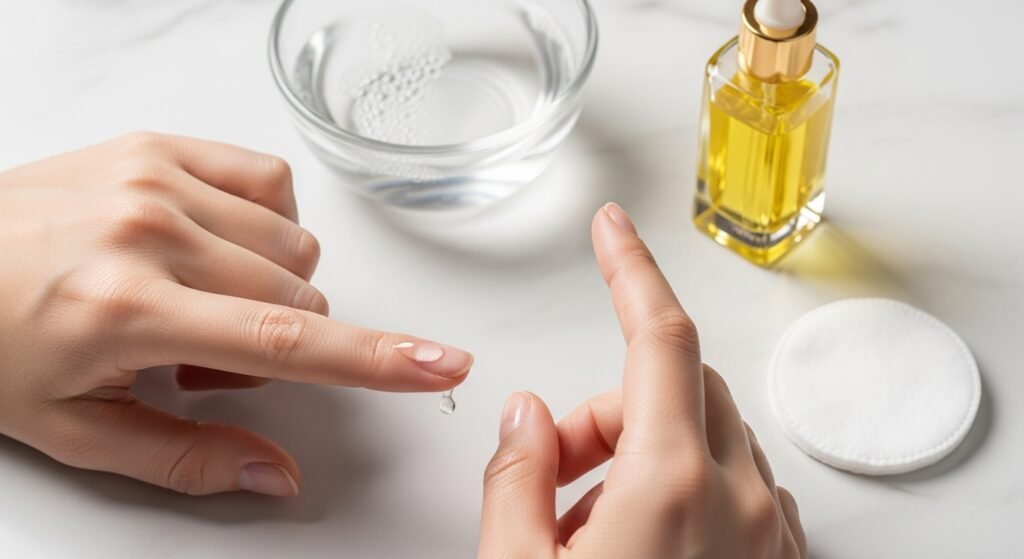
Getting nail glue on your hands is a total bummer when you are just trying to look cute. You wanted a fresh set of nails but now your fingers are stuck together. Don’t freak out because this happens to the best of us. Learning how to get nail glue off skin is actually pretty simple if you stay chill. You just need a few things from around your house to fix the mess. Most people try to rip it off but that is a huge mistake.
Nail glue is super strong for a reason so it stays on your nails. When it hits your skin it creates a bond that feels like it will last forever. But your skin is alive and it will be totally fine if you follow the right steps. This guide will walk you through every single trick to get that sticky stuff off. We will cover everything from kitchen oils to professional removers used in fancy salons. Just take a deep breath and let’s get those hands back to normal.
Understanding Nail Glue and Why It Bonds to Skin
The main ingredient in most nail glues is something called cyanoacrylate. This is basically the same stuff found in super glue. It is a liquid that turns into a hard plastic almost instantly when it touches moisture. Since your skin is naturally moist the glue starts to harden the second it lands. This process is called polymerization and it happens really fast.
The glue flows into the tiny ridges and pores of your skin before it dries. Once it hardens it creates a mechanical lock that is hard to break. It is not just sitting on top of your skin like a sticker. It is actually wedged into the top layer of your dead skin cells. This is why it feels like it is part of your body once it cures.
The Science of Cyanoacrylate
- Rapid Cure: This chemical reacts with water molecules to form long molecular chains.
- High Strength: It creates a bond that can support a lot of weight very quickly.
- Moisture Dependency: The more humid the air is the faster this glue will set on you.
Chemical Reactions
- Exothermic Heat: You might feel a little warmth when the glue first touches your skin.
- Molecular Chains: The glue forms a tight web that grabs onto the protein in your skin.
Why It’s Hard to Remove
- Surface Area: The glue fills every microscopic gap on your fingertip or cuticle.
- Water Resistance: Once it dries it is mostly waterproof and won’t just wash away.
The Difference Between Nail Glue and Super Glue
- Grade: Nail glue is usually made to be a bit more flexible for movement.
- Additives: Some nail glues have vitamins or oils to protect the natural nail.
- Industrial Strength: Super glue is often more brittle and can be harsher on skin.
Essential “Don’ts”: What to Avoid When Nail Glue Hits Your Skin
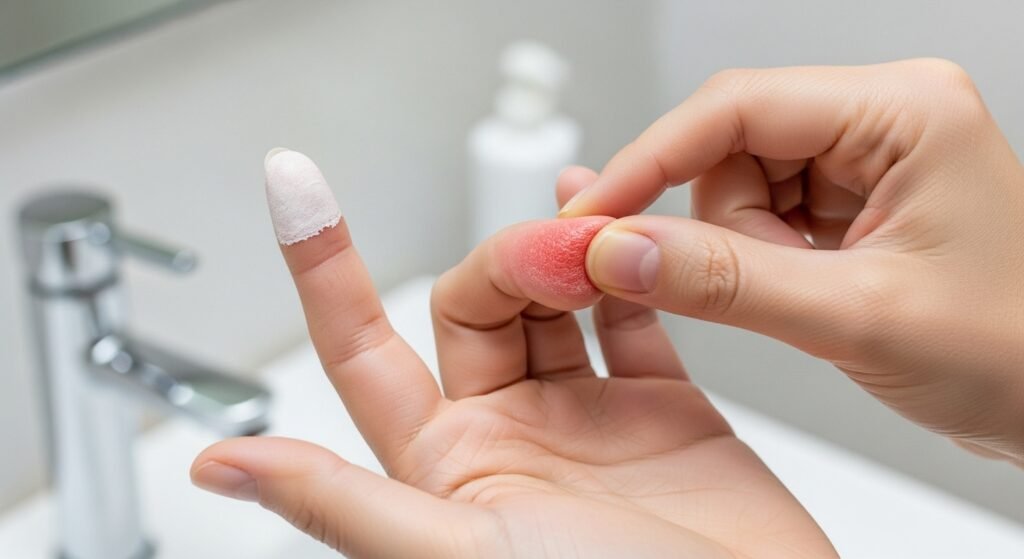
When you realize you have glue on your skin your first instinct is to pull it. This is literally the worst thing you can do for your hands. If you pull too hard you might take a layer of skin off with the glue. This leads to raw spots that sting and can even leave a scar. You have to be patient if you want to keep your skin healthy and smooth. Rushing the process only leads to pain and a much longer healing time later.
Using sharp things to scrape the glue is also a very bad idea. You might think a knife or a pair of scissors will help you get under the edge. One small slip and you will have a cut that needs a bandage. Your skin is soft and the glue is hard so tools can easily dig into you. Stick to the safe methods we talk about in this guide for the best results. Your fingers will thank you for being gentle and not acting out of panic.
Do Not Pick or Peel
- Skin Tearing: Peeling dried glue can rip the live tissue underneath the dead skin layer.
- Infection Risk: Creating open wounds with dirty glue can lead to nasty infections.
- Scarring: Repeatedly picking at the same spot can leave permanent marks on your fingers.
Avoid Sharp Objects
- Lacerations: Razor blades and knives are way too dangerous for such a small area.
- Inaccuracy: It is hard to see exactly where the glue ends and your skin begins.
Skip the Harsh Chemicals
- Industrial Solvents: Never use paint thinner or gasoline to try and clean your skin.
- Bleach Danger: Household cleaners will cause severe chemical burns on your delicate hands.
Temperature Warnings
- Boiling Water: Using water that is too hot will scald you before it melts the glue.
- Heat Sensitivity: Glue doesn’t really melt with heat it just gets more stubborn.
Avoid Excessive Scrubbing
- Rawness: Scrubbing too hard with a rough sponge can make your skin bleed.
- Inflammation: Over-working the area will cause swelling and make it harder to see the glue.
Quick First Steps: Immediate Action Plan
If the glue is still wet you have a huge advantage in this situation. You can stop the bond from becoming permanent if you move fast enough. Most people freeze up but you should head straight for a sink. The goal is to keep the glue from fully hardening into that plastic-like state. If you can dilute it or wipe it away now you save yourself a lot of work. Speed is your best friend when you are learning how to get nail glue off skin.
Even if you are in the middle of a manicure stop what you are doing immediately. Don’t worry about the rest of your nails until your skin is safe. A small drop of glue can spread quickly if you touch other things. Keep your fingers apart so they do not bond to each other or your palm. This “statue mode” is the best way to prevent a bigger mess from happening. Follow these quick steps to minimize the damage before the glue cures.
Act Fast
- Time Sensitivity: Every second the glue sits it gets harder to remove.
- Early Dilution: Adding moisture while it is wet can sometimes mess up the bond.
Rinse with Warm Water
- Stopping the Spread: Water can help keep the glue from moving to other parts of your hand.
- Soothing Effect: Warm water calms the skin and prevents that tight stinging feeling.
Gentle Movement
- The Roll Method: Use your other thumb to gently roll the edge of the wet glue.
- Circular Motions: Move in small circles to break the surface tension of the adhesive.
Fresh vs. Dried Glue
- Liquid State: Wet glue can often be wiped away with a damp paper towel.
- Cured State: Once it is hard you will need a solvent like acetone to break it down.
Isolating the Area
- Finger Spacing: Hold your fingers wide apart so they don’t get stuck together.
- Surface Awareness: Don’t touch your clothes or furniture until you know the glue is dry.
Best Ways to Remove Nail Glue Using Household Methods
You don’t always need fancy products to fix a nail glue mishap at home. Most of the best solutions are sitting right in your kitchen or bathroom cabinet. These methods take a little longer than chemicals but they are much safer. They work by slowly softening the glue until it just slides off your skin naturally. This is the best approach if you have time to sit and relax for a bit. Grab a bowl and some soap and let’s get started on those hands.
The key to using household items is being consistent and not rushing the soak. It might take a few tries to get every single bit of glue off your cuticles. Don’t get discouraged if the first soak doesn’t get it all off your skin. Sometimes the glue is thick and you have to work through it layer by layer. This is normal and much better than hurting yourself by trying to go too fast. Patience is the real secret when you are figuring out how to get nail glue off skin.
The Warm Soapy Water Soak
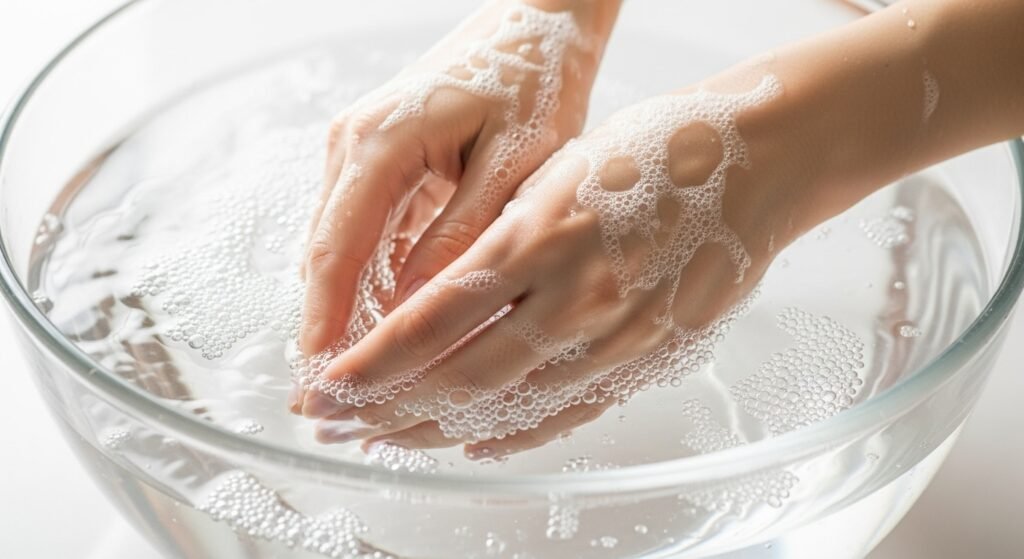
The warm soapy water soak is the easiest way to start the removal process. It is gentle on your skin and doesn’t involve any weird smells or chemicals. The soap helps the water penetrate the edges of the glue bond. Over time the glue will start to feel rubbery or soft instead of hard. This is when you know the method is starting to work its magic.
- Preparation: Use a bowl of lukewarm water and a good squirt of grease-cutting dish soap.
- Duration: Keep your hand submerged for at least 15 minutes to let the water work.
- The Massage Technique: While soaking use your other hand to gently rub the area.
- Adding Epsom Salts: Salts can help break down the adhesive if the soap isn’t enough.
Using Petroleum Jelly, Cuticle Oil, or Hand Lotion
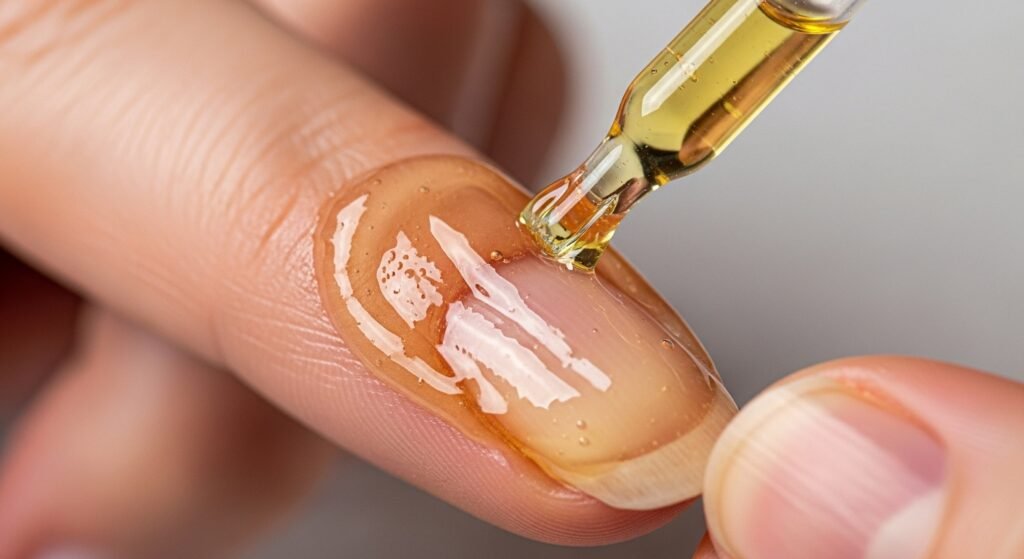
Oily products are amazing at getting under the edges of dried nail glue. They provide lubrication that makes the bond lose its grip on your skin. This is a great choice if the glue is stuck in a sensitive spot like your cuticle. Petroleum jelly stays in place and won’t run all over your hand like liquid water. It also keeps your skin hydrated while it works on the stubborn glue.
- The Barrier Method: Slather a thick layer of jelly or oil over the entire glue spot.
- Application Tips: Rub the product in well so it can find the tiny gaps in the glue.
- Rolling the Glue: Use a soft washcloth to rub the spot once the glue feels loose.
- The Overnight Method: For big messes put on jelly and a cotton glove before you go to sleep.
Natural Oils for Sensitive Skin
If you have sensitive skin you might want to stick to natural kitchen oils. Olive oil and coconut oil are very effective at breaking down the chemicals in nail glue. They are also full of vitamins that help your skin recover from the stress of the glue. This method is a bit messy but it smells great and leaves your hands soft. It is a win-win for your skin health and the glue removal.
- Olive Oil: Warm the oil slightly in the microwave for better penetration.
- Coconut Oil: Use it in its solid form and let it melt onto the glue spot.
- Essential Oil Dilution: Some people use a drop of lemon oil to help dissolve the sticky bond.
- Massage Duration: Spend at least 10 minutes rubbing the oil into the edges of the glue.
White Vinegar and Household Acids
White vinegar is a mild acid that can help eat away at the glue bond. It is not as strong as acetone but it is much safer for people with breathing issues. The vinegar helps to brittle the glue so it breaks apart into smaller pieces. You might need to soak the area a few times to get the best results. Just be sure you don’t have any open cuts because vinegar will definitely sting.
- The Vinegar Soak: Soak a cotton ball and tape it to the glue spot for a few minutes.
- Weakening the Bond: The acid reacts with the plastic and makes it lose its stickiness.
- Apple Cider Vinegar: This works too and might be a little gentler on your skin.
Lemon Juice and Baking Soda Paste
This combo works like a gentle chemical peel and a scrub at the same time. The lemon juice helps break the bond and the baking soda scrubs it away. It is a great way to handle thin layers of glue that are spread out over your skin. This paste is easy to make and costs almost nothing to put together. Plus it makes your hands smell like a fresh kitchen instead of a nail salon.
- Creating the Mixture: Mix one part baking soda with two parts lemon juice to make a thick paste.
- Application and Scrubbing: Rub the paste on and let it sit for a minute before scrubbing.
- The Buffing Effect: The tiny grains of baking soda lift the glue without scratching you.
Professional Removal Methods
Sometimes household items just don’t cut it for professional-grade nail glue. If you have a huge glob of glue or a very strong bond you need the heavy hitters. These are the same methods they use in nail salons when things go wrong. They work much faster than soap or oil but they are harder on your skin. You have to be careful and follow the rules to avoid drying out your hands. When you need to know how to get nail glue off skin fast these are the go-to options.
Always work in a room with a window open when using strong chemicals like acetone. The fumes can be pretty intense and might give you a headache if you aren’t careful. Also keep these liquids away from your furniture and clothes. They can ruin a table finish or melt certain types of fabric very quickly. Treat these products with respect and they will be your best friend in a glue emergency. Let’s look at how to use them safely on your skin.
Acetone-Based Nail Polish Remover
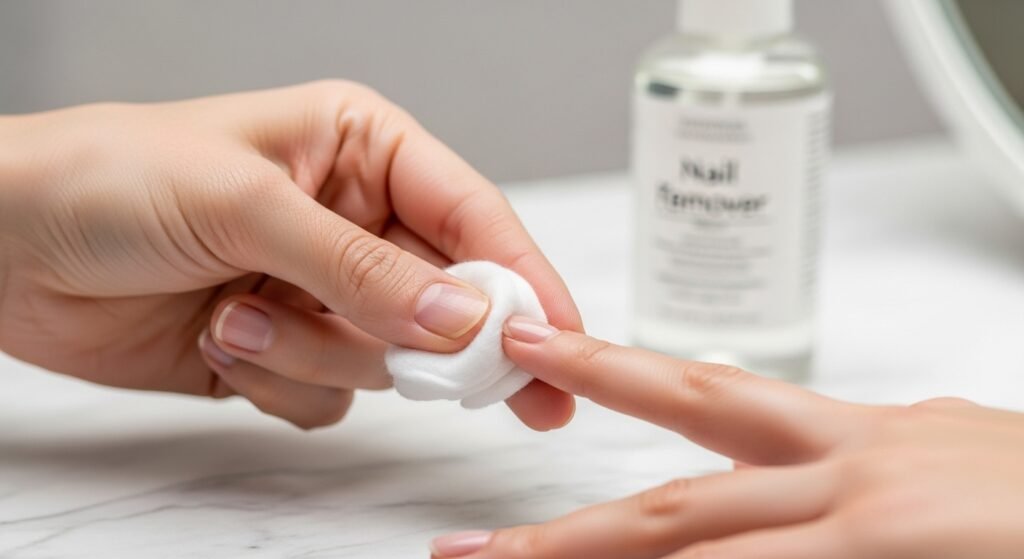
Acetone is the most common and effective way to dissolve nail glue. It is a powerful solvent that turns the hard glue back into a liquid state. You can find this in most nail polish removers at the grocery store. Make sure you check the label because non-acetone removers won’t work on glue. It is the fastest way to get your fingers free and clear of any sticky residue.
- The Fastest Solvent: It breaks the chemical bond of cyanoacrylate almost on contact.
- The Cotton Ball Method: Soak a ball in acetone and press it firmly against the glue.
- The 60-Second Rule: Only hold it there for a minute at a time to avoid over-drying.
- Drying Risks: Acetone strips all the natural oils away so your skin might look white or dry.
- Pure Acetone vs. Non-Acetone: Pure acetone is faster but much harsher on your cuticles.
Isopropyl Alcohol (Rubbing Alcohol)
Rubbing alcohol is another option if you don’t have any acetone in the house. It isn’t quite as strong but it can still help break down the outer layer of the glue. It is great for cleaning up the sticky feeling after the main glob is gone. Most people have a bottle of this in their medicine cabinet for first aid. It is a reliable backup plan that gets the job done eventually.
- As an Alternative: Use at least 70% alcohol for it to be effective on glue.
- Application Technique: Dip a Q-tip in the alcohol and rub the edges of the glue.
- The Evaporation Factor: Alcohol dries fast so you have to keep reapplying it to the spot.
Mechanical Removal Techniques
Once the glue is soft you need to physically move it off your skin. This is where mechanical removal comes into play to finish the job. You don’t want to use anything too rough or you will hurt yourself. The goal is to gently nudge the glue until it lets go of your skin cells. You can use simple tools to help speed up this final step of the process. Think of this as the finishing touch to your removal routine.
Using the right tool makes a huge difference in how your skin feels afterward. You want something that provides enough friction to lift the glue but not enough to cause a burn. Most of these tools are already in your bathroom or beauty kit. Just remember to be patient and use light pressure while you work. If the glue isn’t budging you probably need to soak it for a little longer first. Don’t force it or you might regret it.
Gentle Scrubbing Tools
- Soft Cloths and Cotton Pads: These are perfect for wiping away softened glue without any irritation.
- Soft-Bristled Toothbrushes: The bristles can get into the tiny cracks around your nails where glue hides.
- Pumice Stones: These are great for thick skin on your palms but keep them away from soft areas.
- Emery Boards: You can lightly buff the surface of the glue to help solvents soak in faster.
Specialized Removal for Unique Scenarios
Sometimes glue gets into weird places that are hard to reach. Getting nail glue under your actual fingernail is a real pain to deal with. It can feel tight and uncomfortable until you get it all cleaned out. You can’t just rub it off like you can on your fingertip or palm. You have to be more surgical with your approach to get every bit of residue out. These tips will help you handle those tricky spots without losing your mind.
You also have to worry about what happens if you spill glue on your desk or pants. If you touch the spill you will just end up with more glue on your hands. Learning how to manage these spills safely is part of the whole process. You need to know when to focus on your skin and when to focus on the surface. Handling a spill correctly keeps the mess from getting even bigger than it already is. Let’s look at how to tackle these specific problems.
Removing Nail Glue from Under the Fingernails
- Precision Tools: Use a wooden orange stick to gently scrape under the nail bed.
- The Deep Soak: You might need to soak your whole hand for 20 minutes to reach under the nail.
Removing Glue from Fabric or Furniture
- Initial Cleanup: Let the glue dry on the fabric before trying to remove it or it will spread.
- The Ice Cube Trick: Put ice on the spill to make it brittle so you can pop it off the surface.
Letting It Wear Off Naturally
If the glue isn’t in a spot that bothers you it is okay to just leave it alone. Your body is constantly making new skin and getting rid of the old stuff. Eventually the skin the glue is stuck to will just fall off on its own. This is the safest way to get nail glue off skin because it involves zero risk. If you have sensitive skin this might be your best bet to avoid any drama. You just have to be okay with having a little bump for a few days.
This method works best for small drops that aren’t sticking your fingers together. It is not a great plan if your thumb is bonded to your pointer finger. But for a little dot on your knuckle it is totally fine to wait. Your daily activities like showering and washing dishes will help the process along. Before you know it the glue will be gone and you won’t even remember where it was. It is the ultimate “no-stress” solution for minor accidents.
The Natural Shedding Process
- Desquamation: This is the scientific name for your skin naturally peeling off every day.
- New Growth: Fresh skin cells push the old ones (and the glue) out of the way.
Timeline for Natural Removal
- Standard Wait Time: Most glue spots will fall off within 3 to 7 days.
- Thick Spots: A really big glob might take up to two weeks to fully disappear.
When “Doing Nothing” is the Best Option
- No Irritation: If it doesn’t itch or hurt there is no rush to remove it.
- Avoiding Damage: You save your skin from chemicals and scrubbing by just being patient.
Natural Oils and Friction
- Daily Wear: The oils from your own skin will slowly break the bond from the inside out.
- Washing Dishes: The warm water and soap from daily chores speed up the shedding.
Specialized Care for Sensitive Areas
Your face and eyes are much more sensitive than your hands or fingers. Getting glue in these areas is a serious emergency that needs a different plan. You can’t just dump acetone on your eyelid if you make a mistake with lash glue. You have to be incredibly careful to avoid permanent damage to your vision or skin. If glue gets near your eyes you should probably just go to a doctor. It is always better to be safe when it comes to your face.
Even the lips are very delicate and can tear easily if glue gets on them. You use your mouth for everything so having it glued shut is scary. Don’t try to pull your lips apart because the skin there is super thin. You need a very gentle approach with lots of moisture to fix this problem. Let’s talk about the safest way to handle these high-risk areas. Remember that speed and gentleness are the most important factors here.
Dealing with Nail Glue on Open Wounds or Damaged Skin
- Infection Risks: Glue can trap bacteria inside a cut which leads to redness and pus.
- Cool Compresses: Use a cold wet cloth to soothe the area if it feels like it is burning.
Post-Removal Skin Care and Restoration
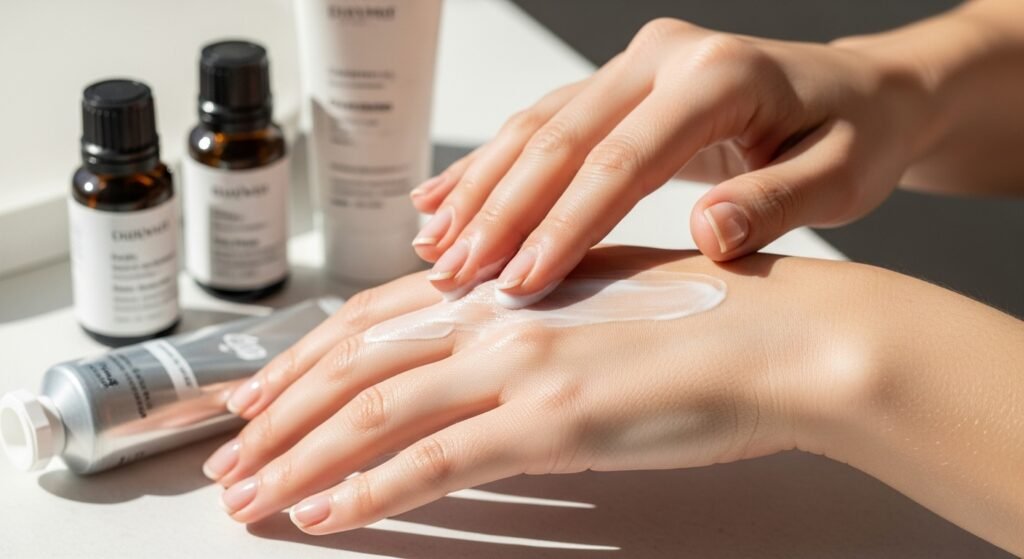
Once the glue is finally gone your work is not quite finished yet. Your skin has been through a lot of stress from the glue and the removal process. If you used acetone or alcohol your hands will likely be very dry and itchy. You need to put back the moisture that you stripped away during the cleanup. This is the most important part of keeping your hands looking and feeling good. Don’t skip this step if you want to avoid cracking or peeling later.
Treating your hands with a little extra love will help them heal much faster. Think of it like a mini spa treatment for your fingers after the disaster. You want to use products that are gentle and don’t have a lot of fake scents. Natural stuff is usually better for skin that has been irritated by chemicals. Taking five minutes to do this will make a huge difference in how your hands feel tomorrow. Your skin will be back to normal in no time if you follow these steps.
Immediate Aftercare Steps
- Neutralizing Solvents: Wash your hands thoroughly with mild soap to get rid of any leftover acetone.
- Drying the Skin: Gently pat your hands with a soft towel instead of rubbing them dry.
Hydration and Healing
- Moisturizing Agents: Use a thick cream that has shea butter or cocoa butter in it.
- Restoring Natural Oils: Apply a few drops of vitamin E oil to the cuticles to help them recover.
- Treating Redness: Pure aloe vera gel is great for cooling down skin that is red from scrubbing.
- Vitamin E Oil: This oil helps fix damaged skin cells and makes your skin strong again.
When to Seek Professional Help
Most of the time you can handle nail glue mishaps at home without any trouble. But sometimes your body has a bad reaction to the chemicals in the glue. If your skin starts to look really angry you might need a doctor’s help. It is not worth risking your health just to save a trip to the clinic. If the pain is getting worse instead of better that is a big red flag. Listen to your body and don’t be afraid to ask for a professional opinion.
Allergic reactions can happen even if you have used nail glue many times before. Your immune system can decide it doesn’t like a chemical at any time. This can cause some pretty scary symptoms like swelling or trouble breathing. If you feel weird in any way after getting glue on your skin get help right away. It is always better to have a doctor tell you that you are fine than to ignore a problem. Here is what you should look out for.
Signs of an Allergic Reaction
- Identifying Symptoms: Look for hives, extreme swelling, or a rash that spreads quickly.
- Contact Dermatitis: This is a localized rash that happens exactly where the glue touched you.
Managing Chemical Burns and Scarring
- When to Call a Dermatologist: If the skin looks charred, white, or has deep blisters.
- Medical Treatments: Doctors can give you special creams to stop the burning and help healing.
Prevention and Pro-Tips for Future Application
The best way to deal with nail glue on your skin is to not get it there in the first place. A little bit of prep work goes a long way in keeping your hands clean. Most accidents happen because we are in a rush or don’t have a good setup. If you take your time you can get perfect nails without any of the sticky mess. Professional nail techs have tricks they use to stay clean and you can use them too. It just takes a little bit of practice and the right tools.
Think about your workspace before you even open the bottle of glue. Make sure you have everything you need within reach so you aren’t fumbling around. Good lighting is also super important so you can see exactly where the drop is going. If you can see the glue clearly you are much less likely to make a mistake. Follow these pro-tips to make your next at-home manicure a total breeze. You will feel much more confident and your nails will look amazing.
How to Apply Nail Glue Like a Professional
- The “Less is More” Rule: You only need a tiny drop for each nail to get a strong bond.
- Using a Barrier: Rub a little bit of oil around your cuticles before you start so glue won’t stick.
- Precision Applicators: Use glues that come with a brush instead of a squeeze bottle.
Safety Gear for DIY Nails
- Proper Lighting: Set up a bright lamp so you can see every tiny detail of your work.
- Controlled Surface: Lay down a silicone mat or a paper towel to catch any drips.
Summary and Final Tips for Future Success
Knowing how to get nail glue off skin is a skill every nail lover needs. It saves you from a lot of pain and keeps your hands looking beautiful. Whether you use soap, oil, or acetone the most important thing is being gentle. Your skin is tough but it can only take so much scrubbing and chemical use. Always remember to moisturize after you are done to keep your hands soft. With these tips you never have to fear a glue spill again.
| Removal Method | Tools or Materials Used | Timing Required | When to Use | Best For | Impact on Skin |
| Warm Soapy Water | Mild dish soap, bowl of warm water | 15–20 minutes | Immediately after the glue dries | Minor spills and early-stage removal | Very Gentle; Non-irritating |
| Acetone (Nail Remover) | Cotton balls, 100% pure acetone | 1–3 minutes | For thick globs or professional glue | Fast results and heavy deposits | Very Drying; Requires immediate lotion |
| Petroleum Jelly | Vaseline or thick ointment | 15 minutes (or overnight) | When glue is in skin folds or cuticles | Stubborn edges and sensitive areas | Soothing; Deeply hydrating |
| Natural Kitchen Oils | Olive oil, coconut oil, or canola oil | 10–15 minutes | When you want a chemical-free fix | Dry or sensitive skin types | Nourishing; Restores skin barrier |
| Lemon & Baking Soda | Fresh lemon juice, baking soda paste | 5–10 minutes | For thin, sandpaper-like residue | Exfoliating large, flat areas | Mildly Acidic; May sting open cuts |
| White Vinegar | White or Apple Cider vinegar | 10–15 minutes | As a mid-strength household solvent | Breaking down the plastic bond | Astringent; Can be slightly drying |
| Isopropyl Alcohol | 70% Rubbing alcohol, Q-tips | 5 minutes | When acetone is unavailable | Cleaning up sticky residue | Drying; Evaporates quickly |
| Mechanical Buffing | Soft toothbrush, emery board | 2–3 minutes | After soaking or oil application | Lifting the edges of the glue | Abrasive; Use very light pressure |
| Sugar Scrub | Granulated sugar mixed with oil | 3–5 minutes | For fine mists of glue over hands | Total hand cleanup and exfoliation | Smoothing; Softens the skin |
| Natural Shedding | No tools needed (Time) | 3–7 days | For tiny, non-bothering spots | Avoiding all irritation entirely | Neutral; No physical impact |
| Professional Help | Medical grade solvents | Varies | For allergic reactions or eye contact | Emergencies and chemical burns | Medical; Safest for high-risk areas |
Frequently Asked Questions
Can I use a hair dryer to melt the nail glue off my skin?
Using a hair dryer is not recommended because nail glue is a thermoset plastic once it cures. High heat from a dryer is more likely to cause a skin burn than it is to melt the adhesive. If you feel the glue getting warm on its own, that is a natural chemical reaction, and adding extra heat will only increase discomfort.
Will hand sanitizer work if I don’t have rubbing alcohol?
Yes, hand sanitizer can work in a pinch because it usually contains a high percentage of isopropyl alcohol. It is slightly less effective than pure rubbing alcohol because of the added thickeners and scents, but it can help break down the surface of the glue. Apply a generous amount and let it sit for a minute before rubbing gently.
Is it safe to use a metal nail file to grind the glue down?
You should avoid metal files on the skin because they are far too abrasive and can cause micro-tears. If you must use a file, choose a high-grit foam buffer or a soft emery board. Only file the top layer of the glue itself and stop immediately once you get close to the skin surface to avoid friction burns.
What should I do if my fingers are glued to a piece of clothing?
If you are stuck to fabric, do not pull or you might rip the fabric or your skin. Soak the area in a bowl of warm, soapy water or apply acetone to the spot where the skin meets the cloth using a Q-tip. The glue will eventually release the fibers of the fabric, allowing you to pull away safely.
Can I use vegetable oil or canola oil instead of olive oil?
Any kitchen-grade vegetable oil will work just as well as olive oil for this process. These oils work through lubrication and by slowly penetrating the bond between the glue and the skin. While they might not have the same skin-nourishing vitamins as coconut oil, they are perfectly safe and effective for loosening the adhesive.
Does salt water help remove nail glue?
Salt water can be used as a mild abrasive and a dehydrating agent for the glue. Mixing a few tablespoons of table salt into warm water creates a solution that can help brittle the glue bond. This is particularly helpful if you are trying to avoid using heavy soaps or chemicals on your hands.
How do I get nail glue out of my hair or eyebrows?
If glue gets into your hair, do not use acetone as it can damage the hair shaft. Instead, saturate the area with heavy conditioner or hair oil and let it sit for thirty minutes. Gently use a fine-tooth comb to slide the softened glue bits out of the hair strands slowly.
Can I use WD-40 to remove nail glue from my hands?
While some people suggest industrial lubricants like WD-40, it is generally not advised for use on skin. These products contain petroleum distillates that can cause irritation or be absorbed into the bloodstream. Stick to skin-safe oils like mineral oil or baby oil for a similar but safer effect.
Why does the glue turn white when I try to wash it off?
The white residue is a result of the glue reacting with moisture, which is called blooming or frosting. It means the glue has fully polymerized and hardened into a plastic state. While it looks messy, it doesn’t mean the glue is more dangerous; it just means it is time to switch from water to an oil or solvent.
Is nail glue toxic if it stays on my skin for a few days?
Small amounts of nail glue are generally non-toxic once they have dried and hardened. The main risk is skin irritation or mechanical damage from the glue being pulled. Unless you have a specific allergy to cyanoacrylate, leaving a small drop to wear off naturally over a week is perfectly safe.
Can I use a pumice stone on my cuticles?
You should never use a pumice stone on your cuticles or the thin skin around your nails. Pumice stones are designed for the thick, calloused skin on the heels of your feet. Using them on your fingers will likely result in bleeding and raw skin, which could lead to an infection.
Will steam from a facial steamer loosen the glue?
Steam can help hydrate the skin underneath the glue, which may help it lift slightly faster. However, steam alone is rarely enough to break the bond of a professional nail adhesive. It is best used as a pre-treatment before applying oil or soapy water.
What happens if I accidentally swallow a small bit of dried nail glue?
If you get a small, dry flake in your mouth, your saliva will eventually loosen it, but you should never try to swallow it. If liquid glue is swallowed or if it gets stuck in the mouth, you should contact a poison control center or a doctor immediately as it can bond to the throat or tongue.
Does cold water work better than warm water?
Warm water is much more effective because it helps expand the pores of the skin and softens the plastic slightly. Cold water can actually make the glue more brittle and “set” it further into the ridges of your skin. Always opt for a comfortable, lukewarm temperature for the best results.
Can I use makeup remover to get rid of the residue?
Oil-based makeup removers, especially those designed for waterproof mascara, are excellent for cleaning up the last bits of glue. They are formulated to be very gentle on the skin while breaking down tough adhesives and pigments, making them perfect for the final cleanup phase.
Is it normal for my skin to feel numb under the glue?
A slight “tight” or “numb” sensation is normal because the glue is a hard plastic layer that is preventing your skin from moving naturally. It is similar to having a stiff bandage on. Once the glue is removed and the skin is moisturized, your normal sensation should return almost immediately.
Can I use a sugar scrub to get the glue off?
An oil-based sugar scrub is a fantastic way to remove thin layers of glue. The sugar acts as a natural exfoliant to scrub the glue away, while the oil softens the bond. This is one of the best methods for cleaning your entire hand if you have a fine mist of glue over your skin.
Will the glue damage my permanent jewelry or rings?
Nail glue can bond to metal and stones, potentially dulling the finish of your jewelry. If you get glue on a ring, do not try to scrape it off. Soak the jewelry in a professional jewelry cleaner or mild soapy water; if the ring is solid gold or silver, a brief acetone soak may be safe, but check with a jeweler first.
Does the brand of nail glue change how I remove it?
While the base ingredient (cyanoacrylate) is usually the same, some “extra strength” or “long-wear” glues have added polymers that make them more resistant to water. If a standard soap soak isn’t working after twenty minutes, it’s a sign you need to move to a stronger solvent like acetone.
Can I use a magic eraser on my skin to remove glue?
No, you should never use a magic eraser on your skin. These sponges are made of melamine foam, which acts like extremely fine sandpaper. Using them on your body can cause severe “carpet burns” or abrasions long before the glue is actually gone.