 Skip to content
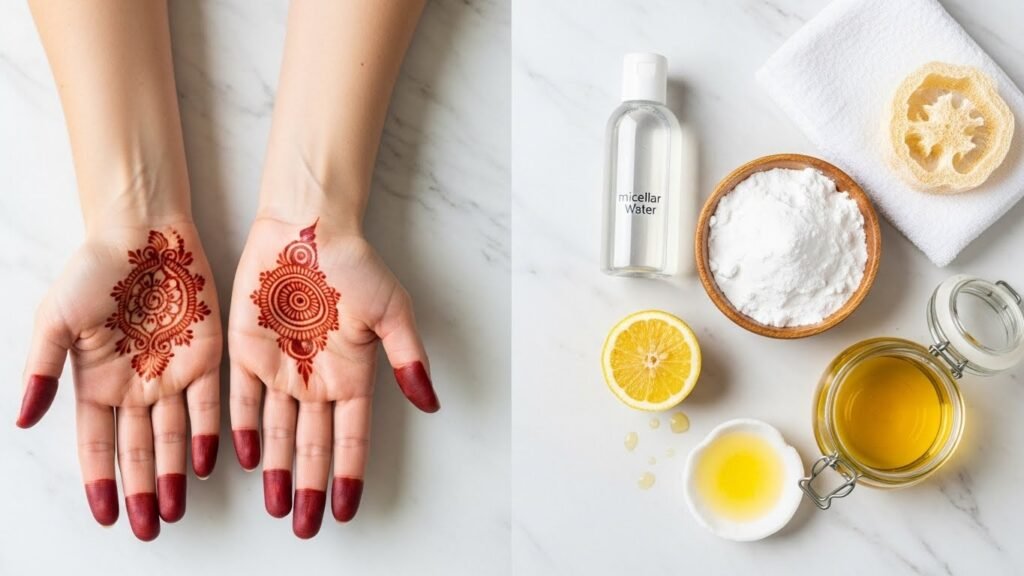
Henna tattoos are super cool until you need them gone fast. Learning how to remove henna from skin can save you a lot of stress. This plant-based dye sticks to your skin cells like crazy. It stains the epidermis which is the top layer of your skin. Most people want to know how to remove henna from skin without hurting themselves. You can use simple home remedies to get your skin back to normal.
Understanding Henna and the Removal Process
Henna comes from a plant that leaves a reddish-brown stain on your body. The dye molecules find their way into the keratin of your skin and hair. This is why the color stays for a couple of weeks. The stain is basically a temporary tattoo that fades as your skin cells shed. If you want it gone now, you have to help those cells move along.
- The Science of Henna: The lawsone molecule in the plant binds tightly to proteins in your body.
- Duration Factors: Henna lasts longer on thick skin like your palms or the soles of your feet.
- The Goal of Removal: You are trying to break the bond between the dye and your skin or hair.
Effective Methods for Removing Henna from Skin
If you are wondering how to remove henna from skin, start with basic cleaning. You do not need fancy tools to start the process. Most of these items are already in your bathroom or kitchen. Be patient because some stains are deeper than others. You might need to try a few different things to see what works best for your skin type.
Cleansing and Chemical Breakdown
Using the right soap can make a huge difference in fading a stain. Antibacterial soap is a great choice because it has a high alcohol content. This alcohol helps break down those stubborn dye molecules. It is much stronger than regular hand soap for this specific job. Just make sure you do not overdo it and dry out your hands.
- Antibacterial Soap: Wash the area several times a day to speed up the fading process.
- Micellar Water: This uses micelles to grab the pigment and pull it out of your pores.
- Hydrogen Peroxide: A diluted solution can help lift the color if you swipe it on with a cotton ball.
- Makeup Remover: Silicone-based removers are gentle and work well on fresh facial stains.
Natural Oil and Lipid-Based Removal
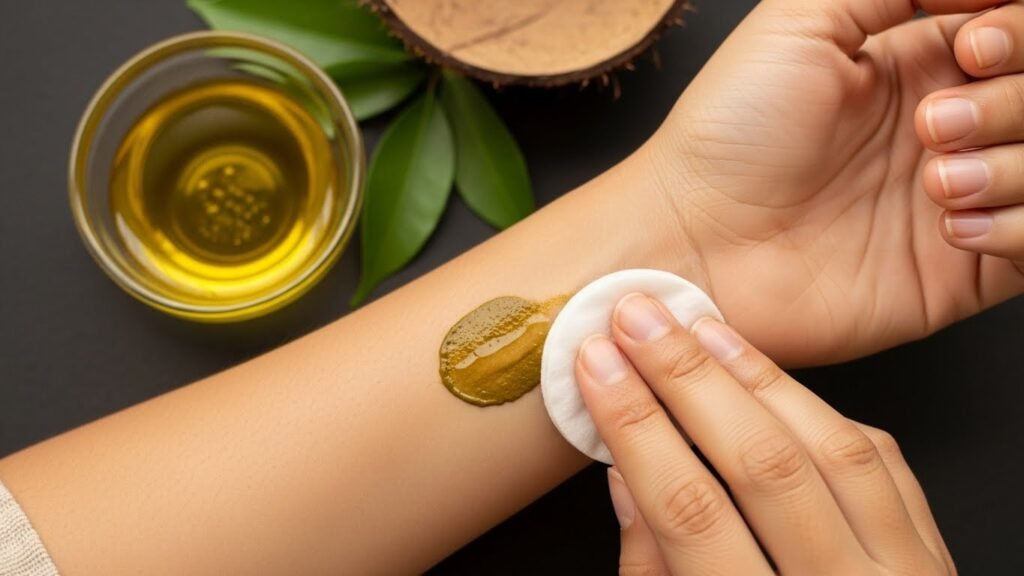
Oils are awesome for people with sensitive skin who need to know how to remove henna from skin. They help dissolve the dye without any harsh scratching. You can use coconut oil or baby oil for this method. It feels nice on your skin and keeps it soft while the dye fades. This is a very safe way to handle a stain on your face or hairline.
- Baby Oil and Coconut Oil: Apply a thick layer and let it sit for twenty minutes before rinsing.
- Warm Oil Soaks: Heating up olive oil or almond oil helps it get deeper into your skin.
- Overnight Oil Treatment: Cover the stain in oil and wrap it in plastic for a deep clean while you sleep.
Mechanical and Physical Exfoliation
Sometimes you just have to scrub the dye away. This is called mechanical exfoliation and it is very effective. You are basically rubbing off the dead skin cells that hold the pigment. Be careful not to scrub too hard or you might get a rash. Using a loofah or an exfoliating glove can help make the job easier.
- Salt and Sugar Scrubs: Mix these with a little oil to create a natural scrub that buffs the skin.
- Shaving: The razor acts as an exfoliator by taking off the very top layer of skin.
- Abrasive Cloths and Mitts: Use steam to open your pores before scrubbing with a rough washcloth.
Chemical Exfoliation for Skin
If scrubbing sounds too painful, you can use chemical exfoliants. These products use acids to dissolve the glue holding your skin cells together. It is a smart way for how to remove henna from skin on delicate areas. Look for things with AHAs or BHAs in the ingredients list. These are common in many face washes and toners.
- Alpha Hydroxy Acids (AHAs): Glycolic acid is great for lifting stains on your face or neck.
- Beta Hydroxy Acids (BHAs): Salicylic acid helps clear out pores where dye might be trapped.
Kitchen and Household Remedies
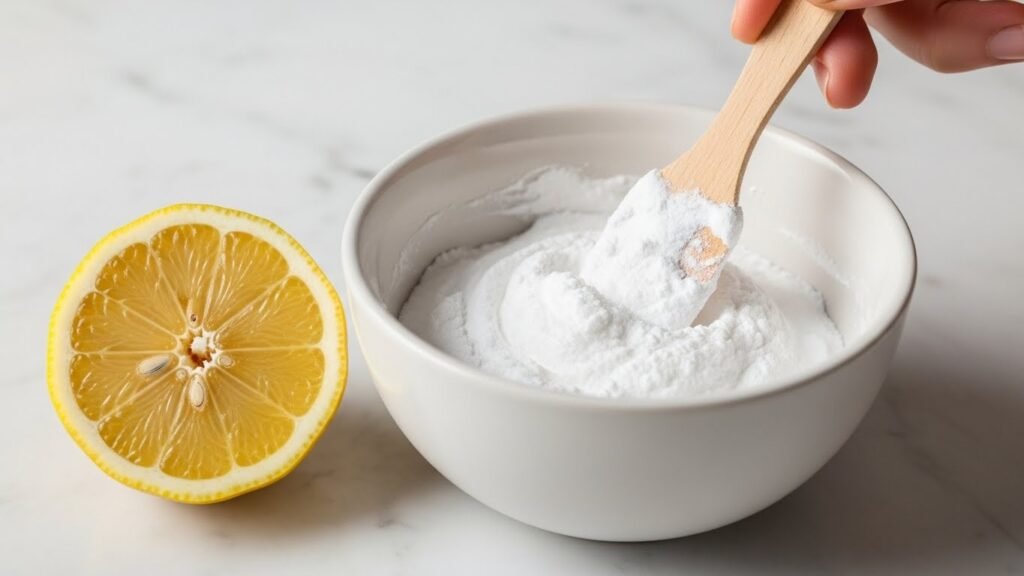
Your kitchen is full of things that can help you learn how to remove henna from skin. Baking soda is a classic choice because it acts like a mild bleach. You can mix it with warm water to make a thick paste. Lemon juice also has citric acid which acts as a natural lightener. These methods are cheap and usually very effective.
- Baking Soda Paste: Rub the paste on the stain and let it dry before washing it off.
- Lemon Juice: The acid helps break the dye bonds but can be a bit stinging.
- Whitening Toothpaste: Use a toothbrush to scrub the dye with the peroxide in the paste.
- Salt-Water Soaks: Soak your hands or feet in salty water for twenty minutes to pull the color out.
Specialized Methods for Removing Henna from Hair
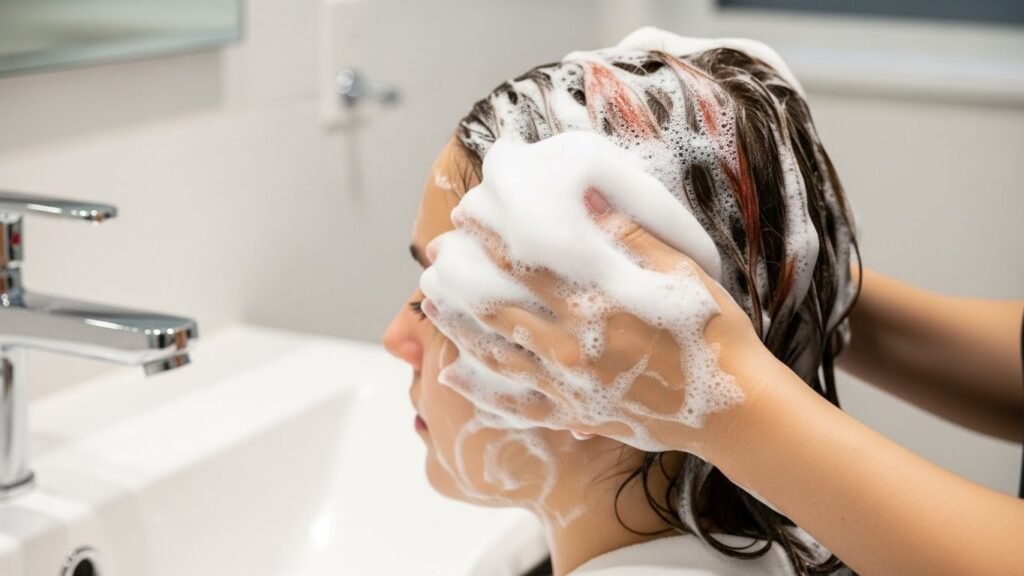
Removing henna from your hair is a lot harder than your skin. The dye coats the hair proteins and becomes very stubborn. You cannot just scrub your scalp like you do your arms. You have to be gentle so you do not ruin your hair texture. It takes a few tries to see a real change in the color.
Intensive Cleansing Treatments
A clarifying shampoo is your best friend for this task. These soaps are designed to strip away heavy buildup and oils. They also happen to be great at stripping away henna pigment. Use a sulfate-based shampoo for the best results. Just remember that these can make your hair feel very dry.
- Clarifying Shampoos: Wash your hair multiple times to slowly fade the henna tint.
- Sulfate-Heavy Washing: These strong surfactants help lift the dye from the hair cuticle.
Natural Lightening and Lifting
You can also use natural acids to lift the color from your hair. Vitamin C is a popular choice among people who want a safe fix. You can crush up tablets and mix them into your shampoo. Apple cider vinegar is another good option for a hair rinse. It helps break down the pigment while making your hair look shiny.
- Vitamin C and Shampoo Paste: Leave this mixture on your hair for thirty minutes to see lightening.
- Apple Cider Vinegar (ACV) Rinse: Mix it with water to help lift surface stains and balance pH.
- Alcohol-Free Oil Soaks: Use warm coconut oil overnight to help the dye slide off the hair.
Advanced DIY Formulations and Packs
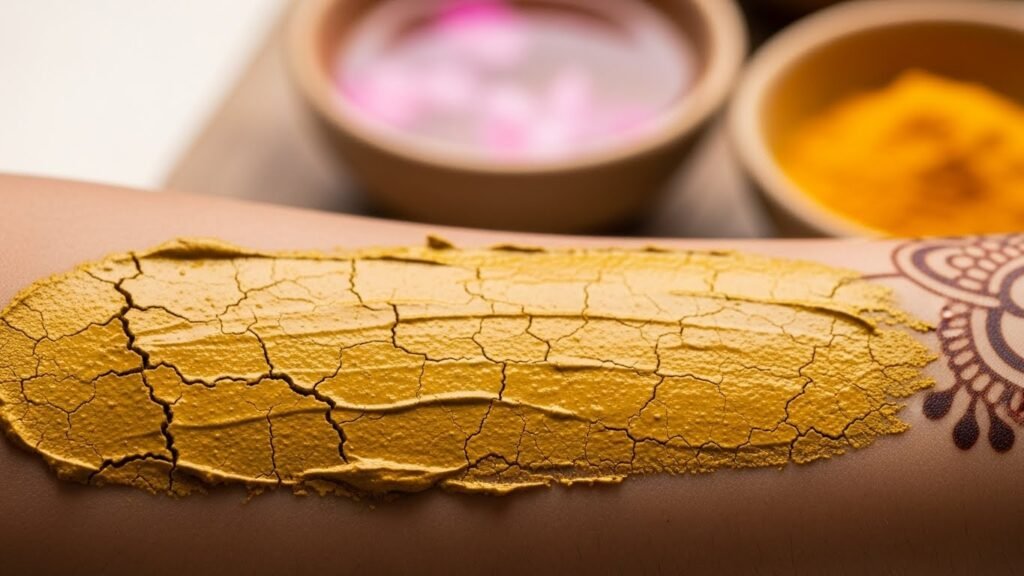
For a more traditional approach, you can make a special skin pack. Multani Mitti, also known as Fuller’s Earth, is amazing at drawing out stains. It is a type of clay that sucks up oils and pigments. You can mix it with other natural ingredients to make it even stronger. This is a very soothing way for how to remove henna from skin.
- Multani Mitti: This clay helps pull the dye out of your pores naturally.
- Turmeric and Rose Water: These help soothe the skin and brighten the area.
- Application: Use this pack once a day until the stain is completely gone.
Safety Guidelines and Best Practices
When you are trying to figure out how to remove henna from skin, safety comes first. Some methods can be really harsh if you have sensitive skin. You do not want to end up with a rash or an allergic reaction. Always test a small patch of skin before you go all in. If your skin starts to hurt or get red, stop what you are doing.
What to Avoid During the Removal Process
There are some things you should never do to your skin or hair. Even if you are desperate, do not use household bleach. It will burn your skin and destroy your hair. Also, avoid being too rough with the scrubbing. You want to remove the dye, not your actual skin.
- Bleach and Ammonia: These chemicals are way too strong and can cause serious burns.
- Aggressive Scrubbing: This can lead to scars or permanent skin damage.
- Harsh Chemicals: Keep strong soaps and acids away from your eyes and mouth.
Essential Post-Removal Care
After you finish your removal session, you must take care of your skin. Most of these methods take away the natural oils your body needs. Hydration is the most important step after you exfoliate. Use a good moisturizer to fix your skin’s moisture barrier. If you worked on your hair, use a deep conditioner.
- Moisturization: Apply a thick cream or lotion to stop your skin from peeling.
- Deep Conditioning: Use a hair mask to restore moisture after using clarifying shampoo.
- Sun Protection: Freshly scrubbed skin burns easily so wear plenty of sunscreen.
| Method | Best For | Effort Level |
| Antibacterial Soap | Hands and Body | Low |
| Coconut Oil | Face and Sensitive Skin | Medium |
| Baking Soda Paste | Stubborn Stains | High |
| Micellar Water | Facial Skin | Low |
Conclusion and Realistic Expectations
Knowing how to remove henna from skin is all about using the right tools. You have to balance speed with safety so you do not cause irritation. Most stains will fade significantly after just a few sessions of oil or scrubbing. If you have an important event, start the removal process as soon as possible. Be patient and keep your skin hydrated throughout the journey.
Frequently Asked Questions
Can I use rubbing alcohol to remove henna from my skin?
Yes, rubbing alcohol or hand sanitizer can help dissolve the dye molecules because of their high alcohol content. However, this method is extremely drying and should be followed by a heavy moisturizer to protect the skin barrier.
Does swimming in a pool help fade a henna tattoo?
Yes, the chlorine in swimming pool water acts as a bleaching agent that can effectively lift the pigment from your epidermis. Soaking in a chlorinated pool for 30 to 40 minutes can significantly speed up the fading process.
Is it safe to use hair bleach on a henna stain on my arm?
No, you should never use household bleach or hair bleach on your skin to remove henna. This can cause severe chemical burns, irritation, and permanent damage to your skin.
Can I use a pumice stone for exfoliation?
A pumice stone can be used on very thick skin, like the heels of your feet, but it is too abrasive for most other body parts. For hands and arms, stick to a loofah or an exfoliating mitt to avoid raw skin.
Does hot water remove henna faster than cold water?
Warm or hot water helps open the pores and soften the skin cells, making it easier for exfoliants and oils to lift the dye. Using steam before scrubbing is often recommended for better results.
What is the difference between natural henna and black henna removal?
Natural henna is plant-based and safe, while “black henna” often contains PPD, a chemical that can cause allergic reactions. If you have black henna, you should be extra careful and watch for rashes or irritation while trying to remove it.
Can olive oil be used instead of coconut oil?
Yes, olive oil is an excellent alternative for oil-based removal. It helps break down the dye particles and is especially helpful for people with dry or sensitive skin.
Will a sauna help get rid of the dye?
Yes, the heat and moisture in a sauna help you sweat and soften the top layer of your skin. This makes mechanical exfoliation with a washcloth much more effective afterward.
Can I use white vinegar if I don’t have apple cider vinegar?
White vinegar is acidic and can help, but it is much harsher on the skin and hair than apple cider vinegar. It is generally better to use diluted lemon juice if ACV is unavailable.
Is it okay to use a chemical exfoliant and a physical scrub at the same time?
No, doing both at once can over-exfoliate your skin and lead to redness or sensitivity. It is better to choose one method per day to keep your skin healthy.
How does witch hazel work for henna removal?
Witch hazel acts as a mild astringent that can help lift fresh surface stains. It is gentler than rubbing alcohol but more effective than regular water.
Can I use a salt-water soak for my hair?
A salt-water soak is generally not recommended for hair because it can make the hair extremely brittle and dry. Stick to oil soaks or clarifying shampoos for hair-related removal.
Does the color of the henna matter for removal?
Natural red henna is usually easier to fade than synthetic dyes or darker henna blends. Darker stains may require more frequent exfoliation sessions to disappear completely.
Can I use baby wipes to clean a fresh henna stain?
Baby wipes can help if the dye is still wet, but once it stains the skin, they are usually too gentle to remove it. You would need micellar water or an oil-based remover at that point.
Is yogurt effective for removing henna?
Yes, the lactic acid in yogurt acts as a very mild chemical exfoliant. It is often used in DIY packs with turmeric to help brighten the skin and fade the dye.
How do I remove henna from my fingernails?
Henna on nails is very permanent because it stains the keratin deeply. While you can try whitening toothpaste, you usually have to wait for the nail to grow out.
Can I use an electric face brush for exfoliation?
Yes, an electric cleansing brush provides gentle mechanical exfoliation that can help fade henna on the face or neck. Use it with a gentle cleanser to avoid irritation.
Does sun exposure help fade henna?
While the sun can naturally bleach many things, it is not an effective way to remove henna and can damage your skin. It is safer to use the exfoliation and oil methods mentioned above.
Can I use argan oil for removal?
Argan oil works similarly to coconut and olive oil. It is a great option for removing henna from the hair or hairline because it is very nourishing.
What should I do if my skin turns red during removal?
If you notice redness or irritation, stop the removal process immediately and apply a soothing agent like aloe vera. Give your skin a break for at least 24 hours before trying a gentler method.