
If you love the water but hate the frizz, you are in the right place. Learning how to take care of wavy hair after pool time is a total game-changer. Most people jump in the water without a plan. Then they wonder why their hair feels like a broom later that day. Wavy hair is unique because it is prone to dryness. Pool chemicals like chlorine make this dryness even worse. You do not have to choose between swimming and great hair. With the right steps, you can keep your waves bouncy and soft all summer long. This guide will show you exactly what to do.
The Science of Wavy Hair and Pool Chemistry
Wavy hair has a special shape that makes it a bit picky. Unlike straight hair, the oils from your scalp have a hard time traveling down the wave. This means your hair starts out drier than other types. When you add pool water to the mix, things get messy fast. Chlorine is a strong chemical meant to kill bacteria. It also happens to be great at stripping away the natural moisture your hair needs. This leaves your waves feeling rough and looking dull.
The structure of your hair matters a lot when you swim. Wavy hair often has gaps in the outer layer called the cuticle. These gaps allow pool water to soak deep into the strand. Once inside, chemicals break down the proteins that keep your hair strong. This can lead to snapping and split ends. Saltwater is not much better because it pulls water out of your hair through osmosis. Understanding this chemistry helps you see why protection is so important.
The Anatomy of a Wave
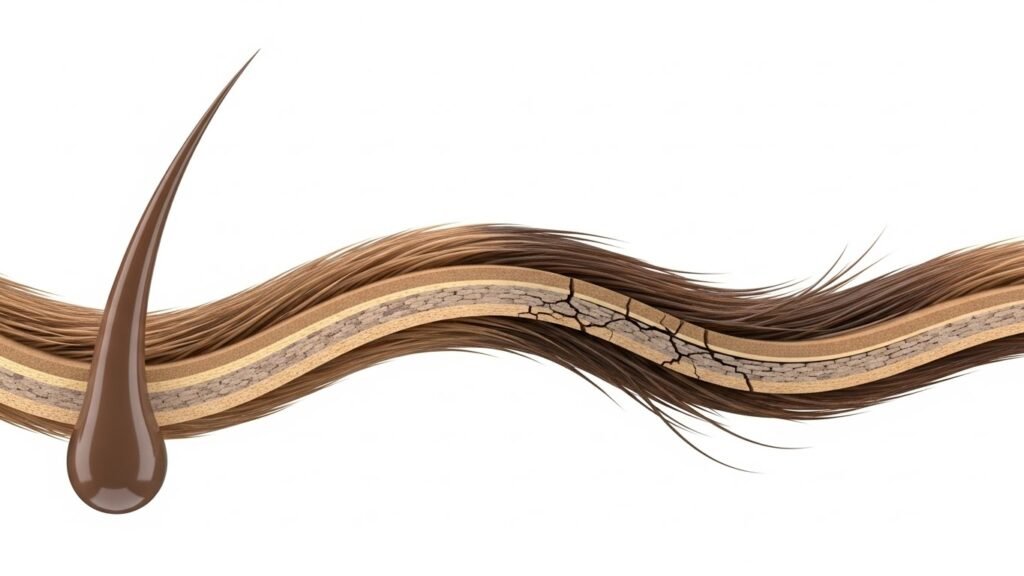
- Follicle Shape: Wavy hair comes from an oval-shaped follicle that creates a natural curve.
- Sebum Path: Natural oils struggle to coat the entire strand due to the twists in the hair.
- Cuticle Lift: Wavy hair often has a naturally lifted cuticle compared to straight hair.
- Fragility: The points where the hair waves or bends are naturally weaker spots.
The Porosity Factor
Hair porosity is all about how well your hair holds onto water. High porosity hair has many gaps and soaks up chemicals like a sponge. Low porosity hair has a tight cuticle that is hard to penetrate. Most wavy hair sits right in the middle or on the high side. If your hair is high porosity, chlorine will damage it much faster. You need to know your porosity to choose the right products. Testing it is easy with a simple cup of water.
Chlorine vs. Bromine
Most pools use chlorine to stay clean and safe. It is an oxidizer that removes the protective oils from your scalp. Some indoor pools or hot tubs use bromine instead. Bromine is a bit gentler on the skin but stays in your hair longer. Both chemicals will ruin your wave pattern if you leave them there. They can also change the color of your hair over time. Neutralizing these chemicals is the only way to save your look.
The pH Scale of Hair Health
Your hair and scalp like to be slightly acidic. Pool water is usually kept more alkaline to stay clear. This shift in pH causes your hair cuticle to pop open. When the cuticle is open, moisture escapes and chemicals enter. This is why your hair feels “swollen” or tangly after a swim. Restoring the pH balance is a key part of how to take care of wavy hair after pool sessions. A simple acidic rinse can fix this quickly.
The Oxidation Process
Oxidation is a fancy word for chemical aging or weathering. Chlorine reacts with the proteins in your hair and weakens them. It also attacks the 18-MEA layer, which is your hair’s natural shine. Without this layer, your waves look “fried” and lose their light-reflecting power. This process happens every single time you hit the water. You have to stop the oxidation before it becomes permanent damage. Protection is the best way to keep your hair young.
Environmental and External Stressors
Swimming is rarely just about the water in the pool. Most of the time, you are also dealing with the sun and wind. These elements work together to attack your wavy hair. The sun acts like a catalyst that makes chemical reactions happen faster. If you are at a beach pool, the wind can also cause massive tangles. All these factors make hair care a multi-step process. You have to look at the whole environment to stay protected.
UV Radiation and Chlorine Synergy
The sun sends out UV rays that can bleach your hair. When your hair is covered in chlorine, the sun works even harder. This combination is like applying a lightener to your hair while you sit outside. It breaks down the melanin that gives your hair its color. It also makes the hair fiber much more brittle. You might notice your waves feel “crunchy” after a day in the sun. Always try to wear a hat or use a UV spray.
Hard Water vs. Soft Water Pools
Not all pool water is the same across the country. Some pools have high mineral content, which we call hard water. Hard water contains minerals like calcium that stick to your hair. When mixed with chlorine, these minerals create a “film” on your waves. This film prevents moisture from getting into the hair strand. It makes your hair feel heavy and very difficult to style. Using a chelating shampoo is the best way to fight this buildup.
Saltwater vs. Chlorine
Many people think saltwater pools are chemical-free, but they are not. These pools use a generator to turn salt into chlorine. While they feel softer on the skin, they still contain the same hair-damaging chemicals. Saltwater also has a high salt content that dehydrates the hair. It can leave behind salt crystals that act like tiny magnifying glasses for the sun. Both types of pools require the same level of post-swim care. Never assume a salt pool is “safe” for your waves.
Indoor Pool Air Quality
You do not even have to jump in to feel the effects. Indoor pools often have a strong chemical smell in the air. These are called chloramines, and they can settle on your hair. Even if you keep your head above water, your hair can become dry. The humidity in indoor pools can also cause your waves to frizz up. This is because the hair is trying to grab moisture from the air. Always rinse your hair even if you only sat by the edge.
The Professional Pre-Swim Protocol
The best way to handle your hair is to start before you get wet. Think of your hair like a dry sponge. If you soak it in clean water first, it cannot soak up much pool water. This simple trick is the most important step for any swimmer. It takes less than a minute but saves hours of repair work. Most people skip this and go straight into the pool. Do not be like them if you want healthy waves.
Thermal Protection
- UV Shields: Use a spray that contains UV filters to block sun damage.
- Heat Defense: Some oils provide a light heat barrier for outdoor swimming.
- Leave-in Mix: Mix water and a heat-protectant in a spray bottle for easy use.
- Reapplication: Spray your hair again every time you take a break from the water.
Conditioning Barriers
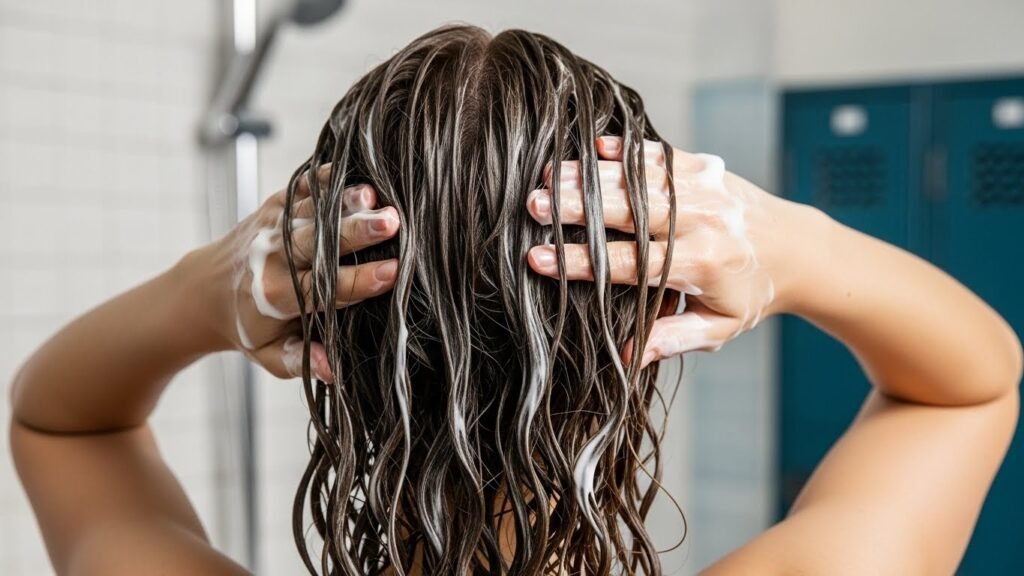
Applying a physical barrier is a pro move for wavy hair. You can use a cheap conditioner or a natural oil like coconut oil. This coats the hair and fills in those cuticle gaps we talked about. It makes it much harder for chlorine to attach to your hair strands. Just be sure to use a product that is biodegradable if you swim in nature. This step keeps your waves slippery and protected. It also makes detangling much easier when you are done.
Mechanical Protection
A swim cap is your best friend for long-term hair health. It might not look the coolest, but it works the best. A cap creates a physical wall between your waves and the chemicals. Even if a little water leaks in, it is far less than an open swim. Silicone caps are usually better than latex because they do not pull on your hair. If you hate caps, at least put your hair in a high bun. Keeping your hair contained prevents it from tangling in the water.
Swim Cap Material Science
Silicone caps are the gold standard for most swimmers today. They are thick, durable, and very gentle on wavy hair textures. Latex caps are cheaper but can cause allergic reactions for some people. They also tend to “grab” the hair and cause breakage when you take them off. Lycra or fabric caps are very comfortable but offer zero water protection. They are only good for keeping hair out of your face. Choose silicone if you want to keep your hair as dry as possible.
Immediate Post-Pool Actions
What you do in the first ten minutes after swimming is vital. This is the core of how to take care of wavy hair after pool time. You need to get those chemicals off your head as fast as you can. The longer chlorine sits on your hair, the more damage it does. Even a quick rinse is better than doing nothing at all. Your goal is to stop the chemical reaction immediately. Think of it as an emergency flush for your hair.
The Flash Rinse
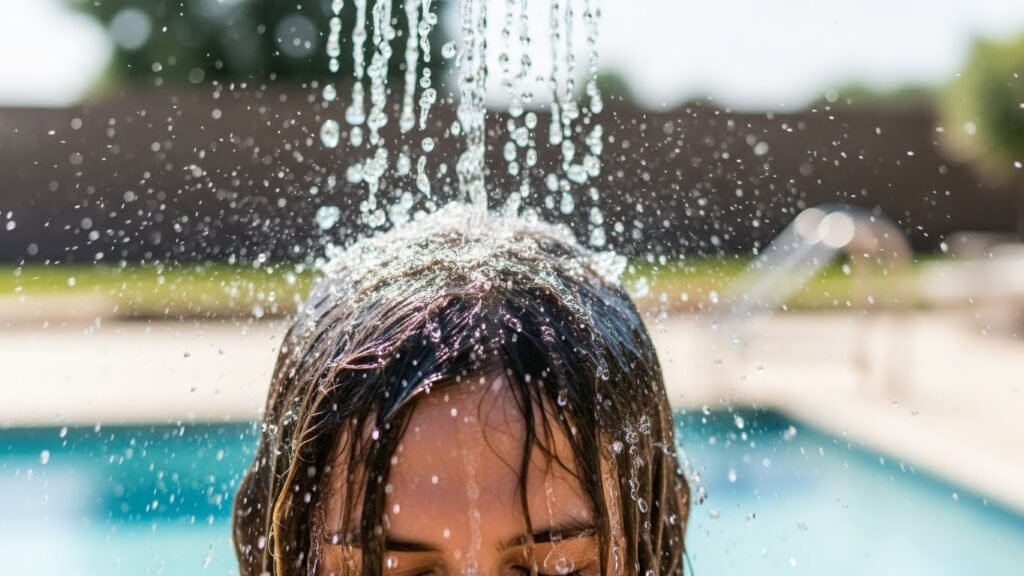
As soon as you step out of the pool, head to the shower. Use high-pressure water to knock the pool water out of your hair. Do not use hot water, as this will open the cuticle even more. Cool or lukewarm water is best for rinsing out chemicals. Make sure you get the water all the way to your scalp. This simple act can remove up to 70% of the surface chlorine. It is the easiest way to start your recovery routine.
Neutralizing the Scalp Microbiome
Your scalp is a living ecosystem that hates chlorine. Chemicals can cause your scalp to become dry, itchy, or red. This can lead to flakes that look like dandruff but are actually chemical burns. Rinsing well helps, but sometimes you need a soothing scalp mist. Look for ingredients like aloe vera or tea tree oil. These help calm the skin and keep your follicles healthy. A healthy scalp is the only way to grow strong, wavy hair.
The Role of Vitamin C
Vitamin C is a secret weapon for swimmers everywhere. It chemically neutralizes chlorine on contact. You can buy specialized Vitamin C sprays or make your own at home. Just dissolve a little bit of ascorbic acid powder in a spray bottle of water. Spray it on your hair right after your initial rinse. You will notice the “pool smell” disappears instantly. This means the chlorine is gone and can no longer hurt your waves.
Cleansing and Detoxifying Wavy Hair
Rinsing is great, but sometimes you need a deeper clean. Wavy hair can hold onto minerals and chemicals very tightly. A regular shampoo might not be strong enough to get everything out. You need products that are designed to “grab” onto pool gunk. However, you have to be careful not to over-strip your hair. It is a delicate balance between cleaning and moisturizing. Choosing the right soap makes all the difference for your waves.
Chelating Shampoos vs. Clarifying Shampoos
- Clarifying: These remove surface oils and basic styling product buildup.
- Chelating: These go deeper to remove heavy metals and minerals like copper.
- Frequency: Use clarifying weekly and chelating only after heavy pool use.
- Formula: Look for “EDTA” on the label for the best mineral removal.
Sulfate-Free Surfactants
Most cheap shampoos use harsh sulfates to create bubbles. These are way too strong for wavy hair that is already dry from the pool. Look for “sulfate-free” on the bottle to keep your hair safe. These shampoos use gentler cleaners that leave your natural oils alone. They still get the chlorine out without making your hair feel like straw. Your waves will be much softer and easier to manage. It is worth spending a few extra dollars for a better formula.
DIY Acidic Rinses
You can make great hair treatments in your own kitchen. An Apple Cider Vinegar (ACV) rinse is a classic for a reason. Mix one part vinegar with four parts water and pour it over your hair. The acidity helps close the hair cuticle and adds amazing shine. It also helps remove any lingering chemical smells. If you don’t like the smell of vinegar, lemon juice works too. Just be careful with lemon if you are going back into the sun.
Co-Washing After the Pool
Sometimes your hair is so dry that shampoo feels like a bad idea. This is when “co-washing” or conditioner-only washing comes in handy. You use a light conditioner to scrub your scalp instead of soap. This provides enough friction to clean while adding a ton of moisture. It is a great option if you swim every single day. It prevents the “stripped” feeling that comes from washing too often. Just make sure to use a real shampoo once or twice a week.
Restoring Moisture and Hydration
Once the chemicals are gone, you have to put the moisture back. This is where your wavy hair gets its bounce and shine. Without hydration, your waves will just look like a frizzy cloud. You need to use products that can actually get inside the hair strand. Surface moisture is okay, but deep hydration is better. This part of the process is the most rewarding. You will see your waves come back to life right before your eyes.
The Role of Rinse-Out Conditioners
A good rinse-out conditioner is your daily workhorse. It provides “slip,” which makes it easy to comb through your hair. Look for one that has plenty of fatty alcohols and oils. When you apply it, try to use the “squish to condish” method. This involves pulsing water and conditioner into your hair with your hands. It forces the moisture deep into the wavy structure. Never skip this step after being in the pool.
Deep Conditioning: Masks and Treatments
- Weekly Habit: Apply a heavy mask at least once a week during swim season.
- Heat it Up: Use a shower cap to trap heat and help the mask penetrate.
- Ingredients: Look for shea butter, avocado oil, or honey for best results.
- Time: Let the treatment sit for at least 10 to 20 minutes.
The “Squish to Condish” Method
This technique is a favorite in the wavy hair community. Instead of just rinsing your conditioner out, you squish it in. Cup your hands with water and scrunch your hair toward your scalp. You should hear a “squelching” sound if you are doing it right. This helps the water and conditioner form a hydrating milk. It encourages your waves to clump together into beautiful sections. It is the best way to fight pool-induced frizz.
Leave-in Conditioners
A leave-in conditioner stays on your hair all day for constant protection. It acts like a light shield against the air and humidity. For wavy hair, a spray-on leave-in is usually better than a heavy cream. It won’t weigh down your waves or make them look greasy. Apply it while your hair is still soaking wet for the best distribution. This keeps your hair hydrated until your next wash. It is an essential step in how to take care of wavy hair after pool time.
Repairing Chemical Damage and Strengthening
Sometimes, moisture is not enough to fix the problem. If your hair feels mushy or stretchy when wet, you need protein. Chemicals can break the bonds that hold your hair together. Repairing these bonds is a more advanced part of hair care. It involves using products that mimic the natural structure of your hair. This helps “fill in” the damage caused by the pool. It gives your waves the strength they need to stay curly.
Protein Treatments
Protein treatments are like a temporary patch for your hair. They use small proteins to fill in the holes in your hair’s cuticle. This makes the hair feel firmer and helps it hold its wavy shape. You can find these in the form of sprays, masks, or even DIY rice water. Be careful not to use them too often, or your hair might get brittle. Once every two or three weeks is usually enough for most people. It is all about finding the right balance for your specific hair.
Bond-Building Treatments
Bond builders are a newer type of technology that actually works. Unlike conditioners, they fix the internal structure of the hair. They are great for people who swim in heavy chlorine or have bleached hair. These products help reconnect broken disulfide bonds in the hair shaft. They can turn “straw” hair back into soft waves relatively quickly. While they can be a bit pricey, they are worth it for serious swimmers. They provide a level of repair that regular masks cannot touch.
Balancing Protein and Moisture
Your hair needs a mix of both protein and moisture to be healthy. Too much moisture makes your hair limp and “gummy.” Too much protein makes it stiff and prone to snapping. This balance is called the “Goldilocks zone” of hair care. After the pool, you usually need more moisture than protein. However, if you swim daily, a little protein help is necessary. Pay attention to how your hair feels to decide what it needs most.
Essential Vitamins and Oils
- Vitamin E: This is a great antioxidant that fights off chemical damage.
- Argan Oil: A light oil that adds shine without making waves feel heavy.
- Biotin: While better in your diet, it is a popular ingredient for hair strength.
- Jojoba Oil: This oil is very similar to your scalp’s natural oils.
Detangling Wavy Hair Safely
The pool is a nightmare for tangles and knots. The chemicals make hair “sticky,” causing strands to wrap around each other. If you rip through these knots, you will cause permanent damage. You have to be very patient and gentle when detangling. Never try to brush your hair when it is dry after swimming. This is the fastest way to create frizz and breakage. Always wait until you have plenty of conditioner in your hair.
The Dangers of Dry Brushing
Dry brushing wavy hair is usually a bad idea, but it’s worse after the pool. When your hair is dry and full of chlorine, it is very brittle. A brush will just snap the strands and create “micro-tears.” This leads to more frizz and split ends in the future. It also ruins your natural wave pattern by separating the clumps. Always detangle in the shower while your hair is wet and slippery. Your hair will thank you for the extra care.
Wide-Tooth Comb vs. Finger Detangling
A wide-tooth comb is a staple for anyone with wavy hair. The wide gaps allow the hair to pass through without pulling too hard. Many people prefer finger detangling because they can feel the knots. This allows you to gently pull a knot apart rather than ripping it. If you have a very bad tangle, start from the bottom and work your way up. This prevents the knot from getting tighter as you move. Take your time and use plenty of product.
Techniques for Removing “Bird’s Nest” Tangles
- Oil Soak: If a knot is really stuck, apply a little oil directly to it.
- Bottom-Up: Always start detangling at the tips and move toward the roots.
- Conditioner Galore: Never try to move a knot without a “slippery” product.
- Sectioning: Divide your hair into four parts to make the job less scary.
Using Detangling Sprays or “Slip” Agents
If your conditioner isn’t enough, try a detangling spray. These are designed to be extra slippery to help knots slide apart. They often contain light silicones or natural mucilage like marshmallow root. Spray it liberally on the tangled areas and let it sit for a minute. This gives the product time to penetrate the knot. It makes the whole process much faster and less painful. It’s a great tool to keep in your pool bag for quick fixes.
Styling and Defining Waves After the Pool
After your hair is clean and detangled, it’s time to style. You want to encourage your waves to look their best without using heat. Pool-damaged hair is very sensitive to blow dryers and flat irons. Air drying is usually the safest bet for post-pool waves. There are many ways to get great definition without a lot of work. It is all about using the right products while the hair is wet. This sets the stage for a great hair day.
Methods for Enhancing Natural Wave Patterns
The best way to get waves is to work with them, not against them. While your hair is wet, apply your styling products using “praying hands.” This means smoothing the product over the hair rather than raking it through. Then, scrunch the hair upward toward your scalp. This “activates” the wave and helps it hold its shape. You can also try twisting small sections of hair around your finger. This creates a more defined, “spiraled” look for your waves.
Using Lightweight Mousses vs. Heavy Gels
Wavy hair can be easily weighed down by heavy products. Gels are great for hold, but some can be too crunchy or heavy. Mousses are usually lighter and provide a lot of volume. If your waves are fine, stick with a foam or mousse. If your waves are thick and coarse, a gel might be better for frizz control. You can even mix the two for the best of both worlds. Always look for alcohol-free options to avoid further drying.
The “Plopping” Technique
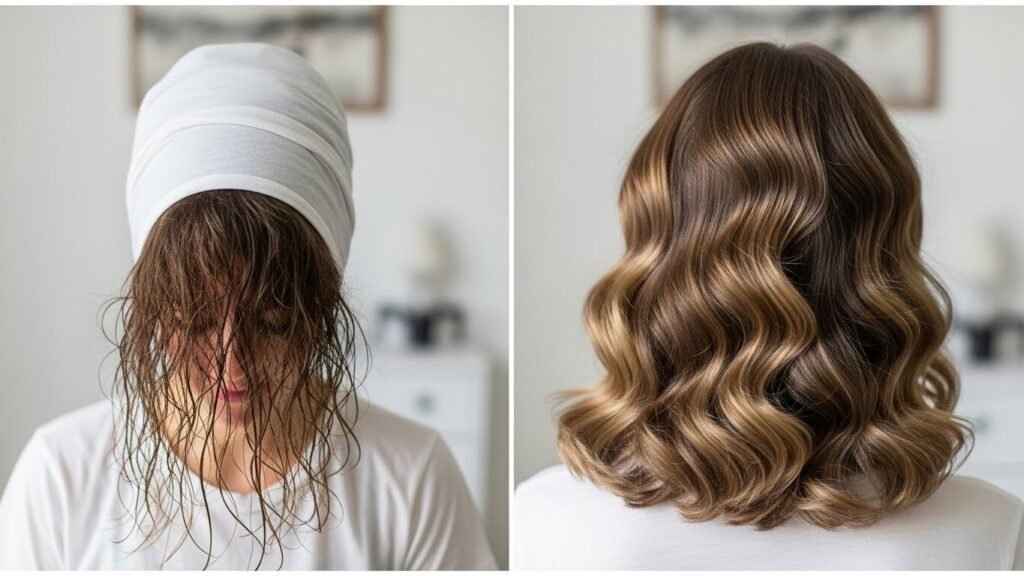
- T-Shirt Magic: Use an old cotton T-shirt instead of a rough towel.
- The Fold: Lay the shirt flat, flip your hair into it, and tie the sleeves.
- Time: Leave your hair “plopped” for 10 to 20 minutes to soak up water.
- Benefit: This keeps your waves compressed against your head to prevent frizz.
Air Drying vs. Diffusing
Air drying is the gentlest way to dry your waves after the pool. It gives your hair a break from any heat stress. However, if you are in a rush, use a diffuser on the “cool” setting. A diffuser spreads the air out so it doesn’t blow your waves apart. It helps add volume and speeds up the drying process. Just be sure not to touch your hair while it is drying. Touching wet waves is the number one cause of frizz.
Long-Term Maintenance for Frequent Swimmers
If you swim every day, you need a long-term plan. You can’t just react to damage; you have to prevent it. A consistent routine will keep your hair healthy all year round. This involves both what you do at the pool and what you do at home. Even small habits can make a huge difference over time. Think of it like a fitness routine for your hair. The more consistent you are, the better the results will be.
Establishing a “Swimmer’s Routine”
A good routine should be easy to follow so you don’t give up. On swim days, focus on protection and rinsing. On non-swim days, focus on deep hydration and repair. Having a set “pool bag” with all your supplies is very helpful. This way, you never find yourself at the pool without protection. Consistency is the secret to how to take care of wavy hair after pool days. Your hair will adapt to the routine and stay stronger.
The Importance of Regular Trims
Pool chemicals often cause the ends of your hair to split. Once a hair is split, the damage can travel up the strand. Getting a “dusting” or a tiny trim every few months is vital. This removes the oldest, most damaged part of your waves. It keeps your hair looking thick and healthy from root to tip. You don’t have to cut off a lot of length to see a big difference. Fresh ends always make waves bounce better.
Protective Hairstyles for the Pool
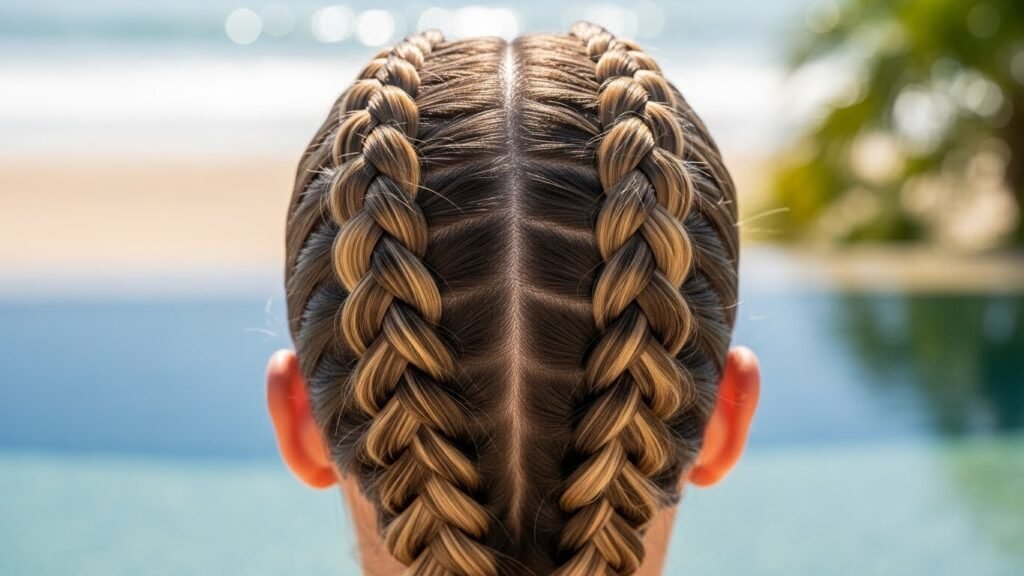
- French Braids: These keep hair secure and prevent tangling in the water.
- High Bun: This keeps the ends of your hair out of the water mostly.
- Bubble Braids: A fun way to keep long hair contained and stylish.
- Low Pony: Simple and effective for keeping hair from floating around.
Dietary Considerations for Hair Health
What you eat shows up in your hair quality. Eating plenty of healthy fats, like those in salmon or walnuts, helps your natural oils. Drinking lots of water is also important for hair hydration. If your body is dehydrated, your hair will be the first thing to suffer. Some people find that taking a multivitamin helps their hair stay strong. While food won’t fix chlorine damage, it helps your hair grow back healthier. Healthy hair starts from the inside out.
Troubleshooting Common Post-Pool Hair Issues
Even with the best care, problems can still happen. You might notice your hair feels a bit “off” after a long day at the pool. Don’t panic; most issues can be fixed with a little extra attention. Learning how to spot these problems early is very helpful. It allows you to fix them before they become permanent. Here are some of the most common issues swimmers face with their waves. Most can be solved with a simple product swap.
How to Fix “Crunchy” or “Straw-like” Texture
If your hair feels like straw, it is severely dehydrated. You need an “emergency” moisture treatment immediately. Start with a clarifying wash to remove any chemical buildup. Then, follow up with a heavy deep conditioner and leave it on for an hour. You might also want to try a “pre-poo” oil treatment before your next wash. This involves soaking your hair in oil for a few hours. It helps “re-grease” the hair and restore softness.
Reversing the Green Tint in Blonde Waves
Green hair is caused by copper in the pool water, not just chlorine. The chlorine oxidizes the copper, which then sticks to your hair. This is most common on light-colored or blonde waves. You can use a “swimmer’s shampoo” to remove the green tint. Some people swear by a ketchup rinse because the red cancels out the green. While it sounds gross, the acidity and color help fix the problem. Always follow up with a good wash to remove the smell.
Managing an Itchy, Dry Scalp
An itchy scalp is a sign of chemical irritation or dryness. Try using a scalp oil with peppermint or tea tree to soothe the area. Avoid using very hot water, which can make the itchiness worse. You can also try a gentle scalp scrub to remove any dead skin or chemicals. If the itching persists, you might need to see a doctor for a medicated wash. Most of the time, extra hydration is all you need. Keep your scalp happy to keep your waves growing.
Dealing with Limp or “Flat” Waves
- Clarify: Your hair might be weighed down by minerals or product.
- Protein: Limp hair often needs a little protein to regain its bounce.
- Lighter Products: Switch to a foam instead of a heavy cream for a while.
- Root Lift: Try drying your hair upside down for extra volume.
Essential Products Every Wavy Swimmer Needs
Having the right tools makes everything easier. You don’t need a hundred products, just a few good ones. A well-stocked pool bag is your best defense against damage. Look for items that serve more than one purpose to save space. Quality matters more than quantity when it comes to hair care. Investing in a few “holy grail” items will save you money in the long run. Here is a list of things you should always have on hand.
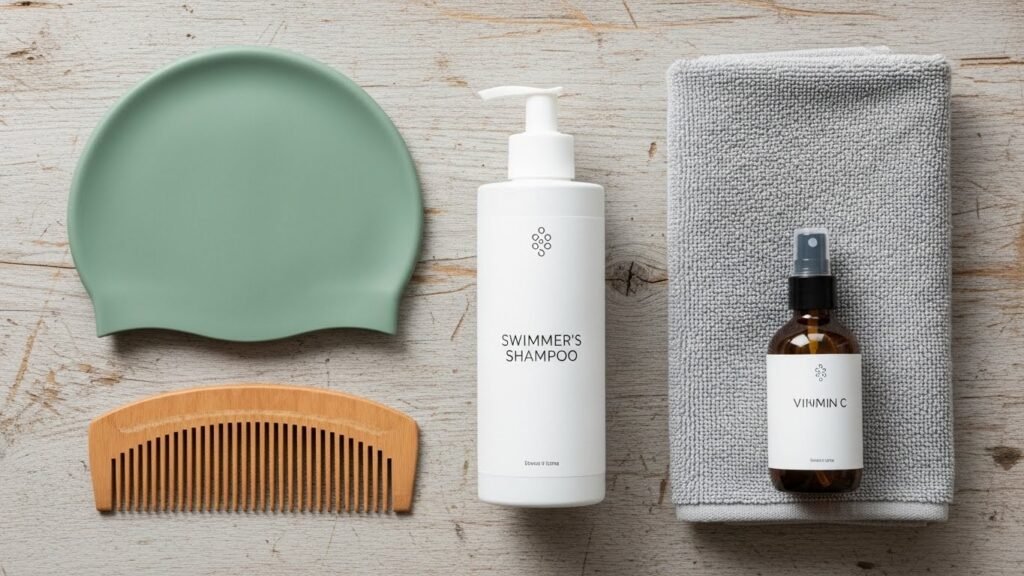
Checklist of Must-Have Items
- A High-Quality Swim Cap: Silicone is preferred for wavy hair.
- Chelating Shampoo: Specifically for removing chlorine and minerals.
- Deep Conditioner: For those weekly recovery sessions.
- Microfiber Towel: To prevent frizz while drying your waves.
- Wide-Tooth Comb: For safe detangling in the shower.
Top Recommended Ingredients
When shopping, read the back of the bottle. Look for ingredients that provide moisture and protection. Aloe vera is great for soothing the scalp and hydrating hair. Coconut oil is one of the few oils that can actually penetrate the hair shaft. Panthenol (Pro-vitamin B5) is amazing for adding shine and strength. Avoid products with “denatured alcohol” as they will dry out your waves even more. Knowing your ingredients is a superpower for hair health.
Microfiber Towels vs. Cotton T-Shirts
Regular bath towels are too rough for wavy hair. They have tiny loops that grab your hair and rip the cuticle. This creates instant frizz and ruins your wave definition. Microfiber towels are much smoother and soak up water quickly. An old cotton T-shirt is another great, cheap alternative. Both options are much gentler on your hair than a standard towel. Once you switch, you will never go back to regular towels again.
Summary of Best Practices for Healthy Waves
Taking care of your waves doesn’t have to be a chore. It is all about building simple habits that protect your hair. Start with a pre-swim rinse and a bit of oil or conditioner. Use a swim cap if you can, or at least keep your hair tied up. After your swim, rinse immediately and use a gentle, sulfate-free shampoo. Follow up with plenty of moisture and a safe detangling method. These steps are the foundation of how to take care of wavy hair after pool days.
Your hair is an investment, and it deserves a little love. Swimming is a great way to stay active and have fun. You don’t have to let the pool win the battle against your hair. With these tips, you can enjoy the water and still have “good hair days” all summer. Remember to be patient and consistent with your routine. Your waves will reward you by staying soft, shiny, and full of life. Now, go jump in and enjoy the water!
Frequently Asked Questions About Swimming with Wavy Hair
Can I use baking soda to remove chlorine from my waves?
Baking soda is very alkaline and can be quite harsh on wavy hair. While it does strip away chemicals, it often leaves the hair feeling like sandpaper. It is much better to use a dedicated swimmer’s shampoo or an apple cider vinegar rinse. These options protect your natural wave pattern much better than baking soda. Always follow up with a deep conditioner if you choose a DIY cleaning route.
Is it safe to swim in a pool if I just got a perm or chemical treatment?
You should wait at least 48 to 72 hours before hitting the pool after a chemical service. Freshly treated hair is very porous and unstable. Chlorine can break down the new bonds and ruin your expensive salon results. Once the waiting period is over, follow the full routine for how to take care of wavy hair after pool sessions. This ensures your new texture stays intact and healthy.
Does wearing a swim cap cause hair loss or receding hairlines?
A swim cap will not cause hair loss if you use it correctly. The key is to avoid caps that are too tight or made of sticky latex. Silicone caps glide over the hair more easily and do not pull on the follicles. Always wet your hair before putting the cap on to reduce friction. This keeps your hairline safe while providing the best protection from pool chemicals.
Can I leave a deep conditioner in my hair while I swim?
Many swimmers love this trick to create a protective barrier. Applying a thick mask before you jump in prevents the pool water from soaking into the strands. However, some public pools do not allow this because it can make the water cloudy. Check the pool rules first or stick to a light leave-in oil. If you do use a mask, make sure to rinse it out thoroughly afterward.
Why does my wavy hair feel sticky even after I wash it?
Sticky hair is usually a sign of mineral buildup from hard water or copper. Regular soap cannot always grab these heavy minerals. You likely need a chelating shampoo to break the bond between the minerals and your hair. This sticky feeling is common in older pools or those with high calcium levels. One or two washes with a specialized formula should bring back your hair’s natural softness.
Should I wash my hair before I go to the pool?
You should rinse your hair with fresh water, but do not use shampoo. Washing with soap removes the natural oils that protect your hair from chlorine. You want those oils to stay on your scalp while you are in the water. Save the shampooing for your post-swim recovery routine. Just soaking your hair with plain tap water is the best way to start your day.
Is steam or a sauna good for wavy hair after swimming?
Steam can be great for opening the cuticle to let a deep conditioner sink in. If your gym has a sauna, try sitting in it with a hair mask on after your shower. The gentle heat helps the moisture penetrate deeper into your waves. Just make sure your hair is clean and free of chlorine before you enter. This turns your post-pool shower into a high-end spa treatment.
Can chlorine make my wavy hair turn grey or white?
Chlorine acts as a bleach and can definitely fade your natural or dyed color. While it won’t turn your hair grey overnight, it can make it look ashy and washed out. For people with dark hair, it often creates a reddish or “rusty” tint. Protecting your hair is the only way to keep your natural pigment looking vibrant. Using a UV spray helps stop the sun from making this bleaching effect even worse.
How do I protect my waves if I swim in the ocean instead of a pool?
Ocean water is very salty and dries out hair through a process called osmosis. The routine for how to take care of wavy hair after pool days also works for the beach. You still need to rinse with fresh water and use a heavy conditioner. Salt can also create physical tangles, so detangling with plenty of “slip” is extra important. Always rinse as soon as you get back to the sand.
Does a ponytail or bun protect my hair better in the water?
Keeping your hair tied up reduces the surface area that touches the chemicals. It also stops your waves from floating around and getting tangled with each other. A high bun is usually best because it stays out of the water more often. Use a “scrunchie” made of fabric or silicone instead of a thin elastic band. This prevents the “pool-snap” that happens when wet hair is tied too tightly.
What is the best way to handle “swimmer’s ear” while protecting my hair?
Using earplugs is the best way to prevent infections without messing with your hair routine. Some swim caps come with extra space or flaps to cover the ears completely. This provides a double benefit of keeping water out of your ears and off your hair. If you use ear drops, try not to get them on your hair as they can be oily. A well-fitted silicone cap is usually the easiest solution for both problems.
Is it okay to use a hair dryer on “pool hair” if I am in a rush?
If you must use a hair dryer, always use the lowest heat setting possible. Your hair is already stressed from the chemicals and heat will only make it worse. Use a diffuser attachment to keep the air from blowing your waves into a frizz ball. Applying a heat protectant is a non-negotiable step in this situation. Ideally, you should let your hair air dry to recover from the pool.
Can I use a regular bar of soap to wash my hair at the pool shower?
Never use a bar of soap on your hair, especially after swimming. Bar soap has a very high pH that will blow your hair cuticle wide open. It leaves a waxy residue that is almost impossible to get out of wavy hair. It will make your hair feel like straw and look very dull. Always pack a small travel bottle of your favorite sulfate-free shampoo instead.
Why do my waves look flatter than usual after a week of swimming?
This is often caused by a mix of chemical damage and “moisture overload.” If you are conditioning a lot but not using protein, your waves lose their “spring.” Try a light protein treatment to give your hair the structure it needs to bounce back. Also, make sure you are clarifying to remove any heavy oils or minerals. Balancing your products is key to maintaining your natural wave pattern.
How do I stop my hair from smelling like a pool for days?
That “pool smell” is actually the scent of chemicals reacting with the bacteria on your skin. A Vitamin C spray is the most effective way to kill that scent instantly. You can also use a shampoo that contains citrus extracts or rosemary. These natural scents are great at neutralizing the heavy chemical odor. If the smell stays, it means there is still chlorine trapped in your hair.
Can children use the same post-pool hair products as adults?
Most “swimmer’s shampoos” are safe for kids, but you should look for “tear-free” versions. Children’s hair is often finer and can get tangled very easily. Using a detangling spray is a must for kids with wavy hair after the pool. Make the routine fun so they learn how to take care of wavy hair after pool time early on. It saves them from years of frizzy hair struggles.
Is it okay to brush my hair while I am actually in the pool?
You should never brush your hair while it is submerged in pool water. Wet hair is at its weakest and can stretch and snap very easily. Brushing also spreads the chemicals deeper into the hair clumps. Wait until you are in the shower and have applied a slippery conditioner. This is the only safe time to use a comb or brush on wet waves.
Does a “pre-swim” spray actually work or is it a marketing trick?
Pre-swim sprays are very effective because they contain ingredients that block chemical absorption. Most are made with oils or specialized silicones that water cannot easily penetrate. They act like an invisible swim cap for your strands. While they aren’t a total shield, they significantly reduce the amount of damage. They are a great investment for anyone who swims more than once a week.
Can I use a leave-in conditioner as my “pre-swim” barrier?
Yes, a leave-in conditioner is a great budget-friendly option for protection. It fills the hair shaft so the chlorine has nowhere to go. Just make sure you apply a generous amount and work it through all your waves. If you have low-porosity hair, you might need to use a bit of warm water to help it sink in. It is a simple and effective part of a solid hair care routine.
How do I manage my hair if I swim at night?
Swimming at night is easier on your hair because you don’t have to deal with UV rays. However, you still have to deal with the chlorine and the “wet head” problem. Never go to sleep with damp hair after a night swim, as this causes fungal growth and breakage. Follow your full wash and condition routine, then dry your hair thoroughly. Use a silk scarf or pillowcase to protect your waves while you sleep.