 Skip to content
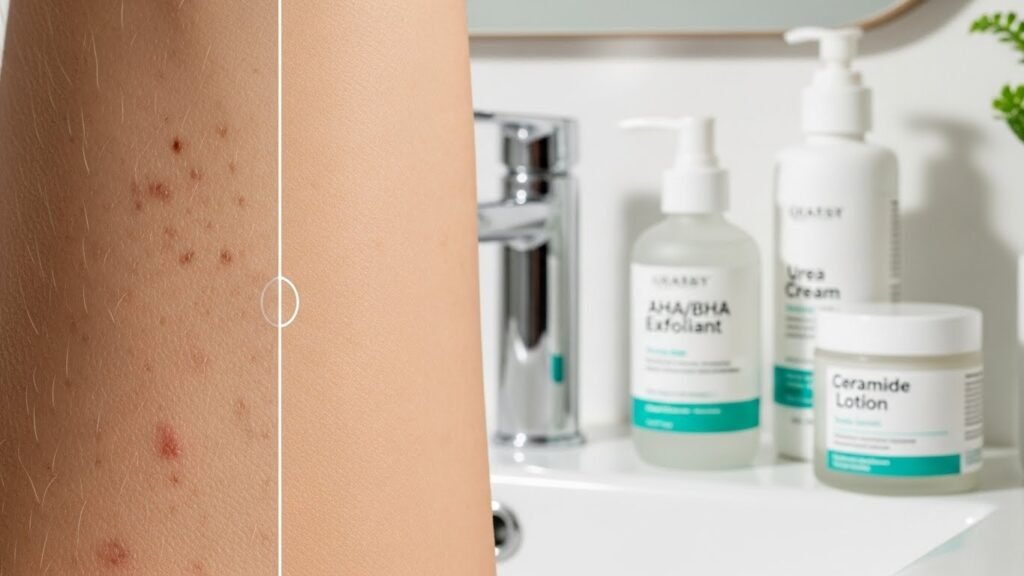
Strawberry skin is a common thing that many people deal with every day. It makes your skin look like the outside of a strawberry with tiny dark dots. These dots show up when your pores or hair follicles get filled with gunk. While it might look a bit weird, it is not a dangerous health problem.
What is Strawberry Skin? Understanding the Condition
The term strawberry skin is just a nickname for a few different skin issues. It describes the appearance of small dark spots that look like tiny seeds. You will usually find these spots on your legs, arms, or even your cheeks. Understanding why they happen is the first step to getting smoother skin.
Defining Strawberry Skin
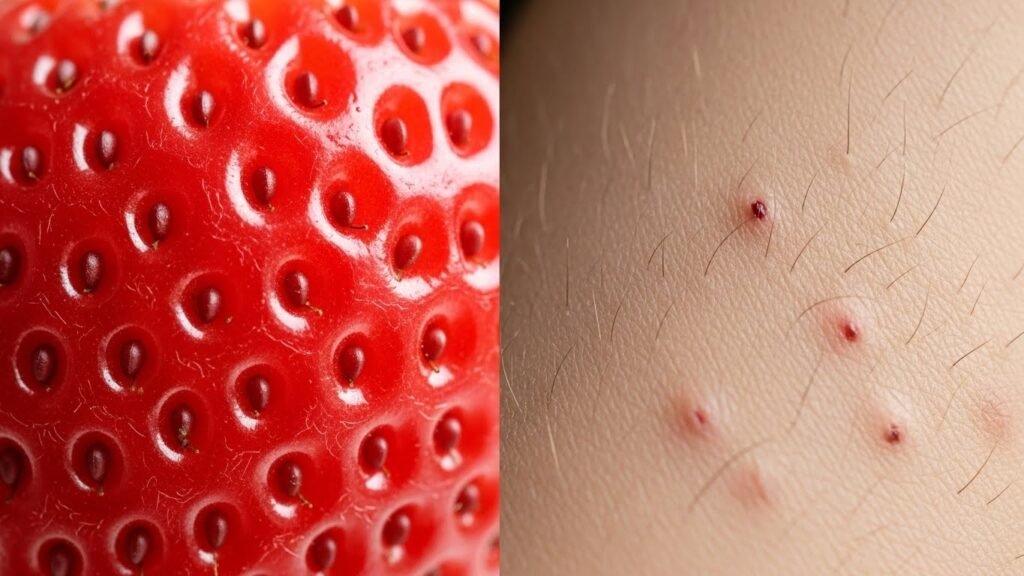
- Visual appearance: The skin has small, dark, or red bumps that look like strawberry seeds.
- Tactile feel: Your skin might feel rough or like sandpaper when you touch it.
- Commonality: Most people will experience this at some point in their life.
The Science Behind the Spots
Your skin has thousands of tiny openings called pores and hair follicles. When these openings get blocked, they start to stand out against your skin tone. If the blockage is open to the air, it turns dark through a process called oxidation. This makes the blocked pore look like a dark seed on your leg.
Is it Harmful?
You do not need to worry about strawberry skin being a medical emergency. It does not spread to other people and it usually does not hurt. Most people only care about it because of how it looks in shorts or skirts. It is a cosmetic concern that is very easy to manage at home.
Common Areas of Occurrence
- Legs: This is the most common spot because of shaving habits and dryness.
- Arms: The back of the upper arms often sees these tiny bumps.
- Cheeks: Some people get a mild version of this on their face.
Identifying the Underlying Causes
There are a few different reasons why you might see these dots. Sometimes it is just your genetics, and other times it is your habits. Knowing the cause helps you pick the right treatment for your skin. Let’s look at the main culprits behind this textured skin.
Keratosis Pilaris (KP)
- Keratin buildup: Your body makes a protein called keratin to protect the skin.
- Follicular plugs: Too much keratin can build up and block the hair follicle.
- Chicken skin: This condition is also often called chicken skin because of the bumps.
Folliculitis
- Inflammation: This happens when your hair follicles get irritated or infected.
- Triggers: It can be caused by bacteria, yeast, or even fungus from sweat.
- Shaving: Constant friction from tight clothes or razors can cause this issue.
Clogged Pores (Open Comedones)
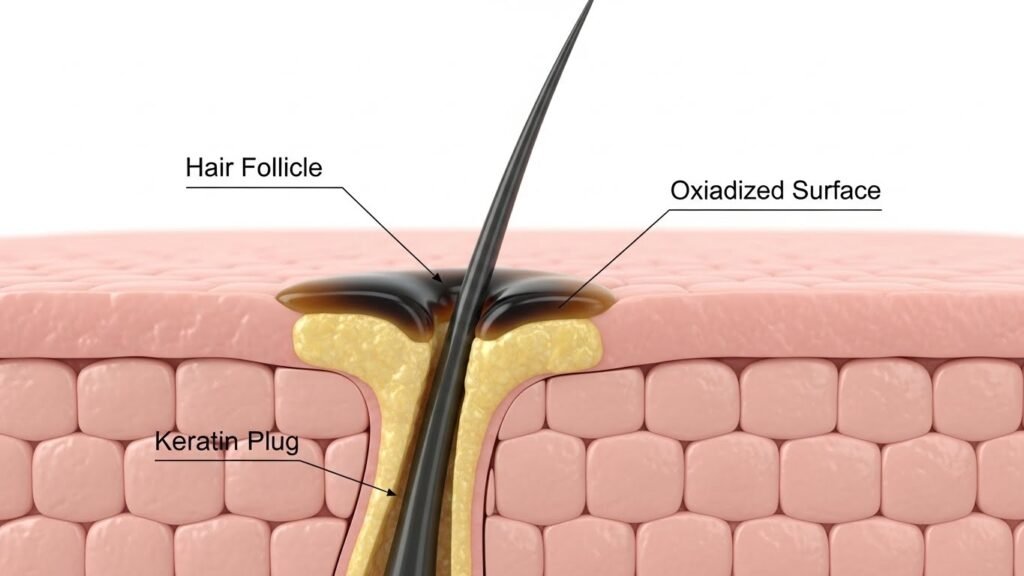
- Sebum and dead skin: Your skin naturally produces oil called sebum.
- Blockages: When oil mixes with dead skin cells, it creates a plug.
- Darkening: As these plugs hit the air, they turn black like a blackhead.
Improper Shaving Techniques
- Dull razors: Using an old blade pulls the skin and causes irritation.
- Dry shaving: Shaving without cream or gel creates micro-tears in the skin.
- Ingrown hairs: Hair that curls back into the skin looks like a dark dot.
Extreme Skin Dryness
- Rough texture: Dry skin makes it harder for dead skin cells to shed.
- Compromised barrier: A weak skin barrier allows irritants to enter more easily.
- Visibility: Bumps and spots show up more clearly on very dry or flaky skin.
Genetic Factors
- Family history: If your parents had KP, you are more likely to have it.
- Skin type: Certain skin types are naturally more prone to clogged pores.
- Puberty: Changes in hormones during puberty can make strawberry skin more visible.
Dr. Pimple Popper’s Recommended 2-Step Method
Dr. Sandra Lee, also known as Dr. Pimple Popper, has a simple plan. She says you do not need a complicated routine to see results. The goal is to clear the plugs and then keep the skin soft. This 2-step method is a great starting point for beginners.
Step 1: Gentle Chemical Exfoliation
- Avoid scrubbing: Harsh physical scrubs can actually make the redness worse.
- Use acids: Chemical exfoliants like glycolic or lactic acid work much better.
- Dissolve plugs: These acids go deep to melt the keratin and oil plugs.
Step 2: Strategic Moisturizing
- Seal it in: After you exfoliate, you must put moisture back into the skin.
- Hydrating ingredients: Look for products that contain hyaluronic acid or niacinamide.
- Consistency: Doing this every day is the only way to keep the skin smooth.
The Essential Skincare Routine to Reduce Strawberry Skin
A daily routine is your best weapon against strawberry skin. It is not about doing a lot once, but doing a little every day. You need to be patient because your skin takes time to change. Follow these steps to build a routine that actually works.
Proper Bathing Etiquette

- Lukewarm water: Stop using steaming hot water because it dries you out.
- Mild cleansers: Use oil-free and fragrance-free soaps to keep your skin happy.
- Pat dry: Gently tap your skin with a towel instead of rubbing it hard.
Advanced Exfoliation Strategies
- Chemical vs. Physical: Chemicals like AHA and BHA are gentler than nut shells.
- Frequency: Only exfoliate 1 to 2 times a week so you do not hurt your skin.
- Dry brushing: Use a soft brush on dry skin to help boost cell turnover.
Hydration and Barrier Repair
- The 3-minute rule: Apply your lotion within three minutes of getting out of the shower.
- Urea and Lactic Acid: These ingredients are great for breaking down tough skin.
- Ceramides: These help rebuild your skin barrier to keep moisture locked in tight.
| Ingredient | Purpose | Skin Benefit |
| Salicylic Acid | BHA | Cleans inside pores |
| Glycolic Acid | AHA | Smooths skin texture |
| Urea | Keratolytic | Softens thick skin |
| Ceramides | Lipid | Repairs skin barrier |
Rethinking Your Hair Removal Routine
How you remove hair plays a huge role in strawberry skin. Shaving is the most common cause of irritation and dark spots. If you do not want to stop shaving, you must change how you do it. There are also other ways to get rid of hair that might be better.
Best Practices for Shaving
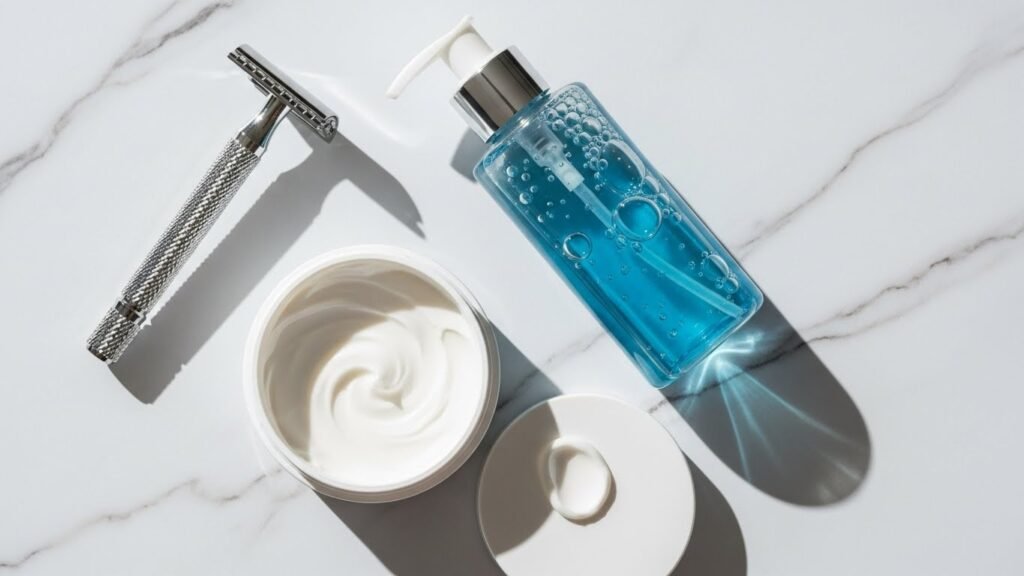
- Razor maintenance: Get a new blade every 6 shaves to keep it sharp.
- Storage: Keep your razor in a dry place, not in the wet shower.
- Shaving prep: Use a thick shaving gel or cream to protect your skin.
- Direction: Always shave in the direction the hair grows, not against it.
Alternatives to Shaving
- Epilators: These tools pull hair from the root and last for weeks.
- Laser hair removal: This is a long-term fix that stops hair from growing back.
- Electrolysis: This is the only way to permanently remove hair for good.
Best Ingredients for Treating Keratosis Pilaris and Clogged Pores
You need to look for specific ingredients on your product labels. Not all lotions are the same when it comes to strawberry skin. Some ingredients are made to dissolve plugs, while others just soothe. Using a mix of these will give you the best results.
- Glycolic Acid: This is an AHA that peels away dead skin cells.
- Salicylic Acid: This BHA gets deep into the oil to clear your pores.
- Benzoyl Peroxide: This is great for killing bacteria that cause red bumps.
- Shea Butter: A natural way to keep your skin very soft and hydrated.
Finding the right products is essential for clearing strawberry skin. You should look for specific active ingredients that are designed to dissolve keratin and clear out pores.
Here are the specific product types and ingredients you should look for on labels:
Exfoliating Cleansers and Washes
- Salicylic Acid (BHA) Washes: This ingredient is oil-soluble and gets deep into the oil to clear your pores.
- Benzoyl Peroxide Washes: These are excellent for killing bacteria that cause red bumps and inflammation.
- Glycolic Acid Washes: This is an AHA that works on the surface to peel away dead skin cells.
Targeted Treatment Lotions
- Lactic Acid Creams: These act as chemical exfoliants to go deep and melt the keratin and oil plugs.
- Urea-Based Creams: Urea is a keratolytic that is specifically made to soften and break down thick, tough skin.
- Retinoid Lotions: For more stubborn cases, a dermatologist may suggest a retinoid to help speed up cell turnover.
Barrier Repair and Soothing Moisturizers
- Ceramide Creams: These help rebuild your skin barrier to keep moisture locked in tight.
- Hyaluronic Acid Serums: These help pull moisture into the skin to keep it soft.
- Niacinamide Lotions: This ingredient helps soothe the skin and supports the 2-step method of clearing plugs and then keeping skin soft.
- Shea Butter Balms: A natural emollient used to keep your skin very soft and hydrated.
Shaving and Hair Removal Aids
- Hydrating Shave Gels: Use a thick shaving gel or cream to create a protective barrier for your skin.
- Fresh Razors: Always use a new blade every 6 shaves to ensure it remains sharp and does not pull the skin.
- Post-Shave Balms: Look for alcohol-free balms that contain soothing ingredients like niacinamide to prevent irritation
Weekly Skin Smoothing Routine for Strawberry Skin
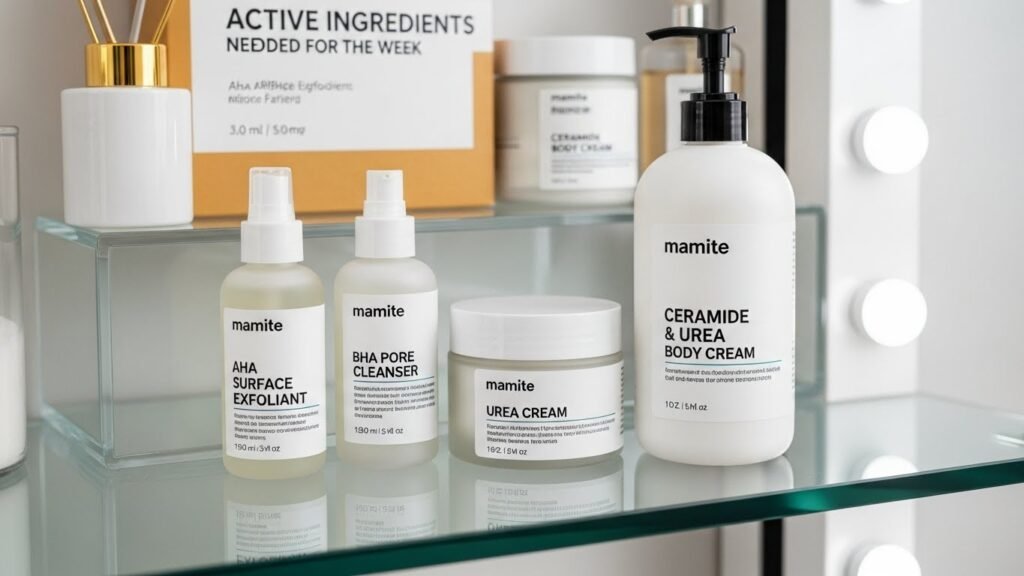
This routine is designed to be gentle while effectively targeting the buildup of keratin and oils. Consistency is the most important factor for seeing visible results.
Daily Maintenance (Every Morning and Evening)
- Lukewarm Showers: Avoid steaming hot water as it strips the skin of essential oils and increases dryness.
- Mild Cleansing: Use a fragrance-free, oil-free cleanser to wash the affected areas without causing irritation.
- The 3-Minute Rule: After bathing, gently pat your skin dry with a towel instead of rubbing. Apply a hydrating moisturizer within three minutes to lock in moisture.
- Barrier Support: Look for lotions containing ceramides or niacinamide to help rebuild and protect your skin’s natural barrier.
The Weekly Schedule
Monday: Gentle Chemical Exfoliation
- Night Treatment: Apply a lotion or serum containing an AHA like Glycolic or Lactic acid. This helps dissolve the keratin plugs that create the “strawberry” look.
Tuesday: Deep Hydration
- Focus on Softening: Skip the acids today. Use a rich moisturizer containing urea or shea butter to soften the skin texture.
Wednesday: Pore Clearing (BHA)
- Mid-Week Cleanse: Use a product with Salicylic acid. This BHA gets deep into the oil to clear out the “seeds” or blackheads in your pores.
Thursday: Skin Recovery
- Calm the Skin: Use a basic, unscented moisturizer. Avoid any active ingredients today to let the skin barrier rest.
Friday: Optional Physical Prep
- Dry Brushing: Use a soft-bristled brush on dry skin before your shower to gently boost cell turnover.
- Moisturize: Immediately follow your shower with a ceramide-rich cream.
Saturday: Hair Removal Care (If Shaving)
- Prep: Take a warm shower to soften the hair and use a thick shaving gel.
- Shave: Use a fresh, sharp razor and move in the direction of hair growth.
- Post-Care: Apply a soothing moisturizer immediately to prevent razor burn and dryness.
Sunday: Evaluation and Rest
- Check Progress: Look for any signs of irritation or redness.
- Heavy Moisture: Apply a thick layer of hydrating cream to prepare your skin for the upcoming week.
Expert Tips for Success
- Be Patient: It usually takes 4 to 6 weeks of following a routine like this to see a significant change in skin texture.
- Don’t Pick: Avoid the urge to squeeze or pick at the bumps, as this leads to permanent scarring and dark spots.
- Clothing Matters: On your exfoliation days, wear loose cotton clothing to prevent friction and allow your skin to breathe.
Habits to Avoid: What Makes Strawberry Skin Worse
Sometimes the things we do to “fix” our skin make it worse. You have to be gentle with your body to see real improvement. Avoid these common mistakes if you want to clear up your skin. Breaking these habits is just as important as using the right cream.
- Stop picking: Picking at bumps causes scars and dark spots called hyperpigmentation.
- Don’t over-exfoliate: Scrubbing every day will strip your skin and cause more oil.
- Skip tight clothes: Friction from leggings can trap sweat and irritate your follicles.
When to See a Dermatologist
If home treatments do not work, it might be time for an expert. A dermatologist can give you stronger creams or special treatments. They can also make sure you do not have a skin infection. Do not be afraid to ask for help if your skin is bothering you.
- Persistent itching: If your skin is very itchy, you might have an infection.
- Pus or scabbing: These are signs that bacteria have gotten into your pores.
- Prescription help: You might need a retinoid or high-strength urea cream.
Conclusion
Strawberry skin is a common thing that many people deal with every day. While it makes your skin look like the outside of a strawberry with tiny dark dots, it is important to remember that this is a cosmetic concern and not a dangerous health problem. These dots appear when your pores or hair follicles become blocked by a buildup of keratin, oil, and dead skin cells.
Getting smoother skin starts with understanding the specific cause of your texture, whether it is Keratosis Pilaris, folliculitis, or improper shaving habits. By following a consistent routine of gentle chemical exfoliation and strategic moisturizing, most people can successfully manage the condition at home.
For the best results, remember these key points for success:
- Be Patient: It usually takes 4 to 6 weeks of following a consistent routine to see a significant change in skin texture.
- Consistency is Key: Doing a little bit of skin care every day is much more effective than doing a lot once in a while.
- Be Gentle: Avoid the urge to pick at bumps or use harsh physical scrubs, as these can lead to permanent scarring and increased irritation.
- Watch for Warning Signs: If you experience persistent itching, pus, or scabbing, consult a dermatologist to rule out a skin infection.
Strawberry skin is totally normal and very easy to manage with the right approach. By using the proper ingredients and adjusting your daily habits, you can achieve the smooth, healthy skin you desire.
FAQs About Managing and Preventing Strawberry Skin
While basic care helps many, you might still have specific questions about how “strawberry skin” interacts with your lifestyle, professional treatments, and various skin types. Here are detailed answers to common concerns not covered in the primary guide.
Does laser hair removal completely get rid of strawberry skin?
Laser hair removal is highly effective because it destroys the hair follicle, which stops the root cause of many dark spots. While it significantly reduces the appearance of clogged pores and ingrown hairs, it may not completely eliminate texture caused by genetic Keratosis Pilaris. Most people see a 75% to 90% improvement in skin smoothness after a full course of treatment.
Can I use a loofah to scrub away the bumps?
Using a loofah is generally discouraged because these mesh sponges can harbor bacteria and cause micro-tears in the skin. Aggressive scrubbing often leads to more inflammation and redness rather than smoother skin. It is much safer to use a soft microfiber cloth or a gentle chemical exfoliant to dissolve the bumps.
Is strawberry skin the same thing as razor burn?
They are different but related; strawberry skin refers to the visible dark dots or trapped keratin in the pores. Razor burn is an acute irritation that causes a red rash, stinging, and itchiness immediately after shaving. However, frequent razor burn can lead to the inflammation that eventually causes strawberry skin.
Why does the condition seem to flare up during puberty?
Hormonal changes during puberty increase the production of sebum, which is the natural oil in your skin. This excess oil, combined with a higher rate of skin cell turnover, makes it much easier for pores to become clogged. As hormone levels stabilize, many people find that their skin texture improves naturally.
Can men get strawberry skin too?
Yes, this condition affects people of all genders, though it is often discussed more by women due to leg shaving habits. Men frequently experience it on their upper arms, back, or in the beard area if they shave their face with dull blades. The treatment of exfoliation and moisturizing remains the same for everyone.
Does swimming in pools make the bumps worse?
Chlorine in swimming pools can strip the skin of its natural moisture, leading to extreme dryness. Since dry skin is a major trigger for Keratosis Pilaris, swimming can make the bumps feel rougher and look more prominent. It is important to rinse off chlorine immediately and apply a thick moisturizer after swimming.
Are there any specific fabrics I should avoid wearing?
Polyester and other synthetic, non-breathable fabrics can trap sweat and bacteria against your skin. This friction and lack of airflow can lead to folliculitis, which mimics the look of strawberry skin. Choosing loose-fitting cotton or moisture-wicking clothes can help reduce irritation on the legs and arms.
Can vitamin deficiencies cause these spots?
While strawberry skin is mostly genetic or habit-based, a lack of Vitamin A or Vitamin C can sometimes affect how your skin sheds dead cells. If your skin cannot exfoliate itself properly, keratin is more likely to build up and plug the follicles. Maintaining a balanced diet supports overall skin barrier health.
Is it safe to use body scrubs if I have eczema?
If you have eczema, you should be very careful with physical scrubs as they can trigger a flare-up of itchy, red patches. Instead of abrasive scrubs, look for very gentle “keratolytic” moisturizers that contain low levels of urea or lactic acid. These help soften the skin without the friction that hurts eczema-prone areas.
Will tanning hide the dark dots on my legs?
Tanning usually makes strawberry skin look more obvious because the dark spots do not tan the same way as the surrounding skin. Additionally, UV damage dries out the skin, which worsens the buildup of keratin. Using a sunless tanning lotion is a safer alternative, but you must exfoliate first to ensure an even color.
Can I use benzoyl peroxide every day?
Benzoyl peroxide is great for killing bacteria in the follicles, but using it every day on large areas like the legs can be very drying. It is best to start using it every other day or as a “wash-off” treatment in the shower. If your skin becomes flaky or irritated, reduce how often you use it.
Does hot tub use contribute to the red bumps?
If a hot tub’s pH and chlorine levels are not properly managed, it can lead to “hot tub folliculitis”. This is an infection of the hair follicles that looks exactly like a sudden breakout of strawberry skin. Always shower with soap after using a public hot tub to remove any lingering bacteria.
What is the difference between an AHA and a BHA for this condition?
AHAs like lactic acid work on the surface to smooth out rough texture and hydrate the skin. BHAs like salicylic acid are oil-soluble, meaning they can get inside the pore to dissolve the “seed” or plug. For the best results, many people use a product that contains a small amount of both.
Should I shave in the morning or at night?
Shaving at night is often better because it gives your skin time to recover while you sleep. When you shave, you remove a thin layer of skin, leaving it sensitive to friction from clothes or sun exposure during the day. Applying moisturizer and sleeping in loose pajamas helps the skin heal overnight.
Can cold weather permanently damage my skin barrier?
Cold weather won’t cause permanent damage, but it creates a cycle of dryness that makes strawberry skin harder to treat. During winter, you should switch to a heavier, cream-based moisturizer instead of a light lotion. Adding a humidifier to your bedroom can also help keep your skin from drying out.
Is an epilator better than waxing for strawberry skin?
Both methods remove hair from the root, which helps clear the dark “shadow” of the hair under the skin. However, epilators can sometimes cause more ingrown hairs if the hair breaks off instead of pulling out completely. If you use either method, you must exfoliate regularly to keep the path clear for new hair to grow.
How often should I replace my loofah or washcloth?
If you use a washcloth, you should use a fresh, clean one every time you bathe to avoid spreading bacteria. If you use a microfiber cloth, wash it in hot water at least once a week. Keeping your cleaning tools dry between uses is essential for preventing the bacteria that cause folliculitis.
Can pregnancy make strawberry skin appear?
Hormonal shifts during pregnancy can change your skin’s oil production and cell turnover rates. Some women notice their Keratosis Pilaris gets worse, while others see it clear up completely. If you are pregnant, check with your doctor before using high-strength salicylic acid or retinol treatments.
Does drinking more water really help?
Drinking water is great for your overall health, but it doesn’t always directly hydrate the top layer of your skin where strawberry skin happens. You still need to apply topical moisturizers to “lock in” hydration and repair the skin barrier. Think of drinking water as the internal support and lotion as the external shield.
Can I use a retinol body lotion for this?
Retinol is a form of Vitamin A that helps speed up cell turnover, which prevents follicles from getting blocked in the first place. It can be very effective for strawberry skin, but it can also make your skin more sensitive to the sun. Only use retinol at night and always wear sunscreen on your legs during the day.