 Skip to content
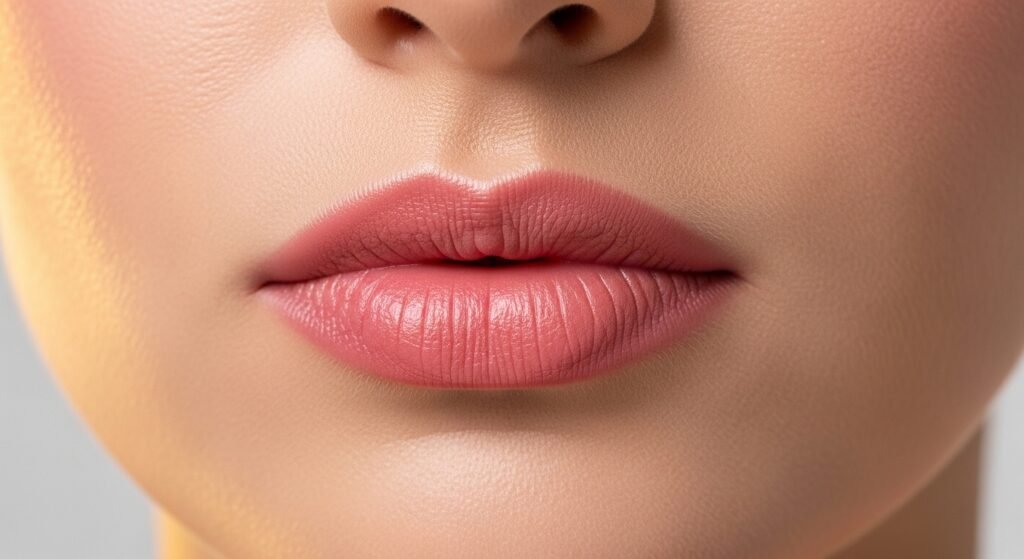
Lip blushing is a total game changer for anyone wanting a perfect pout without the daily struggle of lipstick. This permanent makeup treatment gives your lips a gorgeous tint and better shape. But the secret to a killer look is not just the artist’s skill. The real magic happens during the lip blushing aftercare phase. If you skip the rules, your color might fade or look patchy. You want that pigment to stay locked in and look fresh for a long time. This guide breaks down everything you need to know to heal like a pro.
Introduction to Lip Blush Post-Care
Getting your lips done is a big investment in your beauty routine. You need to treat your new tattoo with tons of respect. Proper lip blushing aftercare is the only way to make sure the pigment stays where it should. Without it, you risk losing that beautiful shade you picked out. The healing journey usually takes about 6 to 8 weeks for everything to settle.
It is super important to know that your lips will go through many phases. They might look crazy bright one day and totally gone the next. This is all part of the normal healing process. You need to be patient and follow every step to get the best lip transformation. Good post-care keeps your skin healthy and avoids any nasty scarring.
Understanding the Importance of Aftercare for Pigment Retention
The way you treat your lips in the first week decides how long the color lasts. Your skin is trying to heal a wound while holding onto new pigment. If you let the area get too dry, the color might pop right out with the scabs. If you touch it with dirty hands, you might get an infection. This is why following the rules is not optional if you want great results.
The Relationship Between Proper Healing and Long-Term Lip Transformation
A successful healing phase means the pigment sits perfectly in the dermis layer of your skin. When your skin recovers smoothly, the color looks even and natural. Proper hydration helps the skin layers mend without pushing out the ink. This leads to a beautiful, long-lasting glow that stays for years. Think of aftercare as the final step of your actual procedure.
Setting Realistic Expectations for the 6-8 Week Healing Journey
Do not expect your lips to look perfect on day three. The first week is usually the most intense part of the whole thing. You will see peeling, color changes, and maybe some light bruising. The final, true color only shows up after the skin has fully renewed itself. This long-term view helps you stay calm when your lips look a bit weird in the middle.
Pre-Care Essentials: Setting the Stage for Successful Healing
Did you know that aftercare actually starts before you even arrive at the studio? Your skin needs to be in tip-top shape for the needle. If your lips are already crusty or dry, the pigment won’t take well. Preparation makes the recovery much easier and faster for everyone.
Why Aftercare Actually Begins Before the Needle Touches the Skin
Your body’s health at the time of the appointment affects how you bleed and heal. If your blood is too thin, you might leak too much fluid during the session. This fluid can push out the pigment before it even has a chance to settle. Starting your prep early ensures your skin is ready for the micropigmentation.
Hydration and Exfoliation: Preparing the Canvas 48 Hours Prior
- Drink plenty of water to keep your skin hydrated from the inside out.
- Gently exfoliate your lips with a sugar scrub to remove any dead skin cells.
- Apply a good lip balm constantly for two days before your appointment.
- Avoid dry lips at all costs because the artist cannot work on cracked skin.
Restrictions on Caffeine, Alcohol, and Blood Thinners
You need to stay away from things that thin your blood for at least 24 hours. This includes coffee, energy drinks, and any kind of alcohol. You should also avoid aspirin or ibuprofen unless your doctor says otherwise. Thinner blood means more swelling and more discharge of interstitial fluid. This makes the artist’s job harder and your healing longer.
Coordinating Your Schedule: Planning for Social Downtime
Do not book your lip blush right before a huge wedding or a hot date. You will likely have swollen lips that look very dark for a few days. Give yourself at least a week before any big events where you want to look your best. Planning for some “home time” allows you to focus on your cleaning routine without stress.
Immediate Post-Procedure Expectations
The moment you walk out of the studio, your lips will be at their most sensitive. They will likely look much bigger than you expected. This is totally normal and nothing to panic about. The color will also look extremely bold, almost like a neon lipstick.
Initial Sensations: Tenderness, Dryness, and a Chapped Feeling
Your lips will feel very tight and tender to the touch for a while. It might feel like you have a really bad sunburn on your mouth. They will start to feel dry and chapped almost immediately as the skin begins to react. This is why having your ointment ready is a total lifesaver.
Visual Changes: Swelling, Bruising, and Intense Pigment Color
- Expect significant swelling that makes your lips look very full or even “duck-like.”
- Minor bruising can happen around the edges of the lips or at the corners.
- Bright pigment will be very noticeable, but remember it will fade by half later.
- Redness is common around the treatment area as the blood flows there to heal.
Fluid Management: Handling the Discharge of Interstitial Fluid and Blood
Your body will try to protect the area by oozing a clear fluid called lymph or interstitial fluid. If this fluid dries on your lips, it turns into a thick, nasty crust. You must gently blot this away with a clean paper towel or sterile water. Keeping the surface clear of this discharge is a huge part of good lip blushing aftercare.
The Importance of Dabbing vs. Rubbing to Prevent Thick Crusting
Never rub your lips during the first few days because it will irritate the skin. Always use a gentle dabbing or blotting motion to clean the area. This prevents the formation of heavy scabbing which can pull out the pigment. Clean skin heals much faster and keeps the color looking crisp and even.
Daily Aftercare Protocol: The Healing Timeline
Having a schedule makes the whole process feel much less overwhelming. Every day brings a small change to how your lips look and feel. Follow these steps closely to ensure your skin recovery stays on the right track.
Day 1: The Critical First 24 Hours

This is the most busy day for your new lips. You need to keep them clean and protected every single hour. Your main goal is to keep that lymph fluid from building up. Use a clean paper towel and a little distilled water to keep the area fresh.
- Hourly cleansing is vital to remove any oozing fluid from the surface.
- Apply light pressure with a clean paper towel for the first four hours.
- Start applying ointment like Aquaphor or Grapeseed oil after the first few hours.
- Keep them moist at all times to prevent the skin from cracking or feeling too tight.
- Use a protective layer of ointment before you go to sleep to keep them hydrated.
Day 2: Managing Swelling and Dryness
On the second day, the swelling might still be there, and your lips might feel even tighter. They will still look very dark and bold. Do not be tempted to use ice packs directly on the lips as this can be too cold for the fresh ink. Just stick to your cleaning and moisturizing routine.
- Address persistent swelling by keeping your head elevated when you sleep.
- Follow the No-Ice rule because direct ice can damage the delicate healing tissue.
- The golden rule is to never let your lips get dry for even a minute today.
- Continue dabbing if any more fluid appears, though it should slow down now.
Day 3–7: The Peeling and Scabbing Phase
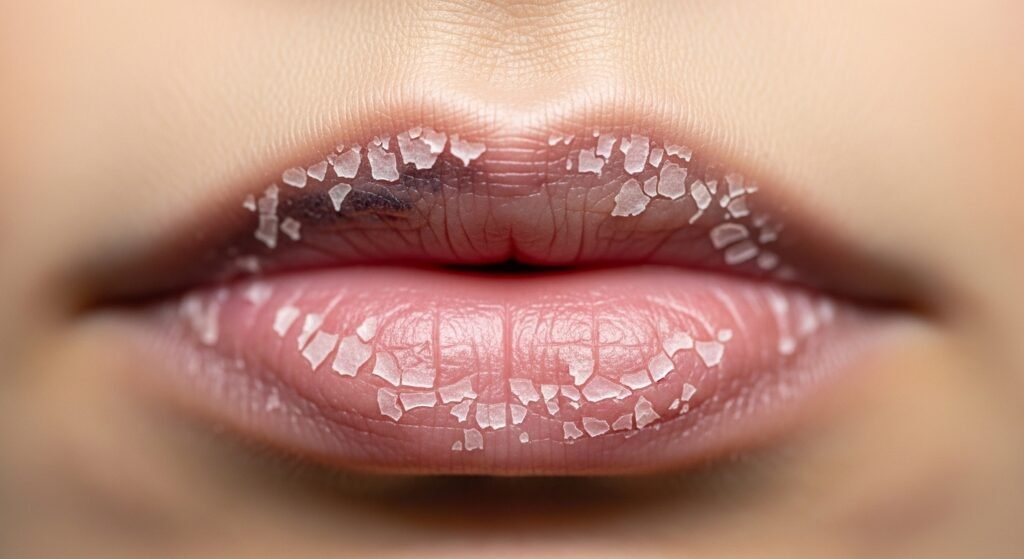
This is the part where things look a little messy. Your lips will start to flake and peel just like a sunburn would. The old skin is falling off to reveal the new, healed skin underneath. It might feel itchy, but you have to be strong and leave it alone.
- Natural exfoliation will happen as the outer layer of skin begins to shed.
- The No Picking mandate is the most important rule to follow during this stage.
- Avoid scarring by letting every piece of skin fall off on its own time.
- Apply ointment frequently to help soften the flakes and make them less annoying.
- Watch the color change as it lightens significantly once the peeling finishes.
Week 2: Transitioning to Normalcy
By now, most of the heavy peeling should be done and you will feel much better. You can start to get back to your usual life, but you still need to be careful. The skin is still thin and very fresh. You might notice the color looks very light or even like it has disappeared.
- Resume normal routines but still be gentle when washing your face or eating.
- Understand the Ghosting phase where the pigment seems to hide under the skin.
- Allow internal healing to continue even if the surface looks totally fine now.
- Keep hydrating because the new skin still needs extra moisture to stay healthy.
Week 3–5: The Color Bloom Period
This is the fun part where the magic happens. The color that seemed to disappear will slowly start to “bloom” back to the surface. Your body is finishing the skin recovery and the pigment is becoming permanent. Just stay patient and keep your lips healthy.
- Watch the pigment rise as it becomes more visible and vibrant every day.
- Patience is vital because the final shade won’t be set until the full six weeks.
- Transition to lip balms once the artist gives you the okay to stop the heavy ointment.
- Continue moisture to help the new skin layers stay supple and glowing.
Week 6–8: The Final Reveal and Refinement

Your lips are now fully healed and you can see the final result. The color should be soft, even, and natural. This is when you decide if you need a tiny bit more work done. Most people feel unstoppable once they reach this stage of their lip transformation.
- Assess the true color to see if it matches your original goal.
- Schedule a touch-up if there are any tiny spots that need more pigment.
- Enjoy the results of your hard work and strict aftercare routine.
Essential Dietary and Lifestyle Restrictions
Your mouth is used for everything, so you have to change your habits for a bit. What you eat and how you move can affect your healing. These rules protect the area from bacteria and physical damage during the first two weeks.

Eating and Drinking Precautions
- Use a straw for all liquids to keep moisture and bacteria away from the lips.
- Avoid spicy food because it can cause a painful burning sensation on the open skin.
- Skip oily or salty foods that can irritate the area or make the swelling worse.
- Avoid friction from big burgers or sandwiches that force you to open too wide.
- Prevent contact with cups or glasses to keep the area as sterile as possible.
Oral Hygiene and Beauty
- Brush your teeth carefully and try not to get any toothpaste on your lips.
- Do not use makeup on or around the lips until the peeling is 100% finished.
- Avoid lip gloss or lipstick because they can harbor bacteria and cause infection.
- Rinse with water after eating to keep the area clean of any food particles.
Physical Activity and Environment
- Follow the 14-day ban on heavy sweating and intense gym sessions.
- Avoid saunas and hot baths because the heat can open your pores and lose pigment.
- No swimming in chlorine pools or the ocean to prevent chemical irritation.
- Stay away from debris by avoiding heavy cleaning in dusty basements or garages.
- Skip open-air travel like motorcycles or boats that blow wind and dirt on your face.
Protection Against External Fading Factors
Once you have your beautiful color, you want to keep it that way. Certain things in your daily life can act like an eraser on your tattoo. You need to be a bodyguard for your lips to prevent premature fading.
Sun and UV Exposure

The sun is the biggest enemy of permanent makeup. UV rays break down the pigment and can even cause the color to shift into a weird shade. You must stay out of the sun and avoid tanning beds during the first two weeks. After you are healed, always use a lip balm with SPF to keep the tint looking fresh.
Chemicals and Skincare Ingredients
Many anti-aging products are designed to turn over skin cells quickly. This is great for wrinkles but bad for lip blushing aftercare. Avoid using any products with Retin-A, Retinol, or AHA acids near your mouth. These chemicals will peel away the pigment and make your tattoo disappear way too fast.
Health, Safety, and Medical Considerations
Safety should always come first when you are dealing with any kind of tattoo. Your health plays a huge role in how well the pigment settles. Being aware of potential risks helps you act fast if something goes wrong.
Cold Sore Prevention and Management
If you have ever had a cold sore, the procedure will likely trigger an outbreak. This happens because the needle causes stress to the lip tissue. An outbreak can ruin your results by pushing the pigment out of the skin.
- Take antiviral medication like Valtrex or Zovirax as prescribed by your doctor.
- Start the medication early, usually a few days before and after the treatment.
- Inform your artist immediately if you feel a tingle or see a bump starting.
- Never get the procedure if you have an active cold sore on the day of the appointment.
Infection Prevention
- Follow the No Licking rule because your saliva is full of bacteria that can cause infection.
- Maintain a hands-off policy and never touch your lips unless your hands are freshly washed.
- Use clean cotton swabs to apply your ointment instead of your bare fingers.
- Keep pets away from your face so their hair and saliva don’t touch the area.
Warning Signs of Infection
You should monitor your lips every day for anything that looks out of the ordinary. While some swelling is normal, other symptoms are a sign of trouble. Contact a physician if you notice:
- A high fever or feeling generally unwell and tired.
- Red streaks that seem to be moving away from the lip area.
- Green or yellow discharge that has a bad smell or looks like pus.
- Extreme pain that gets worse instead of better after the first few days.
Troubleshooting Common Healing Concerns
Sometimes the healing process doesn’t look perfect, and that’s okay. Most issues are temporary and can be fixed later. Knowing what is normal helps you stay calm during the recovery.
- Uneven pigment distribution is common during week 3 as the skin heals at different speeds.
- Excessive dryness might happen if you live in a very dry climate; just apply more ointment.
- Temporary dark spots can occur but usually fade away as the skin renews itself.
- Minor asymmetry can be caused by uneven swelling and is usually not permanent.
Long-term Maintenance and Color Longevity
Your lip blushing aftercare doesn’t stop once the peeling is over. Taking care of your lips every day helps the color last for years. This keeps your investment looking its best without needing constant touch-ups.
- Protect with SPF whenever you go outside to prevent the sun from fading the pigment.
- Stay hydrated because healthy, moisturized skin holds color much better than dry skin.
- Avoid harsh peels and chemical treatments on the lower half of your face.
- Schedule color refreshers every 1 to 2 years to keep the shade vibrant and beautiful.
By following this detailed lip blushing aftercare plan, you are setting yourself up for success. Treat your lips with kindness, keep them clean, and stay patient through the changes. Soon enough, you will have the effortless, beautiful lips you have always wanted.
FAQs About Lip Blushing Aftercare
Can I drink coffee or tea during the first few days of healing?
You should avoid hot coffee and tea for the first forty-eight hours because the heat can cause the lips to swell more and potentially soften the skin too much. If you absolutely need your caffeine fix, let the drink cool down to room temperature and always use a straw to prevent the liquid from touching your healing lips.
Is it safe to use a humidifier in my bedroom while I heal?
Yes, using a humidifier is actually a great idea, especially if you live in a dry climate or use a heater at night. Adding moisture to the air helps prevent your lips from drying out too quickly while you sleep, which reduces the risk of painful cracking or premature scabbing.
Can I go to the dentist while my lips are healing?
It is best to reschedule any dental appointments for at least two to three weeks after your procedure. Dental work requires a lot of lip stretching and manipulation which can tear the healing tissue, cause bleeding, and result in significant pigment loss or even scarring.
How should I sleep to protect my new lip color?
Try to sleep on your back with your head slightly elevated for the first few nights. This position helps reduce swelling and prevents your lips from rubbing against your pillowcase, which could rub off the ointment or accidentally pull at peeling skin.
What should I do if my lips feel incredibly itchy?
Itching is a very normal sign that your skin is regenerating, but you must never scratch them. Instead, apply a fresh layer of your recommended ointment or gently tap the area with a clean finger to soothe the sensation without disturbing the pigment.
Can I eat salty foods like chips or pretzels?
Avoid salty foods for at least the first week because salt draws moisture out of the skin and can make your lips feel painfully dry and tight. Salt can also sting the open skin and cause irritation that slows down the natural healing process.
Is it okay to use flavored lip balms during recovery?
You should stick to fragrance-free and flavor-free ointments like plain Aquaphor during the initial healing phase. Flavored balms often contain alcohols, artificial scents, or cooling agents like menthol that can dry out the lips or cause an allergic reaction on the raw skin.
Can I go for a light walk or hike during the first week?
Light activity is fine, but you should avoid anything that makes you break a sweat or increases your heart rate significantly. Sweat contains salt and bacteria which can irritate the tattoo and lead to poor pigment retention or infection.
How do I wash my face without getting my lips wet?
Use a washcloth or facial sponges to clean your face, carefully avoiding the mouth area. If you need to wash your whole face, apply a thick layer of ointment to your lips first to act as a water barrier, and then gently pat the area dry immediately after.
Should I be worried if my lips look orange or too dark initially?
Don’t panic if the color looks off during the first week. The pigment sits on top of the skin and mixes with your natural redness, which can make it look warmer or darker than intended. The true shade will only appear once the new skin has completely grown over the pigment.
Can I resume my Botox or cheek filler treatments?
You should wait at least four weeks before getting any other cosmetic injectables in the lower face area. This ensures that the lip tissue is no longer inflamed and that the pressure from the injections won’t interfere with the settling pigment.
Is it okay to use a straw for hot soup?
Even with a straw, the steam from hot soup can rise and irritate the lips. It is better to wait until the soup is lukewarm before eating it, and try to use a spoon carefully to bypass the lips entirely.
What happens if I accidentally get sunscreen on my healing lips?
If you get any product other than your healing ointment on your lips, gently blot it off with a damp cotton swab. Sunscreen often contains minerals or chemicals that are too harsh for freshly tattooed skin and could cause a stinging sensation.
Can I travel by airplane right after my procedure?
Airplanes have extremely dry air which can cause your lips to become very tight and uncomfortable. If you must fly, make sure to apply a very thick layer of ointment every hour and drink plenty of water to stay hydrated from the inside out.
Will crying affect my lip blush results?
Tears are salty and can sting or dry out the healing area if they run over your lips. If you do cry, gently dab the tears away with a clean tissue and re-apply your protective ointment to make sure the salt doesn’t sit on the skin.
Can I use a sonic face cleansing brush while healing?
You should avoid using any vibrating or rotating cleansing brushes on your face for at least two weeks. The vibrations can be too aggressive for the sensitive lip area, and the brush heads can spray dirty water and bacteria onto your healing lips.
Should I avoid talking or smiling too much?
Try to avoid extreme facial expressions or wide yawning for the first few days. Stretching the lips too far can cause the thin, healing skin to crack or bleed, which might lead to a gap in the final color.
Can I go to a concert or a crowded event?
It is better to avoid crowded places for the first few days where people might accidentally bump into you. Your lips are technically an open wound, and being in a crowded environment increases your exposure to airborne bacteria and germs.
What do I do if I get a pimple right on the lip line?
Do not pop or squeeze any bumps that appear near your lips. Apply a tiny amount of ointment and let it heal naturally. Popping a pimple near the treatment area can introduce bacteria into the tattoo and cause a localized infection.
Is it safe to use my regular toothpaste?
Yes, but you should be very careful. Use a small amount of toothpaste so it doesn’t foam up too much, and keep your lips closed or covered with a bit of ointment while brushing to prevent the minty foam from touching the raw skin.