 Skip to content
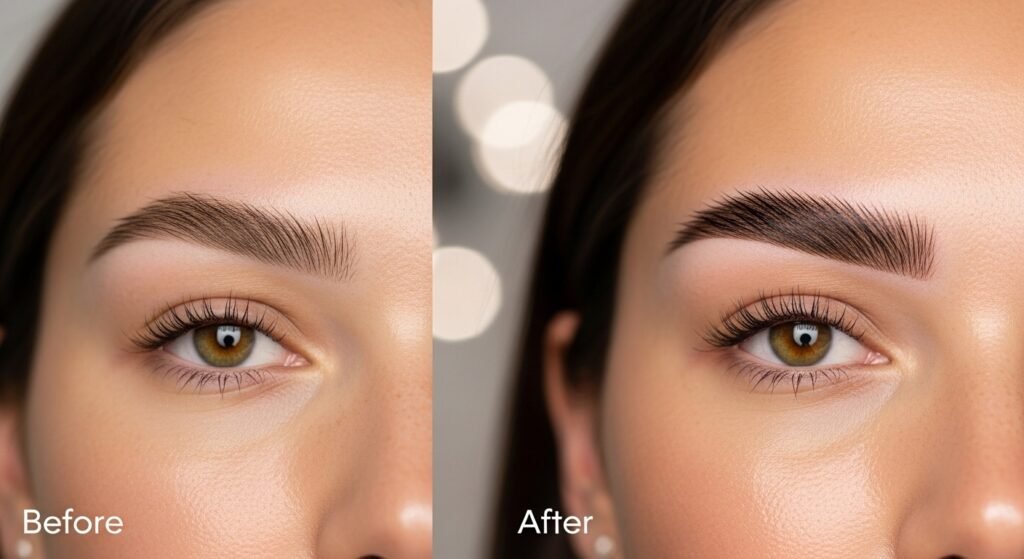
Getting those perfect brows is a total game changer for your face and your morning routine. Microblading aftercare is the most important part of this whole journey if you want to keep those results looking fresh. You just invested time and money into semi-permanent makeup, so you definitely want to protect that investment. This guide will walk you through every single step to make sure your skin heals up perfectly. We are going to cover everything from the very first hour to the long-term maintenance of your new look.
Understanding the Importance of Microblading Aftercare
Microblading aftercare is honestly about 70% of the final result you see in the mirror. Your artist does the hard work of creating the strokes, but your body does the work of keeping them. Without a solid plan, you might lose that beautiful pigment or end up with patchy spots. Think of your new brows like a fresh wound that needs a lot of love and attention. Following these steps helps your skin recover quickly while keeping the color exactly where it belongs.
Proper healing is the only way to get that high-quality pigment retention we all crave. When you skip steps, the skin can get too dry or too wet, which ruins the art. Aftercare is essentially a shield against things like infections and permanent scarring. It also stops your brows from fading way too soon, saving you from extra touch-up costs. By the end of the healing process, your brows will look natural, sharp, and totally flawless.
- Healing Factor. Aftercare directly affects how well the skin holds onto the new ink.
- Long-Term Results. Proper care ensures your brows stay looking good for a long time.
- Risk Management. Good hygiene minimizes the chance of nasty infections or irritation.
- Appearance. It helps prevent premature fading so your brows stay bold and beautiful.
The Biological Healing Process: What’s Happening Under Your Skin

When the needle hits your skin, it creates tiny micro-incisions that trigger an inflammatory response. Your body immediately goes into repair mode to close those tiny openings in the dermis. This is a natural part of dermal regeneration where your skin tries to heal itself. During this time, the pigment is settling into the layers of your skin for the long haul. Understanding this helps you realize why you need to be so gentle with the area.
Your skin type plays a massive role in how fast or slow this whole thing goes. People with oily skin might find the pigment blurs a bit more easily if they aren’t careful. Dry skin types often see crispier lines but might experience more flaking or peeling. Regardless of your skin type, your body follows a specific path to fix the treated area. Being patient with this biological clock is key to getting the look you want.
Immediate Post-Procedure Care: The First 24 Hours

The first 24 hours are usually the most intense part of the microblading aftercare journey. You might see some redness, swelling, and a bit of general irritation around your eyes. This is totally normal and just means your body is reacting to the procedure. The area will feel a bit tender, almost like a mild sunburn on your face. Just keep your hands away from them and let the skin start its natural work.
A clear fluid called lymph fluid will likely start to bead up on your eyebrows. This fluid is actually a good thing because it helps clean the wound and fight infection. However, if you let it sit there and dry, it will turn into a thick, nasty scab. Thick scabs are the enemy because they can pull the pigment right out of your skin. That is why blotting is your new favorite hobby for the first day.
- Redness and Swelling. Expect the area to look a bit angry and puffy right away.
- Lymph Fluid. This clear liquid is your body’s way of trying to protect the area.
- Blotting Routine. Use a clean tissue or cotton round to dab away excess fluid every 30 minutes.
- Distilled Water. You can use a damp cotton-ball with distilled water to keep things clean.
Sleeping Positions and Nighttime Protection
How you sleep during the first week can actually make or break your new eyebrows. You absolutely have to avoid sleeping on your face or even on your side. If you press your face into a pillow, you might rub off the pigment or cause irritation. Try to prop yourself up with pillows and sleep strictly on your back. This keeps the brow area open to the air and away from any dirty surfaces.
If you can, switch to a silk or copper pillowcase to keep bacteria at bay. These fabrics are much gentler on the skin and won’t tug at any healing areas. It also helps prevent you from accidentally scratching your face while you are deep in a dream. You want to make sure your sleeping environment is as sanitary as humanly possible. A little bit of discomfort now means beautiful brows that last for a year or more.
The First Week: Precision Cleaning and Protection
During the first week, your brows are going to look very dark and very bold. Do not freak out because this is just a temporary stage of the healing process. The pigment is sitting on top of the skin and will fade significantly as you heal. Most people see a 10% to 50% reduction in color within the first month. Just trust the process and stick to your cleaning routine like a pro.
Cleaning your brows is a delicate balance between hygiene and being super gentle. You need to wash them twice a day to remove bacteria and old aftercare ointment. Use a mild antibacterial soap like Cetaphil or Dial that doesn’t have any harsh chemicals. Avoid anything with acids, retinol, or glycolic ingredients as they will ruin the work. Always use lukewarm water and never, ever scrub the area with a washcloth.
- Dark and Bold. Your brows will look intense for a few days, but they will fade.
- Wash Twice Daily. Cleanse once in the morning and once at night.
- Gentle Cleansing. Use your clean fingertips to move in soft circular motions for 10 seconds.
- Rinsing. Ensure every trace of soap is gone so it doesn’t irritate the skin.
- Patting Dry. Always use a clean towel or tissue to pat the area dry very gently.
Wet vs. Dry Healing: Understanding the Two Main Philosophies

There are two main schools of thought when it comes to microblading aftercare. Wet healing involves regular cleaning and applying a thin layer of topical ointment. This keeps the skin hydrated and helps prevent the formation of heavy scabs. On the other hand, dry healing means you don’t use any ointment at all. You just let the skin breathe and heal on its own without any extra moisture.
Most modern artists prefer a version of wet healing because it yields more consistent results. However, you must follow the specific instructions your own brow technician gave you. They know your skin type and the specific pigment they used during your appointment. Never switch your routine halfway through without checking with your professional artist first. Both methods have their fans, but consistency is the most important thing for success.
Ointment Application and Moisture Balance
If your artist recommended ointment, you need to use it with extreme care. The goal is to create a thin moisture barrier without clogging your pores. You should only use approved products like Aquaphor or CeraVe or whatever they provide. Never use heavy products that can cause skin suffocation or lead to breakouts. A tiny bit of hydration goes a long way in keeping the skin flexible.
The biggest mistake people make is using way too much ointment on their brows. You only need a tiny amount, about the size of half a grain of rice. If your brows look shiny or greasy, you have definitely applied way too much. Excess ointment traps bacteria and stops the skin from getting the oxygen it needs. This can actually delay the healing process and cause the pigment to look blurry.
- Approved Ointments. Use Aquaphor, CeraVe, or a specific brand recommended by your artist.
- Grain of Rice Rule. Apply a very tiny amount to each eyebrow after they are dry.
- Dry Application. Never put ointment on damp skin; always pat it dry first.
- Avoid Suffocation. Ensure the skin can still breathe under the thin layer of product.
Common Ointment Mistakes to Avoid
A lot of people reach for Vaseline, but it is often way too thick for microblading. It can block the skin completely and lead to infections if you aren’t careful. Another big mistake is applying ointment with dirty hands or old cotton swabs. You must always wash your hands thoroughly before you touch your face. Contaminating the area is the fastest way to ruin your brand-new eyebrows.
Don’t go mixing different types of lotions or creams during this sensitive time. Stick to one product that you know is safe for cosmetic tattooing aftercare. If you notice any weird bumps or rashes, stop using the product and call your artist. Everyone’s skin reacts differently, so you have to stay alert during the first week. Keeping things simple is usually the best way to avoid a messy healing situation.
The Transition Phase: Days 8 through 14
Once you hit day eight, you can usually stop using the aftercare ointment. Your skin has likely closed up enough that it doesn’t need that extra layer. However, you should still keep up with the gentle washes twice a day. This keeps the area sanitary as the old skin begins to flake away. You are halfway through the journey, so don’t get lazy with your routine now.
This is the stage where the peeling process really kicks into high gear. You might look a bit patchy as the excess pigment and dead skin fall off. It can be tempting to help the process along, but you have to resist. Let the skin exfoliate naturally on its own timeline to protect the ink underneath. Your brows might start to feel very itchy as the new skin forms.
- Stop Ointment. By day eight, you typically don’t need the extra moisture.
- Keep Washing. Continue the morning and night cleaning with antibacterial soap.
- Natural Exfoliation. Let the dead skin flakes fall off without any help from you.
- Handle with Care. The new skin underneath is still very thin and delicate.
The “Ghosting” Stage: Why Your Brows Might Disappear

The “ghosting” stage is when a lot of people start to panic and think it failed. After the peeling is done, your brows might look way too light or even gone. This happens because a new, milky layer of skin has formed over the pigment. It acts like a frosted window, making the color look dull or invisible for a bit. Just give it time, and the pigment will slowly resurface over the next few weeks.
Do not try to fill them in with makeup or pencils during this time. The skin is still technically healing, and makeup can cause an infection. You have to be patient and wait at least four weeks to see the true color. If they still look patchy after a month, that is exactly what the touch-up is for. Trusting the biological clock of your skin is part of the microblading aftercare deal.
Critical Prohibitions: What to Avoid for 14 Days

There are several things you absolutely must avoid during the first two weeks. If you ignore these rules, you risk permanent scarring and major pigment loss. Physical contact is a huge no-no unless you are cleaning the area. You should never pick, scratch, or peel at the scabs that form on your brows. Doing so will literally pull the ink out of your skin and leave a hole.
You also need to stay away from any harsh chemicals or active skincare products. This means no retinol, glycolic acid, or AHA anywhere near your forehead. These ingredients are designed to turn over skin cells, which will fade your brows instantly. Even regular makeup and sunscreen should stay away from the brow line for 14 days. Keep your routine as basic as possible until the skin is fully recovered.
- No Touching. Keep your hands off your face to prevent spreading bacteria.
- No Picking. Let scabs fall off naturally to avoid scarring and color loss.
- Product Bans. Avoid makeup, lotions, and sunscreens on the treated area.
- Active Ingredients. Stay away from retinol, glycolic acid, and lactic acid.
- Sweat and Water. No heavy exercise, swimming, or saunas for two full weeks.
- Environment. Avoid dusty areas and heavy household cleaning tasks.
- Sun Exposure. Keep out of the sun and avoid any form of tanning.
Showering Strategies for the First 14 Days
Showering requires a bit of a game plan during the first two weeks. You want to avoid getting a direct stream of water on your face. High water pressure can blast the pigment right out of those fresh incisions. Try to take shorter, cooler showers to prevent too much steam from building up. Excessive steam can soften the scabs too much and cause them to fall off early.
Some people even use a face shield or a visor to keep their brows bone-dry. If you do get them wet, just gently pat them dry with a clean tissue immediately. Be careful when washing your hair so that shampoo doesn’t run down into your eyes. It takes a little extra effort, but it’s only for a short time to get great results. Keeping the area dry is a cornerstone of successful microblading aftercare.
Long-Term Maintenance and Brow Longevity
Once the initial 14 days are over, you can slowly get back to your normal life. However, long-term care is what keeps those brows looking fresh for years. You should keep the area moisturized with a fragrance-free lotion to prevent dryness. Healthy skin holds onto pigment much better than dry, flaky skin. Think of it as a long-term relationship with your new eyebrows.
Sun protection is the most important factor for long-term microblading aftercare. UV rays will fade the pigment and can even change the color over time. Once you are past the 10-day mark, start applying a broad-spectrum SPF 30 every day. If you are going to be out in the sun for a long time, wear a hat too. Protecting your brows from the sun is the best way to delay your next appointment.
- SPF Protection. Always use sunscreen on your brows once they are healed.
- Daily Moisture. Use a gentle, fragrance-free moisturizer to keep the skin healthy.
- Harsh Treatments. Be careful with laser peels or chemical treatments in the future.
- Avoid Acids. Keep anti-aging products with acids away from your brow line forever.
Lifestyle Factors That Affect Longevity
Your daily habits can actually change how long your microblading lasts. Smoking can affect skin health and cause the pigment to look dull or grey. Frequent swimming in chlorinated or salt water can also speed up the fading process. If you are a heavy sweater or a gym rat, you might need touch-ups more often. Even things like iron deficiency can cause your body to absorb the pigment faster.
Knowing these factors helps you manage your expectations for the future. Everyone’s skin is unique, so there is no exact timeline for when they will fade. Most people find they need a refresh every 12 to 18 months to keep the shape. By living a healthy lifestyle and protecting your skin, you get the best value. Microblading is a partnership between you, your artist, and your daily habits.
The Role of the Touch-Up Appointment

The first microblading session is really just the foundation for your brows. The touch-up appointment, usually 6–8 weeks later, is where the magic happens. This is when your artist fills in any spots that didn’t take or adjusts the color. Some areas might heal lighter than others, and that is totally normal. You should never skip this appointment if you want a complete, polished look.
After the touch-up, you will have to go through the aftercare process again. Luckily, the second time is usually much easier because there is less work to do. You already know what to expect and how your skin reacts to the pigment. Once this second round of healing is done, your brows are officially set. This final step ensures your brows look symmetrical and full for a long time.
- The Second Half. The touch-up is essential for a finished, professional look.
- Color Adjustment. Your artist can go darker or warmer if needed.
- Shape Refining. Any minor tweaks to the shape are made during this visit.
- Repeat Care. Follow the same aftercare rules after your touch-up session.
What to Discuss with Your Artist at the Follow-up
When you go back for your touch-up, be honest about how your brows healed. If you feel like they are too light, tell your technician right away. They can look at how the pigment settled and make adjustments for your skin. Maybe you want them a little thicker or more arched now that you’ve seen them. This is your chance to perfect every single hair stroke to your liking.
Ask them if they noticed any specific issues with how your skin took the ink. This information can help you better tailor your future microblading aftercare. They might suggest a different ointment or a longer cleaning period for next time. Building a good relationship with your artist leads to better results over the years. Communication is just as important as the actual procedure itself.
Troubleshooting Common Healing Concerns
Most people heal up just fine, but sometimes things can get a little weird. If you see extreme redness that spreads or feels hot, that’s not normal. While some itching is expected, intense pain or yellow discharge is a bad sign. These could be symptoms of an infection, and you need to act fast. Don’t just ignore it and hope it goes away on its own.
If you notice your pigment looks uneven or patchy, don’t panic yet. Remember the “ghosting” phase where the color disappears and then comes back. However, if you have actual holes in the shape after six weeks, tell your artist. They can fix these issues easily during your scheduled touch-up appointment. Most problems are just a normal part of the skin recovery process.
- Signs of Infection. Watch out for fever, spreading redness, or yellow pus.
- Uneven Pigment. This is often just a stage of healing and is usually temporary.
- When to Call. Reach out to your artist if you have any concerns that feel wrong.
- Medical Help. See a doctor if you think you have a serious infection or allergy.
Mental and Emotional Stages of Brow Healing
Microblading aftercare is a bit of an emotional rollercoaster for most people. On day one, you might experience “brow shock” because they look so bold. By day five, when they start peeling, you might feel some regret or fear. You might think they look terrible or that you made a big mistake. Just keep your head up and remember that this is all part of the plan.
By the end of the first month, that fear usually turns into pure joy. You will see the final color settle in and realize how much time you save. The “ugly” phase only lasts a few days, but the results last for a year. Stay positive and trust the expertise of the professional you chose for the job. Your mental state is much better when you know what is coming next.
Final Summary Checklist for Flawless Brows
To make things easy, keep a simple checklist of the do’s and don’ts. Having a quick reference guide can save you from making a costly mistake. Remember that being extra cautious is always better than being reckless with your face. These simple steps are the secret to those Instagram-worthy brows you wanted. Follow the plan, be patient, and enjoy your beautiful new look.
- Blot every 30 minutes on the first day to stop scabs.
- Wash twice a day with gentle antibacterial soap and lukewarm water.
- Dry the area completely before you ever apply any ointment.
- Apply only a tiny, rice-sized amount of ointment twice a day.
- Avoid sun, sweat, swimming, and makeup for two full weeks.
- Never pick or scratch at any flakes or scabs on your brows.
- Use SPF 30 every day once you are fully healed to stop fading.
- Book your touch-up appointment to finalize the shape and color.
Frequently Asked Questions
Can I drink coffee or caffeine during the microblading healing process?
Caffeine is a stimulant that can increase blood flow and potentially cause more sensitivity or slight bleeding during the first 24 to 48 hours. While it is most important to avoid caffeine before your appointment, limiting it for the first day after can help keep inflammation and blood pressure levels stable while the micro-incisions begin to close.
Is it safe to take ibuprofen or aspirin for swelling?
Aspirin and ibuprofen are blood thinners, which can lead to increased bruising or slight bleeding at the wound site during the first few days. If you experience discomfort, it is generally safer to use acetaminophen or apply a cold compress around the area, but never directly on the brows, to manage swelling.
What should I do if I accidentally get my brows wet in the shower?
If you accidentally splash water on your brows before the 14-day mark, do not panic or rub them. Immediately take a clean, dry tissue and very gently blot the area until all moisture is removed. As long as the area is dried quickly and not scrubbed, the pigment should remain intact.
Can I go to the beach if I stay under an umbrella?
Even if you stay in the shade, the beach environment poses risks such as salt spray in the air, sand blowing into the open wounds, and reflected UV rays from the sand and water. It is best to avoid the beach entirely for the first 14 days to prevent infection from wind-borne bacteria and premature fading.
Why do my brows look grey or ashy during the second week?
This is a normal part of the healing skin’s opacity. As the new skin forms over the pigment, it acts like a frosted window, making the dark pigment underneath look cooler or greyish. Once the skin fully matures and heals, the true warm or dark tones of the pigment will become visible again.
Can I use a face shield to wash my hair?
Using a plastic salon-style face shield or a visor is a great way to protect your eyebrows while washing your hair in the shower. However, you should still keep your head tilted back to ensure that no stray suds or steam get trapped behind the shield and sit on the brow area.
Is it okay to use an eyebrow pencil to fill in patches while peeling?
You must wait until the skin is completely healed, usually at least 14 to 21 days, before applying any makeup to the brow area. Applying a pencil over peeling skin can introduce bacteria into the micro-incisions and may accidentally pull off scabs that are not ready to fall, leading to permanent pigment loss.
How does smoking affect my microblading results?
Smoking reduces the oxygen flow in your blood and slows down the body’s natural healing ability. This can lead to a longer recovery time, a higher risk of infection, and may cause the pigment to ash out or fade much faster than it would for a non-smoker.
Can I get a spray tan after microblading?
You should wait at least 14 days before getting a spray tan. The chemicals and dyes in the tanning solution can react with the healing pigment, potentially turning your eyebrows an unwanted green or orange tint. Additionally, the mist can get trapped in the healing skin and cause irritation.
What if I have an MRI scheduled shortly after my procedure?
Some iron-oxide-based pigments can react with the magnets in an MRI machine, causing a slight pulling or stinging sensation. You should always inform your technician or doctor that you have a cosmetic tattoo before undergoing an MRI scan so they can take the necessary precautions.
Can I use eye drops or contact lens solution near my brows?
While contact lens solution is generally safe for eyes, you should be careful not to let the saline or cleaning solution run down your forehead and onto your brows. The salt content in some solutions can actually draw pigment out of the skin if it comes into frequent contact with the healing area.
Does the weather or season affect aftercare?
Yes, healing in the summer requires more discipline regarding sweat and sun protection, while healing in the winter requires more focus on maintaining moisture balance. In cold, dry months, your skin may flake more, making the strict application of the recommended ointment even more important to prevent cracking.
What should I do if I have an oily skin type?
If you have very oily skin, your technician might recommend “dry healing” or a very limited amount of ointment. Oily skin naturally produces sebum, which acts as a moisturizer; adding too much extra ointment can cause the pigment to blur or wash out during the first week.
Can I sleep with a sleep mask?
You should avoid wearing a traditional sleep mask for at least two weeks. The pressure and friction from the mask can rub off the pigment and pull at scabs prematurely. Additionally, sleep masks can trap heat and bacteria against the wound, increasing the risk of infection.
Is it normal for one brow to heal faster than the other?
It is very common for the two brows to heal at different rates. Your dominant side or the side you sleep on may experience more swelling or faster flaking. Do not worry about symmetry during the first 14 days; the touch-up appointment is designed to balance everything out.
Can I go to the dentist after microblading?
While it seems unrelated, laying in a dental chair for a long period can cause you to rub your head against the headrest, which might irritate the brows. If you have a long dental procedure, try to keep your head steady and ensure the dental light isn’t creating excessive heat on your forehead.
How soon can I get a facial or chemical peel?
You must wait at least 4 to 6 weeks before getting any professional facial treatments. Chemical peels and exfoliants travel under the skin and can reach the brow area even if the product isn’t placed directly on them, which will cause the pigment to lift and fade instantly.
Can I use Botox while my brows are healing?
It is recommended to wait at least 2 to 3 weeks after microblading before getting Botox, and vice versa. Botox changes the position of the brow muscles, and getting it too close to your appointment can result in uneven brow placement once the muscles relax or the skin heals.
What happens if I cry during the first few days?
Tears are salty and can sting the open wounds of the eyebrows. If you do cry, try to dab the tears away before they reach the brow line. If they do get on the brows, gently blot them dry with a clean, distilled water-moistened tissue and then a dry tissue.
Can I take vitamins or supplements during aftercare?
Most vitamins are fine, but you should be cautious with high doses of Vitamin E or Fish Oil, as these can thin the blood and increase bruising during the first few days. It is always best to stick to your normal routine unless your technician specifically advises against a certain supplement.