 Skip to content
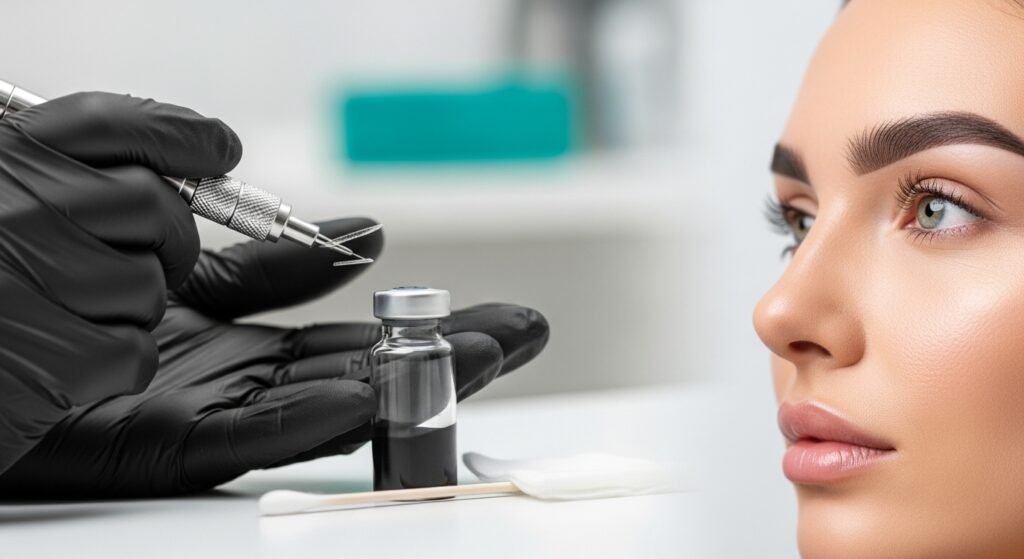
If you want perfect brows, you probably wonder: microblading is safe? Many people love the idea of waking up with great eyebrows. It saves a lot of time in the morning. You do not have to draw them on every single day. But this semi-permanent makeup is a big deal for your skin. You need to know the real risks before you book an appointment. This guide will help you understand everything about the safety of this process.
Understanding Microblading: The Semi-Permanent Reality
Microblading is basically a manual tattoo for your face. The artist uses a small hand tool with tiny needles. They make small cuts in your skin to put in pigment. Unlike a regular tattoo, it does not go as deep. It sits in the upper layers of your skin. This is why people call it semi-permanent.
The results usually last for one to three years. Over time, your skin cells naturally shed and the color fades. Because it involves needles and blood, it carries real health risks. You are essentially getting many tiny open wounds on your forehead. This is why asking if microblading is safe is the right first step. You must sign an informed consent form before the artist starts.
Allergic Reactions and Pigment Sensitivities
One of the biggest worries is how your body reacts to the ink. Allergic reactions usually happen because of the pigments used. These reactions are not super common, but they do happen. Some people find out they are allergic only after the ink is inside them.
Common Allergic Symptoms

When your skin hates the pigment, it will let you know quickly. You might see several signs of trouble on your brow area.
- Redness around the strokes does not go away after a few days.
- Itching feels intense and makes you want to scratch the area.
- Localized swelling that looks puffy and feels very tender to the touch.
- Contact dermatitis which is a severe rash that can be very painful.
Granuloma Formation
A granuloma is a weird bump that forms under your skin. It happens when your immune system thinks the pigment is a dangerous invader. Your body tries to wall off the pigment to protect you. This creates hard nodules or small lumps. These bumps can ruin the look of your eyebrows. They can also be quite uncomfortable and hard to get rid of.
Prevention and Mitigation Measures
You can do a few things to lower your risk of an allergy. Always talk to your artist about your medical history first.
- Disclose allergies to any metals like nickel or lead before you start.
- Select high-quality pigments that are labeled as hypoallergenic.
- Request a patch test where the artist puts a tiny bit of ink on your skin days before.
- Be aware that you can develop an allergy later even if the test was fine.
Infection Risks and Environmental Safety
When people ask if microblading is it safe, they often mean “will I get an infection?”. Any time you break the skin, bacteria can get inside. This can happen at the studio or even at your own home.

Procedural Source of Infection
The studio must be as clean as a doctor’s office. If the artist is messy, you could catch a serious disease.
- Non-sterilized tools can carry blood-borne pathogens like HIV or Hepatitis.
- Unclean pigments can be contaminated with bacteria right in the bottle.
- Cross-contamination happens if the artist touches a dirty phone and then touches you.
Post-Procedure Aftercare Failures
You are responsible for your safety once you leave the salon. Your new brows are fresh wounds for at least a week.
- Open wounds need to stay clean to avoid Staphylococcus aureus infections.
- Dirty hands are the most common way people infect their own brows.
- Environmental exposure to lake water or sweaty gym equipment is very dangerous.
Identifying and Managing Infections
You need to act fast if things look wrong. A small infection can turn into a big problem quickly.
- Warning signs include yellow pus, extreme heat in the skin, or red streaks.
- Fever or chills mean the infection might be spreading through your body.
- Medical help is necessary if you see these signs; do not just wait it out.
The Risk of Scarring and Permanent Skin Damage
Scarring is a scary risk because it can be permanent. Most microblading is fine, but sometimes the skin reacts badly. This can change the texture of your face forever.
Genetic and Biological Predispositions
Some people are just born with skin that scars easily. Your genes play a huge role in how you heal.
- Keloid scars are thick, raised scars that grow larger than the original wound.
- Hypertrophic scars are raised and red but stay within the brow line.
- Skin conditions like active acne or eczema make the area too unstable for needles.
Technical Causes of Scarring
The skill of the artist is the main factor in preventing scars. If they are not careful, they can do real damage.
- Depth issues occur when the artist cuts way too deep into the dermis.
- Heavy-handedness can cause the skin to tear instead of making a clean slice.
- Poor tools like dull blades can chew up the skin and cause trauma.
Long-term Dermal Trauma
Getting microbladed over and over is not great for your skin. Every session creates new scar tissue.
- Repeated touch-ups can eventually make the skin feel tough and leathery.
- Loss of texture happens when the natural skin becomes smooth and shiny from scarring.
- Skin fatigue means the area might stop taking pigment well after many years.
Unsatisfactory Aesthetic Results and Technical Errors
Even if it is safe for your health, you might hate how it looks. This is a different kind of risk. You have to wear these brows every day.
Practitioner Skill and Expertise
There are many “artists” who only took a two-day course. You do not want a beginner practicing on your face.
- Asymmetry means one brow is higher or longer than the other.
- “Sharpie” brows look like thick, solid blocks instead of soft hair.
- Bad placement can make you look permanently surprised or angry.
Color and Pigment Complications

The color in the bottle does not always look the same in your skin. Your body’s chemistry changes the ink.
- Mismatched tones happen when the brows are way too dark for your hair.
- Color shifting can turn your brows blue, purple, or even bright orange.
- Migration is when the ink blurs or spreads out like a stain under the skin.
The Difficulty of Correction
Fixing a bad brow job is much harder than getting it done right. It is often very expensive and painful.
- Waiting it out can take years for the ink to fade enough to fix.
- Laser removal is the most common way to get rid of bad microblading.
- Saline lightening involves tattooing salt water into the skin to lift the ink.
Complications During the Healing Process
The first month after your appointment is a wild ride. Your brows will change every single day. You must be patient and not panic.

Immediate Post-Procedure Reality
Your brows will look very intense right after the artist finishes. This is totally normal but can be shocking.
- Oxidation makes the pigment look much darker and warmer at first.
- Mild swelling can make the brows look thicker than they actually are.
- Tenderness is expected since your skin just went through a lot of trauma.
The Dangers of Picking
As the skin heals, it will start to flake and peel. This is the hardest part of the whole process.
- Premature pigment loss happens if you pull a scab off before it is ready.
- Patchy results occur because the ink comes out with the scab you pulled.
- Increased scarring is a risk whenever you pick at a healing wound.
External Hindrances to Healing
The world around you can mess up your healing brows. You have to protect them like a new baby.
- Sun exposure can bleach the pigment before it even settles in.
- Sweating pushes the pigment out of the cuts and causes blurring.
- Skincare products with acids or retinol will eat away the new color.
Maintenance and Long-Term Financial Commitment
Microblading is not a “one and done” deal. It is a long-term relationship with your artist. You need to plan for the future costs.
The Fading Timeline
Your body is constantly trying to get rid of the ink. This means the brows will get lighter every month.
- The perfecting session happens 6 weeks later to fill in any gaps.
- Annual touch-ups keep the color fresh and the hair strokes crisp.
- Lifestyle factors like oily skin or sunbathing make them fade faster.
Financial Implications of Upkeep
The initial cost is just the beginning of the investment. You have to pay for every single touch-up.
- Initial session can cost anywhere from $400 to $1,500.
- Maintenance fees are usually about half the price of the first visit.
- Travel costs might be high if you have to visit a top artist in a big city.
Evolution of Aesthetics
What looks good today might look weird in ten years. Styles in eyebrows change just like clothes.
- Dated shapes can happen if you get a trend like “Instagram brows”.
- Aging skin will sag, which can move the position of your tattooed brows.
- The shadow effect is a soft blur of color that stays even after strokes fade.
The Problem of Ink Oversaturation
Your skin has a limit on how much ink it can hold. This is something most artists do not tell you. It is a major long-term safety concern.
Finite Capacity of the Skin
Think of your skin like a sponge. Eventually, a sponge cannot hold any more water.
- Blurring happens when too much ink is packed into the same small area.
- Loss of detail means the crisp hair strokes start to look like a solid smudge.
- Grey tones can appear when too much old pigment sits deep in the skin.
Reaching the Saturated Point
When your skin is full, the artist cannot add more hair strokes. You have to make a choice at this stage.
- Laser removal is often needed to “clear the canvas” and start over.
- Transitioning to a different style like powder brows can hide the saturation.
- Stopping touch-ups entirely might be necessary to let the skin rest.
Evaluating the Relationship Between Cost and Quality
When looking at if microblading is safe, the price tag is a big clue. Cheap work is almost never safe or good.
The Dangers of Budget Microblading
If you find a deal that seems too good to be true, it probably is. Low prices mean the artist is cutting corners.
- Low-grade pigments often contain heavy metals that are bad for you.
- Lack of insurance means you are on your own if something goes wrong.
- Poor training increases the risk of permanent scarring and infection.
Prudent Investment Strategies
It is better to save up for a great artist than to rush into a cheap one. Your face is worth the extra money.
- Check credentials to make sure they are certified by the health department.
- Read reviews on multiple sites to see how they handle unhappy clients.
- Look at healed photos because fresh work always looks better than healed work.
Exploring Safer Alternatives for High-Risk Candidates
Microblading is not for everyone. If you have certain skin types, you should look at other options.
Microshading and Powder Brows

These methods use a machine instead of a manual blade. They are often much gentler on the skin.
- The stippling method creates tiny dots of color instead of long cuts.
- Better for oily skin because the dots stay put better than hair strokes.
- Less trauma means a faster healing process for most people.
When to Avoid the Procedure Entirely
Sometimes the safest choice is to just say no. Some people should never get microbladed.
- Pregnant women should wait to avoid any risk of infection or stress.
- Those on blood thinners will bleed too much for the ink to stay.
- People with auto-immune issues might not heal properly from the cuts.
Final Summary of Informed Decision Making
So, is microblading safe? Yes, it can be safe if you do your homework. But it is never 100% risk-free. You are trading convenience for a small amount of risk. The most important things are choosing a pro and following the rules. If you take care of your skin, you will likely love your results. Just remember that these brows are a long-term commitment. Take your time and make the right choice for your beautiful face.
FAQs: Microblading Is It Safe?
Can I get microblading if I am currently undergoing chemotherapy?
It is generally unsafe to get microblading during active chemotherapy due to a compromised immune system and low white blood cell counts. Patients are at a much higher risk for life-threatening infections and poor wound healing. You must wait until your treatment is finished and receive written clearance from your oncologist.
Is microblading safe for people with type 1 or type 2 diabetes?
Diabetes can slow the healing process and increase the risk of infection significantly. High blood sugar levels can interfere with how the skin repairs itself, often leading to poor pigment retention or prolonged scabbing. Consult your doctor to ensure your A1C levels are stable before considering the procedure.
Does microblading cause hair loss in the natural eyebrows?
When performed correctly at the proper depth, microblading does not damage hair follicles. However, if an untrained technician goes too deep or causes significant scarring, it can cause permanent damage to the follicles and stop natural hair growth.
Is it safe to get microblading while breastfeeding?
Most professionals advise against it because the pigments and numbing agents can enter the bloodstream and potentially pass into breast milk. Additionally, if an infection occurs, the antibiotics required to treat it may not be safe for the infant.
Can I have the procedure done if I have a history of seizures?
Microblading can be a trigger for those with epilepsy due to the stress, pain, or bright lights used during the process. If you have a seizure disorder, you must consult your physician and inform your technician so they can prepare for an emergency.
Is the numbing cream used in microblading safe?
Topical anesthetics like lidocaine or epinephrine are generally safe but can cause adverse reactions in some people. Over-absorption of lidocaine can lead to heart palpitations or lightheadedness, so it must be applied in controlled amounts.
Can microblading interfere with an MRI scan?
Tattoo pigments often contain iron oxides which can react with the magnetic field of an MRI. This can cause a pulling sensation or a mild burn in the treated area. Always inform the MRI technician that you have permanent makeup before the scan.
Is it safe to exercise immediately after the session?
No, you should avoid heavy exercise for at least 7 to 10 days. Salt in sweat can act as a cleaning agent and pull the pigment out of the fresh cuts, leading to faded or blurry results.
Can I get microblading if I am taking blood thinners like Aspirin or Warfarin?
Blood thinners cause excessive bleeding during the procedure, which pushes the pigment out of the skin. This results in very poor color retention and increases the risk of bruising and delayed healing.
Is microblading safe for those with an active “cold sore” or HSV-1?
If you have a history of cold sores, the trauma of the needles can trigger an outbreak even if the procedure is on the eyebrows. If the outbreak occurs near the eyes, it can lead to serious complications like ocular herpes.
Can I use Retinol or Vitamin A products on my microbladed brows?
Using these products near the eyebrows will cause the pigment to fade prematurely and may cause the color to shift. You should stop using these topicals at least 30 days before and after your appointment.
Is it safe to get microblading if I have an iron deficiency?
If you are anemic, your body may absorb the iron oxide in the pigment much faster than usual. This leads to very quick fading, often requiring touch-ups every few months instead of years.
Can I get the procedure done while taking Accutane?
You must be off Accutane for at least six months to one year before getting microbladed. Accutane thins the skin significantly, making it extremely fragile and prone to severe scarring and poor healing.
Is microblading safe for people with autoimmune diseases like Lupus?
Autoimmune conditions can cause the body to overreact to the pigment or fail to heal the incisions properly. The risk of a “flare-up” or chronic inflammation in the brow area is much higher for these individuals.
Can I wear makeup on my brows during the healing phase?
Applying makeup over fresh microblading is highly unsafe. Cosmetics are not sterile and can easily introduce bacteria into the open cuts, leading to severe infections.
Is it safe to get botox and microblading at the same time?
It is best to wait at least 2 to 4 weeks between Botox and microblading. Botox changes the position of the brow bone, so if you get microblading while the Botox is active, the brows may look uneven once the Botox wears off.
Can I get microbladed if I have a tan or sunburn?
Tattooing over sun-damaged skin is unsafe and results in poor pigment retention. The skin will exfoliate the tan or burn, taking the pigment with it, often leaving behind a localized “halo” of discoloration.
Is the procedure safe for individuals with Glaucoma?
While the procedure is on the brows, the pressure applied to the face and the use of numbing agents can occasionally affect eye pressure. Consult your ophthalmologist if you have any serious eye conditions.
Can I go to the tanning bed after the procedure?
UV rays from tanning beds are extremely destructive to microblading pigment. Tanning too soon can cause the ink to turn an ashy grey or blue color and can irritate the healing skin.
Is it safe to get microblading if I am prone to fainting?
If you have a history of vasovagal syncope (fainting from needles or pain), you must tell your artist. They can adjust your physical position and ensure you have eaten enough sugar before starting to prevent a fall.