 Skip to content
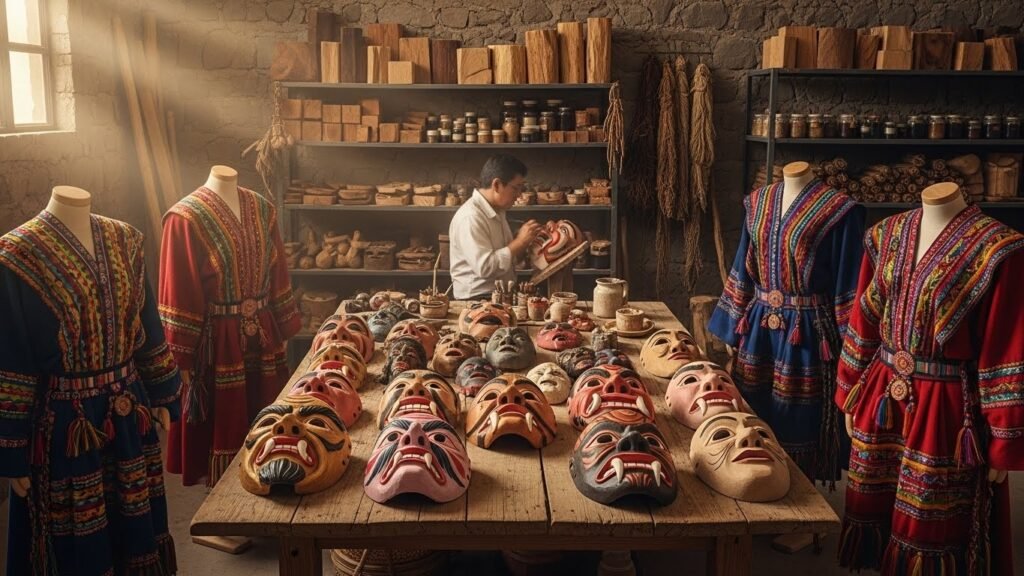
The vibrant world of ciulioneros beckons as a realm where creativity and cultural identity intertwine. At the heart of this colorful expression lies an artistry steeped in tradition. The masks and costumes crafted by these artisans are powerful symbols. They reflect history, beliefs, and community spirit.
Introduction to the Vibrant World of Ciulioneros
The ciulioneros represent a unique community defined by their exceptional artistry. Their work is a vital expression of heritage and identity. Each handcrafted piece tells a story of ancestors honored and identities forged through time. These creations are much more than decorative items.
Defining the Ciulioneros
- Cultural Tapestry: The ciulioneros embody a vibrant tapestry of culture through their exceptional artistry.
- Vital Expression: Their masks and costumes serve as vital expressions of identity, heritage, and community spirit.
- Dedicated Craft: Each piece is meticulously crafted by artisans who pour their hearts into every detail.
The Intersection of Creativity and Identity
Artistic expression is the heartbeat of the ciulioneros community. Each mask and costume serves as a canvas reflecting rich history. The artistry transcends mere decoration to tell generational stories. It creates a powerful sense of belonging among individuals during festivals.
Art as a Living Narrative
Every handcrafted creation carries layers of meaning. These works continue to shape cultural narratives today. They preserve crucial aspects of culture for future generations. The artistic process ensures that history remains a living, breathing part of the present.
The Philosophy of the Masked Self
Wearing a mask allows a person to connect with their ancestors. This connection reinforces a shared heritage during rituals. The act of masking creates a deep sense of community. It allows the individual to become part of a larger cultural story.
The Cultural Significance of Ciulioneros Artistic Expression
The artistry of ciulioneros is deeply rooted in history and tradition. It showcases the skill and dedication of master artisans. These creations remain authentic while resonating with modern audiences. The colors and patterns reflect significant cultural symbols.
The Canvas of Heritage
Ciulioneros use their art to document their community’s journey. Traditional techniques are passed down through generations to maintain authenticity. This ensures the cultural identity remains strong and recognizable. The art serves as a visual record of their shared past.
Spirituality and Artistry
The intricate designs often draw inspiration from nature and folklore. Spirituality is intertwined with every layer of creativity. Designs often evoke ancestral spirits to guide the community. This spiritual connection gives the artwork its profound depth.
Celebrating Individuality within Community
While the art follows tradition, it also celebrates individuality. Each artisan brings their own heart and soul to the work. This allows for a diverse range of expressions within a unified framework. It highlights how personal creativity supports the collective identity.
The Sacredness of the Creative Process
Artisans dedicate themselves to mastering traditional methods. This deep connection to history enriches their daily work. The process of creation is treated with great respect. Every mask is a labor of love and cultural duty.
Traditional Masks: The Soul of the Ciulioneros
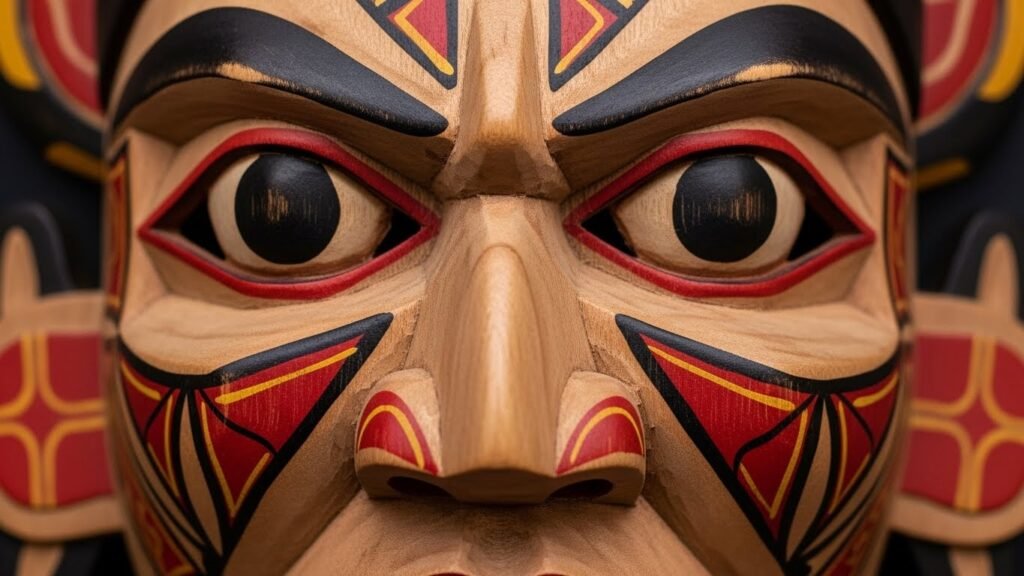
Traditional masks play a pivotal role in ciulioneros identity. They are intricately crafted to reflect deep-rooted beliefs. These masks are not mere adornments but embody the spirit of the community. They serve as the most recognizable symbol of their craft.
Ancestral Spirits and Folklore
- Spirit Guides: Masks are designed to embody characters from folklore and mythology.
- Storytelling: The unique designs tell stories that have been passed down for centuries.
- Ancestral Honor: Each piece is a way to honor those who came before.
Materials and Craftsmanship
The quality of a mask depends on the dedication of the artisan. Traditional techniques ensure that the creations are authentic. Artisans choose materials that reflect both aesthetic and cultural values. This craftsmanship honors tradition while celebrating the artist’s skill.
Deep-Rooted Symbolism
Bright colors and elaborate patterns are deeply symbolic in this culture. Every element is thoughtfully chosen to convey a specific meaning. These symbols often represent nature, spirituality, or social commentary. The visual language of the masks is understood by the whole community.
The Gaze of the Mask
The expressive nature of the masks allows them to communicate without words. They invite onlookers to engage with traditions in a memorable way. The gaze of a mask can evoke memories of shared experiences. It creates an immersive experience for everyone involved.
The Architecture of Costumes: Weaving History into Fabric
Costumes worn by ciulioneros enhance their connection to culture. Like the masks, these garments are vital expressions of identity. They are far more than just decorative items. The costumes create a complete visual identity during celebrations.
Symbolic Patterns and Vibrant Colors
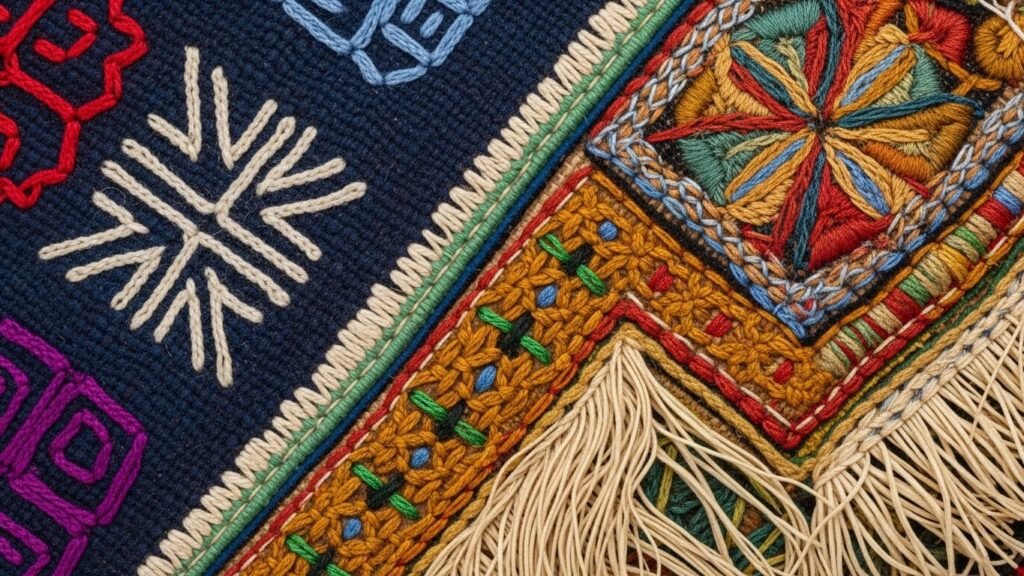
Colors chosen for costumes reflect values deeply rooted in history. The vibrant patterns are striking and full of meaning. These designs allow participants to express their identities vibrantly. Every thread is woven with cultural significance.
Functionality vs. Aesthetics
Costumes must be both beautiful and functional for festival use. They are designed to withstand the energy of rhythmic dances. The balance between tradition and innovation is visible in their construction. Artisans ensure the garments are fit for both ritual and movement.
Connection to Nature
Many costumes incorporate symbols representing the natural world. This reflects the community’s deep-rooted beliefs in the environment. Nature often serves as the primary inspiration for artistic designs. This connection reinforces the community’s bond with their surroundings.
The Weight of Tradition
Carrying the legacy of the past is a serious responsibility. Wearing these elaborate outfits is a way to keep the cultural legacy alive. It is an act of dedication to the community’s heritage. The costumes represent the weight and beauty of their shared history.
The Technical Anatomy of a Masterpiece
The creation of ciulioneros art requires high levels of skill. Artisans pour their hearts into every detail of the technical process. This ensures that every piece carries layers of cultural meaning. Technical mastery is essential for preserving the authenticity of the craft.
Dyes and Pigments
The colors used in masks and costumes are carefully selected. These choices reflect significant cultural symbols deeply rooted in history. Artisans use traditional knowledge to create striking visual effects. The pigments are as much a part of the story as the design.
Textile Engineering
- Authentic Techniques: Artisans use methods passed down through generations.
- Intricate Patterns: Elaborate patterns are woven to convey complex cultural meanings.
- Material Selection: Materials are chosen for their aesthetic and symbolic value.
Structural Integrity
Every mask and costume is built to be a lasting creation. The meticulous crafting ensures that each item remains authentic. This durability allows the pieces to be used in multiple festivals over time. Artisans take great pride in the physical strength of their work.
The Maintenance of the Sacred
Preserving these items is a cornerstone of the culture. Artisans work hard to ensure the art thrives in today’s world. Maintenance of these pieces is seen as a way to honor the ancestors. Keeping the art in good condition keeps the cultural narrative alive.
The Ritualistic Role of Masks and Costumes in Festivals
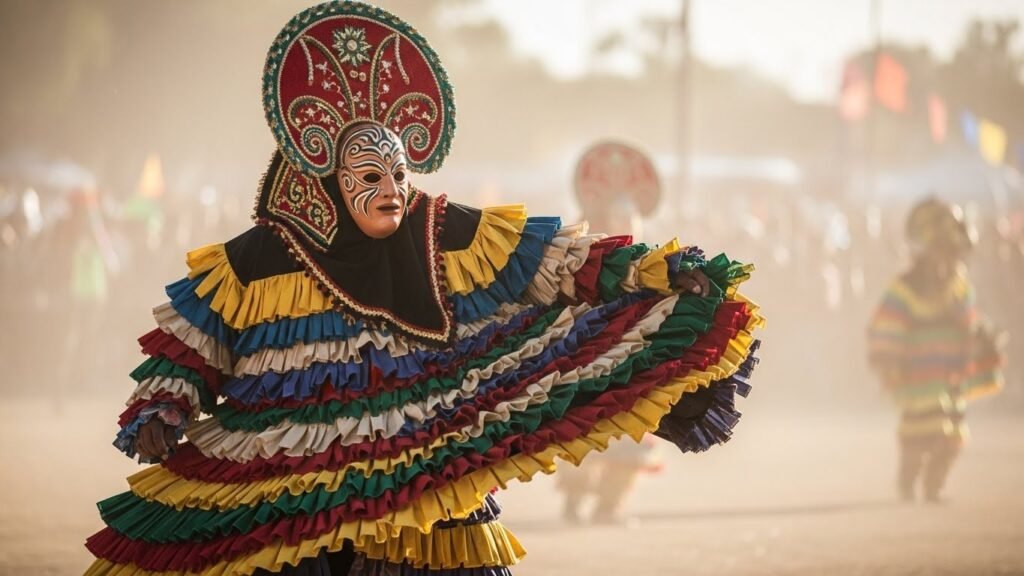
Masks and costumes are central to the vibrant celebrations of ciulioneros. They transform participants into characters from their rich heritage. These festivals are where the art truly comes to life. The celebrations are a powerful display of community spirit.
Transformative Power
During festivals, people don elaborate outfits to change their identity. They become embodiments of folklore and mythology. This transformation allows them to connect with their spiritual roots. It is a profound experience for both the wearer and the viewer.
The Rhythm of the Dance
Rhythmic dances are always paired with vivid displays of art. Each movement helps to tell the community’s story. The combination of dance and costume elevates the festival experience. It creates a dynamic display of living culture.
Community Cohesion
Festivals bring people together in a colorful and shared experience. The act of wearing these masks creates a sense of belonging. Participants forge connections through their shared history and memory. It is a time for the community to unite and celebrate.
Rituals of Honor
- Ancestral Honor: Festivals are a time to honor the ancestors through art.
- Cultural Legacy: The celebrations keep the cultural legacy alive for the youth.
- Spiritual Connection: Rituals reinforce the community’s connection to the spirit world.
The Calendar of Celebration
Ciulioneros festivals are regular events that mark the passage of time. They provide a structured way for the community to engage with their traditions. Each celebration is an opportunity to showcase new and traditional works. The calendar ensures that the culture remains a constant presence.
Preservation and the Revival of Ancient Techniques
Preserving ancient artistic techniques is vital for the ciulioneros. Artisans dedicate themselves to mastering these traditional methods. This connection to history strengthens their cultural identity. Revival efforts ensure the art form does not fade away.
The Master-Apprentice Model
Knowledge is traditionally passed from elders to the next generation. This ensures that the skills remain authentic and true to the roots. Young artists learn the heart and soul behind every detail. This model is the backbone of cultural preservation.
Community Workshops
Workshops play a vital role in the revival of traditional art. They are places where community members gather to share skills. These interactions link the past with the present. Workshops ensure that the legacy of ciulioneros continues to thrive.
Challenges to Preservation
Maintaining a balance between tradition and innovation is a challenge. Artisans must ensure their work resonates with modern audiences. They work hard to keep the art relevant in a changing world. Despite these challenges, the commitment to heritage remains strong.
The Role of Storytelling in Technical Training
Technical skills are always taught alongside the stories they represent. This ensures that every piece created carries deep layers of meaning. Learning the history is just as important as learning the craft. Storytelling keeps the soul of the art alive during training.
Contemporary Interpretations and the Evolution of the Craft
Modern ciulioneros are breathing new life into traditional designs. They experiment with new materials and modern aesthetics. This creates a vibrant dialogue between the past and the present. The art continues to evolve while remaining grounded in tradition.
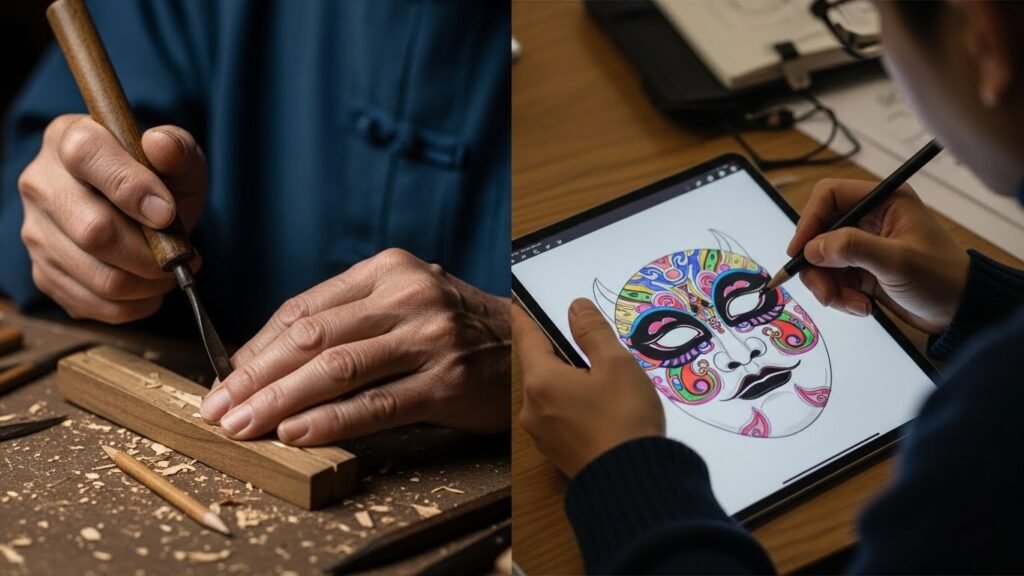
Merging Tradition with Modern Aesthetics
- Dynamic Interplay: There is a balance between traditional roots and modern influences.
- New Narratives: Innovations allow for new stories to emerge within the culture.
- Relevant Art: The fusion of styles keeps the artistry relevant for today.
Innovation in Materials
Contemporary artists are experimenting with different materials. These choices allow for new types of artistic expression. While the materials may change, the cultural symbols remain. This innovation allows the art to reach new audiences.
Digital Tools in Design
Some artists have embraced digital tools to help create their work. This expands the possibilities for mask and costume creation. Digital design can help honor cultural roots in new ways. It is a sign of the art form’s ongoing evolution.
Social Commentary through Modern Art
Modern ciulioneros art often reflects current social issues. Artists use their platforms to engage audiences on deeper levels. This allows the tradition to stay active in modern conversations. The art becomes a tool for both heritage and change.
The Intersection of Storytelling, Art, and Personal Identity
Ciulioneros culture intertwines art and storytelling to reflect identity. Each mask tells a story of characters from deep folklore. The artistry serves as a vessel for preserving traditions. It connects the individual’s story to the community’s journey.
Preserving Oral Histories
The masks often showcase local legends and stories. They breathe life into narratives passed down through many generations. This visual storytelling ensures that oral histories are never forgotten. The art is a permanent record of the community’s voice.
Memory and Art
Crafting masks and costumes evokes memories of shared experiences. It bridges the gap between the past and the present. Artisans use their skills to capture the essence of their culture’s memory. Every piece is a link to a collective history.
Bridging the Generational Gap
Young creators are encouraged to explore their identity through this art. They find ways to connect with their heritage while expressing themselves. This process ensures the essence of ciulioneros continues to evolve. It keeps the dialogue between generations open and active.
The Audience Experience
Witnessing a ciulioneros performance is an immersive experience. It allows individuals to reflect on their own personal stories. Audiences can appreciate the collective journey of the community. The art creates a space for reflection and connection for everyone.
The Socio-Economic Impact of the Artform
The artistry of the ciulioneros is a source of pride and livelihood. It supports the community by attracting international recognition. This exposure brings new opportunities for the artisans. The art form is a vital part of the community’s economic health.
Art as a Livelihood
Many artisans dedicate their lives to this craft. Their skill and dedication are rewarded through community support. The creation of these pieces is a full-time commitment for many. It is a profession that is deeply respected within the culture.
The Ethical Market
As the art gains global attention, ethical considerations are important. It is crucial that the artisans receive proper credit and compensation. Respect for the craftsmanship involved is a key part of the market. Maintaining ethical standards protects the community’s heritage.
Cultural Tourism
Festivals and art exhibitions draw people from all over the world. This interest helps to foster cross-cultural dialogues. Visitors come to learn about the significance of the masks and costumes. Cultural tourism provides a platform for the community to share its story.
Intellectual Property
Protecting the unique designs of the ciulioneros is essential. Their artistry is a unique reflection of their specific identity. Ensuring that the community maintains control over its art is vital. This protection helps to keep the tradition authentic and local.
Global Recognition and the Future of Ciulioneros Artistry
The artistry of ciulioneros has transcended its local roots. It is now gaining international appreciation and recognition. This global exposure helps people understand indigenous artistry better. The future of the craft looks bright on the world stage.
From Local Festivals to Global Galleries
Ciulioneros masks are now making their way into international exhibitions. This elevates the status of the community’s work. Global audiences are invited to explore the narratives behind each piece. The art has found a home in the world’s most prestigious spaces.
Cross-Cultural Dialogue
Growing interest in this art fosters respect for different traditions. It encourages dialogues between people from diverse backgrounds. The artistry of ciulioneros serves as a bridge between cultures. It helps to create a more connected and understanding world.
Comparative Studies
The unique designs of the ciulioneros resonate with universal themes. People from different cultures can find common ground in these stories. These themes include identity, tradition, and community spirit. The art shows that we all share similar human experiences.
Universal Themes
- Identity: The art explores how we define ourselves within a group.
- Tradition: It celebrates the importance of maintaining our heritage.
- Community: The work highlights the power of coming together.
Conclusion: The Enduring Legacy of the Ciulioneros
The artistry of ciulioneros is a powerful force for cultural identity. It combines history, creativity, and community in a unique way. These masks and costumes will continue to tell stories for years to come. The legacy of the ciulioneros is one of beauty and resilience.
Summary of the Artistic Journey
We have explored the layers of meaning behind each handcrafted creation. From traditional roots to modern innovations, the art remains strong. Every piece is a testament to the heart and soul of the artisans. It is a journey that celebrates the power of cultural expression.
The Future Outlook
Ciulioneros will continue to inspire new generations at home and abroad. The balance between tradition and innovation will keep the art thriving. As the world changes, the community’s identity will remain grounded in art. The future is full of potential for this captivating cultural framework.
Take the time to appreciate the skill and dedication of the ciulioneros. Their work is a vital part of our global cultural heritage. By supporting this art, we help to preserve a unique and beautiful tradition. Let us celebrate the artistry that shapes our world.
FAQs About Ciulioneros Artistry and Culture
What is the primary material used for carving the masks?
Artisans typically use local woods that are lightweight yet durable for long performances. These materials are often treated with natural resins to ensure the wood does not crack over time.
Do the colors on the costumes have specific meanings?
Yes, the colors are deeply symbolic and reflect cultural values rooted in the community’s history. For example, certain bright hues may represent life and vitality, while others are reserved for ancestral spirits.
How long does it take to craft a single mask?
The process is meticulous and involves several stages, including carving, sanding, and painting. Depending on the complexity of the design and the artisan’s dedication, a single piece can take weeks to complete.
Are these masks used for commercial sale?
While primarily created for festivals and rituals, these masks are now gaining international recognition in global art exhibitions. This exposure has created a market for collectors who appreciate indigenous craftsmanship.
What role does folklore play in the designs?
Designs often draw direct inspiration from local legends and mythological characters. These stories are breathed into the physical masks to keep oral histories alive through visual art.
Is there a specific age when an artisan starts training?
Traditional techniques are passed down through generations, often starting in youth. Young artists learn by observing elders in workshops before mastering the skills themselves.
Do women participate in the creation of Ciulioneros art?
The community involves many members in the artistic process, from weaving costumes to painting masks. Every detail of the artistry showcases the shared dedication of the entire community spirit.
How do the costumes stay intact during high-energy dances?
The costumes are engineered for both aesthetics and functionality. Artisans ensure they are reinforced to withstand the physical demands of rhythmic festival performances.
Are the masks heavy to wear?
Artisans strive to balance intricate detail with structural integrity to keep the masks wearable. The choice of lightweight traditional materials helps participants perform for extended periods.
Can anyone wear a Ciulioneros mask during a festival?
The act of wearing a mask is often a ritualistic process that connects the individual to their ancestors. It creates a powerful sense of belonging and is typically reserved for those within the cultural framework.
How has technology influenced modern mask making?
Contemporary artists have begun embracing digital tools for the initial design phase. This allows for more experimentation while still honoring the traditional roots of the craft.
Are natural dyes still used today?
While modern innovations have introduced new pigments, many artisans still use traditional techniques to extract colors. This ensures the creations remain authentic to their historical origins.
What is the significance of animal motifs in the art?
Many masks and costumes incorporate symbols representing nature and wildlife. These motifs reflect the community’s deep-rooted beliefs and their connection to the natural environment.
Do the masks represent specific historical figures?
Some masks are crafted to honor ancestors and tell the stories of those who helped forge the community’s identity. They serve as a bridge between the past and the present.
Is the art style the same across different regions?
While there is a unified cultural framework, individual artisans often bring their own heart and style to the work. This creates a diverse tapestry of expression within the broader tradition.
How are the masks stored when not in use?
Preserving these items is a cornerstone of the culture, and they are maintained with great care. Traditional methods are used to keep the materials from degrading between festival seasons.
What is the most common theme in Ciulioneros storytelling?
Themes of identity, community spirit, and the struggle to preserve heritage are central to their art. These narratives resonate with universal human experiences.
Do modern social issues appear in the mask designs?
Yes, contemporary interpretations often use the masks as a form of social commentary. This allows the art to engage audiences on deeper, modern levels.
Are the dances performed with the masks choreographed?
The rhythmic dances are paired with the masks to elevate the overall festival experience. Each movement is part of the story being told by the costume and mask together.
How can outsiders support the preservation of this art?
Gaining global recognition and fostering cross-cultural dialogue helps protect the legacy of the Ciulioneros. Respecting the craftsmanship and learning about its significance ensures the tradition thrives.