 Skip to content
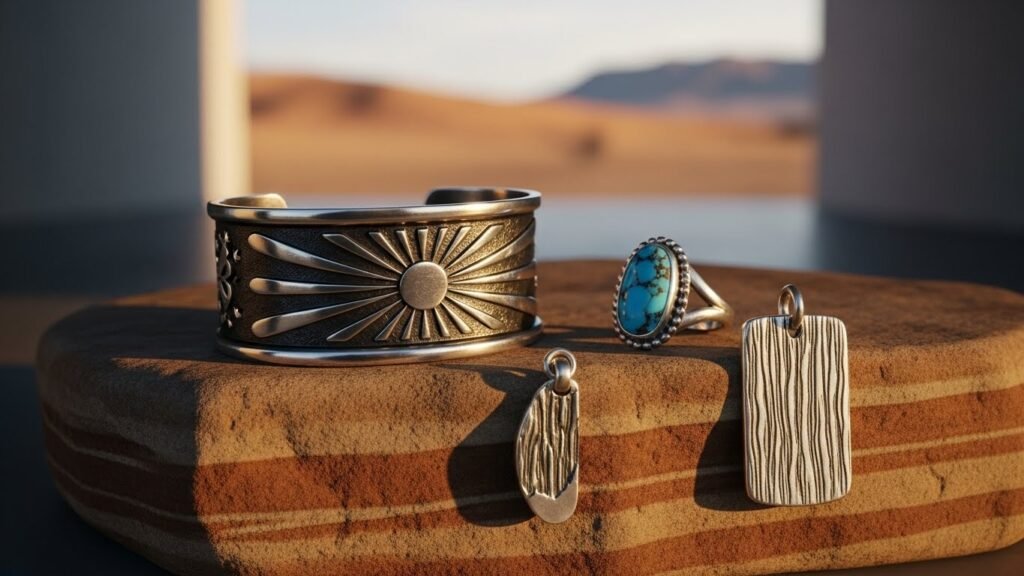
The world of fashion is always changing but some things stay special. Tsunaihaiya is a brand that stands out from everything else today. It is not just about making pretty things for people to wear. This brand is a bridge between two very different worlds and cultures. It connects the spirit of the Apache people with Japanese art skills.
Wearing these pieces feels like holding a piece of history in your hand. Each item tells a deep story about where it came from. The makers do not just follow trends like other big brands do. They care about making something that truly speaks to your soul.
People today really want things that are real and authentic. Most jewelry is made in big factories by machines these days. Tsunaihaiya is the opposite of that fast fashion world we see. It offers a soul and a history that you can actually feel.
The Meaning and Etymology of Tsunaihaiya
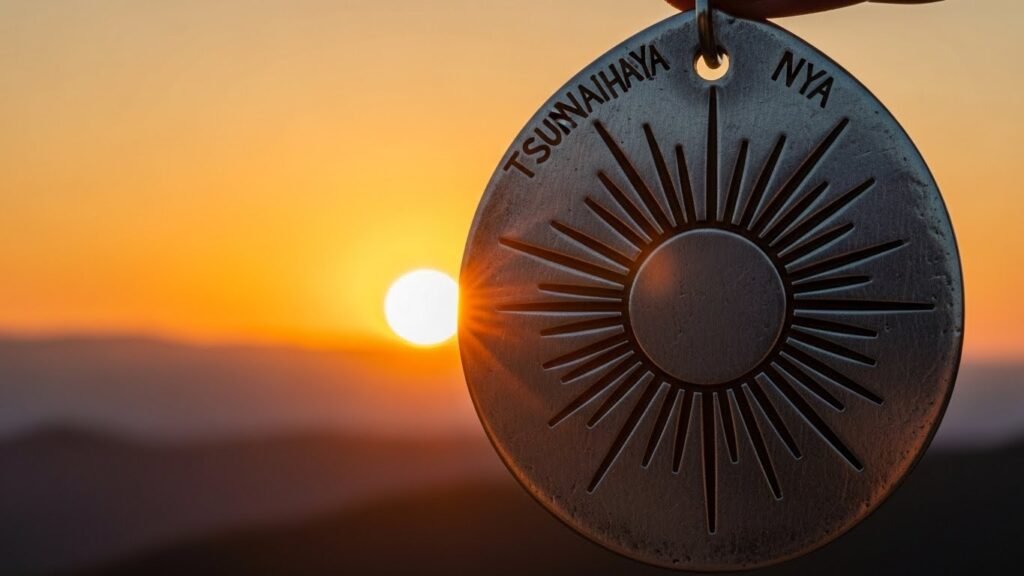
The name of this brand is very important to its whole identity. It comes from the Apache language and has a beautiful meaning. Tsunaihaiya translates to the sunrise or the sun arising in English. This word is all about new beginnings and having hope for tomorrow.
This name acts as a powerful symbol for the brand’s creative energy. It represents the start of a journey for everyone involved. The sunrise is a sign of life and light for the world. Every piece of jewelry carries this bright and positive energy inside it.
There is also a cool connection between the two main cultures here. Japan is often called the Land of the Rising Sun by people. The Apache word for sunrise ties these two groups together perfectly. It shows that the sun shines on everyone no matter where they are.
The idea of a universal sunrise is a core part of the brand. It shows that different traditions can share the same human values. Light is something that every person on earth understands and needs. This shared meaning helps the brand reach people all over the globe.
The Genesis of a Cultural Collaboration
The story of how this all started is quite amazing to hear. It began in 2012 with a very clear and big vision. This was not just another business deal between two companies. It was a meeting of minds and hearts from different backgrounds.
The Vision of Craig Dan Goseyun
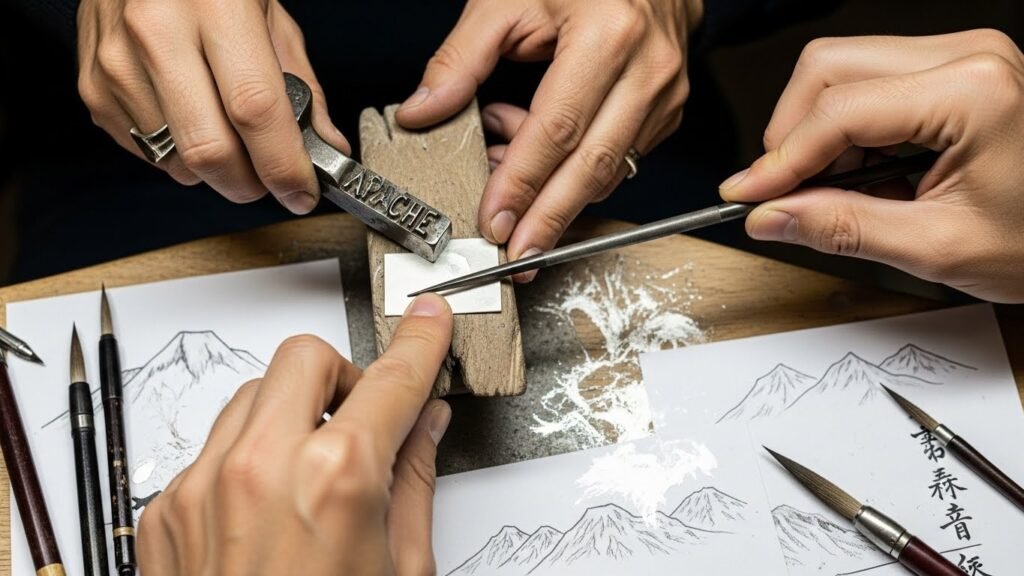
Craig Dan Goseyun is the main person who started this whole project. He is a respected artist from the San Carlos Apache tribe. He is a master at working with silver and traditional designs. He wanted to find a way to honor his roots.
- Honoring Traditions: He made sure the jewelry respected his indigenous culture deeply.
- Equal Partnership: He worked with Japanese artists as true equals in the shop.
- Avoiding Appropriation: The brand is careful not to just copy Native American styles.
- Authentic Voice: Every design has a real meaning that comes from his heritage.
The Japanese Connection: Yusuke Kuwano and the Artisans
Yusuke Kuwano brought a different set of skills to the table. He is a designer who understands the beauty of Japanese minimalism. He worked with skilled silversmiths who are famous for their amazing precision. These artisans know how to work with metal in very advanced ways.
The collaboration created a very special kind of artisanal exchange in the studio. The Japanese side brought technical skills like oxidation and stone setting. They blended these perfectly with the symbolic frameworks provided by the Apache. This mix created a new benchmark for what cultural jewelry can be.
The Philosophical Foundations of the Brand
The brand is built on a very strong set of beliefs. It is not just about looking good in photos or magazines. It is about how the jewelry makes the wearer feel inside. The philosophy is the heart that keeps the brand moving forward.
The concept of the sun rising is the biggest pillar for them. They see light as a guide for their daily creative work. This spiritual focus gives the jewelry a sense of peace and balance. Many pieces feature designs that look like the rays of the sun.
Nature is the ultimate teacher for everyone at Tsunaihaiya. They look at the mountains and the desert for their big ideas. The rugged landscapes of the American Southwest inspire the bold shapes they use. You can see the earth and the sky in their silver.
The Japanese idea of Wabi-Sabi is also very important here. This means finding beauty in things that are not perfect or old. It fits well with the organic textures of traditional tribal jewelry. It shows that a handmade item has a special kind of beauty.
Masterful Craftsmanship and Technical Execution
Making these pieces takes a lot of time and a lot of patience. Nothing is rushed in the process of creating this wearable art. The artists use tools that have been around for a very long time. They also use some of the best modern techniques available.
Traditional Apache Silversmithing Techniques
The Apache influence is seen in the weight of the metal used. They prefer heavy-gauge silver because it feels strong and very durable. This gives the jewelry a rugged feel that lasts for many years. It is jewelry that is meant to be passed down.
- Hand-Stamping: They use metal stamps to create unique patterns in the silver.
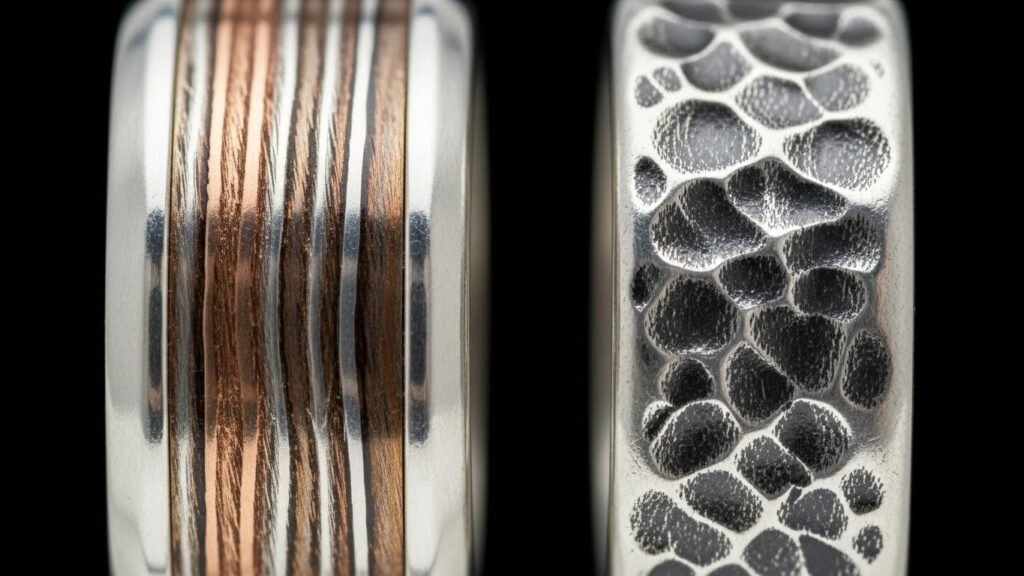
- Hammering: This technique creates a textured surface that catches the light nicely.
- Durability: The pieces are built to stand the test of time and wear.
- Heritage Methods: These skills are passed down from one generation to the next.
Advanced Japanese Metalworking
The Japanese artisans add a level of detail that is very impressive. They use techniques that are famous all over the world for quality. One of these is Mokume-Gane which creates a wood-grain metal look. This involves layering different metals together very carefully.
They also use Urushi lacquer to add color and protection to pieces. Controlled oxidation is used to make parts of the silver look darker. This creates a high contrast that makes the designs pop out more. These finishes give the jewelry a very sophisticated and modern look.
The Meticulous Production Process
The journey of a ring or bracelet starts with a simple sketch. These drawings focus on symbols like the sun or the mountains. The artists then begin the hard work of shaping the raw silver. Every single step is done by hand with great care.
- Hand-Forged: The metal is heated and shaped using fire and hammers.
- Stone Inlay: They set stones like Turquoise and Onyx into the metal.
- Polishing: Every piece is polished to a perfect finish before it is sold.
- Inspections: The brand checks every item to ensure it meets their high standards.
Iconic Collections and Product Offerings
The collections from Tsunaihaiya are always very meaningful and deep. Each piece of jewelry is like a small chapter in a book. They offer a wide variety of items for both men and women. Most of their designs are considered unisex and look great.
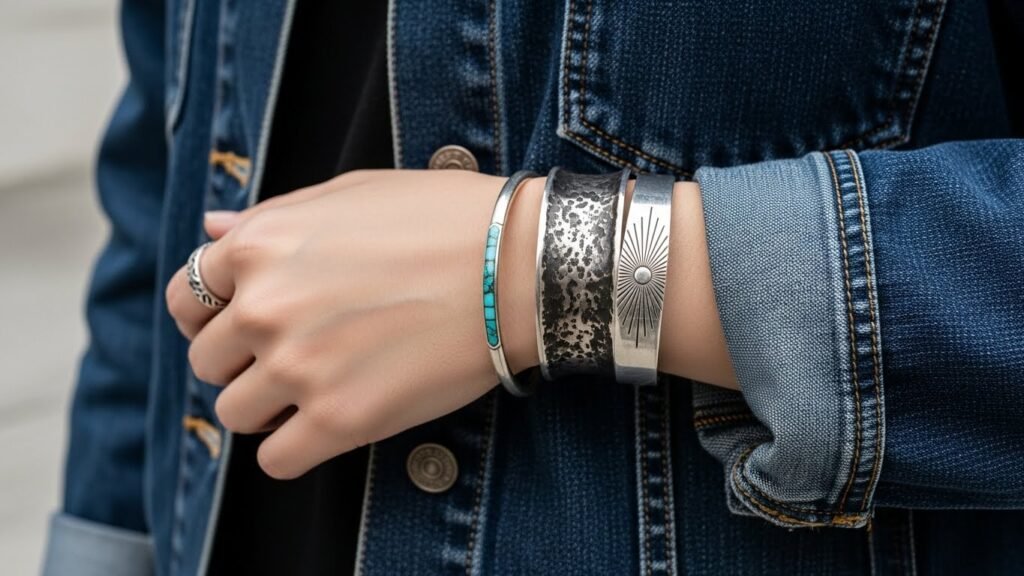
Signature Motifs and Symbols
The most famous design you will see is the sunburst pattern. This is a direct nod to the name of the brand itself. You will also see many shapes that look like the natural world. These symbols act as talismans for the people who wear them.
- Sunbows: These patterns represent the power and the beauty of light.
- Mountain Lines: These designs echo the contours of the rugged earth.
- Balance Motifs: These symbols represent living in harmony with the world.
Product Overview and Specifications
The brand offers everything from rings to long necklaces. They use high-quality materials like Sterling silver and Gold. They also source natural stones from both Japan and North America. This ensures that every piece is unique and very special.
| Product Type | Primary Materials | Notable Features |
| Bracelets | Sterling silver | Features engraved sunrise motifs. |
| Bangles | Mixed metals | Stackable designs with dual craftsmanship. |
| Rings | Silver and Onyx | Hand-forged with a heavy oxidized finish. |
| Necklaces | Stone and Silver | Minimalist designs that connect to heritage. |
| Pendants | Natural stones | Symbols of a personal and spiritual journey. |
Where to Buy Tsunaihaiya Jewelry
Finding authentic Tsunaihaiya pieces requires looking toward specialized retailers that focus on high-end, artisanal, and culturally significant jewelry. Because the brand values quality over quantity, you won’t typically find them in massive department stores. Instead, they are stocked by boutiques that appreciate the “slow fashion” movement and expert silversmithing.
Official Online Retailers
If you prefer shopping from the comfort of your home, several reputable online platforms ship Tsunaihaiya pieces globally. These sites often provide detailed photos of the textures and stone inlays so you can see the craftsmanship up close.
- It’s 12 Midnight: This is one of the most prominent Japanese online retailers for the brand. They carry a wide selection, from the James Crowe Feather series to the signature Sunbow bangles.
- Takanna: A well-known boutique that specializes in unique silver accessories and often features Tsunaihaiya’s latest collaborative collections.
- Silver and Gold: A Japanese retailer that frequently stocks the brand’s more rugged, Apache-influenced silver rings and bracelets.
Boutique Locations in Japan
For those traveling to Japan, visiting a physical store is the best way to feel the weight and quality of the heavy-gauge silver. Most of the brand’s retail presence is concentrated in major fashion hubs.
- Osaka Boutiques: Osaka is a primary hub for Tsunaihaiya. You can find their work in high-end accessory shops within the Shinsaibashi and Namba districts.
- Tokyo Concept Stores: Specialized “select shops” in Tokyo’s Harajuku and Shibuya neighborhoods often carry limited runs of the brand’s wearable art.
Purchasing Tips for Collectors
Because Tsunaihaiya is highly artisanal, there are a few things to keep in mind before you make your purchase:
- Check for Authenticity: Always buy from verified stockists like the ones mentioned above to ensure you are getting genuine silver and natural stones.
- Understand the Sizing: Since many pieces are hand-forged and heavy, double-check ring and bangle sizes carefully, as artisanal silver is not always easy to resize.
- Look for Limited Runs: Some collections, like the “Kaguya” or “Colorfield” series, are produced in small batches. If you see a piece you love, it is often best to secure it before it sells out.
- Shipping and Customs: If ordering from Japan to North America or Europe, remember to account for international shipping costs and potential import duties.
By choosing these specialized boutiques, you support the authentic partnership between Apache and Japanese artisans that makes this brand so unique.
How to Care for Your Tsunaihaiya Jewelry
Because Tsunaihaiya jewelry uses high-quality sterling silver and natural stones, it changes over time. This change is called a patina. Many collectors love this because it makes the jewelry look even more authentic. If you want to keep your pieces looking great for years, follow these simple steps.
Caring for the Silver and Metal
The silver used in these pieces is often heavy and textured. It reacts to the air and the oils on your skin. This is a natural process that adds character to the metal. You do not need expensive tools to keep it clean.
- Wear it Often: The natural oils from your skin actually help prevent the silver from tarnishing too quickly.
- Gentle Wiping: Use a soft microfiber cloth to wipe away dust and sweat after you take it off.
- Avoid Chemicals: Never wear your rings or bracelets while using bleach or harsh cleaning supplies.
- Remove During Exercise: Sweat can cause the oxidation to change color faster than usual.
Protecting the Natural Stones
Tsunaihaiya uses stones like Turquoise and Lapis Lazuli. These stones are porous, which means they can soak up liquids. You have to be extra careful with them compared to the metal parts.
- No Submerging: Do not soak your jewelry in water or jewelry cleaning liquids.
- Apply Products First: Put on your cologne, hairspray, or lotion before you put on your jewelry.
- Dry Cleaning Only: If a stone looks dull, just rub it gently with a dry, soft cloth.
- Avoid Heat: Keep your stone-inlaid pieces away from direct sunlight for long periods to prevent fading.
Managing the Oxidation and Patina
The dark areas on Tsunaihaiya jewelry are created on purpose using oxidation. If you scrub too hard, you might remove this beautiful detail. You want to clean the high points while leaving the dark areas alone.
- Avoid Silver Dips: Liquid silver cleaners will strip away the intentional dark patina.
- Use Polishing Cloths: Only polish the shiny parts of the metal that you want to stand out.
- Embrace the Change: Remember that a little bit of darkening adds to the “Wabi-Sabi” aesthetic of the brand.
Proper Storage Habits
How you store your jewelry is just as important as how you wear it. Proper storage prevents scratches and keeps the silver from turning black too fast.
- Separate Pouches: Keep each piece in its own soft bag so they do not scratch each other.
- Cool and Dry: Store your collection in a place with low humidity, like a dedicated jewelry box.
- Air-Tight Bags: If you aren’t wearing a piece for a long time, a small zip-lock bag can help stop tarnishing.
By following these easy tips, your Tsunaihaiya wearable art will continue to look beautiful as it ages with you.
The Cultural Significance of Tsunaihaiya
This brand means a lot to the people who create it. It is a way to keep their history alive today. It shows that ancient traditions still have a place now. Tsunaihaiya is more than fashion; it is a form of identity.
For the Native American community, it is a point of pride. It shows their art can be respected on a global stage. The brand uses symbols that have been around for many centuries. This connects the wearer to the ancestors who came before.
The jewelry has also started to influence other types of art. You can see these motifs in beadwork and even in music. It creates a community of people who all share similar values. This helps to bridge the gap between different cultures and backgrounds.
On a global level, it is a very big fashion statement. People in big cities like Osaka or New York love it. They appreciate the mix of the West and the East. It is seen as a luxury item because of the work involved.
Tsunaihaiya in the Modern and Digital Context
Even though the brand is old-school, it lives in the digital age. People share photos of their jewelry on social media all the time. This has helped the name Tsunaihaiya reach new younger audiences. It has become a symbol of personal transformation for many.
Beyond Physical Jewelry: An Emotional Vocabulary
Online, the word has taken on a life of its own recently. Some people use it to describe a specific feeling or emotion. It is a mix of being happy but also a bit sad. This “emotional construct” helps people connect with the brand’s deeper spirit.
- Creative Anchor: Digital artists use the name to inspire their own projects.
- Social Signal: Sharing the jewelry shows you value real craftsmanship and art.
- Language Bridge: The term helps people express feelings that are hard to say.
Community Building and Shared Values
The brand has created a movement of people who care about art. They are not just customers; they are a community of collectors. They follow the brand’s journey on social media and at art shows. This shared interest creates strong bonds between people across the world.
Using the hashtag #Tsunaihaiya helps these people find each other easily. They talk about the different stones and the silver textures they like. This digital presence keeps the ancient traditions relevant in our fast world. It ensures that the sunrise never truly ends for the brand.
Conclusion: The Enduring Legacy of the Universal Sunrise
Tsunaihaiya is a beautiful example of what happens when we work together. It proves that different cultures can create something new and amazing. It is a brand that respects the past but looks at the future.
The jewelry serves as a daily reminder of light and renewal. When you wear a piece, you carry a story of two nations. It is a story of harmony, hard work, and deep respect. This is why the brand will stay popular for a long time.
In a world that feels crowded, these pieces offer some quiet peace. They remind us of the sun that rises for everyone every day. The legacy of Tsunaihaiya is one of beauty and true human connection.
Frequently Asked Questions About Tsunaihaiya
What is the specific tribal affiliation of the founder?
Craig Dan Goseyun belongs to the San Carlos Apache tribe. His heritage is the primary source of the symbolic frameworks used in the brand’s jewelry designs.
Where did Craig Dan Goseyun receive his artistic training?
He studied at the Institute of American Indian Arts in Santa Fe, New Mexico. This background provided him with a foundation in both traditional Southwestern art and contemporary metalworking.
What is the role of Yusuke Kuwano in the brand?
Yusuke Kuwano serves as a creative director and designer who brings Japanese traditional techniques to the partnership. He is instrumental in blending the minimalist Japanese aesthetic with Apache symbolism.
Which Japanese city is associated with the brand’s production?
The brand has deep ties to Osaka, Japan, where many of their custom-made pieces are crafted in specialized boutiques.
What are the primary metals used in Tsunaihaiya accessories besides silver?
While sterling silver is the most common, the brand also utilizes gold, copper, and specialized gold alloys like Shakudo.
How does the brand use leather in its product line?
Tsunaihaiya incorporates high-quality leathers such as calf leather, Waprolux, and vegetable-tanned or chrome-tanned skins for items like wallets.
What specific stone materials are used for inlays?
The brand uses a wide variety of precious and semi-precious stones including Turquoise, Onyx, Lapis Lazuli, Magnesite, Moonstone, Coral, and hand-cut natural stones.
What are some of the animal motifs found in the jewelry?
Design motifs often include natural and animal-inspired shapes such as the Deer, Snake, and Crane Feather.
What does the “Fenomeno” collection represent?
The “Fenomeno” series is a specific line within the brand that explores unique, stylized designs and intricate cultural fusion.
What is the “Kaguya” series?
The “Kaguya” series refers to specific designs that incorporate Japanese traditional metal casting and historical narratives into wearable art.
How is the “Mokume-gane” technique applied to the jewelry?
Mokume-gane is a Japanese metalworking technique that creates a wood-grain appearance by layering different metals, providing a unique texture to bangles and rings.
Does the brand offer items other than jewelry?
Yes, Tsunaihaiya produces various lifestyle accessories including keyrings, wallet chains, and high-quality leather goods.
What is the significance of the “Sunbow” motif?
The Sunbow is a symbolic design element representing light and spiritual connection, often found in their pendant and ring collections.
How does the brand handle metal patination?
Artisans use controlled oxidation and traditional Japanese patination techniques to create contrast and highlight the intricate details of the engravings.
Are the jewelry pieces mass-produced?
No, the brand focuses on limited production and limited edition pieces to maintain artisanal integrity and uniqueness.
What is the “Maze” design in their collection?
The Maze is a geometric pattern used in their metalwork that represents the personal journey and the complexity of cultural identity.
Does Tsunaihaiya offer custom-made services?
The brand is known for its craftsmanship in creating custom-made and detailed pieces for collectors who want a personalized cultural narrative.
What finishing techniques are used to give the silver its look?
Techniques include reticulation, hammered finishes, hand-polishing, and brushed finishes to create a variety of organic shapes and textures.
Is the jewelry designed for a specific gender?
Tsunaihaiya jewelry is generally designed to be unisex, appealing to both men’s and women’s accessory markets globally.
How does the brand define “wearable art”?
They view their pieces as more than just fashion; they are symbolic talismans and “wearable narratives” that celebrate the longevity and aging process of the materials.