 Skip to content
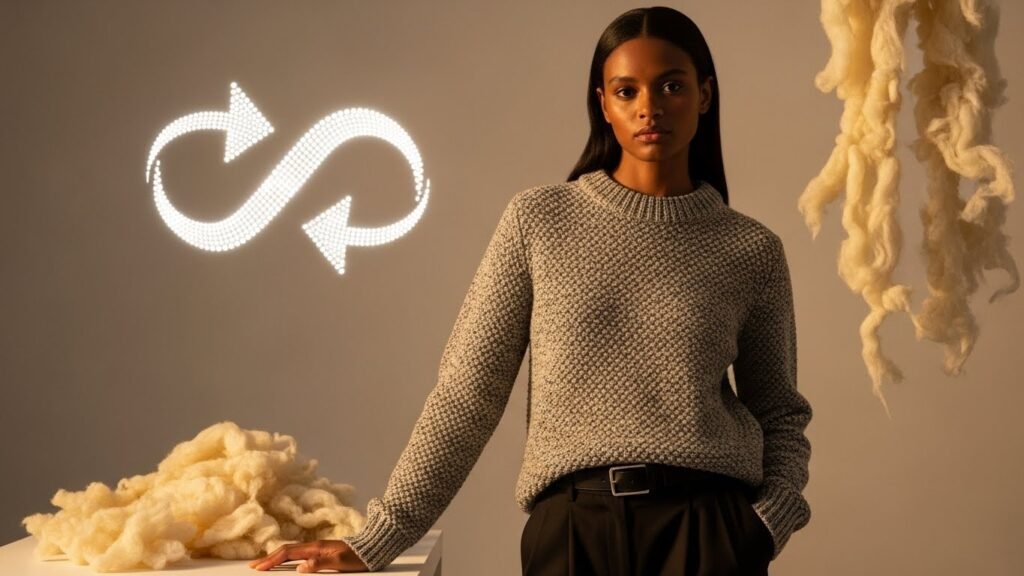
The fashion world is hitting a rough patch right now. Mountains of old clothes are piling up in landfills every single day. It is a huge mess for our planet. But there is a cool new way to fix this called woolrec. This movement is all about taking old wool and giving it a fresh life. It keeps the earth happy and keeps us looking sharp. Woolrec is not just a fancy word for recycling. It is a way to make sure nothing goes to waste. Every single fiber gets a second chance to shine.
Introduction to Woolrec and the Circular Textile Movement
Woolrec is a big game changer in the world of sustainable wool recycling. It focuses on turning discarded wool into things we actually want to use. Instead of throwing away an old sweater, we turn it into something awesome. This helps stop the millions of pounds of wool from ending up in the trash. It is all about giving old textiles a brand new purpose. We are building a future where we actually think about what we buy.
The name woolrec is a mix of two powerful ideas. First, you have wool, which is a high-quality natural material. Then you have “rec,” which stands for recovery and regeneration. Put them together and you get a system that saves the planet. It is a move toward wool recovery systems that keep the quality high. We want to lower the environmental footprint of everything we wear.
This movement is part of what people call the circular economy. In a circular economy, we do not just use things and toss them. We create a loop where waste becomes a resource. Woolrec is the bridge that connects old traditions with new science. It helps us understand that “sustainable luxury” is totally possible. We are redefining what it means to be responsible consumers.
- Sustainable Vision: Woolrec aims to eliminate textile waste by repurposing every fiber.
- Resource Recovery: The process recovers wool that would otherwise sit in a landfill.
- Circular Fashion: It creates an ecosystem where production and disposal feed back into each other.
- Regenerative Goals: The focus is on regenerating materials to stay within planetary boundaries.
The Environmental Imperative for Wool Recycling
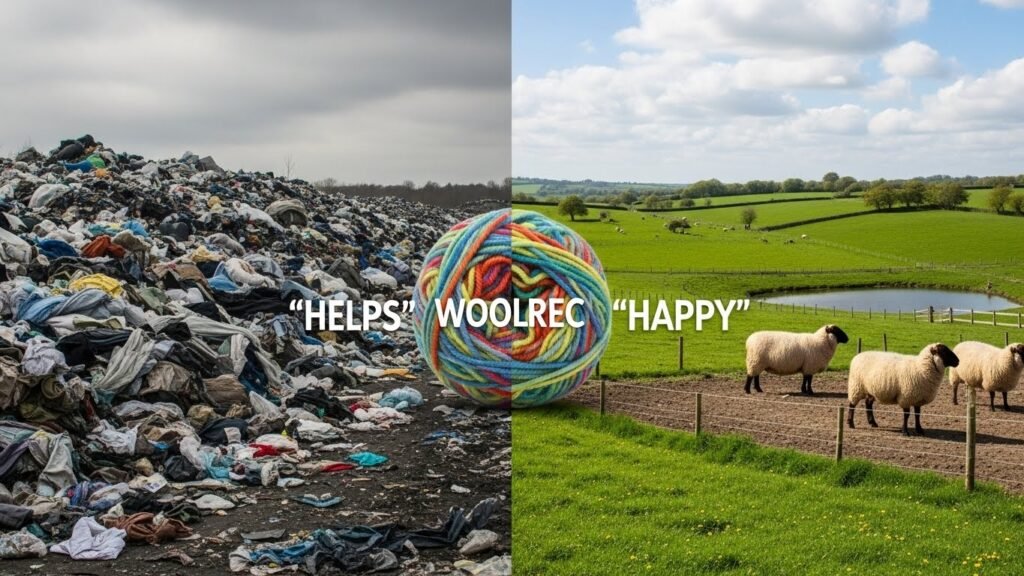
Throwing wool in the trash is a major problem for the earth. When wool sits in a landfill, it takes up a lot of space. As it slowly breaks down, it releases greenhouse gases. This contributes to climate change and global warming. Even though wool is natural, burying it in big piles is bad news. It can also leak chemicals into the soil and nearby water. This hurts the animals and plants living in those areas.
Making new wool from scratch is also very resource-intensive. Sheep farming needs a whole lot of land and water. If the land is not managed right, it leads to soil degradation. This means the dirt loses its nutrients and cannot grow things well. Traditional farming also uses a lot of pesticides and fertilizers. These chemicals can run off into rivers and cause water pollution.
The cool thing about wool is that it is biodegradable. This means it can break down naturally without leaving nasty trash behind. If we use organic farming and rotational grazing, we can protect the soil. But recycling through woolrec is even better for the environment. It stops us from needing to start from zero every time. We can save water and protect our natural habitats.
- Landfill Reduction: Recycling wool keeps massive amounts of waste out of the ground.
- Greenhouse Gas Control: Proper wool recovery lowers the release of harmful gases.
- Water Conservation: Using recycled fibers saves a ton of water compared to new production.
- Chemical Reduction: Woolrec uses fewer harsh chemicals than traditional manufacturing.
The Benefits of Recycled Wool vs. Synthetic Materials
Recycling wool is way better than making synthetic clothes like polyester. Synthetic fabrics are basically made of plastic. They do not break down and they pollute the ocean with microplastics. Woolrec offers a natural alternative that is much kinder to nature. It helps us move away from materials that stay in the environment forever.
One of the best things about woolrec is the energy savings. Processing recycled wool uses up to 70% less energy than making new wool. That is a massive win for the climate. It also lowers our carbon footprint significantly. We can make beautiful clothes without burning so much fuel.
Recycled wool is still super high quality. It keeps you warm and lasts a long time. It has great elasticity, which means it stretches and keeps its shape. You get all the perks of natural fibers without the environmental guilt. It is a perfect way to balance performance with sustainability.
- Energy Efficiency: Using woolrec saves huge amounts of electricity and fuel.
- Fiber Durability: Recycled wool stays strong and keeps its warmth-retention properties.
- Lower Emissions: The process produces much less carbon dioxide than virgin production.
- Natural Advantage: Unlike plastic-based fabrics, wool returns to the earth naturally.
The Woolrec Process: From Waste to Rebirth
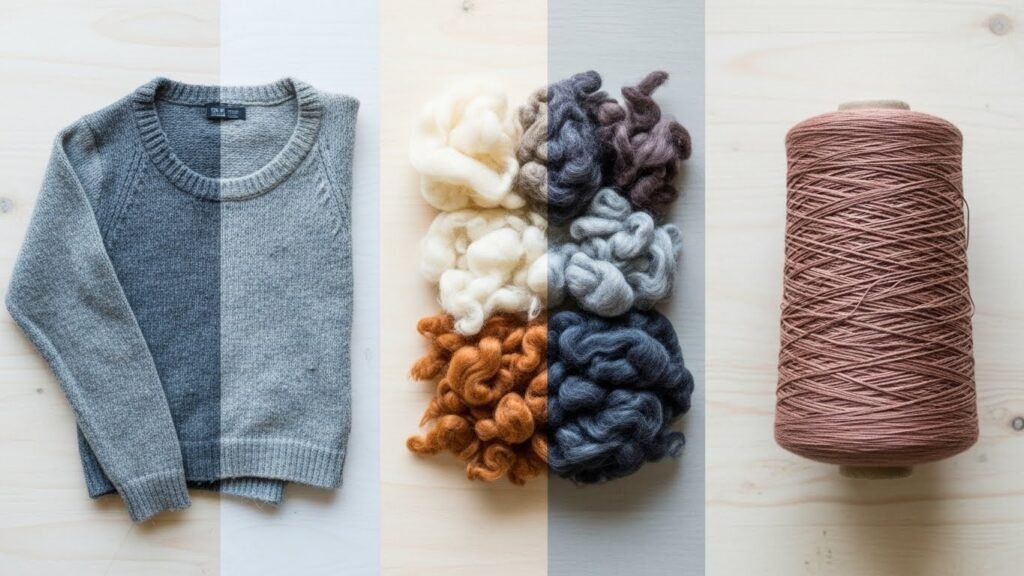
Turning old trash into treasure takes some serious work. The woolrec process is like a magical transformation for fabric. It starts with collecting old wool from farms and factories. People also drop off their old sweaters at collection events. Every piece of fabric is checked by hand to see if it is good enough.
Collection and Sourcing
The first step is getting the raw materials. Woolrec centers gather unwanted wool from all over the place. This includes scraps from clothing manufacturers and local farms. They also take old blankets and jumpers that people do not want anymore. It is all about finding potential in things others throw away.
Quality Inspection and Meticulous Sorting
Once the wool arrives, the experts take over. They inspect every item to make sure it is clean and high quality. Then they sort everything by color and type. This is important so the final product looks and feels right. Meticulous sorting means they can make specific types of yarn later on.
Eco-Friendly Cleaning and Preparation
Cleaning the wool is the next big job. Woolrec uses eco-friendly methods to wash the fibers. They remove dirt, oils, and old dyes without hurting the fabric. This keeps the fibers strong and ready for the next step. They avoid using harsh chemicals that could pollute the water.
Advanced Fiber Recovery
Now things get high-tech with specialized machinery. The old textiles are broken down into tiny reusable fibers. This can be done through mechanical or chemical recycling. The goal is to keep the fiber integrity high. This means the wool stays soft and tough.
Re-spinning and Refinement
After the fibers are recovered, they are spun into new yarn. Artisans can make the yarn thick or thin depending on the design. Sometimes they blend it with other fibers to make it even stronger. This refined yarn is the base for all the new products. It looks and feels just like brand new material.
Recreation and Product Manufacturing
Finally, the yarn is used to make cool new stuff. This could be high-end fashion or warm blankets. Some of it even becomes insulation for homes. This stage is where the “wearable art” really comes to life. It shows that recycling can be beautiful and useful at the same time.
Technological Innovations Powering the Movement
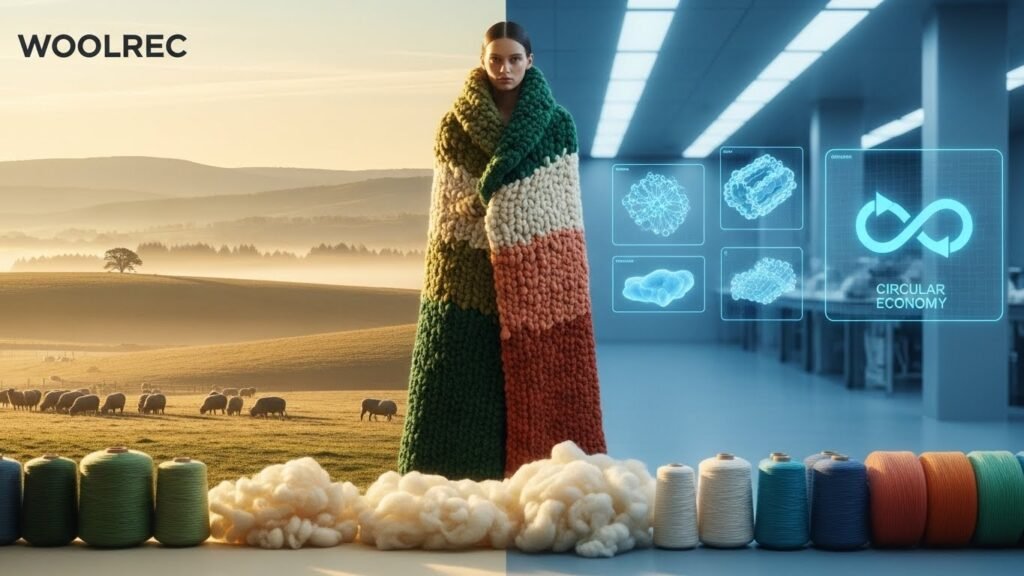
Woolrec is not just about old-school recycling. It uses some really fancy technology to get the job done right. Modern facilities use AI-driven sorting to speed things up. This technology can tell different fabrics apart way faster than a human. It makes the whole woolrec system much more efficient.
Digital traceability is another huge innovation. This lets you track your wool all the way back to where it started. It builds trust because you know exactly what you are buying. Brands use this to prove they are actually being sustainable. It gives consumers confidence that they are making a good choice.
The future looks even more high-tech for woolrec. Scientists are working on 3D fiber mapping and smart robotics. These tools will make it easier to disassemble old clothes. We are also looking into enzymatic recycling. This uses natural enzymes to break down wool without any chemicals.
- Smart Sorting: AI and robots pick out the best wool with amazing precision.
- Traceability Systems: Digital tools show the journey of the fiber from start to finish.
- Green Chemistry: New methods avoid toxic dyes and use clean re-dyeing tech.
- Next-Gen Robotics: Robots help take apart complex garments for easier recycling.
Woolrec as Wearable Art and Circular Design
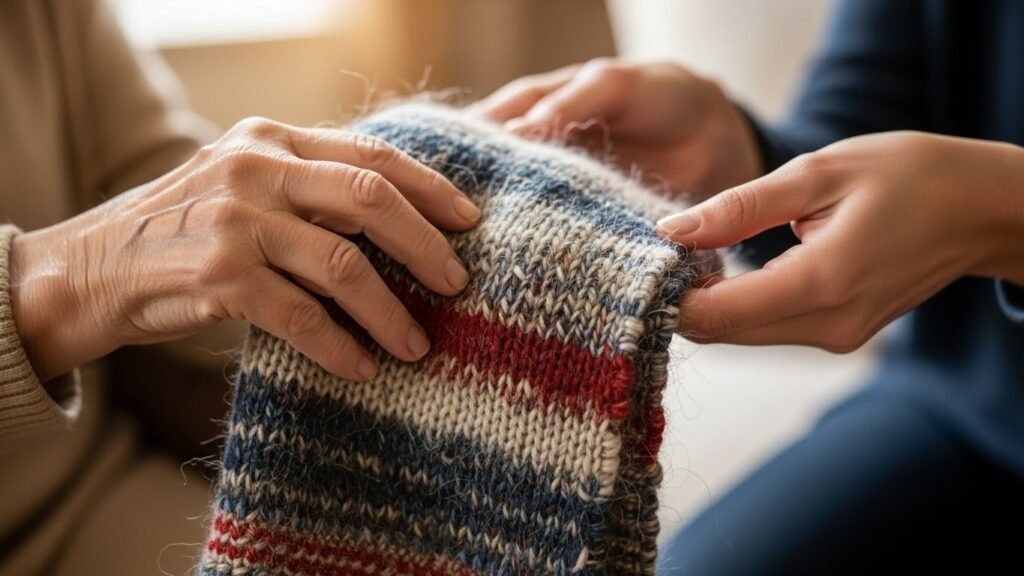
Circular design is a whole new way of thinking about clothes. Instead of just making something to look cool, designers think about the future. They design clothes that are easy to take apart and recycle later. Woolrec is at the heart of this “design for longevity” mindset. It treats every garment as part of a bigger cycle.
Many designers now view recycled wool as a form of wearable art. The textures and colors of reclaimed wool are unique and beautiful. This makes the final product feel special and high-end. It is not just a cheap sweater; it is a piece of art that saves the planet. This elevates woolrec into the world of high fashion.
There is also a lot of emotional value in these materials. Think about an old family blanket that is falling apart. Through woolrec, it can be reborn as a new scarf or pillow. It keeps the memories alive while giving the material a fresh purpose. This connects different generations through the things they wear.
- Creative Innovation: Designers use recycled wool to make one-of-a-kind fashion pieces.
- Material Longevity: Woolrec products are built to last and be reused many times.
- Conscious Style: High-fashion brands are proving that sustainability is always in style.
- Heritage Preservation: Old textiles are transformed into new treasures without losing their soul.
Socio-Economic Impact and Community Engagement
Woolrec does a lot more than just help the environment. It also helps people and their local communities. By starting recycling hubs, it creates new jobs for local workers. It empowers artisans to learn new skills in textile design. This makes the local economy stronger and more resilient.
Workshops are a big part of the woolrec movement. These events teach people how to fix and repurpose their own wool items. It sparks a sense of pride in making things by hand. Communities come together to turn “trash” into something valuable. This social transformation is a huge part of the project’s success.
The economic side of woolrec is also very promising. Reusing old wool is often cheaper than producing new fibers from scratch. This makes circular systems profitable for businesses. It opens up new markets for ethical and eco-friendly products. We are seeing a whole new industry grow around these principles.
- Job Creation: Woolrec centers provide work for sorters, cleaners, and designers.
- Skill Building: Workshops help people learn the art of textile recovery and craft.
- Economic Viability: Businesses save money on raw materials by using recycled fibers.
- Community Pride: Local groups work together to reduce waste and create income.
Collaboration and Global Momentum
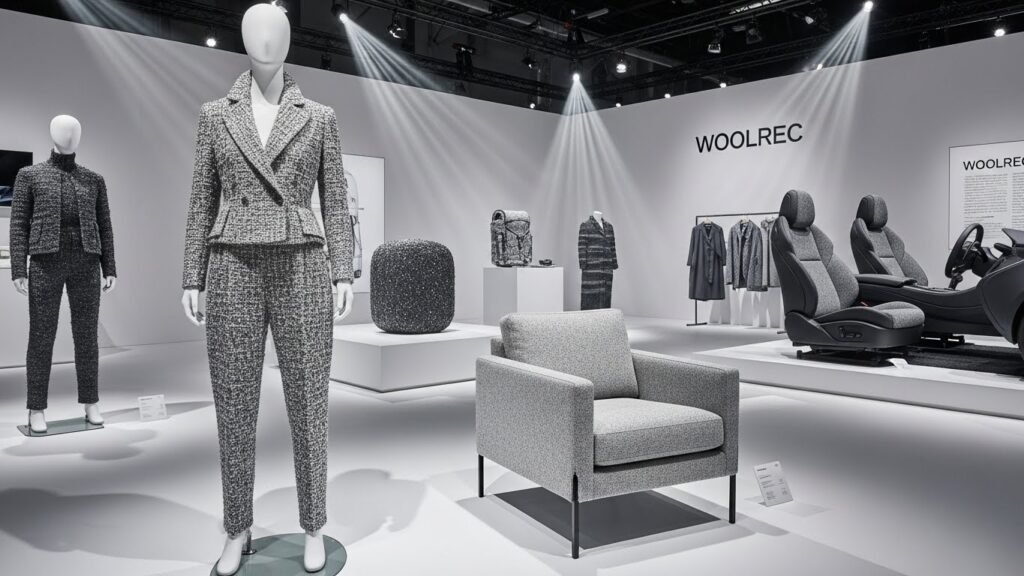
No one can save the planet alone, so woolrec is all about teamwork. Fashion brands are now partnering with recycling experts. They work together to create special collections made from reclaimed wool. These high-fashion statements help show the world that recycling is cool. It makes eco-friendly clothes more popular with everyone.
The woolrec movement is spreading all around the globe. Standards for how we make clothes are changing because of these ideas. From small local groups to big global factories, everyone is getting involved. This momentum is helping to meet international environmental goals. It is a massive shift in how the whole industry operates.
These ideas are also moving into other areas like furniture and cars. Recycled wool is perfect for upholstery and car seats. It shows that the potential for woolrec goes way beyond just clothes. The more industries that adopt these rules, the bigger the impact will be. We are moving toward a world where everything is made sustainably.
- Brand Alliances: Big names in fashion are now using woolrec fibers in their lines.
- Industry Standards: New rules are making it easier for everyone to recycle textiles.
- Global Outreach: Woolrec principles are being adopted by manufacturers worldwide.
- Broad Application: The tech is used for home decor, automotive parts, and more.
Economic Benefits for Small Fashion Brands Switching to Woolrec
The shift toward a circular textile economy is not just an environmental choice; it is a smart business strategy for modern designers. By adopting the woolrec philosophy, small brands can find new ways to grow while staying true to their values.
- Reduced Raw Material Costs: Reusing existing wool and scraps from manufacturers is often significantly cheaper than purchasing virgin fibers from scratch.
- Premium Market Appeal: Conscious consumers are increasingly willing to invest in ethical fashion, allowing recycled wool products to command higher market prices.
- Lower Energy Expenses: Because processing recycled wool uses up to 70% less energy than new production, brands can lower their overall operational carbon footprint and energy-related costs.
- Unique “Wearable Art” Branding: The unique textures and colors of reclaimed wool allow small designers to create one-of-a-kind fashion pieces that stand out in a crowded market.
- Access to New Industry Networks: Joining the woolrec movement opens doors to brand alliances and partnerships with recycling experts and global manufacturing hubs.
- Building Consumer Trust: Using digital traceability systems allows small brands to prove their sustainability claims, providing the transparency that modern shoppers demand.
- Stimulating Local Economies: By participating in local collection events and workshops, small brands help create jobs and strengthen the local artisan community.
- Long-Term Scalability: As technology like smart robotics and AI-driven sorting becomes more common, the cost of recycling will continue to drop, making sustainable wool a standard for everyone.
The Future of Sustainable Fashion and Conscious Creation
The future of fashion looks bright thanks to woolrec. We are moving away from “fast fashion” that we wear once and toss. Instead, we are becoming conscious consumers who care about our impact. Education is a huge part of this shift. The more people know about woolrec, the more they will want to participate.
We are also working on scaling up the whole system. This means more collection hubs and bigger recycling plants. We want to make sure every single piece of waste wool can be recovered. As the technology gets better, it will become even cheaper and easier. This will help make sustainable wool a normal thing for everyone.
Ultimately, woolrec is about leaving a lasting legacy. It is a way to respect nature and preserve our planet for the next generation. Every thread we save is a small victory for the environment. We are redefining what it means to create something new. It is a journey toward a world of beauty, balance, and responsibility.
- Scaling Up: The goal is to make woolrec a standard part of all textile production.
- Consumer Awareness: More people are learning how to choose circular fashion over waste.
- Technological Growth: New tools will make recycling faster and more precise than ever.
- Cultural Shift: We are moving toward a society that values stewardship over ownership.
Frequently Asked Questions
What specific types of wool are most suitable for the Woolrec process?
While Woolrec aims to repurpose all wool, high-quality natural wool like Merino, Cashmere, and Lambswool are preferred because they have longer fibers. Long fibers are easier to re-spin into strong, premium yarn that maintains the “sustainable luxury” standard.
Can blended fabrics containing both wool and polyester be recycled?
Woolrec utilizes advanced fiber recovery and specialized machinery to handle complex textiles. While pure wool is simplest, the development of next-gen robotics and enzymatic recycling is making it easier to disassemble and separate wool from synthetic blends.
How does Woolrec ensure the recycled yarn is free from allergens or bacteria?
The cleaning and preparation stage is a major part of the transformation. Wool is washed using eco-friendly methods specifically designed to remove impurities, bacteria, and oils while ensuring the fibers remain strong and safe for skin contact.
What happens to the wool fibers that are too short to be spun into yarn?
In a circular economy, no fiber is wasted. Fibers that are too short for high-end fashion garments are often repurposed into industrial textiles or home insulation, ensuring every part of the material stays out of the landfill.
Does the recycling process weaken the natural flame-retardant properties of wool?
No, the natural chemical structure of the wool fiber remains intact during mechanical recovery. This allows recycled wool to retain its inherent safety benefits, such as being naturally flame-retardant and moisture-wicking.
How can a consumer verify if a product is truly made through Woolrec?
Consumers can look for digital traceability systems. These digital tools allow you to track the journey of the specific fiber from its original source through the recycling facility to the final product, providing full transparency.
Is the re-dyeing process used in Woolrec harmful to the environment?
Woolrec prioritizes green chemistry and clean re-dyeing techniques. By using eco-friendly methods and avoiding harsh toxins, the process prevents water pollution and protects local ecosystems.
Are there specific collection events for household wool waste?
Yes, Woolrec centers often host local collection events where people can drop off old sweaters, blankets, and jumpers. These events help build community engagement and make it easy for individuals to participate in the circular movement.
How does Woolrec compare to mechanical shredding used in traditional recycling?
While traditional shredding can damage fibers, Woolrec uses specialized machinery and is exploring enzymatic recycling to keep fiber integrity high. This ensures the resulting wool stays soft, tough, and high-quality.
Can recycled wool be used in high-performance outdoor gear?
Yes, because recycled wool retains its natural elasticity and warmth-retention properties, it is perfect for performance wear. It offers a natural, breathable alternative to plastic-based synthetic outdoor fabrics.
Does Woolrec work with local farmers or only industrial waste?
The sourcing process is inclusive, gathering unwanted wool from local farms as well as scraps from clothing manufacturers. This supports the local agricultural economy and ensures farm waste is put to good use.
What is the expected lifespan of a garment made from Woolrec yarn?
Woolrec products are designed with a “design for longevity” mindset, meaning they are built to last through many uses. Because the fibers are meticulously sorted and refined, the durability is comparable to virgin wool products.
How does the energy consumption of Woolrec compare to polyester production?
Woolrec uses up to 70% less energy than virgin wool production and is significantly more efficient than creating synthetic, oil-based fabrics like polyester. This leads to a much lower carbon footprint for the final garment.
Can Woolrec technology be used for other animal fibers like mohair or alpaca?
The principles of fiber recovery and re-spinning used in Woolrec are broadly applicable to other high-quality natural animal fibers. The system’s focus on maintaining fiber integrity makes it a model for all luxury animal fiber recycling.
Does the enzymatic recycling process use dangerous chemicals?
No, enzymatic recycling is a “green” innovation that uses natural enzymes to break down fibers. This avoids the need for toxic chemicals, making the process safer for workers and the environment.
Is there a way for small designers to buy Woolrec yarn for their collections?
Woolrec encourages collaboration and brand alliances, often providing refined yarn to designers who want to create “wearable art”. This helps scale the movement and makes sustainable materials available to more creators.
How does Woolrec prevent microplastic pollution?
By focusing on natural wool fibers instead of synthetic materials, Woolrec avoids the release of microplastics into the ocean. Since wool is biodegradable, any fibers shed during washing will eventually break down naturally.
Can the Woolrec process handle wool that has been heavily felted?
Meticulous sorting and advanced fiber recovery allow the system to assess and process various wool conditions. Even heavily used textiles can often be broken down into reusable fibers for industrial applications if they aren’t suitable for yarn.
Does Woolrec help reduce the cost of sustainable fashion?
Yes, reusing existing wool is often cheaper for businesses than producing new fibers from scratch. These savings make circular systems economically viable and can help make eco-friendly clothes more affordable for everyone over time.
What is the long-term vision for the Woolrec movement?
The ultimate goal is to make wool recovery a standard part of all textile production globally. By scaling up collection hubs and improving technology, the movement seeks to leave a lasting legacy of environmental stewardship.