 Skip to content
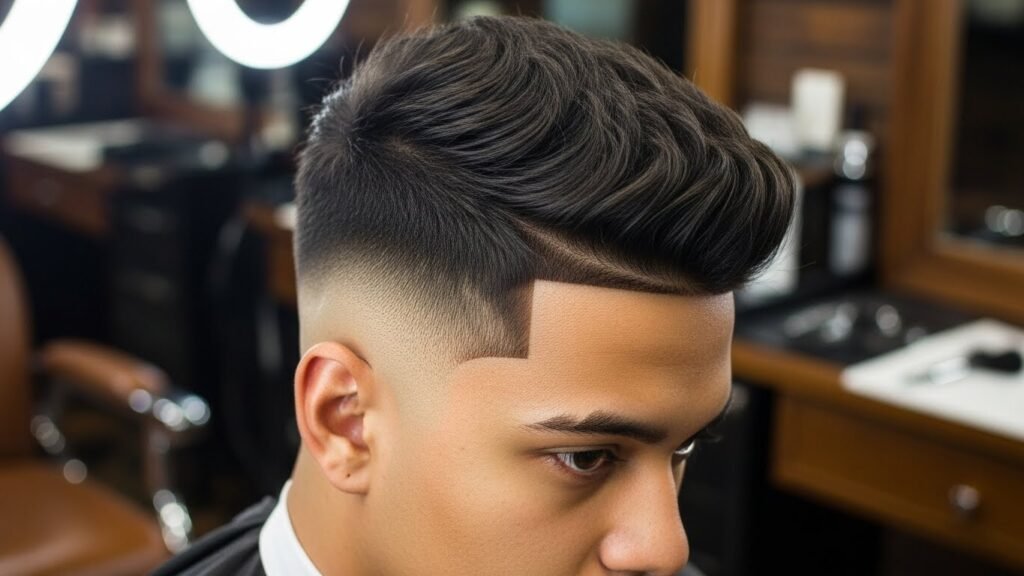
The skin fade haircut is arguably the hottest style in men’s grooming today. It is more than just a trend. This sharp, versatile look has dominated barbershops for years and shows no signs of slowing down. If you want a clean, modern style that truly stands out, the skin fade is your jam.
This guide breaks down everything you need to know. We will cover the history, terminology, and all the different fade types. By the time you are done reading, you will be ready to walk into the barbershop and ask for the exact cut you want. Let’s dive in.
The History and Enduring Appeal of the Fade
The fade haircut is not some overnight sensation. It has a rich history tied to precision and style. Its enduring popularity stems from its ability to look sharp on any man, regardless of hair type or face shape.
Where the Fade Came From
The fade technique started in the military. It was a functional haircut. The goal was to keep the hair short and neat for hygiene and regulation. This cut was often called the “high and tight.”
The style then found its way into African-American barbershops. Here, skilled barbers perfected the seamless blending technique. They transformed a simple military cut into an art form. This refinement made the cut highly desirable.
In the 1980s and 90s, the fade exploded into mainstream culture. Hip-hop artists and athletes embraced the look. The high-top fade became an iconic look of the era. This cultural moment cemented the fade’s place in modern grooming.
Why the Skin Fade Remains a Top Choice
The reason the skin fade is still king is simple: it is flawlessly clean. It offers a dramatic contrast that makes the hair on top truly pop. This cut is versatile and suits almost everyone.
- It looks sharp and professional for work settings.
- It easily transitions to a casual, edgy look.
- It works with various textures, from straight hair to coily afro-textures.
- The high contrast highlights masculine jawlines and facial features.
The skin fade is not just a haircut. It is a statement of precision and confidence.
Understanding Fade Terminology
Before you hit the barber chair, you need the lingo down. Knowing the difference between a skin fade, a taper fade, and a bald fade is crucial. This helps ensure you get exactly the cut you envision.
Skin Fade vs. Taper Fade
Many people use these two terms interchangeably. However, they describe two different levels of drama and contrast. Understanding the technical difference is key.
Skin Fade
The skin fade is the bold choice. It is also known as a zero fade. The hair is trimmed all the way down to the bare skin.
- The fade usually starts low on the sides or the back of the head.
- The shortest point is zero length, blending up into the longer hair on top.
- This creates a sharp, high-contrast, and very clean look.
- It requires more maintenance due to the high contrast line.
Taper Fade
The taper fade is the subtle option. It is much more conservative than the skin fade. The hair gradually shortens but never goes down to the skin.
- The fade focuses mainly near the sideburns and the neckline.
- The change in length is more gradual and less dramatic.
- Most of the hair on the sides stays the same length.
- It works well for office environments or a classic aesthetic.
Skin Fade vs. Bald Fade
The terms skin fade and bald fade are essentially the same haircut. They both achieve the maximum amount of contrast.
- The shortest point is zero hair.
- The clipper guards are removed, or a straight razor is used.
- This blends the hair smoothly down to the bare skin.
- Some barbers use “bald fade” to emphasize the razor-sharp, completely naked finish.
The Zero-Gap Setup: How Barbers Achieve the Skin Look
Achieving that perfectly smooth, bald finish requires a specific technique. Barbers use special tools to create the zero-length effect. This is the magic behind the high-contrast look.
Barbers typically use two tools for this process:
- Trimmers: These are zero-gapped. This means the blades are adjusted for the absolute closest cut possible. They remove the stubble without cutting the skin.
- Foil Shaver or Straight Razor: After using the clippers, the barber uses a foil shaver. This tool gets the skin smoother than trimmers can. For the ultimate finish, a straight razor may be used. This provides the sharpest, cleanest, and truly “bald” result.
This meticulous process ensures the hair completely disappears. It creates a flawless canvas for the longer hair on top.
Comprehensive Guide to Skin Fade Types
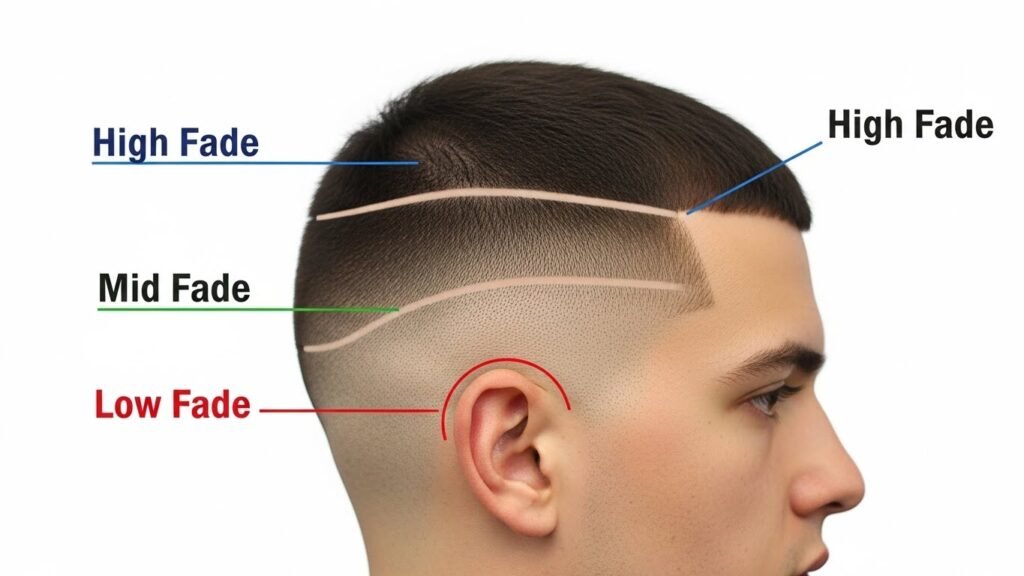
The word “skin fade” is a broad term. It describes the style of the bottom portion of the cut. However, the cut’s appearance drastically changes based on where the fade line begins. This is called the “level” or “height.”
Standard Fade Levels (By Height)
The height of the fade determines the intensity of the contrast. You need to know these three levels before booking your next appointment.
Low Fade
The low fade is the least dramatic option. It keeps the cut conservative and balanced. It is perfect for those trying a fade for the first time.
- Key Characteristics: The fade line starts just above the ears. It drops seamlessly into the neckline. It keeps more hair on the sides and back.
- Best For: Subtle blending. This look is fantastic for professional settings. It is also great for guys not wanting a bold change.
- Ideal Face Shapes: It works well with oval and triangular face shapes. The lower volume adds fullness near the jawline.
Mid Fade
The mid fade is the most popular and versatile choice. It strikes the perfect balance between clean and bold. It is the “just right” option for most men.
- Key Characteristics: The fade line starts halfway up the sides. This is typically right around the temples or just above the ears. It blends from bare skin to longer hair quickly.
- Starting Point: The midway point of the head. It provides noticeable contrast without being too aggressive.
- Suitable Face Shapes: It suits most face shapes. It adds structure and balance, making it a reliable and stylish choice.
High Fade
The high fade is the boldest style. It creates maximum impact. This style is for men who want a sharp, modern, and undeniably clean look.
- Key Characteristics: The fade line begins high up on the head. It sits well above the temples. This exposes a lot of skin on the sides and back.
- Starting Point: Close to the top of your head, near the parietal ridge. This clears out the sides fast.
- Best Suited For: Square and angled face shapes. The height helps elongate the face and highlights sharp features. It offers the greatest canvas for styling the top.
Specialized Fade Styles (By Shape and Contour)
Beyond the height, you can change the fade’s contour. These variations allow for a more dynamic and personalized shape. They are modern twists on the classic straight fade.
Drop Skin Fade
This style is an instant upgrade from a standard fade. The drop fade follows the curve of the head more closely.
- Key Characteristics: The fade line starts at the desired height (low or mid). It then gently drops or curves downward behind the ear.
- It seamlessly blends into the neckline.
- The drop creates a smooth, curved contour that frames the head nicely.
Burst Skin Fade
The burst fade is known for its radiating, sunburst-like effect. It is a very athletic and popular cut. It provides movement and flair.
- Key Characteristics: The fade is concentrated around the ear. It curves neatly in a half-moon shape. It then blends into the neckline and down to the skin.
- It leaves the hair much longer in the back of the neck.
- This cut is often paired with a mullet or mohawk for extra style.
Taper Skin Fade
The term “taper skin fade” simply refers to any skin fade. This is because all fades use the tapering technique. This style leaves less skin exposed than a high fade. It focuses on the smooth, gradual transition. It’s the foundational technique for all the styles above.
Styling the Top: Combining Fades with Hair Lengths and Looks
The skin fade is the base. The top hair is the masterpiece. You can pair a skin fade with virtually any style. The contrast always makes the top look cleaner and sharper.
Short and Structured Top Styles
These styles are low maintenance and always look neat. They emphasize the sharpness of the fade. They are often great choices for a busy lifestyle.
- Skin Fade Buzz Cut
This is the ultimate minimalist cut. It features a tight buzz on top. This is paired with skin-level fades along the sides. It offers strong definition with minimal effort. - Skin Fade Crew Cut
The crew cut is a timeless, masculine choice. It blends the sides down to the skin. The top is kept short and even. This creates a clean, balanced shape. - French Crop Skin Fade
This haircut is very modern and trendy. It combines a short, blunt fringe. This fringe is paired with the clean fade on the sides and back. It gives a bold, confident look.
Medium and Flowing Top Styles
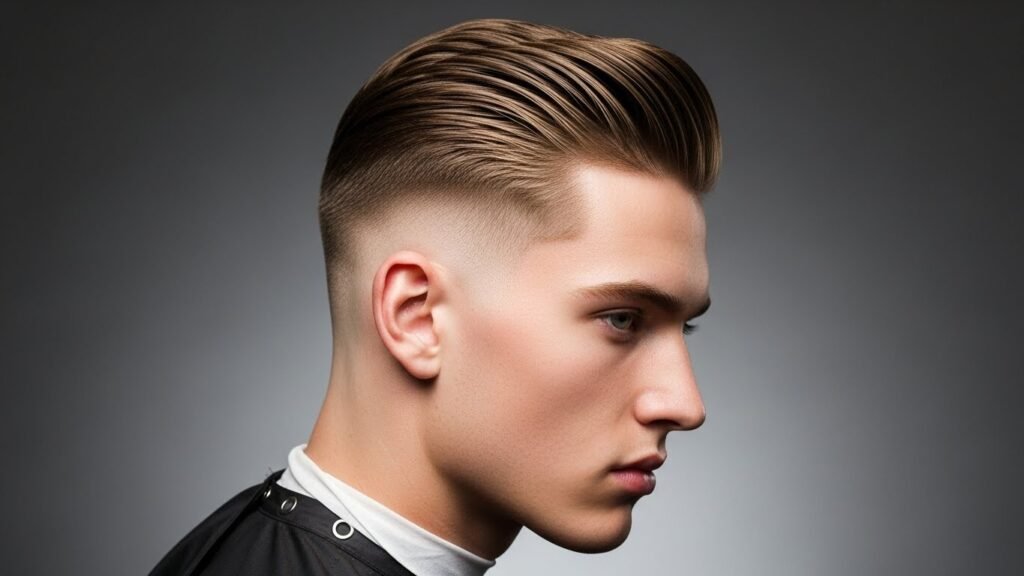
These options offer more versatility and volume. They require a bit more styling time. However, the result is a sophisticated and highly polished appearance.
- Skin Fade Comb Over
This is a sleek style with a timeless feel. The fade blends seamlessly into the skin. The longer hair on top is combed neatly to the side. This creates a polished effect. - Skin Fade Side Part
This polished hairstyle keeps the fade tight. The top is styled into a neat side part. This creates clear structure and flow. - Skin Fade Slick Back
This look blends a sharp fade with sleek styling. The top is blow-dried back for volume and shine. It gives a polished, confident look. - Skin Fade Undercut
This cut maximizes contrast. The skin fade drops seamlessly into the skin. The much longer hair on top adds drama and modern edge.
Bold, Textured, and Edgy Styles
Want to turn some heads? These styles use height, texture, and dramatic shaping. They are perfect for showing off your individuality.
- Skin Fade Pompadour
The pompadour is sleek and sophisticated. The fade creates a sharp contrast on the sides. The voluminous hair on top adds significant height and movement. - Skin Fade Faux Hawk/Mohawk
This is a high-energy style. The top is styled upward into a textured faux hawk. A true mohawk uses a central strip of hair. The tight fade below enhances the height and boldness. - Skin Fade Mullet
This is a modern take on a retro look. The skin fade tapers smoothly around the sides. The longer hair at the crown forms the characteristic mullet shape. It adds movement and personality. - Skin Fade Textured Fringe
This hairstyle is often popular with younger guys. The fade is sharp on the sides. The fringe is left longer. It is styled with defined movement for a striking look.
Styles for Natural Hair Textures
The skin fade is incredibly effective for textured and coily hair. It controls the bulk on the sides. This leaves the natural shape and volume up top.
- Skin Fade Curly Hair
This stylish choice highlights natural curls. The smooth fade keeps the sides sharp and clean. The contrast makes the curls stand out even more. - Skin Fade Black Men
This cut creates a clean, sharp style. It perfectly highlights natural curls and tight texture. The fade blends smoothly for a neat, modern look. - Skin Fade Asian
This haircut combines sharp faded sides. It is paired with a textured top full of movement. It works great for adding height and energy to straight, coarse hair.
Choosing the Right Skin Fade for Your Features
Selecting the right fade is not just about preference. It is about proportion. The best skin fade complements your face shape and hair type. This ensures the cut looks balanced and sharp.
Matching Fade to Hair Type
The way your hair grows affects the best fade level for you. Some fades handle bulk better than others.
| Hair Type | Best Fade Recommendation | Why It Works |
| Straight Hair | High Fades | The sharp contrast highlights the sleekness and definition of the straight style on top. |
| Wavy Hair | Mid Fades | Provides structure on the sides without losing the natural flow and movement of the waves. |
| Curly Hair | Low Fades | Balances the large volume on top. It keeps the sides neat without drastically changing the overall shape. |
| Thick/Coarse Hair | High Fades | Cuts down the bulk quickly. This keeps the shape tight and makes the top stand out more. |
| Thin/Fine Hair | Mid Fades | Draws attention upward to the top. This creates the illusion of fullness and density. |
Matching Fade to Face Shape
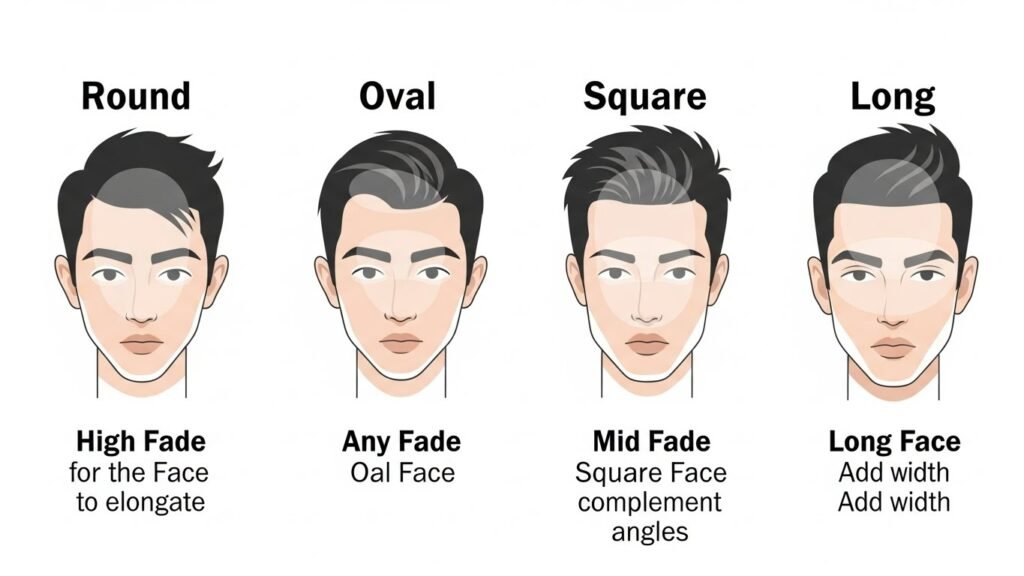
The fade height can change the visual length and width of your face. Choose wisely to achieve optimal balance.
- Round Faces: These benefit from high fades. The height of the fade adds vertical lines. This elongates the face and makes it look slimmer.
- Oval Shapes: These are the lucky ones. Oval faces suit all variations of the fade. Any height works well because the face is already balanced.
- Square Faces: These look sharper with mid fades. A mid fade enhances the natural masculine angles of the jawline.
- Long Faces: These balance better with low fades. A lower fade keeps volume on the sides. This helps minimize the perceived length of the face.
Advanced Design and Trend Elements
Once you have the fade level and the top style chosen, you can add final touches. These elements give your cut a modern, customized edge. They are great ways to showcase your personality.
Modern Trend Highlights
These elements prove that the skin fade is constantly evolving. They turn a great cut into a masterpiece.
- Textured tops: The modern focus is on loose, messy texture. This gives the hair movement and a casual, effortless feel. It moves away from rigid, overly-gelled styles.
- Hard parts and shaved lines: Adding a clean, thin shaved line creates structure. This “hard part” provides a bold, modern look. It separates the fade from the top hair dramatically.
- Designs and custom patterns: Simple line art or designs can be shaved into the faded sides. This customization is a popular way to stand out. It adds an artistic flair to the cut.
The complexity of these designs shows the barber’s skill. This artistry is what keeps the fade at the forefront of men’s style. Next, we will discuss how to connect this sharp look to your beard for a unified appearance.
Pairing Your Skin Fade with a Beard
A skin fade often looks incomplete without a beard. The clean head-to-skin transition demands a clean jawline. Blending your fade into your beard is the ultimate power move for a masculine look.
Blending the Fade for a Seamless Look
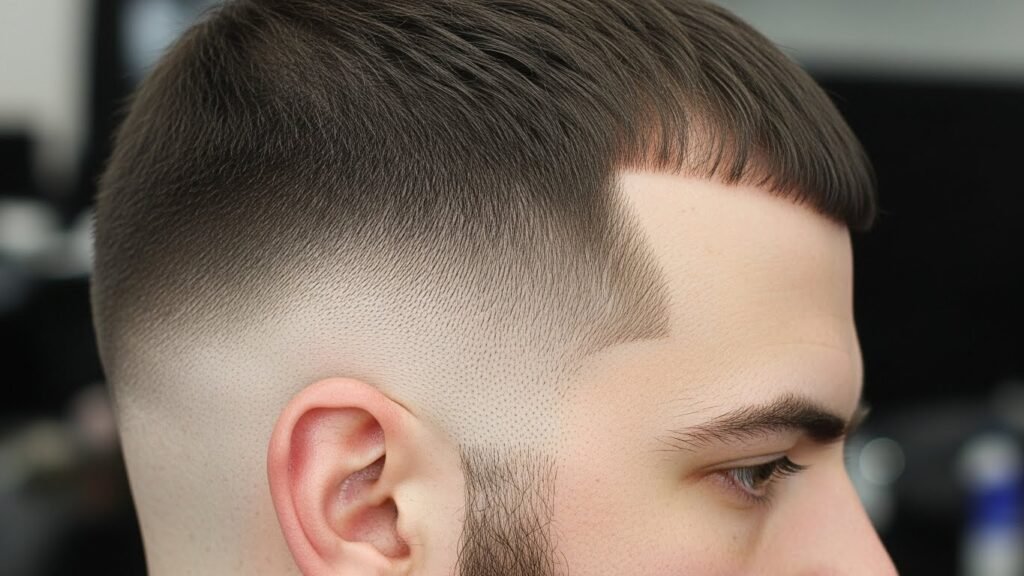
The goal is to eliminate harsh lines between the hair on your head and your facial hair.
- Blend the fade into your beard: Do not let the fade end abruptly. Ask your barber to taper the sides just above the beard line. This ensures the beard and the hair connect smoothly. The transition should feel natural, like one continuous flow.
- Match the fade height with your beard style:
- A low or mid fade fits best with short stubble or a lightly shaped beard.
- A fuller, more voluminous beard usually looks better with a higher fade. This provides contrast and prevents the head from looking too wide.
Essential Beard Maintenance
Keeping the beard tidy is just as important as the haircut itself.
- Keep everything trimmed: Clean up the beard every time you get your fade touched up. A fresh skin fade next to a messy beard looks sloppy. Regular trimming is key.
- Use beard products: Oil or balm keeps the facial hair soft and tidy. This prevents dryness and gives your beard a healthy sheen.
Maintenance and Barber Communication
The lifespan of a skin fade is short. To keep that razor-sharp look, regular maintenance is non-negotiable.
Maintaining Fade Sharpness and Longevity
This haircut requires commitment. The short hair grows back quickly, blurring the clean lines.
- Get a trim every 2 to 3 weeks: This is the golden rule. Frequent visits keep the fade tight. This prevents the edges from growing out unevenly.
- Important Point: Fades require regular maintenance to keep the lines sharp and the transition smooth.
- Important Point: When done properly, the daily routine is minimal. You mostly need a quick fix for the hair on top.
Daily Styling and Product Guide
The right product makes a huge difference in managing the top hair.
- Style the top daily: This is important for medium and long styles. Daily styling helps your hair stay in shape and look cleaner throughout the day.
- Use the right hair products: Do not weigh your hair down. Go with light products like a matte cream or a bit of powder.
- Product Guide by Hold:
| Product Type | Hold Level | Best For |
| Pomade | High Hold | Sleek looks like slick backs and comb overs. |
| Texture Clay/Paste | Medium Hold | Textured crops or messy tops, offering a matte finish. |
| Texture Powder/Salt Spray | Low Hold | Casual, tousled styles and maximizing natural volume. |
Tips for Talking to Your Barber
Barber communication is vital for a perfect cut. Barbers appreciate clarity and visual aids.
- Show a photo of the style you like: This eliminates confusion immediately. It is easier than trying to describe the fade height or top length.
- Use clear, simple terms: Point out exactly where you want the fade to begin. Use the terms low, mid, or high fade.
- Be honest about your routine: If you prefer minimal daily styling, tell your barber. They can adjust the cut to be more wash-and-go.
Final Takeaway: Owning the Skin Fade
The skin fade is not just a passing trend. It has earned its place as a cornerstone of modern men’s style. From its disciplined military origins to its current status as a cultural icon, the fade represents precision, versatility, and confidence.
We have explored the difference between a subtle taper and a bold skin fade. We detailed the levels—low, mid, and high—that define the cut’s drama. We also covered the vast array of styling options, from the effortless Buzz Cut to the voluminous Pompadour.
Ultimately, the best skin fade is the one tailored perfectly to you. By communicating clearly with your barber, choosing a fade level that complements your face shape, and committing to regular maintenance, you ensure the style remains sharp.
Go forth and embrace the power of the skin fade. It is a simple, effective way to elevate your look and make a lasting statement.
Frequently Asked Questions (FAQs) About the Skin Fade
Here are additional questions and answers related to the skin fade haircut that were not covered in the main body of the article:
What clipper guard is used for a skin fade?
A true skin fade, or bald fade, uses no clipper guard at the shortest point. The barber often uses a $0$ setting on clippers, specialized foil shavers, or a straight razor directly on the skin to achieve the zero-length effect.
Does a skin fade make your ears stick out?
Yes, sometimes. By removing all the bulk of the hair around the sides, the ears can appear more prominent. This is purely visual and depends on the natural shape of your ears and head.
Is a skin fade suitable for a receding hairline?
Absolutely. A skin fade is one of the best choices for a receding hairline. The high contrast draws attention down to the sharp sides and away from the hairline itself. Pairing it with a textured top or fringe helps camouflage the recession even further.
How do I style my skin fade in the morning?
Focus your styling efforts primarily on the hair on top. Since the sides are bald, they require no product. For a textured top, rub a small amount of clay or paste between your hands, work it through the longer hair, and shape it with your fingers.
What is the most popular type of skin fade right now?
The mid skin fade and the drop skin fade are currently the most popular styles. The mid fade offers the best balance for professional and casual settings, while the drop fade provides a modern, curved contour that suits textured styles like curls or waves.
Can a skin fade be combined with a quiff?
Yes, very effectively. A quiff requires length and volume on top to be brushed up and back. A skin fade provides the necessary sharp contrast to make the voluminous quiff stand out dramatically.
Should I wash my hair before getting a skin fade?
Yes, it is highly recommended. Washing your hair before you visit the barber ensures the clippers run smoothly and that the finished cut is clean and free of oils or product residue. Some barbers will wash your hair for you, especially if the top is long.