


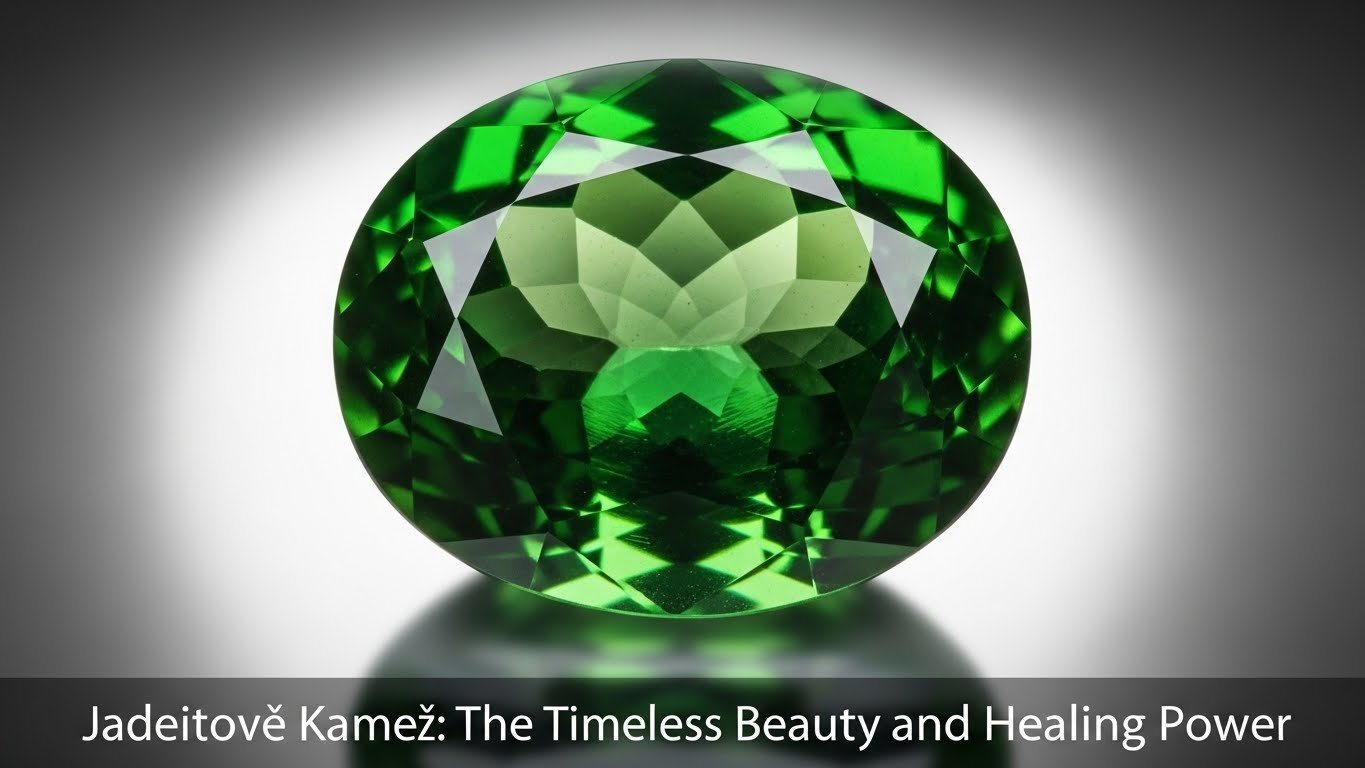
Jadeitový kameň, also known as jadeite, is a precious and highly valued gemstone revered for its unique beauty, spiritual symbolism, and healing properties. Known for its rich history and cultural significance, jade has been a symbol of prosperity, health, and inner peace for centuries. Its enchanting green hues and metaphysical properties have made it a coveted gemstone in jewelry, art, and wellness practices across the globe.
This guide will explore the fascinating world of jadeitový kameň, from its physical and mineralogical properties to its spiritual benefits, uses, and care. By the end of this article, you will have a deeper understanding of why jade is more than just a gemstone—it’s a symbol of harmony and an essential tool for emotional and physical well-being.
History and Origins of Jadeitový Kameň
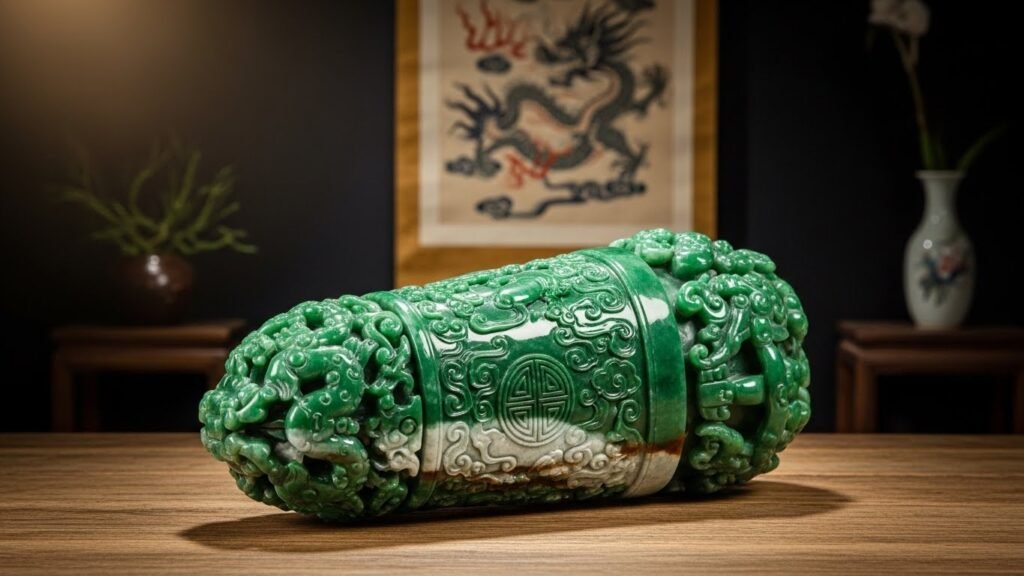
Ancient and Cultural History
Jade has a long-standing history, deeply woven into the cultures of ancient civilizations. The stone has been cherished for thousands of years for its beauty and metaphysical properties.
- Chinese Culture: In China, jade was regarded as a symbol of purity, nobility, and immortality. The ancient Chinese believed that jade possessed protective qualities, and it was often used to make ritual objects, jewelry, and burial items. Jade was also considered a means to ensure long life and spiritual enlightenment.
- Mesoamerican Civilizations: The Maya and Aztec civilizations valued jade more than gold. It was used in sacred rituals and buried with the deceased to ensure safe passage to the afterlife. In these cultures, jade symbolized life, fertility, and renewal.
- Global Spread: As trade routes expanded, jade’s significance spread across the globe. Ancient jade artifacts have been found in Europe, the Middle East, and even in North America, demonstrating the universal reverence for this stone.
Expansion of Use Globally
Over time, jadeitový kameň made its way into various cultures worldwide, each attributing unique meanings and uses to the stone.
- Jade in Modern Times: Today, jade continues to be a symbol of good fortune and protection. It is widely used in jewelry and art, especially in countries like Myanmar, Guatemala, and China, where it is still carved into intricate pieces.
- Jade’s Global Influence: From ancient traditions to contemporary wellness practices, jade remains a beloved gemstone with a lasting impact on culture and society.
Physical and Mineralogical Properties of Jadeitový Kameň
What Jade Means — Scientific Definition
Jadeitový kameň, or jadeite, is a type of silicate mineral composed of sodium aluminum silicate. It’s one of the two distinct forms of jade, the other being nephrite. Jadeite is rarer and more valuable than nephrite, particularly due to its vibrant colors and higher translucency.
- Jadeite vs. Nephrite: Jadeite has a granular structure, whereas nephrite has a fibrous one. Jadeite is denser and has a higher refractive index, making it more durable and visually appealing.
- High-Pressure Metamorphic Rock: Jadeite forms under high-pressure conditions, typically in areas with significant tectonic activity. The gemstone is primarily sourced from regions like Myanmar, Guatemala, and parts of Central America.
Typical Physical Characteristics
Jadeitový kameň comes in a wide range of colors and textures, with the most prized varieties being translucent emerald-green jade.
- Color Range: Jadeite can appear in various colors, including green, white, lavender, yellow, and even black. Green jade is considered the most valuable, especially when it is translucent and vibrant.
- Hardness and Durability: Jadeite ranks 6.5 to 7 on the Mohs hardness scale, making it resistant to scratching and ideal for use in jewelry. Its toughness also makes it one of the most durable gemstones, suitable for carving and polishing.
- Translucency and Luster: Jadeite is known for its smooth, waxy texture and ability to display a unique translucency. The stone’s luster can range from a dull sheen to a glossy finish, depending on how it’s polished.
Symbolism, Spiritual & Cultural Significance
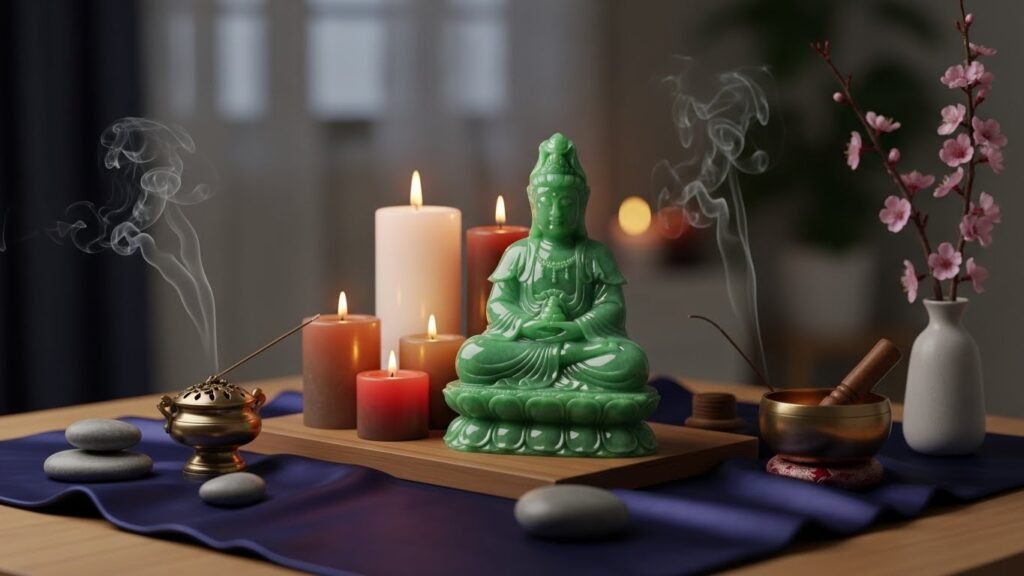
Universal Symbolic Associations
Jadeitový kameň holds significant symbolic value across various cultures. It’s a stone of emotional balance, spiritual protection, and prosperity.
- Healing and Protection: For centuries, jade has been used as a talisman to protect the wearer from negative energies and misfortune. In many traditions, it is believed to act as a shield, absorbing harmful energies.
- Spiritual Significance: Jade is often associated with the heart chakra, representing love, compassion, and emotional healing. It is thought to open the heart to positive energy and help its wearer foster inner peace.
- Prosperity and Good Luck: Many cultures consider jade a stone of abundance, wealth, and good fortune. In Chinese Feng Shui, jade is placed in specific areas of the home to attract prosperity and prevent financial hardship.
Spiritual Healing and Emotional Benefits
Jadeitový kameň is not only admired for its beauty but also revered for its metaphysical properties. It is thought to promote emotional healing and inner harmony.
- Emotional Balance: Jade is believed to help balance emotions, calm anxiety, and reduce stress. It is often used in meditation to promote a sense of peace and tranquility.
- Healing Emotional Wounds: Jade’s soothing energy is said to help heal emotional wounds from the past, allowing the wearer to move forward with a sense of calmness and acceptance.
- Stress Relief and Mindfulness: Jade is considered an excellent tool for relaxation, helping individuals find emotional clarity and mental peace.
Cultural Significance Across Civilizations
- Chinese Beliefs: In China, jade has been called the “imperial gem,” associated with both moral integrity and physical longevity. It is often used in talismans and jewelry to protect the wearer from harm.
- Mayan and Aztec Traditions: In ancient Mesoamerica, jade was revered as a sacred material. The Mayans and Aztecs believed that jade had the power to bring prosperity, fertility, and spiritual strength.
- Global Symbolism: Across many cultures, jade symbolizes life, balance, and the connection between the physical and spiritual realms. Whether worn as jewelry or used in sacred rituals, jade remains a powerful symbol of harmony.
Common Uses and Applications of Jadeitový Kameň
Jadeitový kameň, or jadeite, is one of the most versatile gemstones in the world, with a range of uses that span from high-end jewelry to wellness products. Its spiritual and aesthetic significance makes it an essential part of various cultural practices and contemporary applications. Below, we’ll explore the different ways in which jade is incorporated into everyday life.
Jewelry and Personal Adornment
Jadeitový kameň has been used for centuries in jewelry, prized for both its beauty and metaphysical properties. It’s commonly found in rings, necklaces, bracelets, and earrings. Whether worn as a fashion statement or for its believed healing properties, jade jewelry remains a staple in many cultures.
- Symbolic Jewelry: Many people wear jade jewelry for its believed ability to bring good fortune, emotional balance, and protection. The color of the jade is also significant, with green jade being the most valuable and associated with vitality, healing, and longevity.
- Luxury and Status: In countries like China, jade has long been a symbol of wealth and status. Imperial jade, which is the highest grade of jadeite, has been reserved for royalty and the elite. Today, high-end jade jewelry is still considered a luxury item, sought after by collectors and fashion enthusiasts alike.
- Functional Jewelry: Beyond traditional jewelry, jade is also used in wellness accessories like jade rollers and gua sha tools, popular in skincare routines for their soothing and anti-aging benefits.
Decorative and Cultural Artifacts
Jadeitový kameň is not just used in jewelry; it also plays a significant role in art and decoration. Its durability and versatility make it an ideal material for creating intricate sculptures, ornaments, and ceremonial objects.
- Jade Carvings: Throughout history, jade has been carved into various shapes, from simple figurines to complex representations of animals, deities, and natural elements. These carvings are highly valued for their craftsmanship and spiritual significance.
- Cultural Artifacts: In ancient cultures, jade was often used to create ritual items such as masks, statues, and burial objects. These pieces were believed to hold spiritual significance, connecting the wearer or owner to the divine and ensuring safe passage in the afterlife.
- Home Decor: Today, jade is used in home decor, particularly in Feng Shui practices, where it’s placed in specific areas to promote prosperity, protect against negative energy, and enhance harmony. Jade figurines, vases, and other decorative items are popular in both traditional and modern settings.
Recommended Practices for Incorporating Jade into Your Life
Jadeitový kameň is a gemstone that can easily be incorporated into daily life, whether for its beauty, spiritual benefits, or physical healing properties. Below are some practical ways to integrate jade into your everyday routine.
Wear as Jewelry
One of the simplest and most effective ways to incorporate jade into your life is through jewelry. Wearing jade jewelry not only adds an element of beauty to your appearance but also allows you to experience the stone’s metaphysical properties on a daily basis.
- Choose Jewelry with Purpose: When selecting jade jewelry, consider the stone’s color and energy. For example, green jade is linked to prosperity and healing, while lavender jade is said to promote peace and emotional balance. Choose pieces that resonate with your personal intentions and needs.
- Daily Wear for Emotional Balance: Whether it’s a jade bracelet or a pendant, wearing jade close to your skin allows you to benefit from its calming and protective energy. Many people wear jade jewelry as a talisman to shield them from negative energies and promote emotional well-being.
Everyday Integration
Incorporating jade into your life goes beyond just jewelry. You can also use jade in your home or workspace to enhance the flow of positive energy and attract good fortune.
- Feng Shui Practices: In Feng Shui, jade is placed in specific areas of the home to bring balance, harmony, and prosperity. For example, placing jade in the wealth corner of your home is believed to attract abundance and good fortune.
- Decorative Items: Consider adding jade sculptures, figurines, or other decorative pieces to your living space. Not only do they enhance the aesthetic appeal of your home, but they also serve as symbols of protection, harmony, and spiritual connection.
- Wellness Tools: Jade rollers and gua sha tools are popular in skincare routines for their purported benefits in reducing puffiness, improving circulation, and promoting relaxation. By incorporating jade into your beauty and wellness practices, you can experience its healing properties on a daily basis.
Purpose and Benefits of Incorporating Jade
Incorporating jadeitový kameň into your life can bring a wide range of emotional, physical, and spiritual benefits. Below are some of the key reasons why people choose to use jade and the advantages it offers.
Emotional and Spiritual Benefits
Jadeitový kameň is revered for its emotional healing and spiritual properties. It is believed to bring balance, calmness, and emotional clarity, making it a powerful tool for those seeking peace and emotional growth.
- Emotional Healing: Jade is often used to help heal emotional wounds and release negative energy. By encouraging love, compassion, and forgiveness, jade helps its wearer overcome feelings of anger, fear, or resentment.
- Promotes Emotional Balance: Jade is particularly beneficial for balancing the heart chakra, helping individuals find emotional equilibrium and greater inner peace. It encourages positive thinking and self-love, making it ideal for those experiencing emotional turbulence.
- Spiritual Protection: In many cultures, jade is considered a protective stone. It is believed to shield the wearer from negative energies and promote spiritual growth, ensuring a strong connection to higher consciousness.
Physical Benefits
While jade is primarily valued for its spiritual properties, it is also believed to have several physical health benefits.
- Aiding Detoxification: Jade is often associated with supporting kidney health and promoting detoxification in the body. Some believe that jade helps flush toxins from the body, improving overall vitality.
- Stress Relief: By promoting emotional balance and calming the nervous system, jade is thought to alleviate stress and anxiety. It is considered an excellent tool for those seeking relaxation and mental clarity.
- Improving Circulation: Jade rollers and gua sha tools are popular in beauty routines because they are believed to stimulate blood circulation and reduce puffiness. Using jade for skincare may help improve skin health and enhance overall well-being.
Market and Use Context
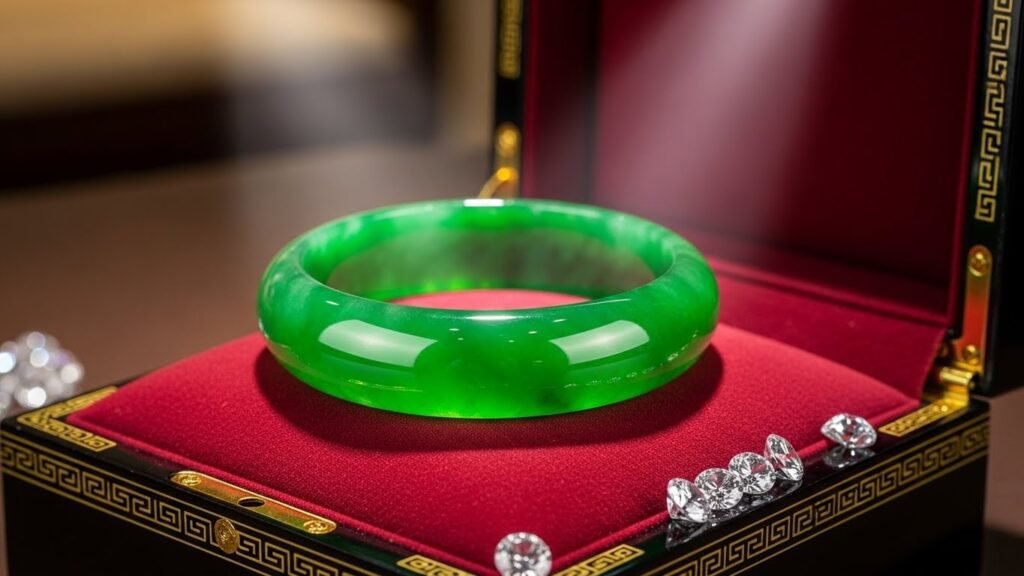
Jadeitový kameň, or jadeite, is not only a spiritual and cultural symbol but also plays a significant role in the global market. Its timeless appeal and versatile use in fashion, wellness, and art continue to make jade a highly sought-after gemstone worldwide. Below, we will explore the market trends, usage in modern times, and the global impact of jade.
Fashion and Jewelry Use
Jade’s appeal in fashion has remained strong for centuries, with the gemstone continuing to be a preferred choice in luxury jewelry and high-end fashion pieces. The green jade, in particular, has maintained its status as a symbol of wealth, spiritual growth, and protection.
- High Demand in the Luxury Market: Jadeite is considered a luxury item, especially the high-quality varieties like Imperial Jade, which are highly prized by collectors. The global demand for jade jewelry has risen steadily, with countries such as China, Myanmar, and Guatemala continuing to be major sources of the gemstone.
- Fashion Trends: Jade has experienced a resurgence in modern fashion, with designers incorporating the gemstone into contemporary styles. From statement necklaces to minimalist bracelets, jade’s role in fashion continues to evolve, bridging traditional and modern aesthetics.
- Gemstone Investment: As a luxury item, jade is not only worn for personal adornment but also as an investment. Rare pieces, particularly those with high translucency and deep green color, are highly valuable and sought after by collectors around the world.
Contemporary Relevance
Jade’s use in contemporary society extends far beyond jewelry, finding its place in modern wellness practices, home decor, and even skincare products. In many cultures, jade continues to hold deep spiritual meaning, influencing daily life in unique ways.
- Jade in Wellness and Beauty: Jade has become a staple in modern wellness routines, particularly in skincare. Jade rollers and gua sha tools are used for facial massage, promoting relaxation and improving circulation. The metaphysical properties of jade are believed to enhance the effectiveness of these beauty treatments by balancing energy and reducing stress.
- Feng Shui and Home Decor: In Feng Shui, jade is placed strategically in homes to attract good fortune, wealth, and harmony. Jade objects, such as figurines and vases, are often found in homes and offices, helping to create a peaceful and balanced environment.
- Modern Spiritual Practices: Beyond physical and decorative uses, jade continues to play a significant role in spiritual practices. Many people use jade in meditation, energy healing, and as a talisman for protection and emotional healing. Its spiritual significance remains strong, with jade being regarded as a powerful stone that connects individuals with higher energies and promotes inner peace.
Care and Maintenance of Jadeitový Kameň
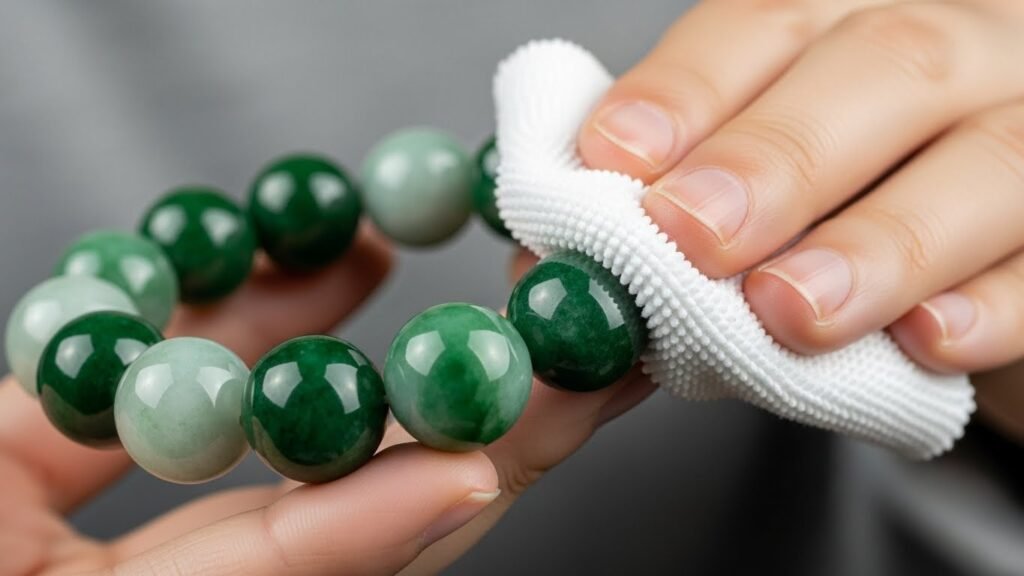
Jadeitový kameň is a durable gemstone, but like all precious stones, it requires proper care to maintain its beauty and metaphysical properties. Whether worn as jewelry, displayed as art, or used in spiritual practices, taking care of jade is essential for preserving its value and energy.
Authenticity and Quality Indicators
When purchasing jade, it’s important to be able to identify genuine jadeite from imitations. High-quality jadeite is rare and valuable, so understanding how to assess its authenticity can help you make informed decisions when buying jade jewelry or other jade products.
- Signs of Genuine Jade: Authentic jadeite has a smooth, waxy texture with a subtle sheen. It is typically translucent and displays natural variations in color. Genuine jadeite should not have visible bubbles or an overly glossy appearance, which are signs of treatment or imitation.
- Evaluating Jade Quality: The quality of jadeite is determined by factors such as color, translucency, and texture. The most valuable jadeite has a vibrant emerald-green color with high translucency. Darker or less translucent jadeite is considered less valuable.
- Certification: When buying high-end jade, especially rare pieces, it’s advisable to request a certificate of authenticity from the seller. Certified jade comes with a guarantee of its origin and quality, ensuring that it’s genuine.
Maintenance and Care Tips
Jade is a durable gemstone, but it requires proper care to maintain its beauty and metaphysical properties.
- Cleaning: Clean jade with mild soap and water, using a soft cloth to wipe away dust and dirt. Avoid harsh chemicals or abrasive materials, as they can scratch the surface of the stone.
- Storage: Store jade separately from other gemstones or metals to prevent scratching. If possible, keep it in a soft pouch or jewelry box to protect it from damage.
- Avoid Exposure to Heat: While jade is tough and resilient, it can become brittle under extreme heat. Avoid exposing jade jewelry to hot temperatures, such as leaving it in a hot car or near a heat source.
Energy Cleansing and Recharging
Jade is believed to absorb negative energy and promote healing. To maintain its positive energy, jade requires periodic cleansing and recharging.
- Cleansing Jade’s Energy: One popular method of cleansing jade is to place it under running water for a few minutes. This is thought to wash away any accumulated negative energy. Another method involves leaving jade in the moonlight overnight, allowing it to absorb the lunar energy, which is believed to recharge its spiritual properties.
- Cleansing Rituals: Some cultures have specific rituals for cleansing jade, such as burning incense or using sound healing techniques to clear any stagnant energy. These practices are often used when jade is incorporated into meditation or healing practices.
Considerations When Purchasing Jadeitový Kameň
When purchasing jadeitový kameň, it’s important to understand the factors that influence its value, quality, and authenticity. Whether you’re buying jade for its metaphysical properties or as a luxury investment, knowing what to look for can help you make an informed decision.
Ethical Sourcing and Authenticity
As jade continues to be in high demand, ensuring that it is ethically sourced and genuine is more important than ever.
- Ethical Sourcing: Ensure that the jade you purchase is ethically sourced, particularly when buying jadeite. Some sources of jade, especially in Myanmar, have been linked to unethical labor practices and environmental harm. Look for dealers who prioritize sustainable and ethical mining practices.
- Verifying Authenticity: Jade is often imitated, so it’s essential to verify its authenticity before purchasing. Certified jade, especially jadeite, will come with a certificate of authenticity, ensuring that it is genuine and of high quality. When buying from a reputable dealer, always ask for documentation that guarantees the jade’s origin.
Cost and Value
Jade is a luxury gemstone, and its price can vary significantly based on several factors. Understanding the market and knowing what to expect can help you avoid overpaying for low-quality jade.
- Evaluating Jade’s Price: The price of jadeite depends on several factors, including its color, translucency, size, and craftsmanship. High-quality jadeite can be very expensive, especially if it comes from a reputable source. When purchasing jade for investment purposes, be sure to research current market trends and demand.
- Value of Jade as an Investment: Due to its rarity and desirability, jadeite has become a sought-after investment. Collectors and investors purchase jadeite for its aesthetic appeal as well as its potential to appreciate in value over time. However, it’s important to ensure that the jade you buy is of high quality to maximize its investment potential.
Jade and Modern Wellness Trends
While jade has been revered for centuries for its spiritual and emotional benefits, it has seen a resurgence in modern wellness practices. People today are integrating jade into their self-care routines, from skincare tools to mindfulness practices.
Jade in Skincare
One of the most popular ways jade is used in contemporary wellness is through jade rollers and gua sha tools, which have become essential in many beauty routines.
- Jade Roller: This tool is used to massage the face, promoting relaxation and circulation. Jade rollers are believed to help reduce puffiness, improve skin tone, and relieve tension in the facial muscles. They are often used with serums or oils to enhance their effectiveness.
- Gua Sha: Similar to jade rollers, gua sha is a traditional healing technique that involves scraping the skin with a smooth jade tool to improve circulation and relieve muscle tension. Many people use gua sha on their face to promote lymphatic drainage and reduce the appearance of fine lines.
Mindfulness and Meditation
Jade is also used in meditation and mindfulness practices to help create a peaceful environment and encourage emotional balance.
- Jade as a Meditation Tool: In many cultures, jade is placed in meditation spaces or held during sessions to enhance focus, promote peace, and facilitate spiritual connection. It is believed that jade helps align the heart chakra, fostering emotional healing and deepening meditation practices.
- Energy Healing: Jade’s energy is thought to support the release of negative emotions, making it an excellent stone for those seeking to heal from emotional trauma. It is often used in crystal healing, where jade is placed on the body to promote balance and energy flow.
The Global Market for Jade
Jade continues to be a precious and highly sought-after gemstone in the global market. With increasing demand for both luxury items and wellness products, jade has solidified its place as a valuable commodity.
Emerging Markets
While jade has always been valued in traditional markets like China and Myanmar, its appeal is growing in emerging markets around the world.
- Growing Demand in Asia: Countries like China, Taiwan, and Hong Kong continue to be major consumers of jade, particularly in the form of jewelry and art. As middle-class wealth increases in these regions, the demand for jade as a luxury item is expected to rise.
- Popularity in the West: Jade is also gaining popularity in the West, particularly as part of wellness trends. The demand for jade rollers, gua sha tools, and jade jewelry is on the rise, as more people seek natural and holistic methods of self-care.
Sustainability in Jade Mining
As with many precious stones, the environmental and ethical implications of jade mining are becoming an increasingly important consideration for consumers.
- Environmental Impact: Traditional jade mining, particularly in Myanmar, has been linked to environmental degradation, including deforestation and water contamination. As demand for jade grows, it’s crucial for the industry to address these issues through sustainable mining practices.
- Ethical Sourcing: Consumers are becoming more aware of the ethical implications of gemstone sourcing, and there is a growing demand for responsibly sourced jade. Ethical jade mining involves ensuring fair labor practices, supporting local communities, and minimizing environmental harm.
Conclusion: Embrace the Timeless Power of Jadeitový Kameň
Jadeitový kameň, or jadeite, is not just a gemstone but a powerful symbol of spiritual protection, emotional healing, and prosperity. Its beauty, durability, and metaphysical properties make it a beloved treasure across cultures and generations. Whether it’s used for personal adornment, meditation, or as part of your wellness routine, jade offers a variety of benefits that go beyond its surface appearance.
The timeless appeal of jade continues to captivate people worldwide, from its ancient roots in Mesoamerica and China to its modern use in luxury jewelry and wellness products. Its ability to foster inner peace, balance, and protection makes it a gemstone that transcends time and place. By incorporating jade into your life—whether in the form of jewelry, decor, or wellness tools—you can tap into its profound spiritual and emotional benefits.
As jade continues to gain recognition in both traditional and emerging markets, its value is only set to grow. Whether you’re looking for a piece of jade jewelry, a jade roller for your skincare routine, or a decorative jade figurine for your home, jadeitový kameň offers something truly unique and meaningful for every individual.
Frequently Asked Questions (FAQs)
Here are some additional questions and answers related to jadeitový kameň (jade) that were not covered in the main content.
1. What are the different types of jadeite?
Jadeite comes in a variety of colors, each with its own significance and value. The most common types of jadeite include:
- Green Jade: The most famous and valuable variety, symbolizing life, vitality, and healing.
- Lavender Jade: A softer, more calming color that represents peace and emotional balance.
- Yellow Jade: Associated with wealth, abundance, and prosperity.
- Black Jade: Thought to provide protection and shield against negative energy.
- White Jade: Represents purity and tranquility, often used for meditation and spiritual practices.
- Red and Blue Jade: Rare types of jade that are often used for specific healing purposes, such as increasing vitality (red) or promoting calmness and communication (blue).
2. What is the significance of jade’s color in different cultures?
The color of jade can hold different meanings depending on the culture and tradition:
- Green Jade: Most revered in Chinese culture, green jade symbolizes prosperity, harmony, and longevity.
- Lavender Jade: In some Asian cultures, lavender jade is considered a stone of spiritual awareness and tranquility.
- Yellow Jade: Known for attracting wealth and abundance, yellow jade is often associated with success and achievement in various cultures.
- Black Jade: Seen as a protective stone, black jade is used for grounding and shielding against negative energies.
- White Jade: Symbolizes purity, humility, and clarity, often used in meditation practices across different cultures.
3. Is jadeitový kameň good for meditation?
Yes, jadeitový kameň is highly regarded for its use in meditation and mindfulness practices. It is believed to promote calmness, increase focus, and align the heart chakra. People place jade in their meditation spaces or hold it during meditation sessions to enhance relaxation and spiritual connection.
- Heart Chakra Connection: As jade is thought to open and balance the heart chakra, it helps promote emotional healing and self-love during meditation.
- Enhances Peace: The soothing energy of jade can help quiet the mind, allowing practitioners to enter deeper meditative states.
4. How can I tell if my jade is real or fake?
With the rise of jade imitations, it’s important to know how to identify genuine jade:
- Feel and Texture: Real jade has a smooth, cool touch. Fake jade might feel warmer and more brittle.
- Translucency: High-quality jadeite often has some translucency, whereas imitations may appear more opaque.
- Weight: Genuine jadeite is heavier compared to most imitations made of plastic or glass.
- Scratching Test: Genuine jade is hard and durable. If it scratches easily, it’s likely a fake.
- Certification: Always ask for a certificate of authenticity when purchasing jade, especially if it’s a high-value piece.
5. Can jade help with physical healing?
Many people believe that jade has physical healing properties, particularly in relation to the kidneys, detoxification, and immune system:
- Kidney Health: Jade is traditionally thought to support kidney function and promote detoxification.
- Urinary Health: Some believe that jade can help regulate urinary health and support the body’s natural detox processes.
- Circulation and Skin Health: Jade rollers and gua sha tools are used to improve blood circulation, reduce puffiness, and enhance the appearance of the skin.
6. What is the difference between jadeite and nephrite?
Jadeite and nephrite are the two types of jade, but they have distinct characteristics:
- Jadeite: Rarer and more valuable than nephrite, jadeite has a denser structure and is usually more vibrant in color. It can appear in a wide range of colors, including emerald green, lavender, yellow, and even black. Jadeite is primarily found in Myanmar.
- Nephrite: More common and less expensive than jadeite, nephrite has a fibrous texture and is typically a darker green. It is found in places like Canada, Russia, and New Zealand. Nephrite is tougher but less translucent than jadeite.
7. How can I incorporate jade into my daily life?
There are many ways to integrate jade into your everyday routine, whether for its beauty, spiritual benefits, or physical healing properties:
- Wear Jade Jewelry: Wearing jade bracelets, rings, or necklaces is one of the easiest ways to keep jade’s energy close to you throughout the day.
- Place Jade in Your Home: Incorporate jade into your living space by placing decorative jade items in the wealth corner or other significant areas according to Feng Shui.
- Use Jade for Meditation: Keep jade in your meditation space or use it as a tool for mindfulness practices to promote emotional healing and balance.
- Skincare and Wellness: Use jade rollers and gua sha tools in your beauty routine to promote relaxation, reduce stress, and improve circulation.
8. How do I cleanse jade and maintain its energy?
Jade can absorb negative energy over time, so it is important to cleanse and recharge it regularly:
- Water Cleansing: Gently wash jade under running water for a few minutes to remove any accumulated negative energy.
- Moonlight Cleansing: Many people place their jade in the moonlight overnight to cleanse and recharge its energy.
- Sound Cleansing: Use a bell or sound healing instrument to clear the energy of jade, especially if it’s been used for meditation or healing purposes.
9. How do I store my jade to keep it in good condition?
Proper storage is essential for maintaining the quality of your jade:
- Keep it Safe: Store jade separately from other gemstones or jewelry to prevent scratches and damage.
- Avoid Harsh Chemicals: Do not expose jade to harsh cleaning agents or chemicals, as this can damage its surface.
- Use Soft Cloths: When cleaning jade, always use a soft cloth to avoid scratching or dulling its surface.
10. What makes jade valuable?
The value of jade is determined by several factors:
- Color: The most valuable jadeite has a vibrant emerald-green color with high translucency.
- Translucency: Jadeite with a clear, translucent appearance is more valuable than opaque or cloudy jade.
- Size and Carving Quality: Larger pieces of high-quality jadeite are more valuable, especially if they are intricately carved by skilled artisans.
- Origin: Jadeite from Myanmar, particularly Imperial Jade, is considered the most valuable due to its rarity and quality.
