


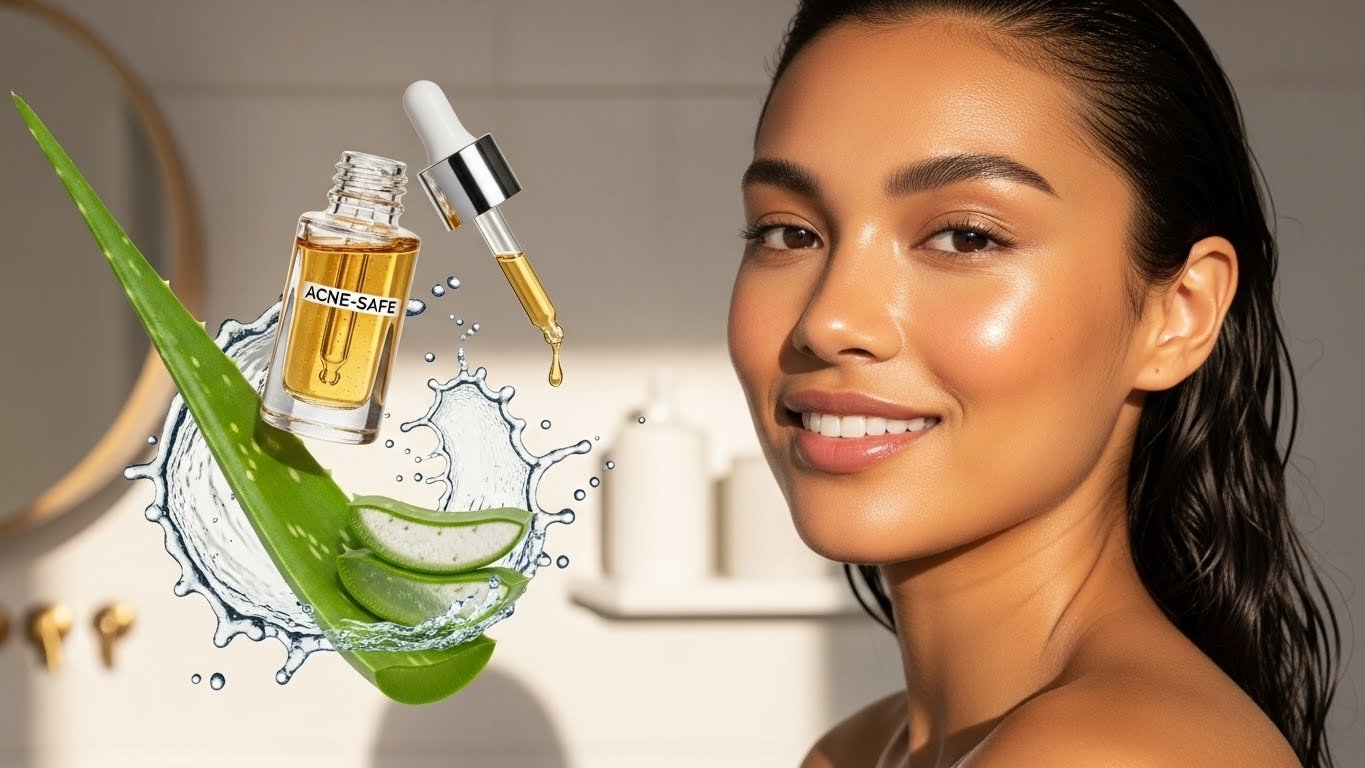
Getting a tan usually makes you feel like a million bucks. A good tan can hide red spots and old acne marks. But most people with breakouts fear sunless tanning. They worry about waking up with a face full of new pimples. This fear is called acne cosmetica. It happens when makeup or lotions clog your pores.
Standard tanning products often use heavy oils to keep skin soft. These oils are a nightmare for breakout-prone skin. They sit on top of your skin and trap dirt. Luckily, tanning technology has changed a lot lately. You can now find water-light formulas that let your skin breathe. These products give you that sun-kissed look without the side effects.
We are moving away from the old “tinted sludge” of the past. Modern brands now use skin-loving ingredients like hyaluronic acid. This guide will show you how to pick an acne safe self tanner. You will learn what to avoid and how to apply it perfectly. Let’s get you that golden glow without the stress.
Understanding the Relationship Between Self Tanner and Acne Prone Skin
A tan can be a great tool for your confidence. It helps even out your skin tone and masks inflammation. Many people find they use less foundation when they have a tan. However, you have to be careful about the products you choose. Your skin needs to stay clear while you get dark.
Some products are basically a recipe for a breakout. They contain thick waxes that lead to serious congestion. If you have sensitive skin, you might react to the fragrance instead. It is all about finding a balance between color and skin health. You want a product that acts like a facial filter.
Sunless tanning has come a long way from the orange streaks of the 90s. We now have non-comedogenic options that aestheticians actually recommend. These formulas focus on high-quality DHA and soothing extracts. They are designed to work with your existing skincare routine.
The Hidden Culprits: Why Standard Tanners Cause Breakouts
Standard tanners are often loaded with pore-clogging ingredients. Manufacturers use these to make the product feel creamy. For people with oily skin, these are a total disaster. They cause immediate occlusion which leads to bacteria growth.
- Heavy Oils and Butters: Avoid products with coconut oil or cocoa butter. These are famous for causing deep cystic breakouts. Shea butter is also too heavy for most facial skin.
- Waxes and Thick Emulsifiers: These ingredients create the thick texture of lotions. They can trap sebum inside your pores for days.
- Synthetic Fragrances: Many tanners have a strong “biscuits” smell. To hide this, brands add perfumes that irritate sensitive skin.
- Dyes and Additives: Artificial colors can cause allergic contact dermatitis in some people.
- Fatty Acid Esters: Look out for isopropyl myristate on the label. This is one of the worst offenders for clogging pores.
The Science of DHA and Your Skin
DHA stands for dihydroxyacetone. It is the active ingredient that actually changes your skin color. It comes from plant sources like sugar beets or cane. It reacts with the amino acids in your dead skin cells.
This process is called the Maillard reaction. It is similar to how bread turns brown in the oven. It only affects the very top layer of your skin. Because of this, the color is temporary and safe. It does not involve harmful UV rays from the sun.
One thing to know is that DHA can be drying. When your skin gets too dry, it might produce more oil. This “rebound” oil can lead to more acne if you aren’t careful. That is why choosing an acne safe self tanner with hydrators is key.
Identifying Sensitive and Reactive Areas
Not all parts of your body react the same way to tanner. Your face is usually the most sensitive spot. The pores on your nose and chin are larger and easier to clog. This is where you will likely see the first signs of trouble.
Body acne is also a big concern for many. Backne and chest acne can flare up if you use a heavy body mousse. These areas often sweat more, which mixes with the product. This mixture can sit in your pores and cause irritation.
You might also notice the “dark dot” phenomenon. This happens when the tanner sinks deep into large pores. It makes your pores look like little blackheads. Proper skin prep is the only way to stop this from happening.
Choosing the Right Texture and Format for Acne Prone Skin
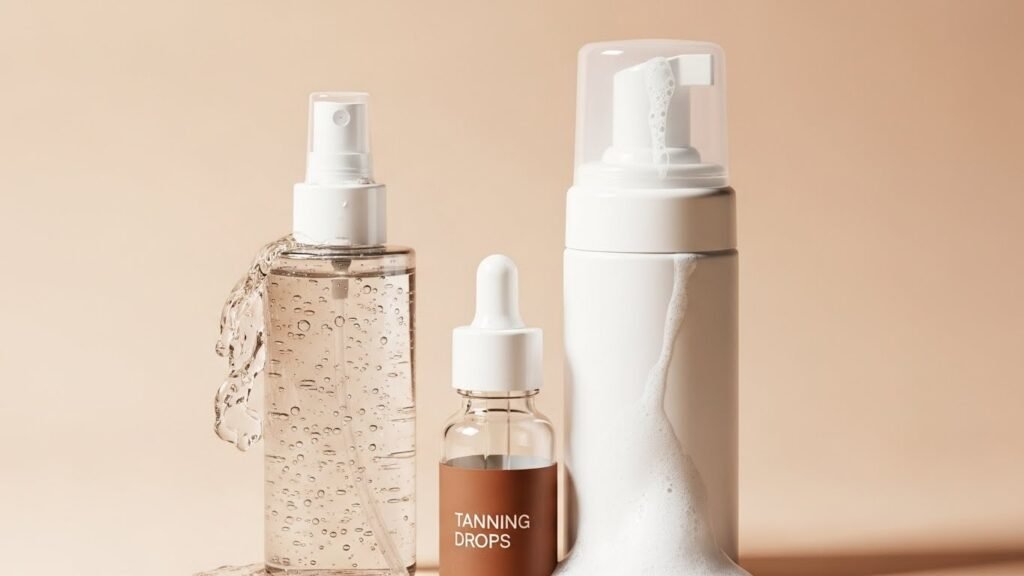
The texture of your tanner is just as important as the ingredients. You want something that feels like nothing once it dries. If a product feels sticky or greasy, it is probably bad news. Here are the best formats for clear skin:
- Water Light Formulas: These are the gold standard for acne safe self tanner. They absorb instantly and don’t leave a film.
- Mists and Sprays: Mists allow you to apply color without touching your face. This reduces the spread of bacteria from your hands.
- Serums and Drops: You can mix these into your own safe moisturizer. This gives you total control over the ingredients.
- Oil Free Mousses: If you want a deep tan, go for an oil-free mousse. They dry much faster than traditional lotions.
Top Rated Acne Safe Product Categories
Finding the right category helps narrow down your search. You should look for labels that say dermatologist-tested or non-comedogenic. These brands usually care more about skin health.
Acne Safe Face Tanner Drops
Tanning drops are a fan favorite for a reason. They provide a customizable glow that looks like a facial filter. You only need a few drops to see a difference. You can build the color slowly over a few days.
- Lux Unfiltered: This brand is known for being very clean and safe.
- THE FACE Drops: These help brighten the skin while adding color.
- The Mixology Rule: Never mix drops with a new moisturizer. Use one you already know doesn’t cause pimples.
Gradual Face Color for Beginners
If you are scared of turning orange, try a gradual tanner. These have a lower amount of DHA. They are great for fair-skinned people who want a natural look. They usually feel just like a lightweight facial lotion.
Tinted Tanning Waters
Tanning waters are the newest trend in sunless tanning. They are clear and don’t stain your clothes or sheets. Most are vegan and cruelty-free as well.
- 3VERYBODY Life Proof Tan: This water is sweat-resistant and very light.
- Active Ingredients: Look for caffeine and guarana extract to help firm the skin.
- Cucumber Oil: This helps soothe any redness while you tan.
Crucial Ingredients to Look For
When reading a label, look for things that help your skin barrier. You want your tanner to act like a treatment. Good ingredients can actually improve your skin texture over time.
- Hyaluronic Acid: This keeps your skin hydrated without using oils.
- Aloe Vera: Great for calming down any existing inflammation.
- Vitamin C and E: These antioxidants protect your skin from the environment.
- Rosehip Oil: This helps with skin regeneration and fading old marks.
- Niacinamide: This is a superstar for oily skin because it controls sebum.
Self Tanning While Using Acne Medications
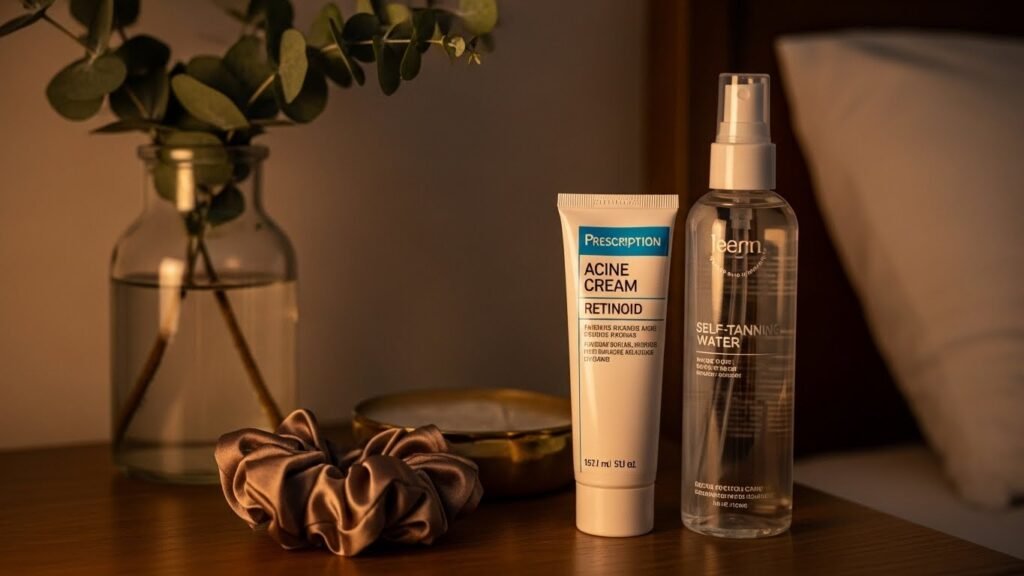
This is the trickiest part of tanning with acne. Most acne meds work by peeling off the top layer of skin. Since tanner lives on that top layer, your tan might vanish quickly. You have to be smart about your schedule.
- The Retinoid Conflict: Retinoids like Tretinoin speed up cell turnover. This can make your tan look patchy after just two days.
- Benzoyl Peroxide: This can actually bleach the tanner and turn it orange. Use your BP wash in the morning and tan at night.
- Salicylic Acid: This BHA clears out pores but also strips color.
- The Schedule: Try to tan on your “off” nights from heavy actives.
The Essential Pre Tanning Ritual
Your tan is only as good as the skin underneath it. If you have dead skin cells piling up, the tan will look muddy. You need a clean canvas for the best results.
- Exfoliation Strategy: Use a gentle chemical exfoliant a day before. Avoid harsh scrubs that can cause micro-tears.
- Shaving and Waxing: Do this 24 hours before you apply tanner. This gives your pores time to close up.
- Cleanse Thoroughly: Make sure all makeup and sunscreen are gone. Any residue will cause a patchy mess.
Professional Application Techniques
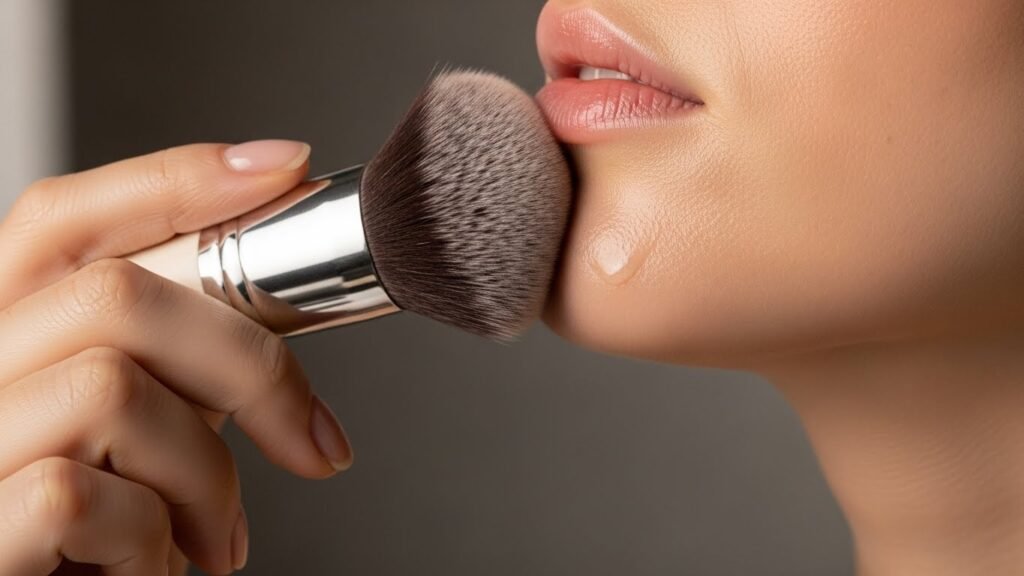
How you put it on matters as much as what you use. Using your bare hands is usually a bad idea. It leads to orange palms and uneven coverage on your face.
- The Tanning Mitt: This is a must for a streak-free application on your body.
- The Foundation Brush: Use a clean makeup brush for your face. It helps you blend into the hairline and ears perfectly.
- The Q-Tip Trick: Swipe a damp Q-tip over your eyebrows after tanning. This keeps the product from building up in the hair.
- Blending: Always blend down to your chest so there is no harsh line.
Maintenance and Aftercare
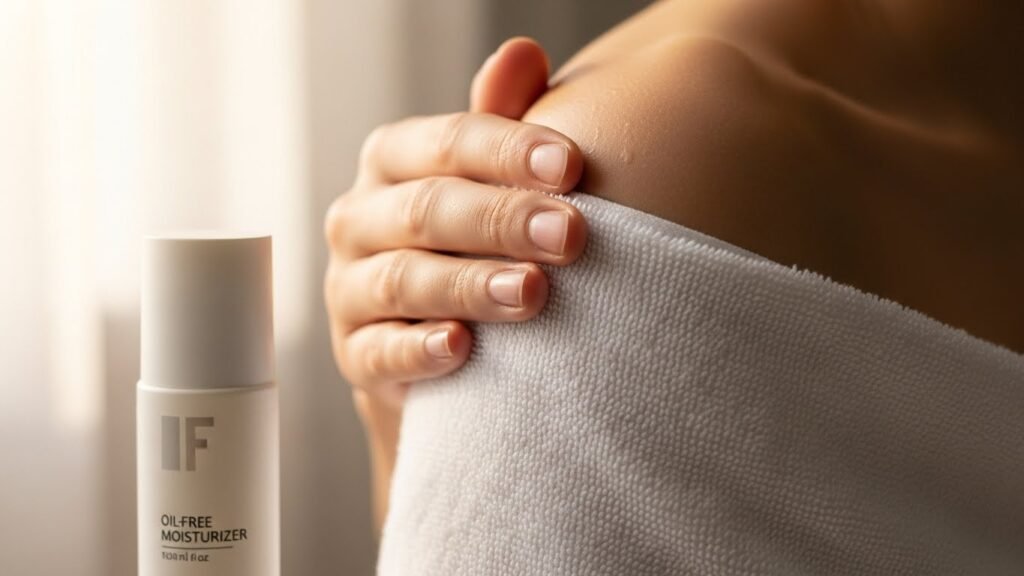
Once you have your glow, you want it to last. Most tans last about 5 to 7 days if you treat them right. You need to keep the skin hydrated but not greasy.
- The Development Phase: Don’t get wet for at least 4 to 8 hours. This includes sweating at the gym.
- Gentle Cleansing: Use a sulfate-free body wash. Harsh soaps will strip the color right off.
- Pat Dry: Never rub your skin with a towel after a shower. Pat gently to keep the color even.
- Oil Free Moisture: Use a safe lotion every day to prevent peeling.
Troubleshooting and Safety Protocols
Sometimes things go wrong even if you are careful. If you see a new breakout, don’t panic. You can fix it without ruining your skin for weeks.
- The Emergency Routine: If you react, stop using the tanner immediately. Go back to a simple cleanser and hydrator.
- No Scrubbing: Do not try to scrub the tan off a breakout. This will only cause more redness and spread bacteria.
- Clay Masks: Use a gentle clay mask to pull out any tanner stuck in your pores.
- Patch Test: Always test a new product behind your ear first. Wait 24 hours to see if any bumps appear.
Lifestyle Factors for Tanned Acne Prone Skin
Your daily habits affect how long your tan lasts. If you are very active, you might need a tougher formula.
- Exercise and Sweat: Sweat can cause tanner to run and clog pores. Use a sweat-resistant tanning water if you hit the gym.
- Sun Protection: Remember that a fake tan is not a real tan. You still need to wear SPF every single day.
- Hydration: Drinking plenty of water keeps your skin cells plump. This helps the tan fade more evenly.
| Product Type | Best For | Key Benefit |
| Tanning Water | Oily/Active Skin | Breathable and sweat-resistant |
| Tanning Drops | Customizable Glow | Mixes with your own safe skincare |
| Tanning Mousse | Deep Body Tan | Fast drying and easy to see where you apply |
| Gradual Lotion | Fair Skin/Beginners | Very low risk of streaks or orange tones |
Final Summary of Best Practices
Finding an acne safe self tanner takes a little bit of homework. You have to move past the pretty packaging and look at the ingredients. Always prioritize water-based formulas over heavy creams.
Keep your pre-tan ritual consistent and gentle. Don’t let your acne treatments fall by the wayside. Just learn to balance them with your tanning schedule. With the right tools and techniques, you can have a clear, golden complexion all year round.
Check your products against a pore-clogging watchlist before buying. This one extra step can save you from weeks of skin trouble. You deserve a glow that doesn’t come with a side of pimples.
Frequently Asked Questions About Acne Safe Self Tanner
Can I use self tanner while on Accutane (Isotretinoin)?
Accutane makes your skin extremely fragile, dry, and prone to peeling. While a self tanner isn’t dangerous, it will likely look very patchy because your skin is shedding so quickly. Always consult your dermatologist first, as your skin barrier is compromised during this treatment.
Does sweat from the gym make acne safe self tanner turn green?
Tanner doesn’t usually turn green from sweat, but it can turn green if it oxidizes or is exposed to cleaning products or deodorants. If you sweat heavily, the salt can break down the DHA faster, causing the tan to fade unevenly and potentially clog pores if the product isn’t breathable.
Is it safe to apply self tanner over open acne scabs?
It is best to avoid applying tanner over open or healing scabs. The DHA will cling to the dry, damaged tissue, making the scab look much darker than the rest of your skin, often resulting in a dark brown or black spot that looks like a large blemish.
Can I use a facial steamer before applying an acne safe self tanner?
Steaming opens your pores, which can actually cause the tanner to settle too deeply into them, leading to the “dark dot” effect. It is better to wash your face with cool or lukewarm water before application to ensure pores are not overly dilated.
How do I remove self tanner from my face if it causes a breakout?
If you have a reaction, use an oil-based cleanser or a gentle micellar water to help break down the DHA. Follow up with a soothing, non-comedogenic clay mask to draw out any remaining product from the pores without over-scrubbing the irritated skin.
Does tanning water expire and can old product cause acne?
Yes, self tanners usually expire 6 to 12 months after opening. Using expired DHA can lead to skin irritation, rashes, or breakouts because the chemical composition changes over time and can become unstable on the skin surface.
Can I apply acne safe self tanner over a sunburn?
Never apply tanner over a sunburn. Sunburned skin is damaged and will eventually peel. If you apply tanner over it, the color will come off in sheets as your skin heals, resulting in a leopard-spot pattern that is very difficult to fix.
Will swimming in a pool make my acne-safe tan fade faster?
Chlorine is a bleaching agent and a drying chemical. It will strip your sunless tan much faster and can dry out acne-prone skin, leading to more oil production. Rinse off with fresh water immediately after exiting the pool to protect your glow.
Is spray tanning better for acne than at-home lotions?
Professional spray tans often use higher quality, finer mists that sit more lightly on the skin. However, the “guide color” or bronzer in professional solutions can sometimes be more clogging than clear at-home tanning waters. Always ask the technician for an oil-free or “clear” solution.
Can I use a silk pillowcase to prevent breakouts while tanning?
Silk pillowcases are excellent for acne-prone skin because they harbor less bacteria and cause less friction. If you use a clear tanning water or “sleep mask” tanner, a silk pillowcase will help keep your skin cool and prevent the sweating that often leads to overnight breakouts.
Does drinking coffee affect how my self tanner develops?
Drinking coffee or tea won’t change the color, but caffeine is a diuretic. If you are dehydrated, your skin may absorb the tanner unevenly. Make sure you are well-hydrated from the inside out so your skin remains plump and smooth for the application.
Can I apply tanner right after a chemical peel?
You should wait at least 7 to 10 days after a professional chemical peel before applying self tanner. Your skin needs to fully finish the peeling process, or the tanner will apply to “new” skin and “old” skin differently, creating a mess of different colors.
Why does my self tanner smell like yeast or biscuits?
That smell is the chemical reaction of the DHA with your skin. While some acne safe self tanner brands add fragrance to hide it, fragrance-free versions are better for your skin. The smell usually disappears after your first shower.
Can men with beard stubble use acne safe self tanner?
Yes, but stubble can trap the product and cause it to look darker or patchier in the beard area. Men should use a tanning mist or drops mixed with moisturizer to ensure the product reaches the skin underneath the hair without clumping.
Is it okay to use self tanner if I have rosacea and acne?
DHA is generally safe for rosacea, but the heat generated by the chemical reaction can sometimes cause a slight flush. Stick to cooling tanning waters with aloe vera or cucumber to help soothe the redness while the color develops.
Does “non-comedogenic” on a tanning bottle always mean it’s safe?
Not necessarily. The term “non-comedogenic” isn’t strictly regulated. It is always better to manually check the ingredient list for hidden oils or waxes like isopropyl myristate or algae extract, which can still clog pores for some people.
Can I use a self tanner on my eyelids?
It is generally not recommended to apply tanner to the eyelids as the skin is very thin and sensitive. Using a bronzer or eyeshadow is a safer way to match your eyelids to your tanned face without risking eye irritation or milia.
Does the pH of my skin affect the color of my acne safe self tanner?
Yes, if your skin pH is too alkaline (often from using harsh bar soaps), the tan can turn orange. Using a pH-balanced cleanser designed for acne-prone skin will help the DHA develop into a more natural, golden brown.
Can I use tanner while using a blue light therapy mask?
It is best to do your light therapy treatment first, then apply your tanner. Some LED light frequencies might be slightly blocked by the tint in a tan, or the tanner might dry out faster under the light, causing an uneven finish.
Will self tanner hide my whiteheads or blackheads?
Self tanner won’t hide texture; it mostly hides color. In fact, DHA can sometimes make blackheads look darker because it settles into the open pore. Using a primer or a light moisturizer before tanning can help create a barrier to prevent this.
